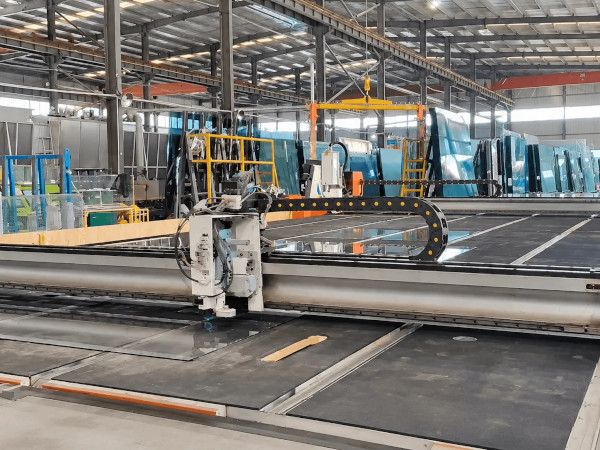
Modern buildings require glass with more than transparency. Through glass processing, float glass can be transformed into tempered glass, laminated glass, insulated glass units, and other architectural glazing products with improved safety, performance, and design flexibility.
This article uses REACH BUILDING’s automated glass processing facilities as a practical example to explain how float glass becomes different types of processed architectural glass.
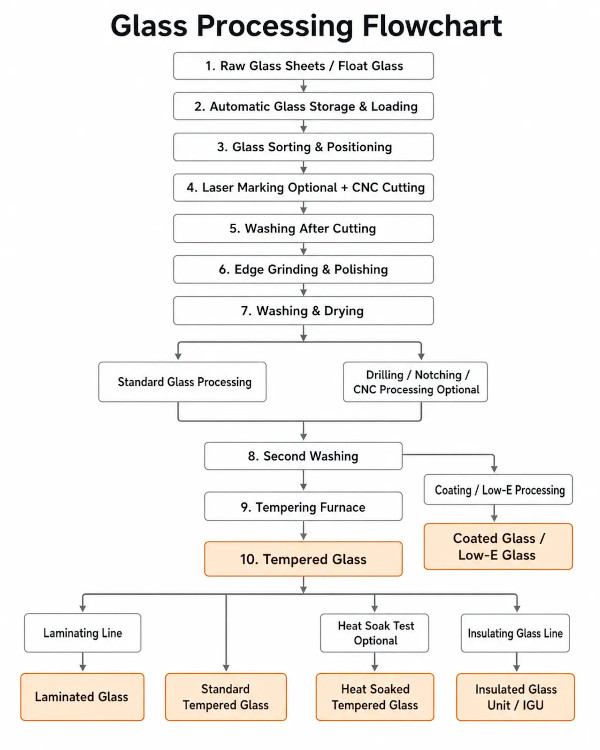
Step-by-Step Glass Processing Workflow
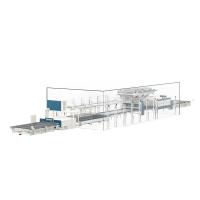
Glass processing starts with raw float glass and transforms it into finished architectural glass products through a series of controlled fabrication steps. Depending on the required performance and application, different processes such as cutting, edge finishing, heat treatment, coating, lamination, and insulating glass assembly are applied.
The numbered steps below follow Figure 1. The chart illustrates selected production routes, including routes using tempered panes for lamination and IGU assembly. These products do not always require tempered glass; the required route depends on the specification. Coating sequences also vary by product.
1. Raw Glass Sheets / Float Glass
Glass processing begins with the selection of the original glass sheet. Depending on the project requirements, the base material may include clear float glass, ultra-clear glass, tinted glass, coated glass, or Low-E glass.
The original glass selection plays an important role in the final performance of the product. Factors such as thickness, color, light transmission, and coating type directly influence the appearance, energy performance, and application suitability of the finished glass.
2. Automatic Glass Storage & Loading
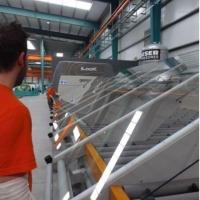
In modern glass fabrication, automated storage and loading is an important step between raw glass preparation and precision cutting. After the raw glass sheets are selected, an automated system identifies the required glass type and size, then transfers the sheets safely to the processing line with minimal manual handling.
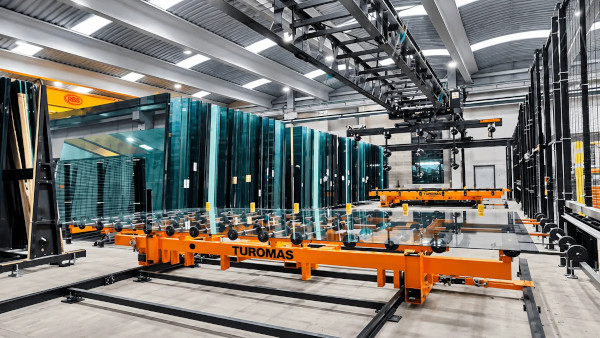
This automated workflow reduces scratches, edge damage, and handling risks while improving production efficiency and consistency, especially for large architectural glass panels.
3. Glass Sorting & Positioning
Before cutting, glass sheets are automatically sorted and positioned according to the production requirements. The system identifies the correct glass type, size, and processing sequence, then aligns each sheet accurately before it enters the cutting equipment.
Proper positioning is essential for maintaining cutting accuracy and edge quality. Any deviation during this stage may affect the final dimensions and increase material waste.
4. Laser Marking (Optional) + CNC Cutting
Before further processing, glass sheets are precisely cut according to the required project dimensions. CNC cutting equipment ensures accurate sizing and consistent edges, while laser marking can be applied when traceability, production codes, compliance information, or branding identification is required.
Accurate measurement before cutting is critical. Tempered glass cannot subsequently be cut or drilled. All dimensions, openings, and processing requirements should therefore be confirmed before heat treatment and final assembly.
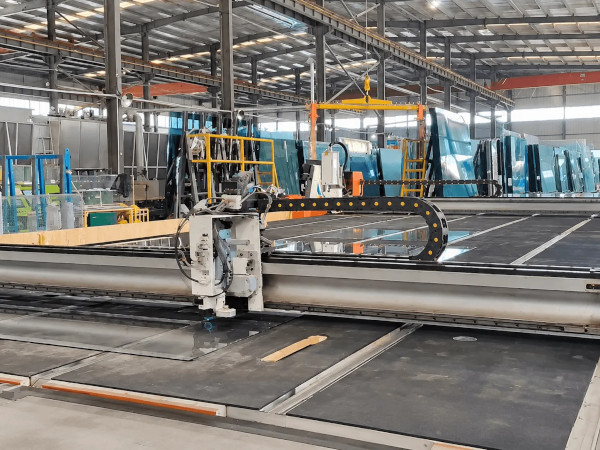
5. Washing After Cutting
After cutting, glass sheets are thoroughly washed to remove glass dust, particles, and processing residues from the surface and edges. This cleaning step helps prevent scratches, surface contamination, and quality issues during subsequent processes such as edge processing, tempering, or coating.
6. Edge Grinding & Polishing
After cutting, the glass edges are processed through grinding and polishing to remove sharp edges and improve surface quality. This step improves handling safety, enhances the final appearance, and helps reduce stress concentration during later processes such as tempering.
For tempered glass production, edge quality is especially important because small chips or defects along the edge can increase the risk of breakage during heat treatment.
7. Washing & Drying Before Further Processing
Before heat treatment, lamination, or coating, glass sheets go through a washing and drying process to remove dust, particles, and surface contamination.
A clean and dry glass surface is essential for achieving consistent quality in later processes. Residues or particles left on the surface may affect tempering performance, coating adhesion, or the appearance of laminated and insulated glass products.
Optional Branch: Drilling, Notching, and CNC Processing
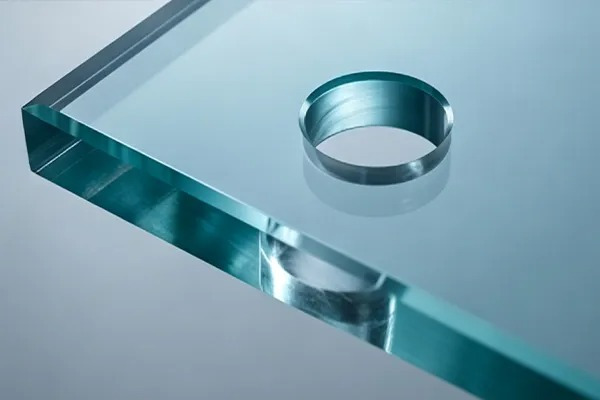
At this stage, CNC equipment is used for drilling holes, creating notches, or cutting custom shapes for doors, railings, shower enclosures, and other architectural applications.
All drilling, notching, and shaping must be finished before tempering. Hole positions, notches, and dimensions must match the drawings and hardware requirements.
8. Second Washing
A final wash removes residues from drilling or CNC work. This minimizes stains, bubbles, or inclusions in the finished product.
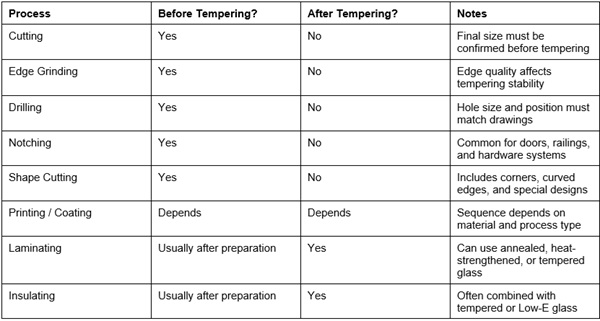
Table 1: What Must Be Done Before Tempering?
Before glass enters the tempering furnace, all required fabrication processes must be completed. The following table summarizes which operations need to be finished before tempering and which processes can be performed afterward.
Heat Treatment and Finished Glass Products
After cutting, edge processing, and other fabrication steps, float glass can be further transformed into different types of processed glass. Each processing method changes the glass properties, such as strength, safety, thermal performance, or design flexibility, making each type suitable for different architectural applications.
9. Tempering Furnace
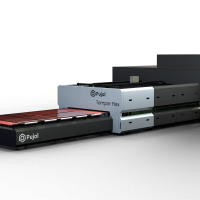
After cutting, edge finishing, washing, and any CNC preparation, the glass enters a tempering furnace. Rapid heating and cooling create compressive stress on the surface and tensile stress inside.
10. Tempered Glass
Tempering increases glass strength and resistance to thermal stress. When fully tempered glass breaks, it typically fragments into small pieces.
Tempered glass is used in doors, shower enclosures, curtain walls, and other architectural applications. The required glass build-up depends on the application and applicable safety requirements.
Once tempered, glass cannot be cut, drilled, or notched. All dimensions and openings must be finalized beforehand.
Heat Soaked Tempered Glass: Additional Safety Testing
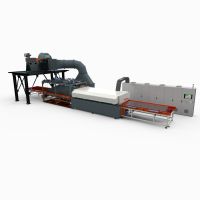
Heat soaked tempered glass is a further tested version of tempered glass. After the tempering process, the glass is placed in a controlled heat soak chamber for an extended period to identify panels containing potential nickel sulfide (NiS) inclusions.
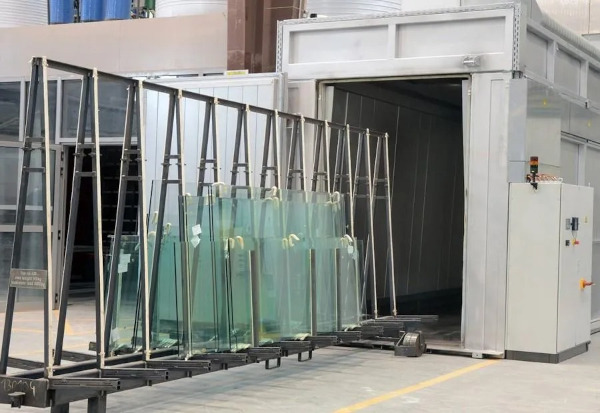
This additional testing process helps reduce the risk of spontaneous breakage after installation. While the glass maintains the strength and safety characteristics of tempered glass, heat soak testing provides extra reliability for projects where replacement would be difficult or costly.
For high-rise facades, skylights, curtain walls, and public buildings, heat soaked tempered glass is often considered when long-term safety and reduced maintenance risk are important.
Laminated Glass: Structure, Manufacturing Process and Applications
For laminated glass, the key is the interlayer. During production, PVB, SGP, EVA, or another interlayer is placed between two or more glass sheets and bonded under heat and pressure.
Once bonded, the glass no longer behaves like separate sheets. If breakage occurs, the interlayer helps hold the fragments together instead of letting them fall freely.
That is why laminated glass is often used in skylights, glass floors, railings, partitions, and other areas where the glass must stay in place even after breakage. It can also support acoustic or decorative requirements when the project needs more than basic safety.
Laminated glass does not always mean tempered laminated glass: the layers can be annealed, heat-strengthened, or tempered, depending on the project.
Insulated Glass Unit (IGU): Structure, Manufacturing Process and Applications
Insulated Glass Unit (IGU) consists of two or more panes separated by a sealed cavity filled with air or gas. This design improves thermal insulation, reduces energy consumption, and enhances indoor comfort.
IGUs are used for energy-efficient windows, curtain walls, and residential or commercial buildings. Combining IGUs with suitably specified tempered or Low-E glass can provide strength and thermal performance.
Coated Glass: Types, Coating Process and Applications
In architectural applications, coated glass is generally divided into two main categories: reflective glass and Low-E glass. Both use functional surface coatings to control solar heat, visible light, and exterior appearance.
Processing requirements vary by coating type, with some products coated before tempering and others after. Low-E glass is commonly used in insulated glass units to improve thermal performance while retaining natural light.
The processing order depends on the coating, project requirements, and whether the glass will be tempered.
Combined Processed Glass Solutions
In real projects, one process rarely suffices. Tempered, laminated, coated, and insulated processes are often combined to meet safety, thermal, acoustic, and design goals.
Examples include:
- Tempered Laminated Glass
- Heat Soaked Tempered Laminated Glass
- Low-E Insulated Glass
- Laminated Insulated Glass
- Curved or Decorative Laminated Glass
Integrating tempering, laminating, insulating, coating, CNC customization, and decorative finishes requires a coordinated processing route.
Table 2: From One Glass Sheet to Multiple Final Products
The same base glass can become different finished products depending on the processing route.
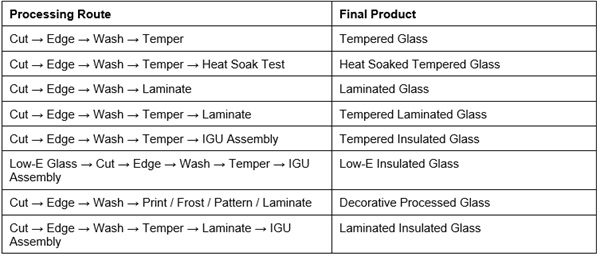
For the Low-E route, tempering applies only to coatings and glass products suitable for heat treatment. Routes are illustrative; optional operations and additional washing stages are omitted from this summary.
Conclusion
Choosing processed glass for a project involves more than selecting the final product. The processing route, drawing review, hole positions, edge quality, tempering sequence, and final assembly all influence whether the glass can be installed accurately and perform as expected.
A reliable glass processor should understand the complete fabrication workflow, from initial design review and material selection to precision processing and final inspection.
FAQ
What is processed glass?
Processed glass is glass that has been fabricated after the float glass manufacturing process. Common processing methods include cutting, edge grinding, drilling, tempering, laminating, insulating, and coating to achieve specific safety, performance, or design requirements.
How is processed glass made?
Processed glass is produced by taking raw glass sheets through a series of fabrication steps, such as cutting, edge finishing, CNC processing, washing, heat treatment, lamination, or coating. The exact process depends on the final glass type and project requirements.
Can tempered glass be cut or drilled after tempering?
No. Once glass has been tempered, it cannot be cut, drilled, notched, or edge-modified. All dimensional processing, including holes and special shapes, must be completed before the tempering process.
Is laminated glass always tempered?
No. Laminated glass can be made with annealed, heat-strengthened, or tempered glass depending on your project requirements.
Is Low-E glass the same as insulated glass?
No. Low-E glass is glass with a low-emissivity coating designed to improve thermal performance, while insulated glass units (IGUs) are made by combining two or more glass panes with a sealed air or gas-filled cavity. Low-E glass is often used as part of an IGU system.
What is heat soaked tempered glass?
Heat soaked tempered glass is tempered glass that undergoes an additional heat soak test to reduce the risk of spontaneous breakage caused by nickel sulfide inclusions. It is commonly considered for applications where glass replacement would be difficult or costly.
Source and Image Credit
Adapted from REACH BUILDING’s published guide. The flowchart and photographs are reproduced from the original article.
Original article: Glass Processing Flowchart – REACH BUILDING