
Date: 26 October 2026
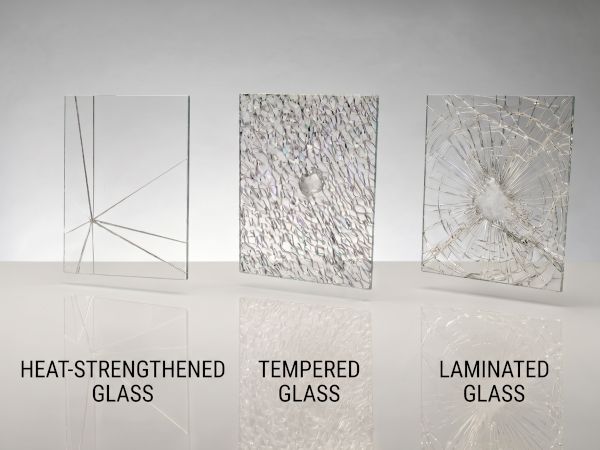
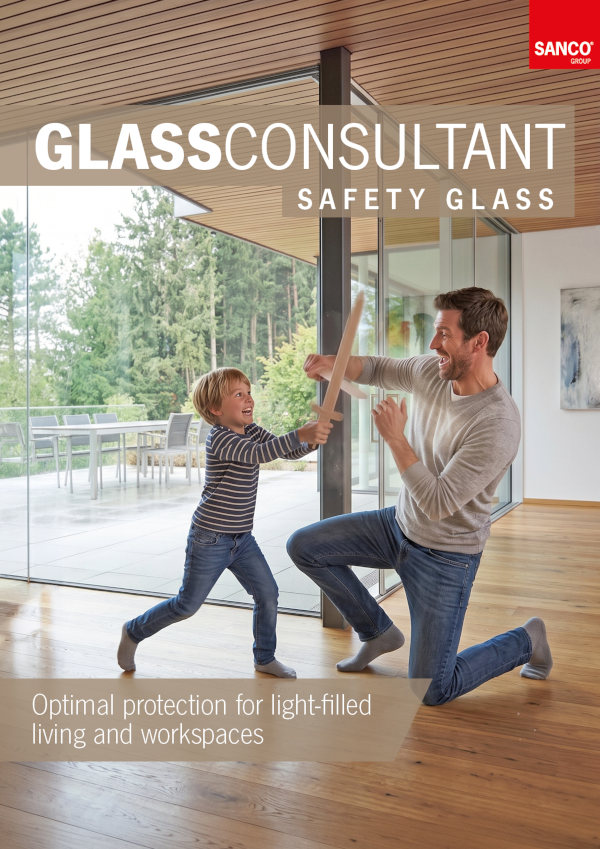
Generous window areas are currently trending in residential building design. When selecting an insulated glass solution, the focus is usually on energy efficiency, while the potential for active and passive safety often remains untapped. With the SANCO Glass Consultant, window manufacturers now have access to a consulting tool that provides private homeowners with comprehensive information on the possible applications of safety glass.
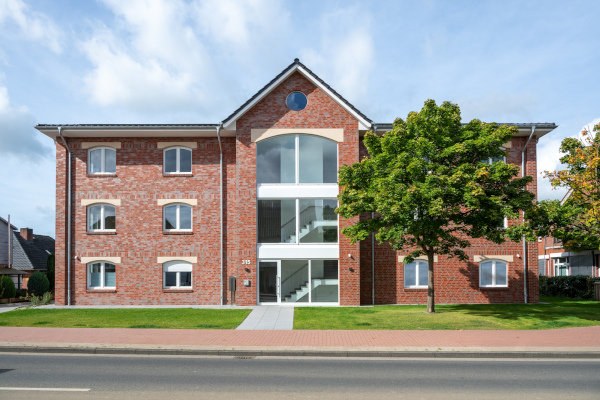
The use of safety glass is mandatory for certain installation situations. Details are regulated by DIN 18008, which stipulates, for example, that fall-protection glazing or overhead glazing must be equipped with safety glass. However, many homeowners are unaware that safety glass is also beneficial beyond these regulations. The SANCO Glass Consultant provides compelling arguments in this regard.
Safety Glass on Upper Floors
On the upper floors of buildings, safety glass is required only in certain cases, such as for floor-to-ceiling windows. Nevertheless, even standard windows can be subjected to heavy stress, for example from drafts, cleaning, or children playing. Therefore, in many cases, the use of laminated safety glass is the logical choice. This prevents glass fragments from falling in the event of damage and causing harm to people, objects, or the building structures below. Enhanced burglary protection can also be advisable in higher areas of a building, for example, when potential intruders can easily access windows via garage roofs or carports.
Challenges Posed by Climate Change
Extreme weather events place an increasing strain on building envelopes—and thus also on window glazing. Extreme hailstorms or flying debris during storms can damage them. Here, too, safety glass is the right solution. While glass breakage cannot always be prevented, safety glass at least reduces the risk of injury. And thanks to their high residual strength, they ensure that basic protection against the elements is maintained until the glass is replaced.
Added to this are challenges posed by high temperatures: glazing exposed to direct sunlight is subject to considerable thermal stress. Windows where one side is shaded while the other is directly exposed to the sun are particularly affected. This uneven heating within a single pane can generate high stresses, which increases the risk of thermally induced glass breakage. In these cases, heat-soaked single-pane safety glass that has undergone a heat-soak test (ESG-HF) offers the best possible protection.
Price and Weight: The Most Common Counterarguments
Despite their high safety requirements, many building owners decide against the widespread use of safety glass for cost reasons. However, they often overlook the fact that the additional cost is relatively low compared to the total investment in a construction project—usually well under one percent for new buildings. One argument specifically against the use of laminated safety glass is its greater weight. This can be mitigated by using lightweight, thin glass such as SANCO LIGHT.
The Glass Consultant can be downloaded at the following link:
https://www.sanco.de/en/topics/sanco-glass-guide-safety-glass
 600450






Add new comment