Laminated Glass Technology
News

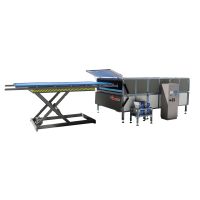
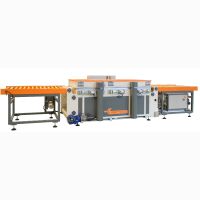
AKARMAK will present its glass processing and testing solutions at glasstec 2026, including advanced Glass Lamination Autoclaves and Heat Soak Test Ovens.
Explore Saflex™ and Vanceva™ interlayers to see, touch, experience and even influence what’s next at Hall 11, Booth A48.
Glasstec will be an important platform for innovation and networking, and a vision to into the future for the glass industry.
New SentryGlas® variant combines best-in-class structural capabilities with advanced acoustic performance, enabling thinner, lighter and more sustainable glazing solutions without compromise.
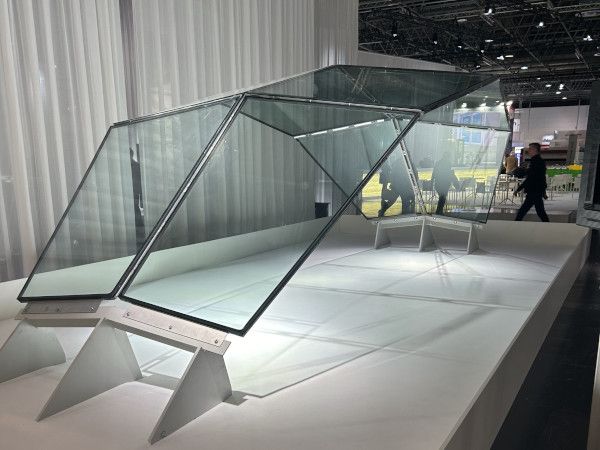
A collaborative project gives materials from the original exhibit a new purpose in a structural-glass demonstrator at Glass Technology Live
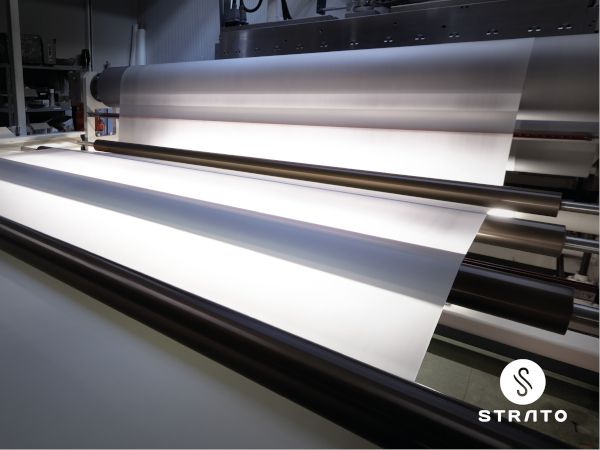
In a highly competitive landscape, especially undermined by Asian competitors, Satinal S.p.A. stands out by offering a premium alternative completely manufactured in its headquarters in Italy.
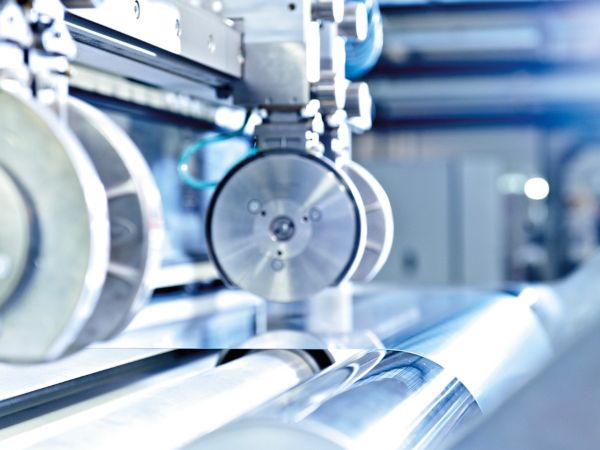
Discover how evguard® interlayers deliver documented performance in impact resistance, thin-glass safety, residual load-bearing capacity and fire behaviour, backed by extensive testing and international approvals.
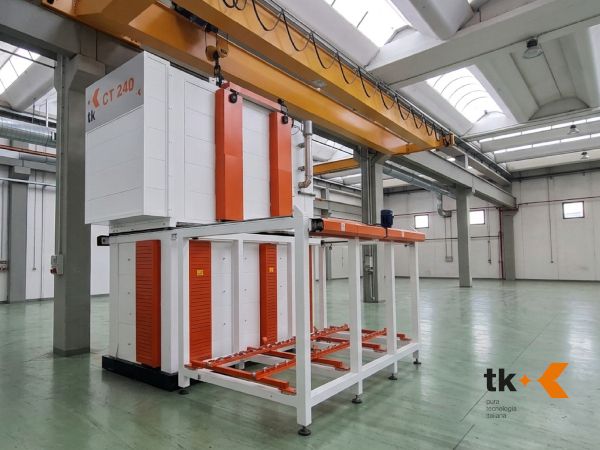
Glasstec 2026 is just around the corner and Satinal is ready to showcase its latest news in glass processing technology and sustainable materials.

Kuraray will participate in the 233rd edition of Zak World of Façades India, taking place on 16 October 2026 at Aurika by Lemon Tree in Mumbai.

Discover how Kuraray’s SkyViera® film is transforming automotive glass roofs into dynamic, illuminated design elements, opening new possibilities for personalized in-vehicle experiences.

Kuraray will participate in the 232nd edition of Zak World of Façades USA, taking place on October 14, 2026, at Pier Sixty, Chelsea Piers, in New York.
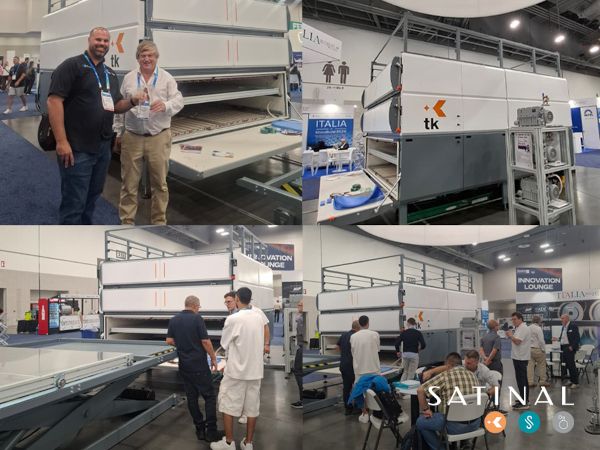
Satinal welcomed industry professionals to its booth at GlassBuild America 2026 in Las Vegas, showcasing its latest technological advancements and technical expertise in glass processing.
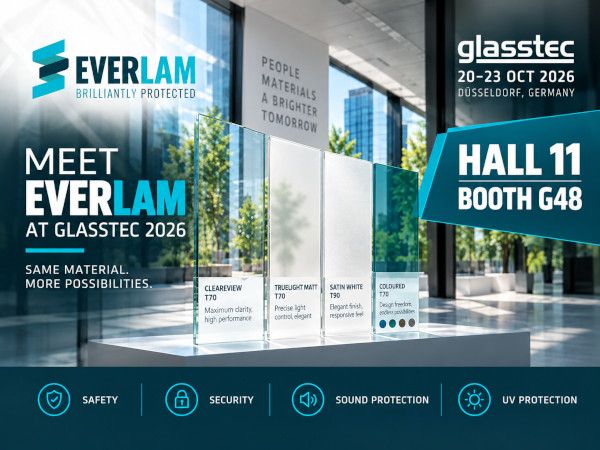
EVERLAM will participate in glasstec 2026, welcoming customers, partners and industry professionals to its booth 11G48 in Düsseldorf from 20 to 23 October.

Satinal has announced its participation in Glasstec 2026. Taking place in Düsseldorf from October 20–23, Satinal will welcome visitors in Hall 11, Booth A54, to experience their latest sustainable materials and machinery
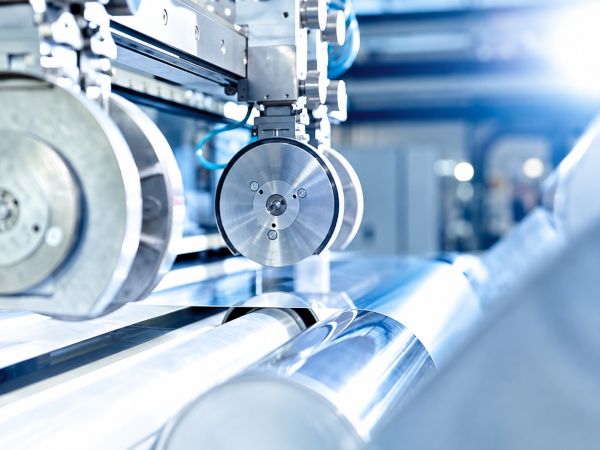
Folienwerk Wolfen will present its evguard® EVA interlayers and evguard® MPE solutions for demanding laminated glass applications at glasstec 2026 in Düsseldorf from October 20–23.

Kuraray will take part in the 230th edition of Zak World of Façades in Tbilisi on October 1, 2026, bringing its expertise in laminated glass and advanced interlayer solutions to the façade community.
Articles

Discover how float glass is transformed into high-performance architectural glazing through key processing stages, from precision cutting and tempering to lamination and insulated glass assembly.

Exploring LCPI adhesives as a promising alternative for stronger, more versatile laminated safety glass.

Exploring a new approach to glass masonry, researchers demonstrate how metal kirigami interlayers can reduce weight, lower embodied carbon, and improve the performance of dry-assembled glass structures.

Exploring the evolution of laminated safety glass, this paper examines advanced interlayer solutions and their performance in ballistic applications.
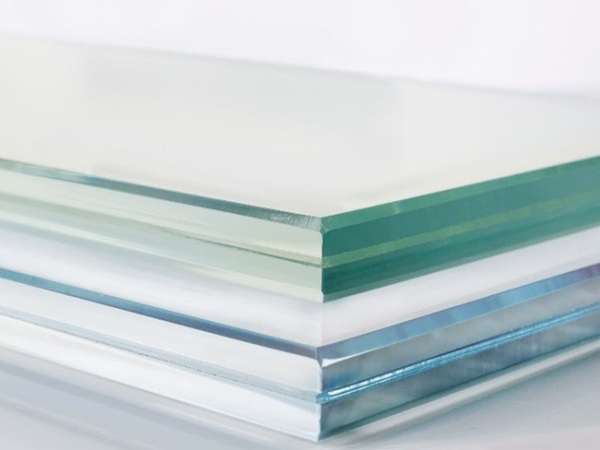
Advances in interlayer technology are opening new possibilities for laminated safety glass, with improved stiff PVB delivering higher stiffness, enhanced durability and greater design flexibility for modern façade engineering.
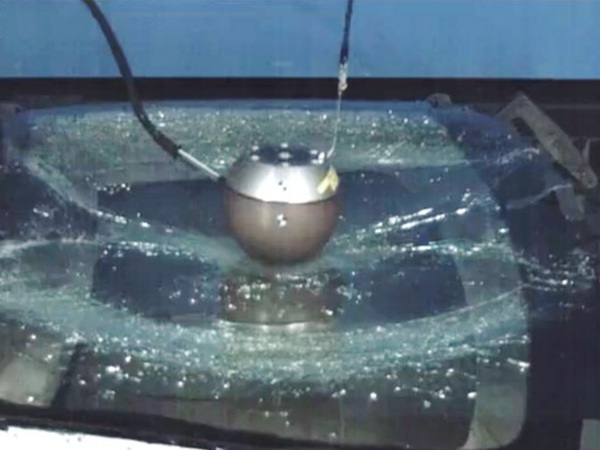
A First Step to Characterize the Post-fracture Behaviour
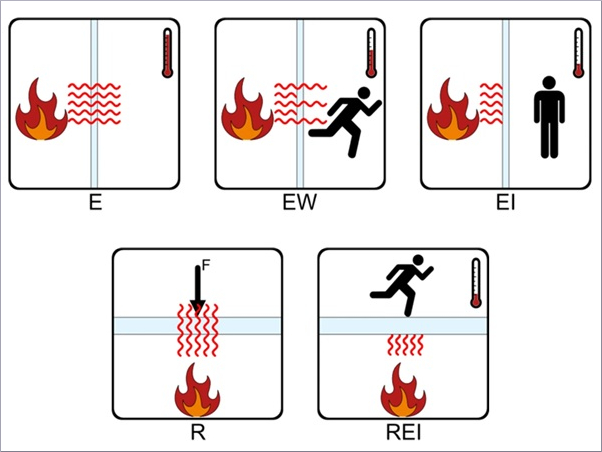
As glass increasingly takes on structural roles in modern architecture, ensuring its fire resistance has become a critical challenge for safe building design.
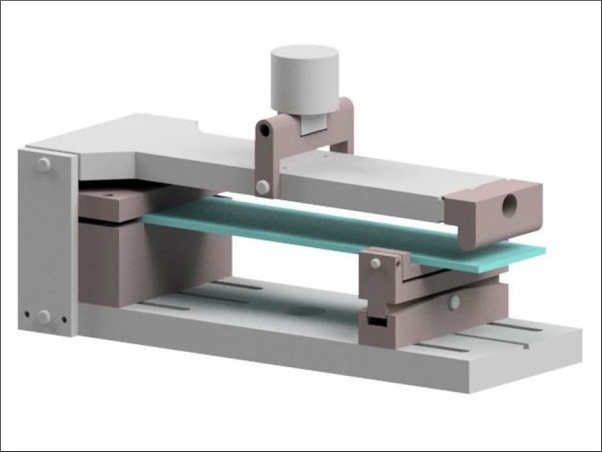
This study explores how fibre optic sensors can accurately measure strain and temperature in laminated glass systems, revealing how adhesives, temperature, and load conditions influence the mechanical behaviour of PVB and embedded sensors.
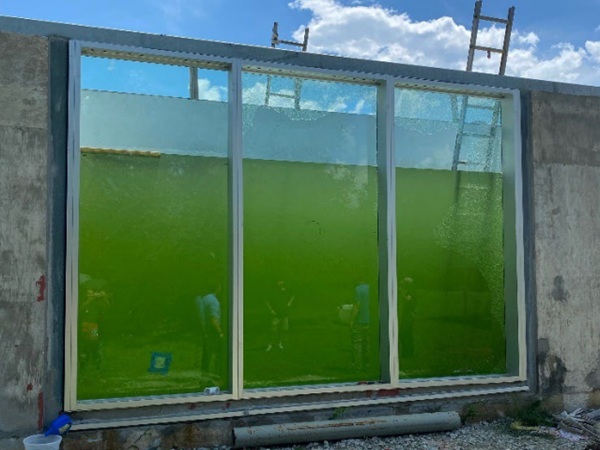
ASTM has introduced a new standard, ASTM E3401, to guide the safe use of laminated glass in swimming pools, aquariums, and other applications subject to hydrostatic loads.

New international standards are reshaping the way modern façade glass is designed, balancing security performance with comfort, safety, and multifunctionality.
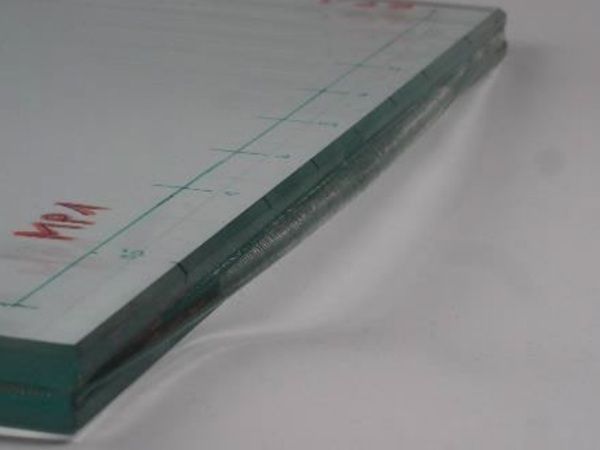
The growing use of glass in modern architecture has increased the importance of laminated safety glass (LSG), prompting new research into how production processes impact its long-term durability and safety.

A new study explores the potential of liquid optically clear adhesives (LOCA) as interlayers in laminated glass, offering promising solutions for complex curved designs and smart glazing applications.