PV Glass Technology
News

On August 18, NorthGlass Shanghai Automation Co., Ltd. successfully signed an agreement with Wenxin Group for an automated smart factory project for glass used in whole-house custom furniture.

An innovative photovoltaic façade project has been developed in the Netherlands, integrating high-performance glass with 5BB monocrystalline technology.

Rising 41 stories above downtown, One St. Petersburg has become a defining feature of the city's skyline and a prominent landmark along Florida's Gulf Coast.

Tecglass is helping redefine solar PV design, combining high energy performance with advanced digital ceramic printing for visually striking solar modules.
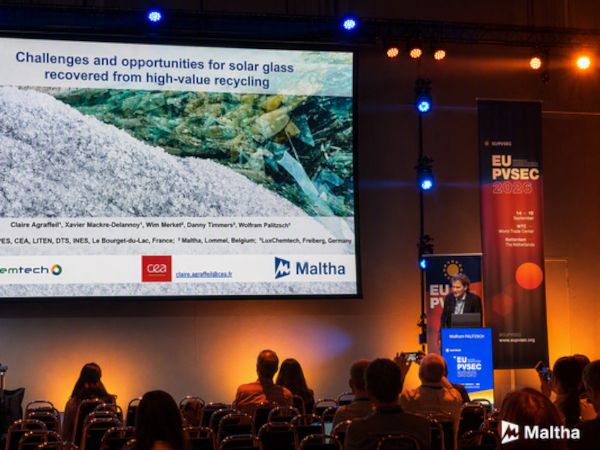
Maltha is advancing high-value solar panel glass recycling, helping turn end-of-life PV panels into valuable raw materials for a more circular glass industry.

Organic solar modules score points for their flexibility, transparency, and a particularly good environmental footprint.

The world’s leading exhibition for the solar industry has opened the gates!

Evalam will bring its latest photovoltaic encapsulant innovations to Intersolar Europe 2026, reinforcing its role as a key partner to the solar industry.
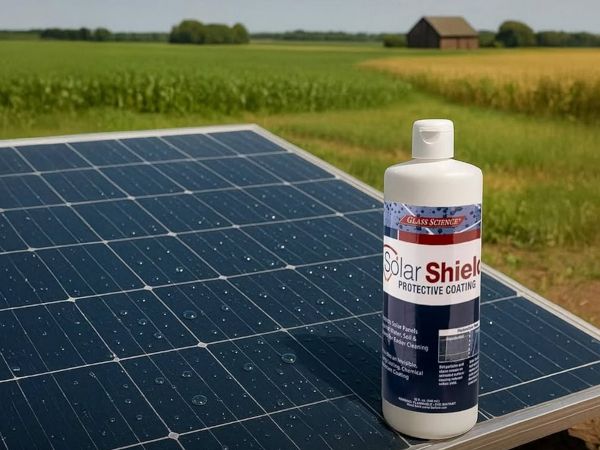
Unelko is helping improve solar panel efficiency and durability with advanced protective coatings for photovoltaic glass.
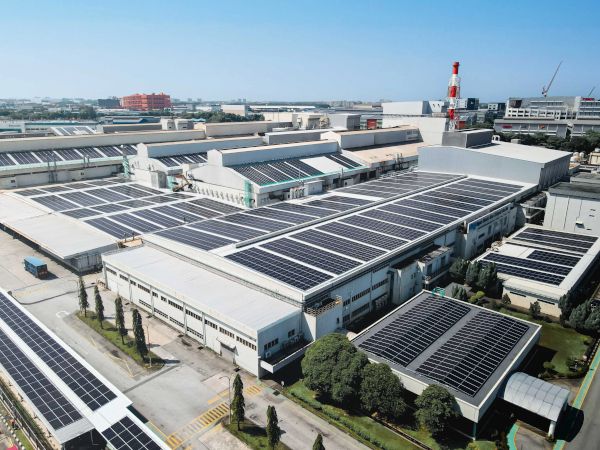
Reduce CO₂ Emissions by Approximately 6,900 Tons Annually
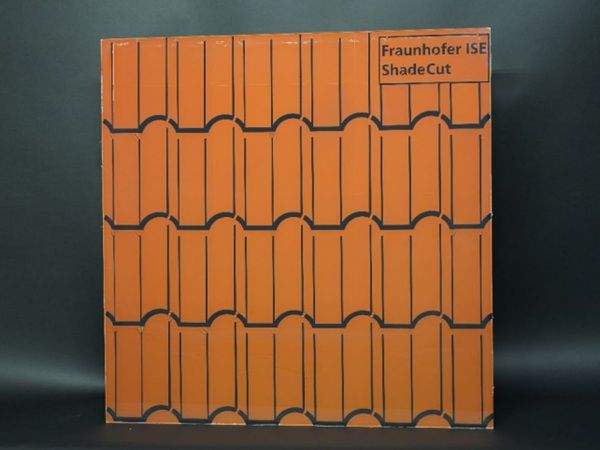
Scientists at the Fraunhofer Institute for Solar Energy Systems ISE have succeeded in creating colored films with transparent cutouts, thereby producing realistic-looking designs on photovoltaic modules.

Şişecam will introduce its innovative solar glass solutions, Şişecam SolarMax and Şişecam Charger by ML System, to visitors.
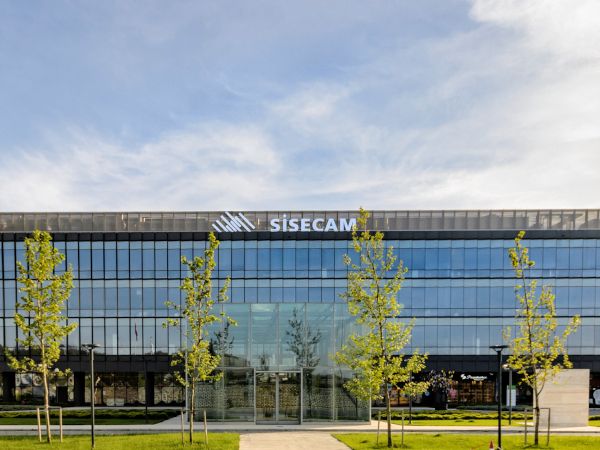
Şişecam to contribute to the circularity of electric vehicles with innovative glass solutions.

Comstock Metals strengthens its national recycling footprint with the launch of a new California facility dedicated to responsible end-of-life solar panel management.
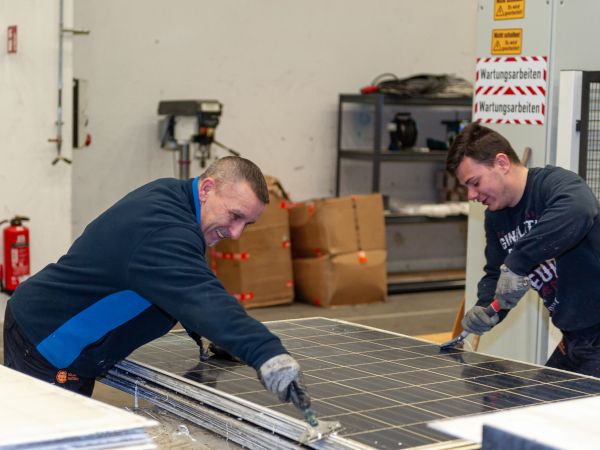
SOLAR MATERIALS has doubled its annual recycling capacity for solar modules to 14,000 tons.

The $1.1 billion facility spans approximately 2.4 million square feet and is about 11 times the size of the New Orleans Superdome.
Articles

Highly efficient building-integrated photovoltaics are entering a new phase, combining strong performance with expanded colour and design freedom.
A new study shows that adding green building requirements to contracts boosts energy performance and sustainability in hot climate zones.

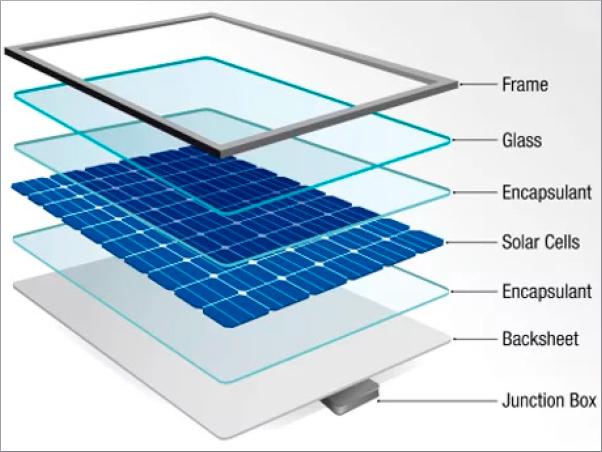
This paper begins with an overview of the different types of modules and their applications. It discusses building regulations including the necessary structural analysis and testing verifications.
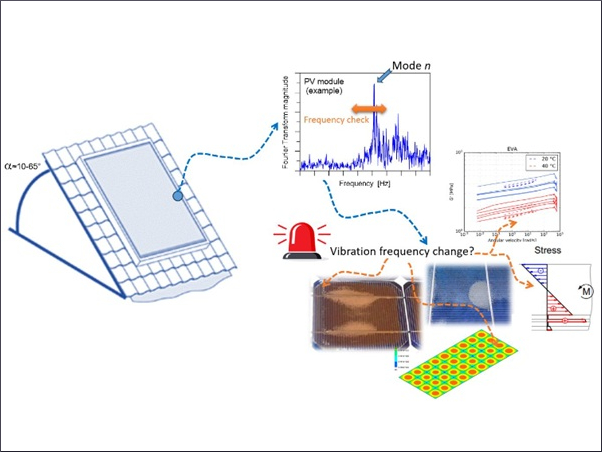
The present study consists in the analysis of composite systems characterized by higher flexibility, severe exposure to environment, and thus higher sensitivity to possible material degradation.

At present, widespread energy innovations in terms of optimizing both the on-site distributed energy generation and the energy use intensity are urgently required in the built environment and in agricultural production facilities.

This study provides important design guidance to the Photovoltaic (PV) solar panel development efforts using the finite element based computations of the PV module under the mechanical loadings.
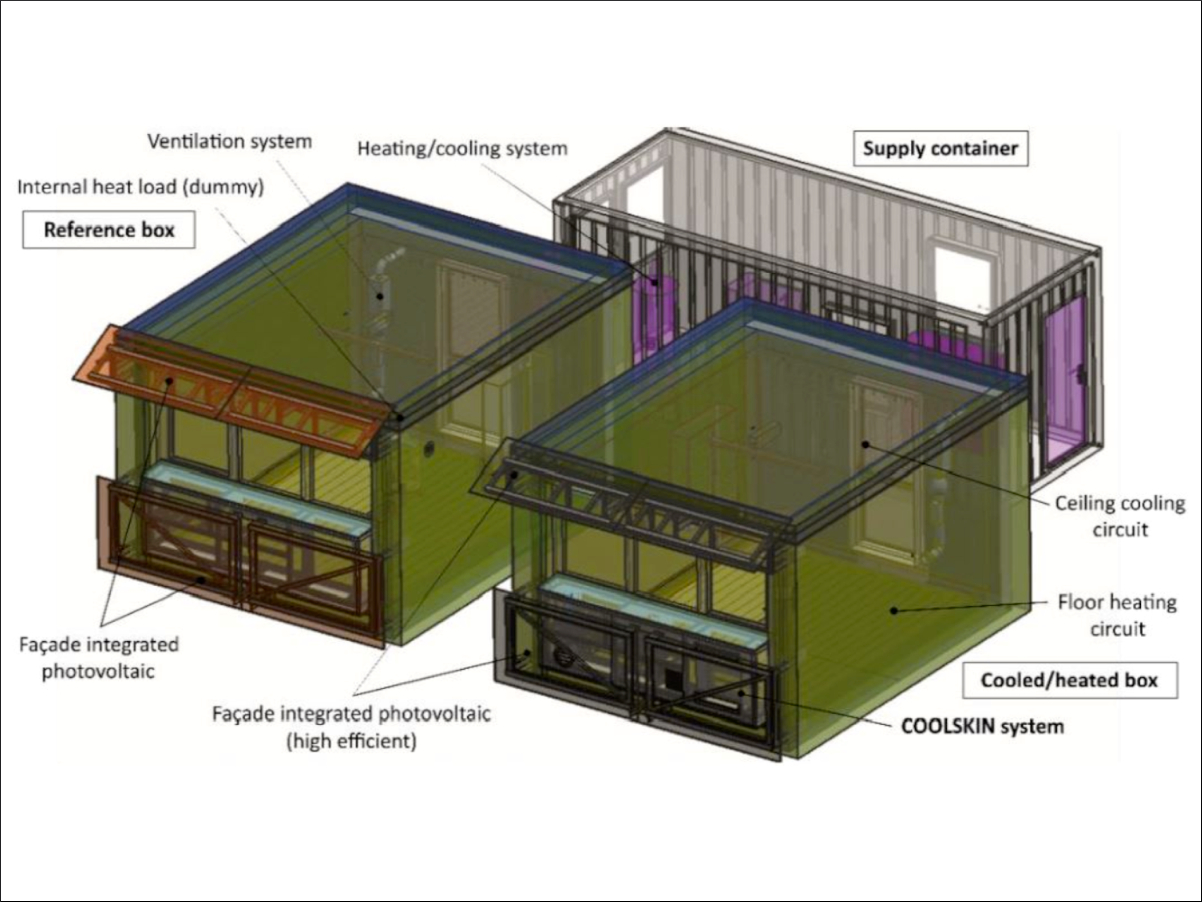
In this article the analysis of the electric performance of the COOLSKIN system with respect to its operation under different environmental conditions is presented.
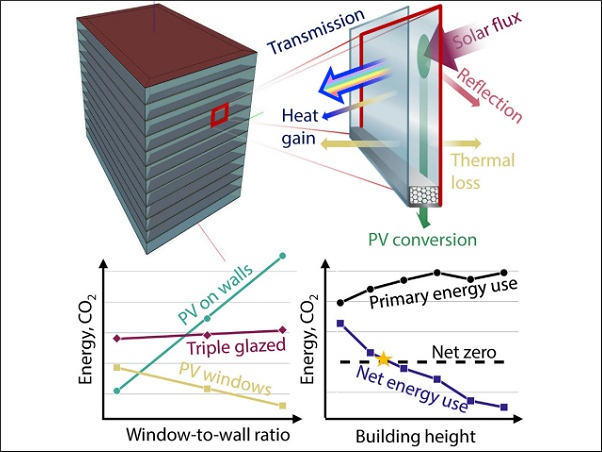
Photovoltaic (PV) windows can enable net-zero highly glazed buildings
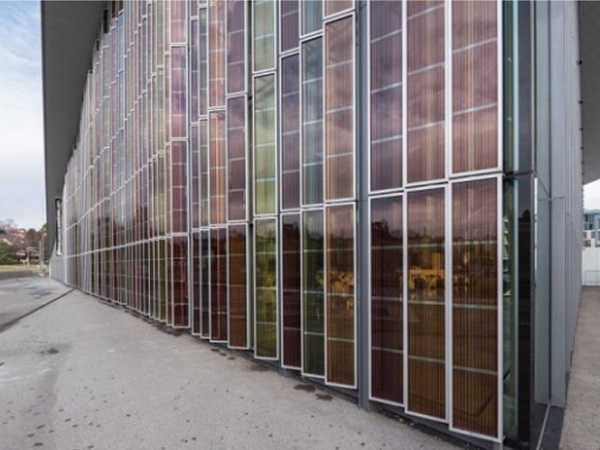
BIPV represents an important field to explore, since PV systems have an enormous potential within the context of architectural and urban design.
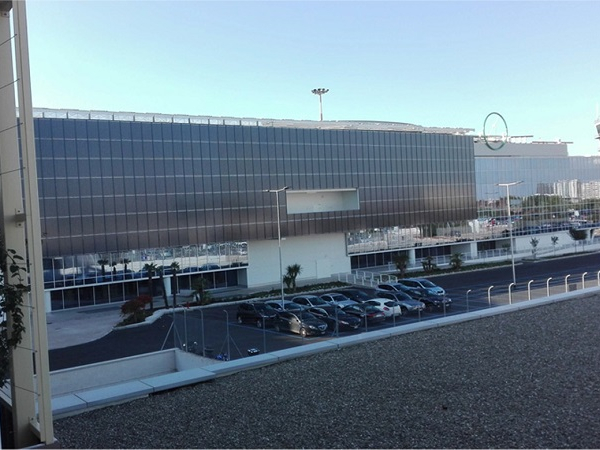
This paper focuses on the fire safety aspects related to the use of fire PV panels and systems in building facades.
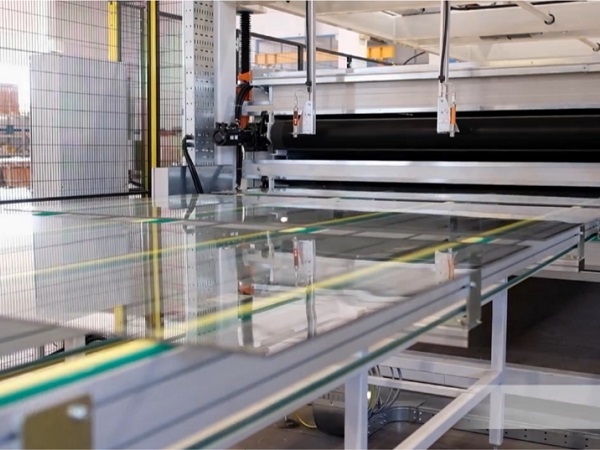
This text provides an overview of the PhotoVoltaic lamination process. It examines the differences between various types of laminators, and outlines the process flow for each. It also provides an example of a typical cycle time for EVA/POE lamination.
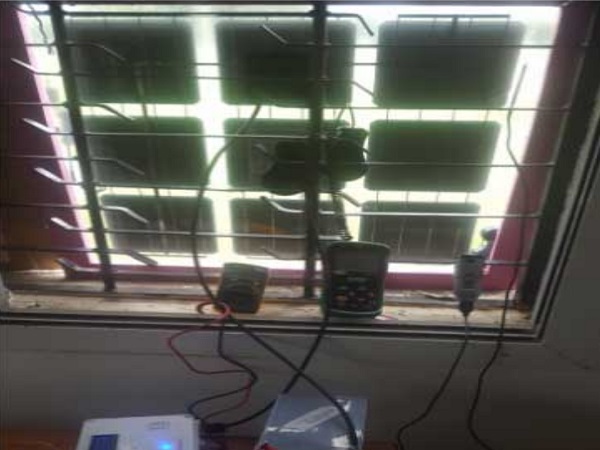
Investigations of Electrical and Optical Performances for Window Applications in Tropical Region