Green & Sustainable Building
News
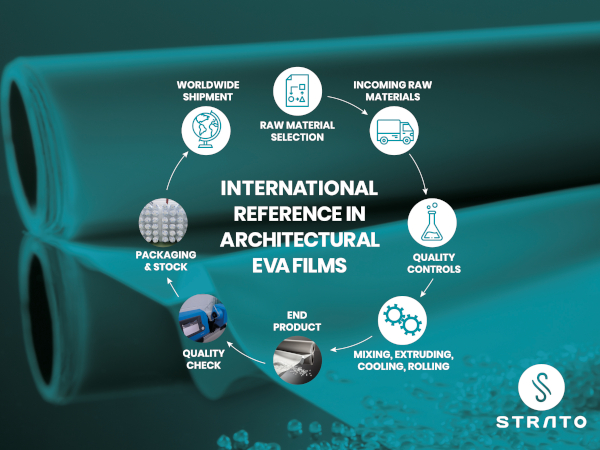
Satinal obtained EPD Declaration for both STRATO® Glass Interlayers and STRATO® Solar PV Encapsulants as great sustainble films in the industry.
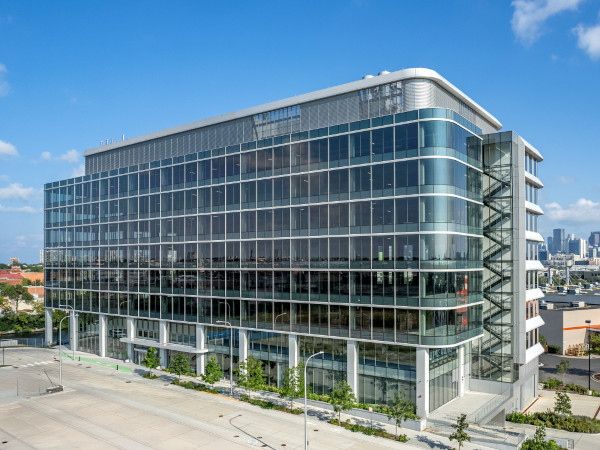
On Chicago's former Finkl Steel site, high-performance Vitro glass helps turn 1229 W. Concord into a daylight-filled, riverfront-facing model for next-generation life sciences design.
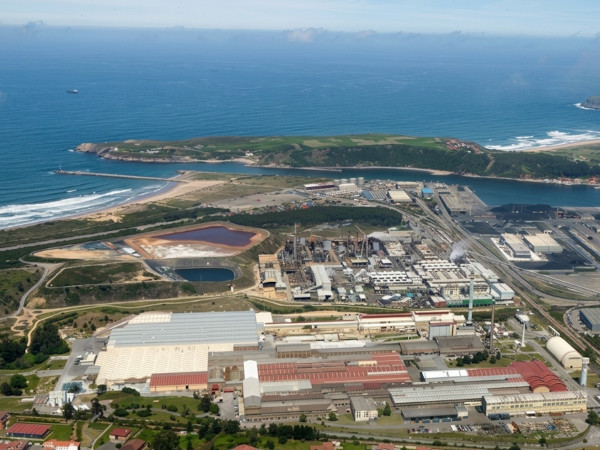
Saint-Gobain and AGC are joining forces to deploy a world-first, large-scale hybrid electric furnace at Saint-Gobain's Avilés plant in Spain, set to cut CO₂ emissions from flat glass production by around 50%.

Saint-Gobain is strengthening its AI leadership by partnering with Microsoft to accelerate sustainable construction, boost productivity, and support the next generation of low-carbon data centers.
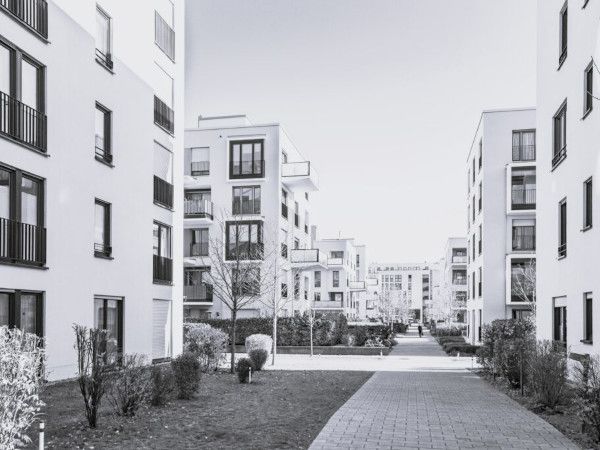
As part of the Affordable Housing Plan, the European Commission announced the Housing Simplification Package in 2027.
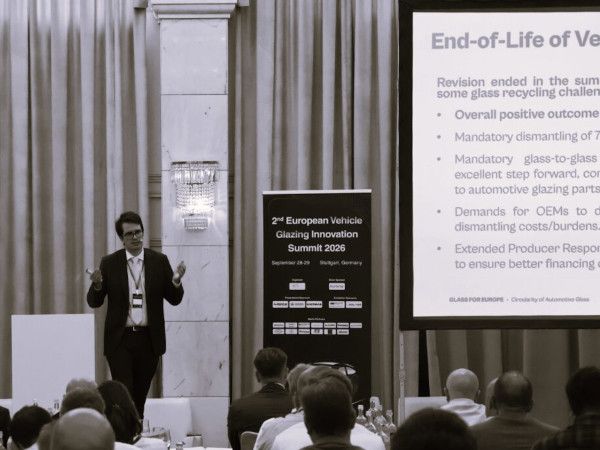
Exploring circularity and innovation across the automotive glass value chain.
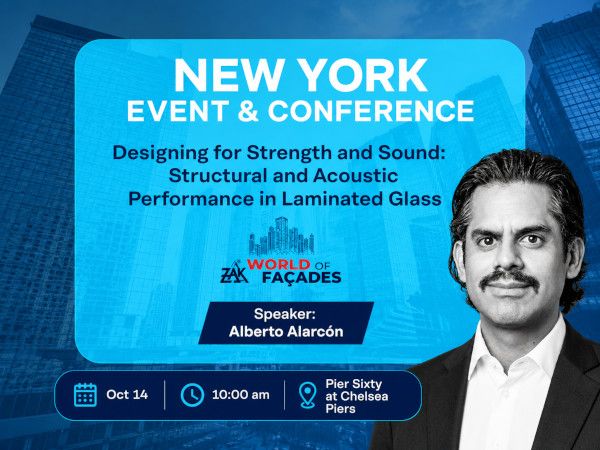
Kuraray will participate in the 232nd edition of Zak World of Façades USA, taking place on October 14, 2026, at Pier Sixty, Chelsea Piers, in New York.
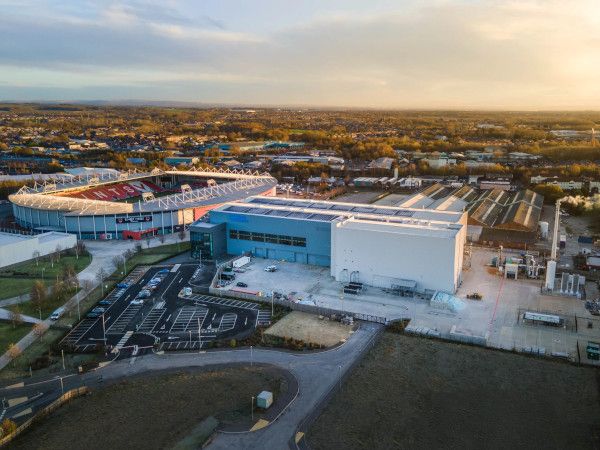
The collaboration aims to move promising technology from the lab towards real-world industrial applications.

Michael Engelmann from the Institute of Building Structures at TU Dresden is conducting research into adaptive structures made from thin glass.
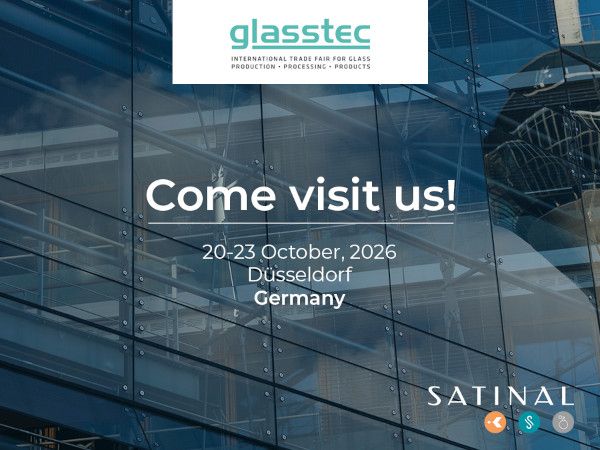
Satinal has announced its participation in Glasstec 2026. Taking place in Düsseldorf from October 20–23, Satinal will welcome visitors in Hall 11, Booth A54, to experience their latest sustainable materials and machinery
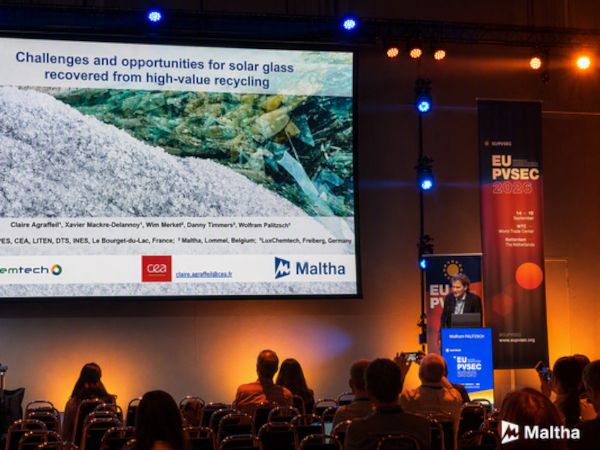
Maltha is advancing high-value solar panel glass recycling, helping turn end-of-life PV panels into valuable raw materials for a more circular glass industry.
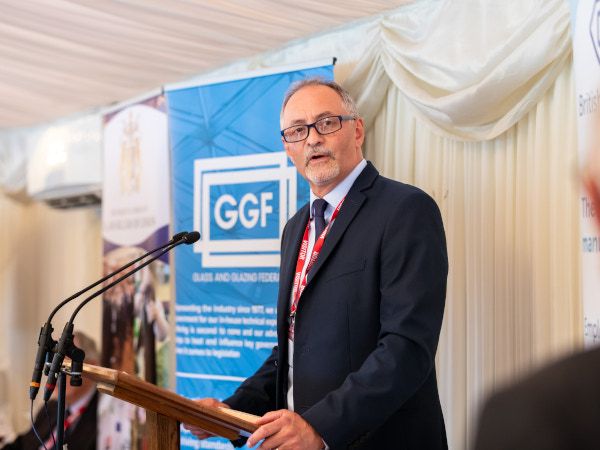
GGF has called for high-performance glazing to play a greater role in UK housing retrofit and fuel poverty policy, highlighting its potential to reduce energy demand, lower household bills and support British manufacturing.
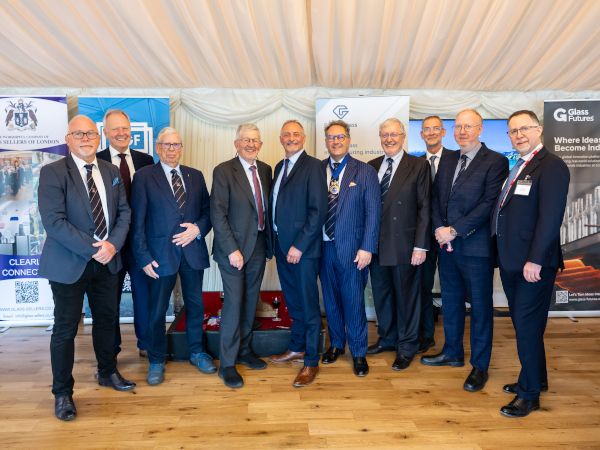
The UK glass and glazing sectors have committed to working in partnership with Government to help turn its ambitions for reindustrialising Britain into investment, skilled jobs, stronger supply chains and sustainable economic growth.
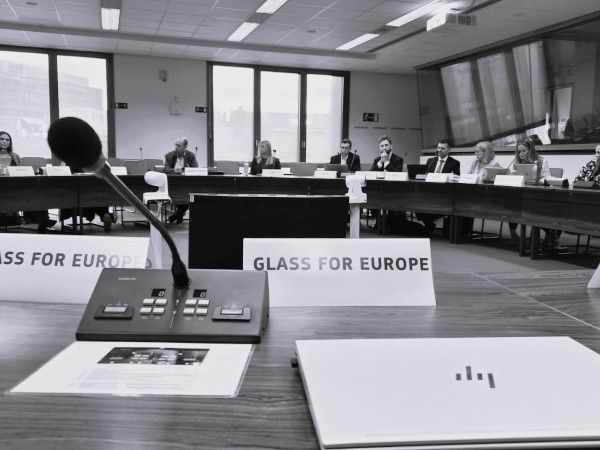
On 8 September 2026, Glass for Europe took part in a roundtable on energy organised by the European Commission’s DG ENER.
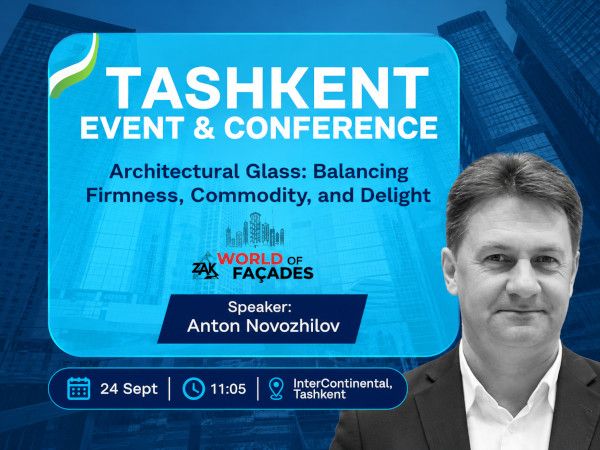
Kuraray will take part in the 228th edition of Zak World of Façades, taking place at the InterContinental Tashkent on September 24, 2026.
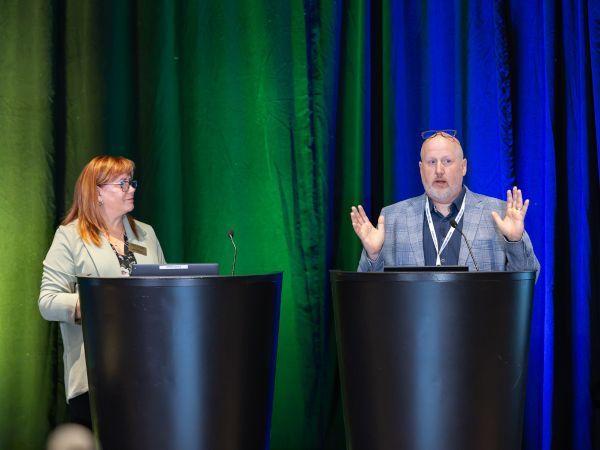
ECCC's Jamie Hulan outlined upcoming ENERGY STAR Canada changes and market transformation strategy at the FGIA Fall Conference.
Articles
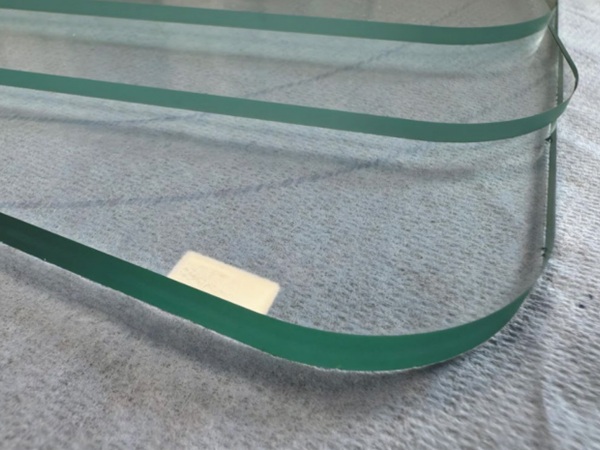
Laser technology is rapidly reshaping the future of glass processing, offering a level of precision and innovation that traditional methods can’t match.
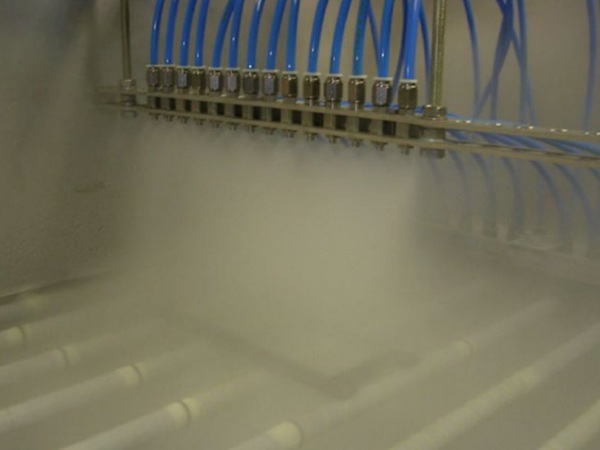
This paper explores practical solutions to reduce the high energy consumption of air jet quenching in glass tempering, highlighting existing technologies and opportunities for more efficient and sustainable processing.
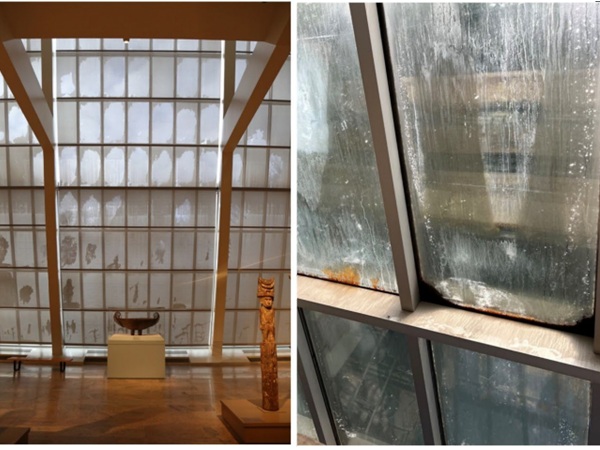
Designing glazing for museum daylighting requires balancing art conservation, structural performance, and aesthetics—challenges explored through two sensitive glazing replacement case studies at the Metropolitan Museum of Art in New York.
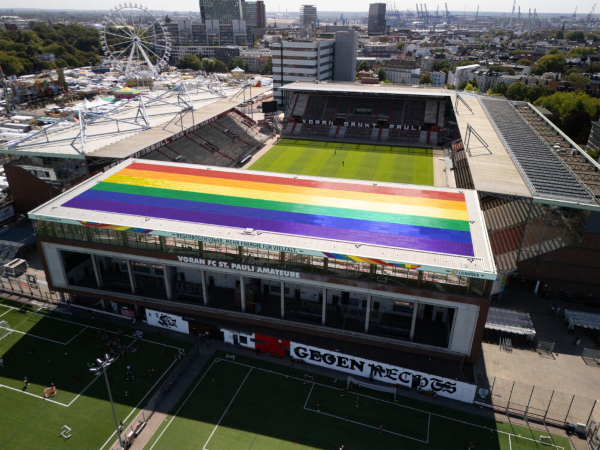
Highly efficient building-integrated photovoltaics are entering a new phase, combining strong performance with expanded colour and design freedom.

Reducing energy consumption in glass tempering is no longer optional — and new cooling innovations are making it achievable.
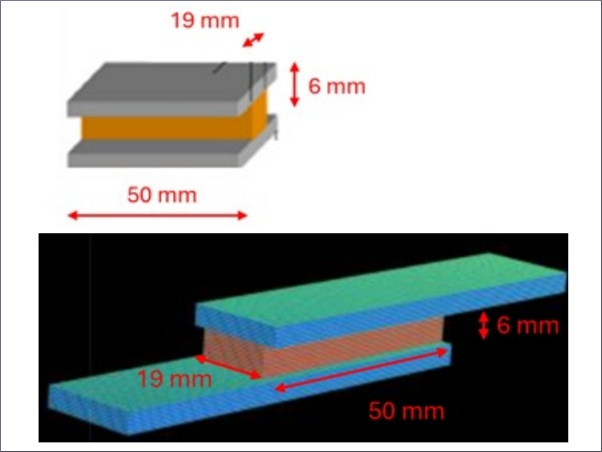
A new study explores how smarter structural design and adhesive optimization in glass-metal façades can significantly cut embodied carbon while maintaining performance and integrity.
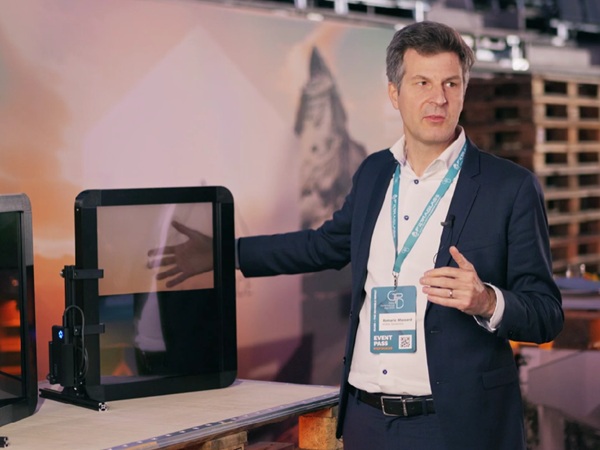
At Step Change 2025, in connection with Glass Performance Days 2025, eLstar Dynamics wowed us with their smart glass tech that dynamically shifts from ultra-dark (0.1% transparency!) to crystal clear (up to 70%).
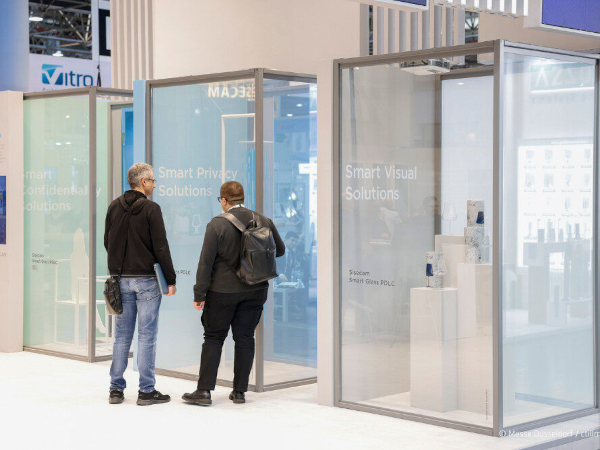
Be it for more privacy at the office, discretion during conferences or an aesthetic styling element in architecture – switchable glass transforms transparent surfaces into opaque walls at the touch of a button.
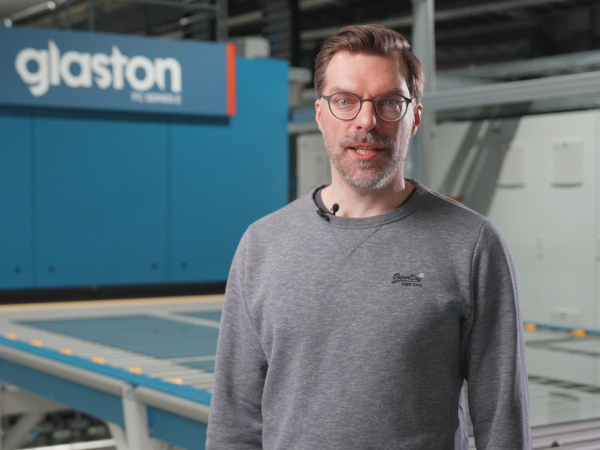
In this eighth episode, we delve into optimizing energy efficiency in Low-E production.

Mikko Rantala on Glastory: Glass tempering is an energy-hungry process, and not just because of the heat.
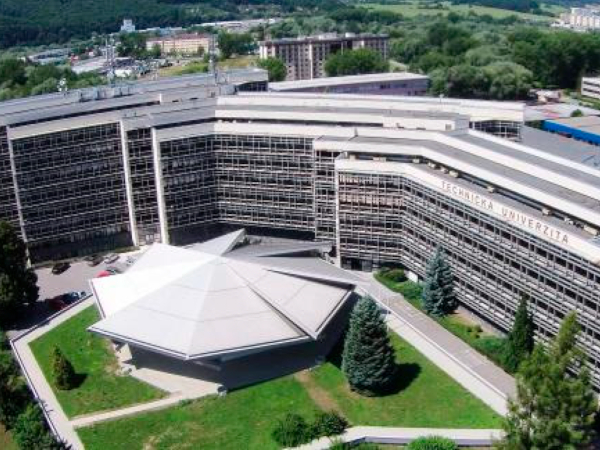
Renovating energy-inefficient buildings is vital to meeting the EU’s climate goals, and new research from Slovakia highlights how material choices can make or break a project’s environmental impact.
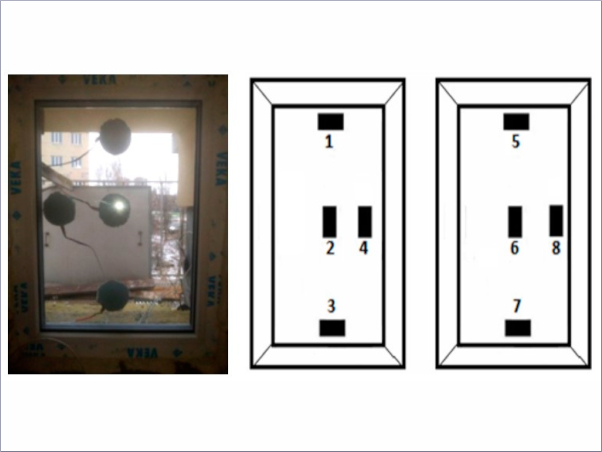
This paper presents experimental and theoretical studies of heat transfer through single- and double-glazed windows with electrical heating of the internal surfaces.