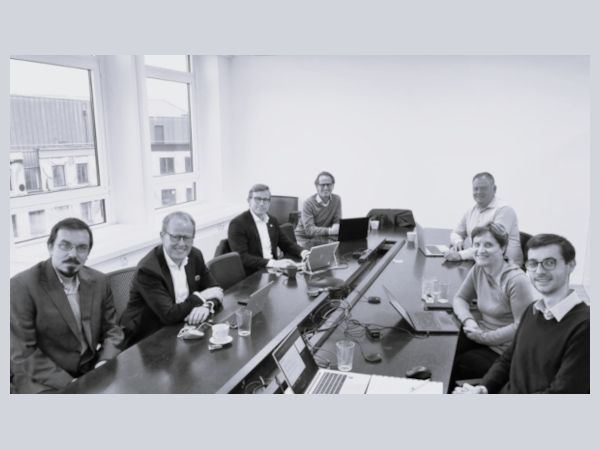
Date: 30 October 2025
The meeting was structured in two parts: the first, a workshop dedicated to the implementation of the Energy Performance of Buildings Directive (EPBD), while the second addressed other regulatory challenges and upcoming policy initiatives relevant to the glass and glazing sector.
As part of the revised EPBD, the European Commission was tasked with updating the methodology used to calculate the energy performance of buildings. The recast Article 4 specifically called for “guidance for the calculation of the energy performance of transparent building elements that form part of the building envelope and the consideration of ambient energy.” This guidance was published on 30 June.
With Member States required to transpose the new EPBD by May 2026, Glass for Europe took the opportunity to engage with the NPG on how this guidance could be leveraged to enhance the assessment of glazing performance and ensure it is appropriately reflected in national regulations.
The new guidance encourages Member States to define minimum performance requirements for transparent building elements based on their U-value (thermal transmittance) and g-value (solar factor), the latter reflecting the level of solar heat gain through glazing. During the meeting, National Partners exchanged insights on how to ensure these recommendations translate into concrete regulatory updates in their respective countries. They also discussed how the use of this guidance could support better management of overheating risks and enhance summer thermal comfort in buildings, two increasingly critical aspects in the context of Europe’s changing climate and energy efficiency goals.
During the second part of the meeting, the National Partners Group (NPG) received updates on two key legislative files: the Construction Products Regulation (CPR) and the Packaging and Packaging Waste Regulation (PPWR). Members discussed the potential impacts of these regulations on the glass and glazing sector, as well as the upcoming compliance requirements that manufacturers and processors will need to prepare for.
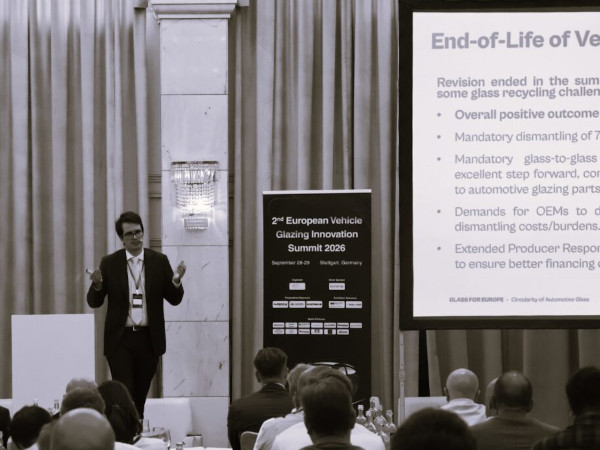
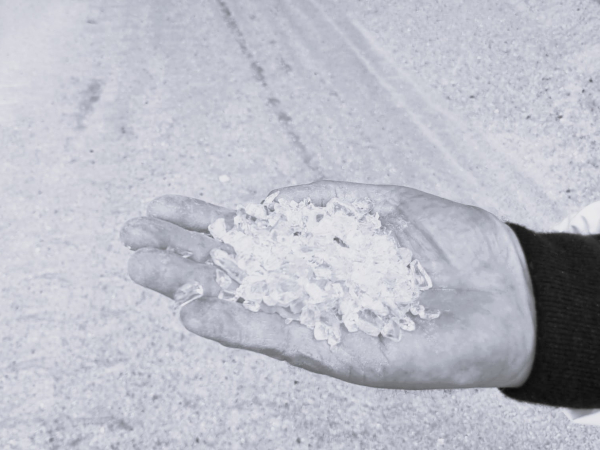
The conversation also turned to the topic of circularity, a growing priority across the European flat glass value chain. Participants exchanged experiences and best practices related to the collection and recycling of glass, particularly the recovery of cullet (recycled glass). Examples were shared of effective measures already in place, such as the Extended Producer Responsibility (EPR) schemes operating in France and the Netherlands, which aim to increase the volume of post-consumer glass collected and reintegrated into production.
 600450






Add new comment