
Others also read
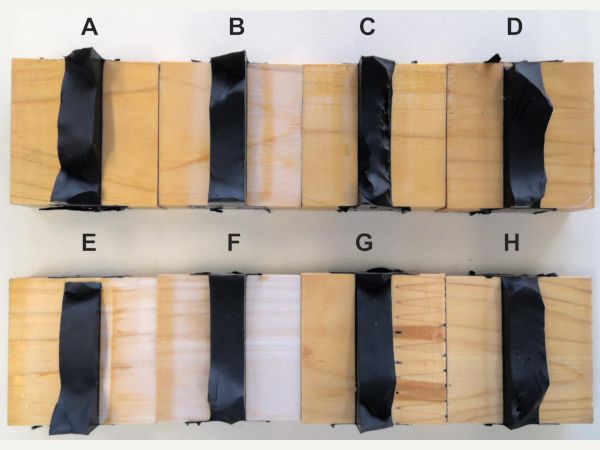
| Can timber sash systems replace aluminium? New research tests structural silicone glazing durability to find out.
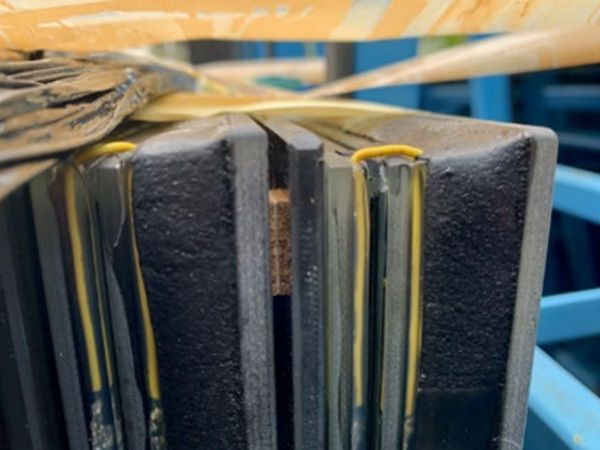
| Ultra-thin glass is opening new possibilities for high-performance insulating glass units, delivering improved energy efficiency, comfort, safety, and reduced weight for next-generation glazing solutions.
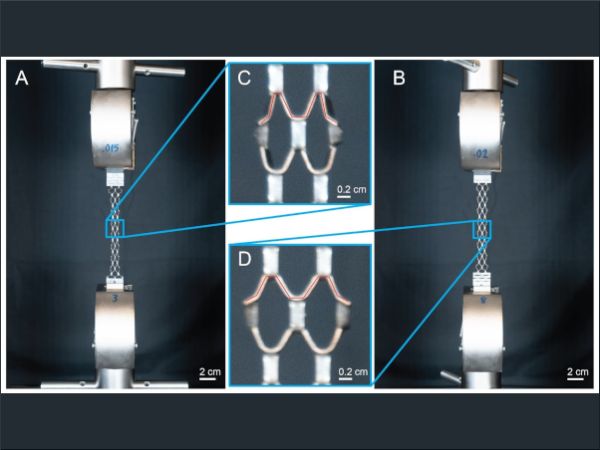
| Exploring a new approach to glass masonry, researchers demonstrate how metal kirigami interlayers can reduce weight, lower embodied carbon, and improve the performance of dry-assembled glass structures.
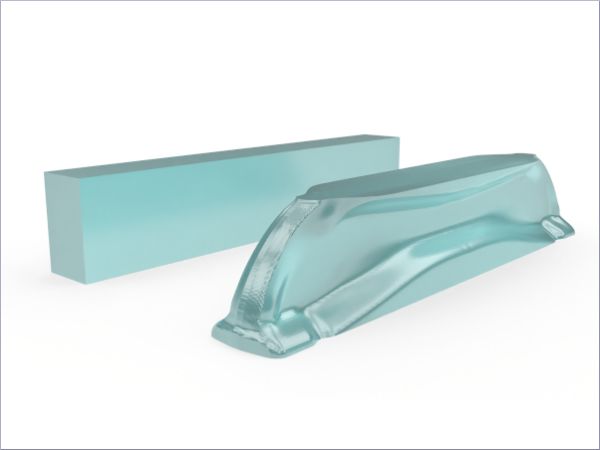
| Topology optimization could unlock the architectural potential of cast glass by reducing material usage by up to 38%, making larger and more efficient structural glass components economically viable.
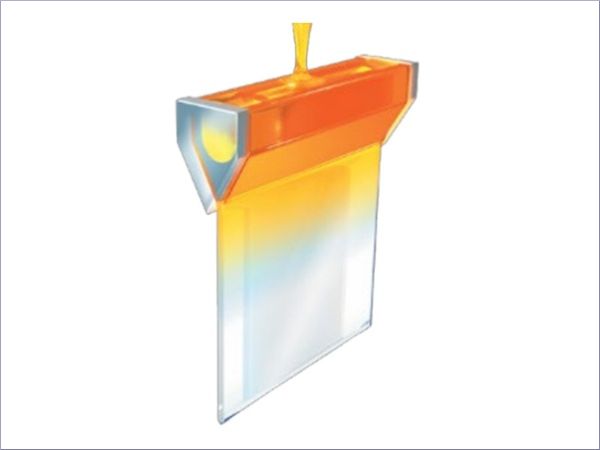
| A new generation of boro-aluminosilicate glass is opening new possibilities for architecture, combining lightweight design with exceptional strength, durability, and sustainability.
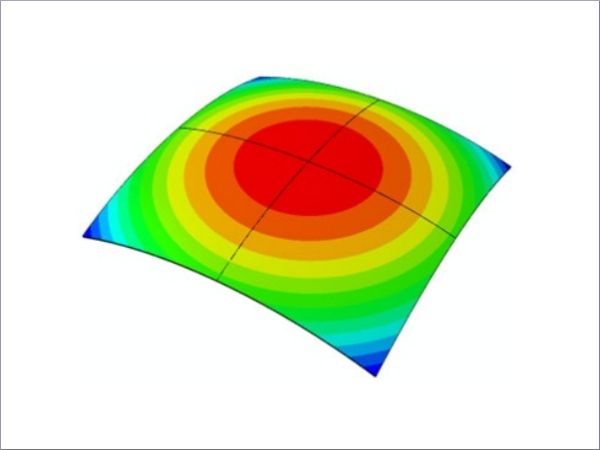
| Discover how Vacuum Insulated Glazing (VIG) is shaping the future of sustainable construction, combining outstanding thermal performance with innovative design solutions for residential, commercial, and heritage buildings.

| Ultra-thin center glass is redefining what’s possible for insulating glass units—delivering lighter, thinner, and more energy-efficient glazing solutions for modern buildings.
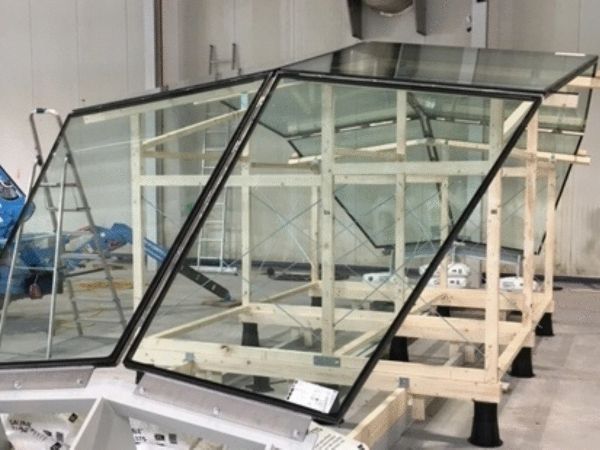
| This research explores how load-bearing glass can move beyond infill applications through an innovative linear metal edge fitting integrated into insulated glazing units.
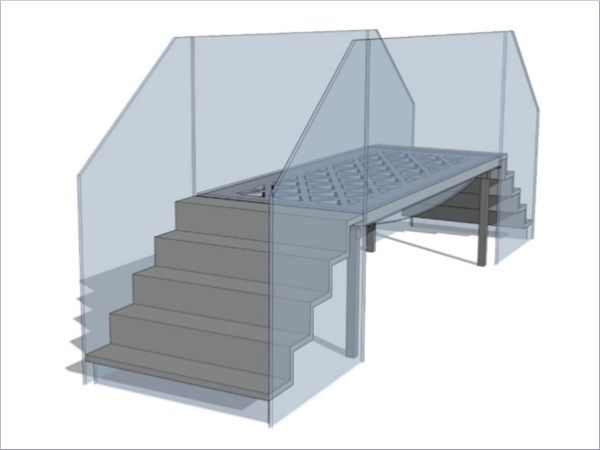
| This article presents how the pioneering G2C (Glass-to-Concrete) project is redefining construction by successfully integrating bonded glass and concrete into a full-scale pedestrian bridge demonstrator.
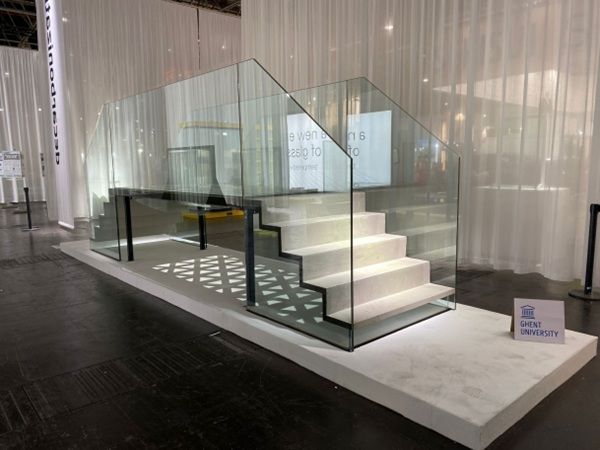
| This study demonstrates how fibre-reinforced and ultra-high-performance concretes enable structurally bonded glass-to-concrete systems, opening new possibilities for efficient, sustainable, and visually striking hybrid structures.
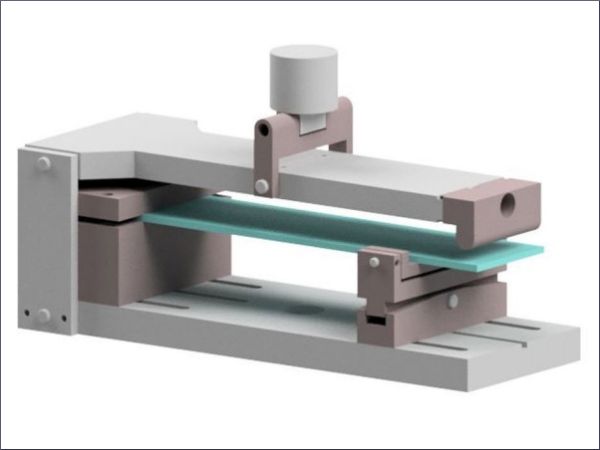
| This study explores how fibre optic sensors can accurately measure strain and temperature in laminated glass systems, revealing how adhesives, temperature, and load conditions influence the mechanical behaviour of PVB and embedded sensors.
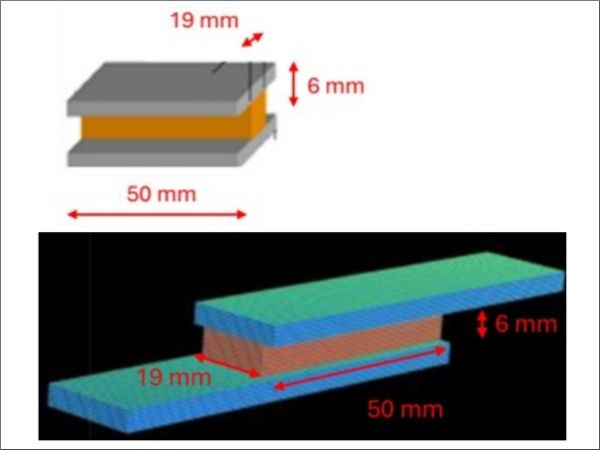
| A new study explores how smarter structural design and adhesive optimization in glass-metal façades can significantly cut embodied carbon while maintaining performance and integrity.
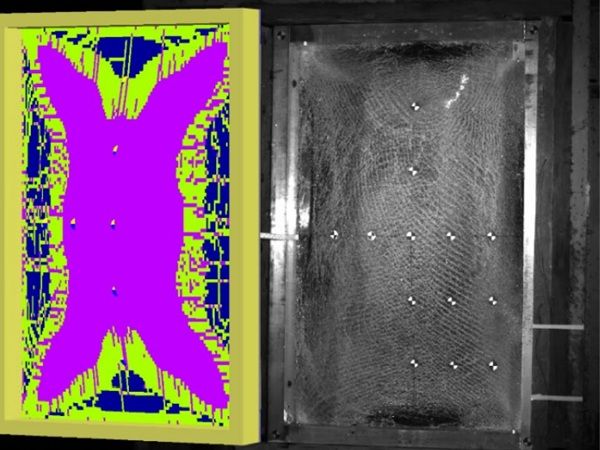
| Understanding how glazing systems behave under blast conditions is essential for designing safer, more resilient façades.
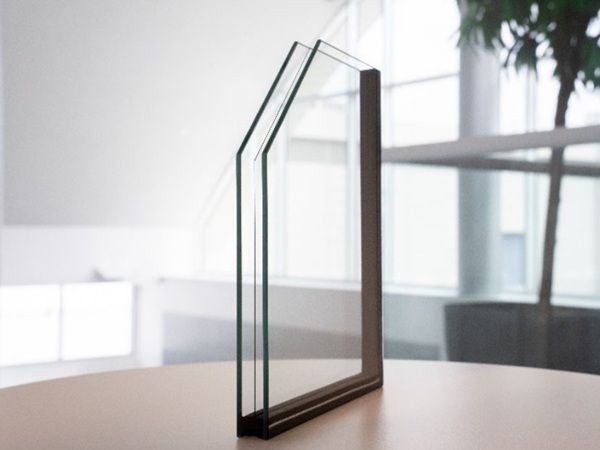
| A new paper explores the complete process and equipment innovations enabling the handling, cutting, and manufacturing of ultra-thin boro-aluminosilicate glass for architectural applications.
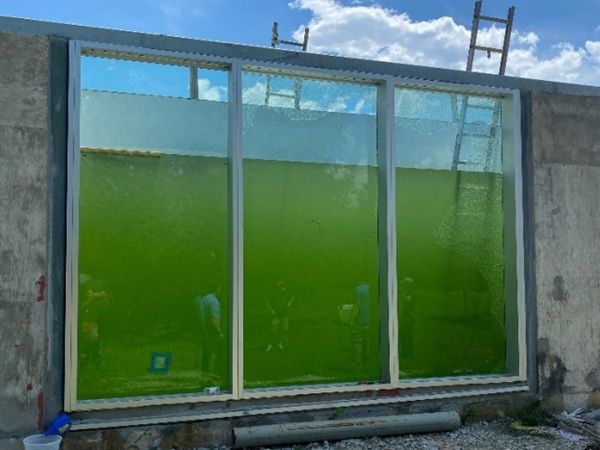
| ASTM has introduced a new standard, ASTM E3401, to guide the safe use of laminated glass in swimming pools, aquariums, and other applications subject to hydrostatic loads.

| By Errol Bull, P.E., CSI, an Application Development Leader at Momentive Performance Materials Inc. Member: IIBEC, ASTM C24, ISO TC59/SC8

| Dive into the blog to learn how cutting-edge solutions are making ultra-thin glass production possible—and scalable.
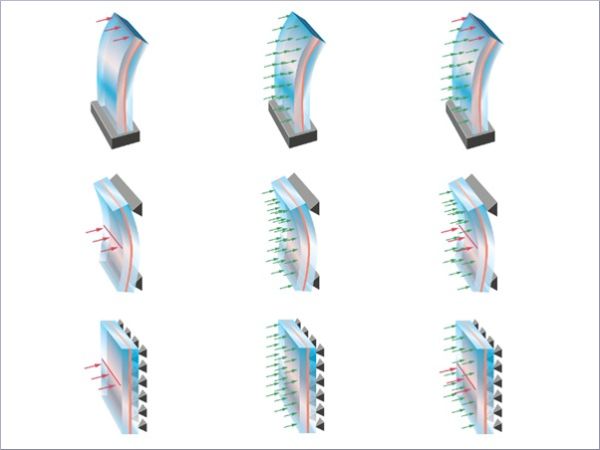
| A new AI-powered tool is set to transform the structural design and analysis of glass facades.
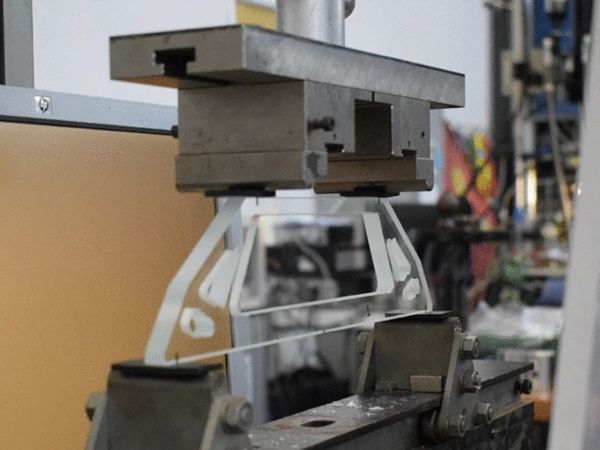
| This research proposes a suite of TO algorithmic frameworks that design specifically for structural glass.
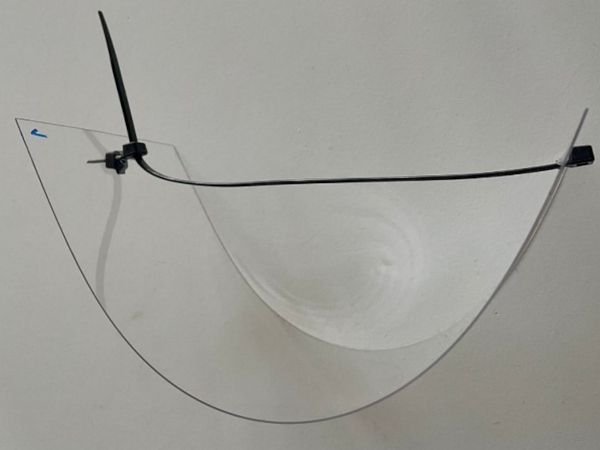
| This paper addresses the constraints of thin glass in construction and explores optimal bending techniques to maximize its potential through a detailed study of its properties.
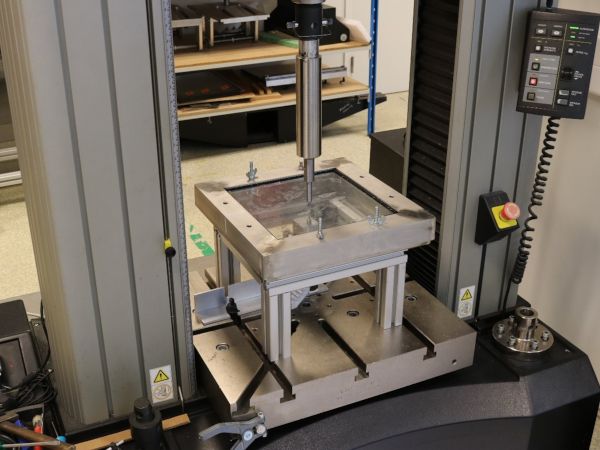
| This study examines prestressed glass specimens that are 0.5mm, 1.1mm, and 2.1mm thick in comparison to glass of the same thicknesses that have not been enhanced by the novel stiffening method.
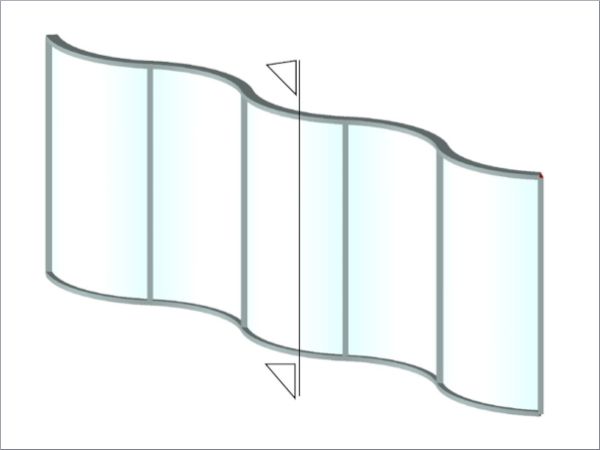
| This paper is a discussion about concepts to minimize the glass thickness as much as possible for a usage of thin glass for insulated glass.
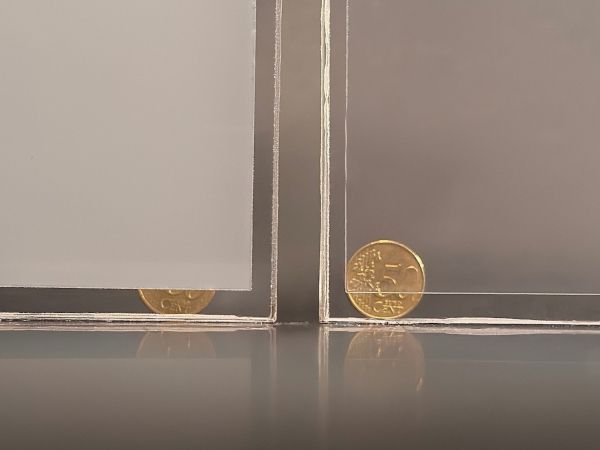
| This paper presents an overview of the initial stages of developing a switchable laminated safety glass made of thin glass, polycarbonate, and polyurethane interlayers.
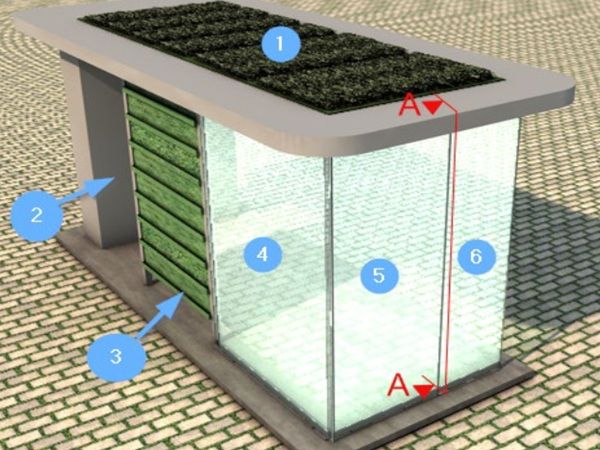
| Understanding the structural behavior of glass under combined static and dynamic loads is crucial for safety and stability.
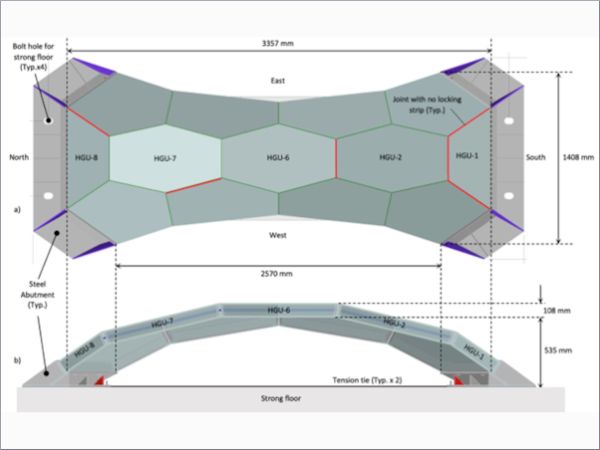
| This research is related to the structural performance of a shell-type system made of hollow glass units (HGU) that utilizes glass as the primary structural material.