By Errol Bull, P.E., CSI, Application Development Leader at Momentive Performance Materials Inc. Member: IIBEC, ASTM C24, ISO TC59/SC8
Historically, data centers have been viewed as sprawling, single-story concrete bunkers situated on inexpensive rural land where community pushback was minimal. Today’s landscape has shifted that view, as the need for ultra-low latency and proximity to end users has driven infrastructure directly into metropolitan areas, where up to 97% of these facilities are now developed.
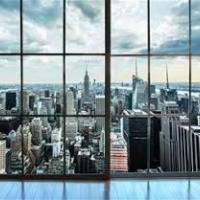
However, developing in high-density urban areas brings with it a very different set of challenges. Because urban land is expensive and scarce, developers are forced to build up instead of out. In doing so, architects and enclosure engineers encounter a major challenge: planning authorities and zoning boards consistently reject monolithic, windowless concrete structures. Instead, they require polished, glass-fronted architecture that blends in with existing commercial streetscapes and city skylines.
Developers, commercial glazing contractors, and curtain wall fabricators face a critical challenge when swapping opaque, reinforced concrete for traditional window systems. Doing so can compromise physical security, drive up solar heat gain, inflate HVAC loads, and degrade a facility's Power Usage Effectiveness (PUE) ratings.
One of the key ways to meet design approval and ensure mission-critical uptime, is working with structural silicone glazing (SSG) sealants. SSG sealant structurally bonds glass directly to the building envelope's frame, so developers can help satisfy local aesthetic rules without compromising strict thermal efficiency, physical security, and airtightness.
Meeting Design Approval
In urban centers, planning committees expect new multi-story vertical builds to visually complement the surrounding architecture. This aesthetic demand typically means continuous curtain walling and the strategic use of daylighting. While the critical server halls remain heavily isolated from direct solar exposure, expansive glass is utilized across administrative offices, perimeter circulation zones, and technical workstations. This creates a productive, well-lit environment for staff without threatening the secure operational spaces.
Traditional glazing systems come with structural, aesthetic, and practical drawbacks. Conventional systems use bulky metal caps, exterior pressure plates, and exposed fasteners to secure each pane of glass. These external components interrupt sightlines, accumulate dirt and debris, and break the clean, flush appearance that city planners prefer.
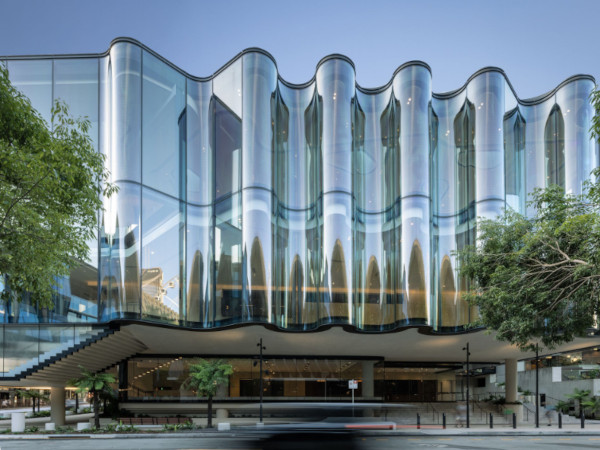
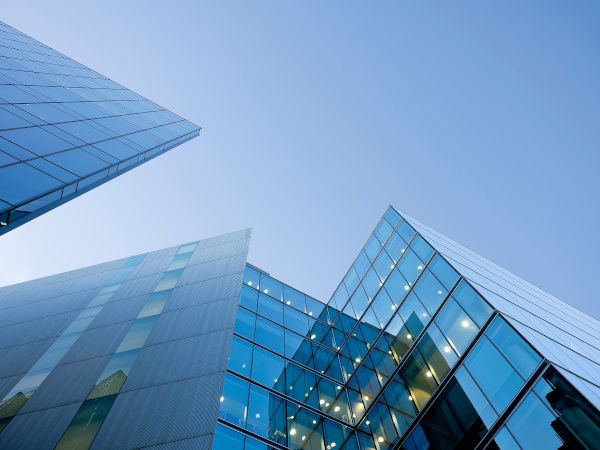
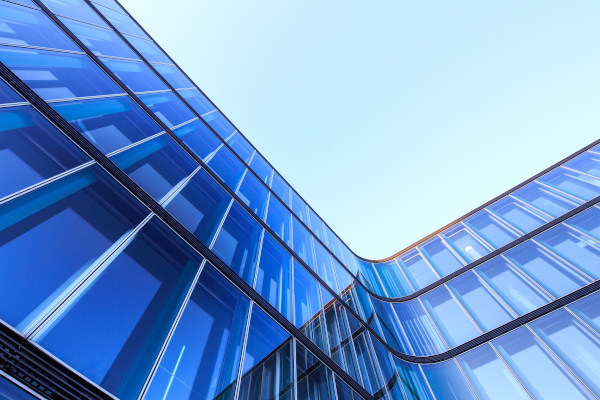
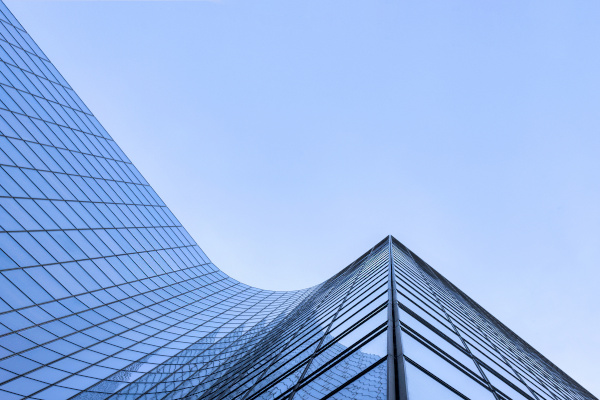
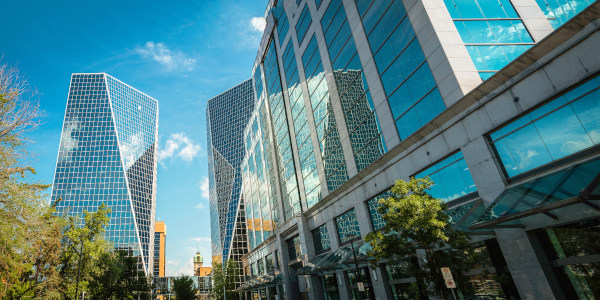
SSG sealants solve this by removing the need for external mechanical retainers, enabling continuous, sheer glass curtain walls. Because the glass is structurally bonded to the aluminum subframe, it creates a flush exterior. This seamless integration allows architects to design data centers that blend in with metropolitan environments, maximizing computing density on compact footprints while presenting an attractive facade that protects the mission-critical servers inside.
Why 30 PSI Load Transfer Is Key
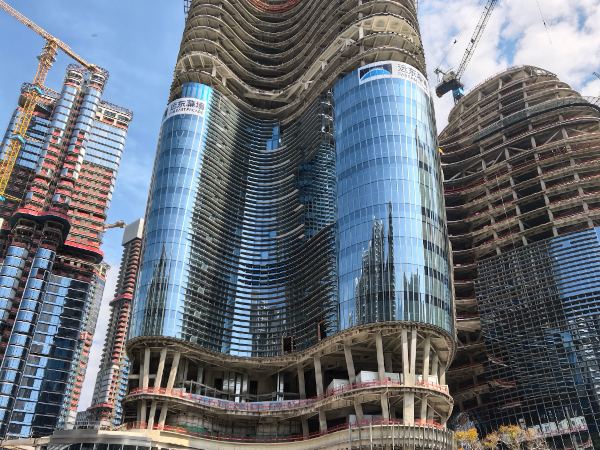
Wrapping a data center facility in glass introduces environmental and structural risks. Glass is inherently rigid, while the building's frame will naturally deflect and shift under dynamic environmental loads. Historically, high-load SSG sealants were engineered for supertall skyscrapers to help them endure severe thermal cycling, seismic drift, and high-altitude wind shear. Today, that exact structural capability is essential for urban data centers.
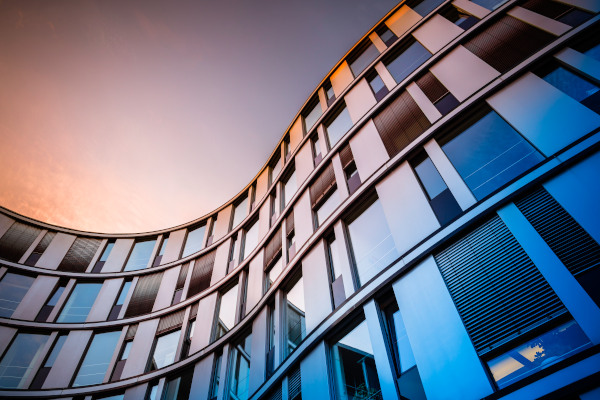
High-performance silicone sealants capable of delivering up to 30 psi tensile design strength (a capability pioneered by Momentive for supertall structures) allow facade engineers to specify much heavier multi-laminate security, acoustic, and thermal glass. These robust, thick glass units are needed to insulate server rooms and dampen urban noise pollution, while preserving slim sightlines and ultra-narrow joint dimensions.
High-strength SSG sealants replace the rigid mechanical fasteners that traditionally concentrate stress at the glass edges. Instead, the continuous elastomeric bond transfers building movement, thermal expansion, seismic shocks, and wind loads directly into the structural subframe. This bond functions as a built-in shock absorber, helping ensure the facade can withstand extreme weather events without seal rupture or glass fracture, delivering the refined aesthetic planners demand alongside the watertight, airtight reliability operators require.
Safeguarding Server Hall RH and Preserving PUE
A data center's humidity and cooling strategy is only as strong as the enclosure housing it. Protecting that building starts with looking closely at the molecular chemistry of the materials involved.
Organic weather barriers and sealants, such as acrylics and polyurethanes, are built on carbon-to-carbon (C-C) polymer backbones. Over time, exposure to solar UV radiation breaks these bonds apart, causing organic materials to shrink, harden, become brittle, and crack. 00% inorganic silicone is constructed with alternating silicon-oxygen (Si-O-Si) bonds—the exact same molecular structure found in glass and quartz. Because the energy of this bond exceeds the energy delivered by natural UV light, silicone inherently resists UV degradation, weathering, and thermal shock.
This chemical resilience isn’t just theory. It’s proven. In a benchmark 40-year outdoor weathering study measuring hardness, resilience, flexibility, and adhesion, silicone sealants consistently outperformed acrylic and polyurethane alternatives. The silicone maintained its structural integrity and flexibility without cracking or chalking over four decades.
For high-density computing environments, maintaining an enduring, airtight structural seal is essential. SSG sealants prevent uncontrolled air infiltration and thermal bridging across the glazed envelope. By forming a continuous, permanent weather seal, these advanced silicones prevent unconditioned ambient moisture and outside air from entering the facility. This assists HVAC systems in preventing condensation on sensitive hardware, reduces the load on cooling plants, and helps safeguard the tight relative humidity (RH) thresholds required inside server halls, protecting the facility's PUE ratings for decades of continuous operation.
Accelerating Speed-to-Market Through Factory Unitization
Beyond thermal and structural resilience, the global race for AI processing and cloud capacity demands constructors meet tight construction schedules. Conventional stick-built glazing—where components are assembled and sealed on site—is a slow, labor-intensive process that is vulnerable to delays from low temperatures, rain, and high humidity.
Modern, fast-cure SSG sealants help reduce these build times. High-performance one-part and two-part silicone formulations feature rapid cure times and adjustable work patterns tailored specifically for off-site factory unitization. By shifting the critical bonding and sealing processes to a climate-controlled indoor facility, glazing contractors can eliminate weather delays.
Modern SSG sealants achieve primerless adhesion rates of up to 96% across difficult substrates, including ceramic frits, fluoropolymer coatings, and anodized aluminum. This allows curtain wall panels to be fully assembled, structurally bonded, and cured off-site. Once cured, completed unitized panels are shipped directly to the job site for rapid installation. For glazing contractors, this off-site assembly removes the need for extensive on-site scaffolding, reduces labor risks, and significantly accelerates delivery schedules to meet aggressive project deadlines.

Conclusion
As data centers scale vertically within metropolitan environments, the building envelope must be a core consideration. Local planning authorities will continue to mandate glass-fronted architecture that fits seamlessly into the city skyline, while facility operators will always require uncompromising physical security, environmental isolation, and thermal stability.
By specifying high-performance, 100% silicone structural glazing systems, developers avoid having to compromise between the building’s architecture and technical performance. SSG enables urban data centers to satisfy municipal planning codes while establishing a resilient, energy-efficient enclosure built to support and protect the next generation of computing infrastructure.
About Errol Bull
Errol Bull, P.E., CSI, is an Application Development Leader at Momentive Performance Materials Inc. Member: IIBEC, ASTM C24, ISO TC59/SC8.
With over 25 years of global experience in construction sealants, adhesives, and coatings, Errol is an expert in structural glazing and sealant performance. He holds a Bachelor of Science in Architectural Engineering and a Master of Science in Civil Engineering.

About Momentive
In 2006, Momentive Performance Materials became the global licensee of GE-branded silicone sealants and coatings, continuing the tradition of turning advanced silicone technology into practical construction solutions. Today, Momentive continues to deliver silicone products trusted worldwide for building envelope applications, including roof coatings, air and water barriers, architectural coatings, weather sealing, structural glazing, and insulating glass.
Create ambitious buildings with stunning designs, made to withstand the most challenging climates, temperatures and conditions - with UltraGlaze™ Structural Glazing Sealants. The UltraGlaze SSG product family includes one- and two-part 100% silicone-based structural sealants and adhesives, ideal for monumental curtainwalls, window walls and glass façades.
We bring deep knowledge and experience from our roles in pioneering structures such as the Shanghai World Financial Center, Chicago Art Institute, China Central Television Headquarters, Willis Tower, and Revolution Tower.
No matter how complex or ambitious, turn your vision into reality with UltraGlaze™ glazing solutions.
For more information, visit: https://siliconesforbuilding.com/