
Others also read
| Understanding how glazing systems behave under blast conditions is essential for designing safer, more resilient façades.

| Latest on Glastory by Robert Jenks: Improving your performance for a lifetime - Smart strategies for glass processing line success (Part 2/2)

| As the façade industry advances in sustainable glass coatings, it’s time to look beyond energy performance and focus on human-centered design—exploring how light, spectrum, and transmittance impact our wellbeing.

| Smart glass, simplified. Meet OSSE, Organic Semiconductor Materials for Sustainable Electronics, from the University of Turku.

| In Part 1 of the new Glastory blog series, the article explores how production uptime becomes a competitive advantage and which strategies help keep operations smooth and businesses strong.
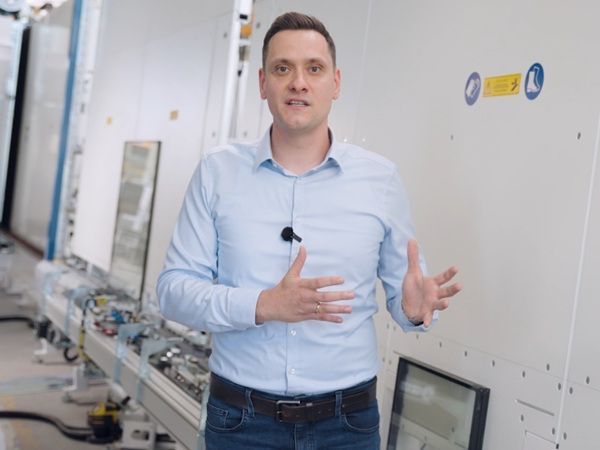
| In this seventh episode, we’re exploring how dynamic mixing enhances sealing quality and speed.
| A new paper explores the complete process and equipment innovations enabling the handling, cutting, and manufacturing of ultra-thin boro-aluminosilicate glass for architectural applications.
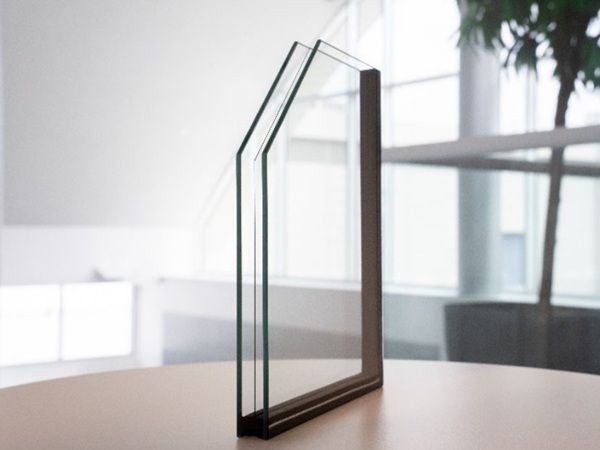
| Advances in architectural design and energy-efficient construction are reshaping expectations for modern glazing solutions.

| At Step Change 2025, ReViSalt demonstrated how its innovations are reshaping the future of glass strengthening.
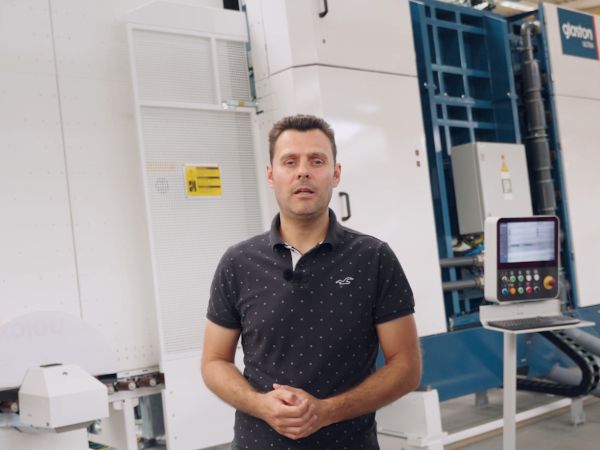
| In this sixth episode, the focus is on how to assemble and gas-fill IG units synchronously.

| Fresh from Step Change 2025, Lithium Designers GmbH, the Frankfurt-based innovators transforming façade planning through parametric design and 3D-printed nodes, shared their insights on how technology is reshaping the future of architectural design.

| The path to low-carbon, high-performance facades depends on mastering the long-term thermal behavior and lifecycle performance of Insulating Glass Units (IGUs).

| At Step Change 2025, in connection with Glass Performance Days 2025, eLstar Dynamics wowed us with their smart glass tech that dynamically shifts from ultra-dark (0.1% transparency!) to crystal clear (up to 70%).
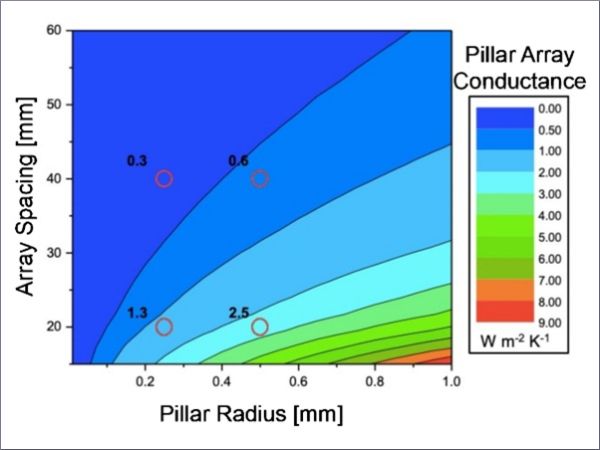
| A new study explores how the size, shape, and material of tiny support pillars in Vacuum Insulated Glass (VIG) impact both its thermal efficiency and mechanical strength — offering analytical tools to optimize VIG design for better performance.
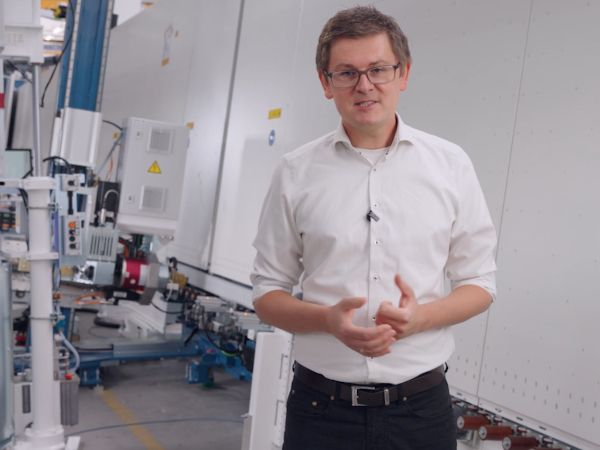
| In this fifth episode, the focus is on how the new TPS® PRO Applicator achieves up to 15% higher yield.
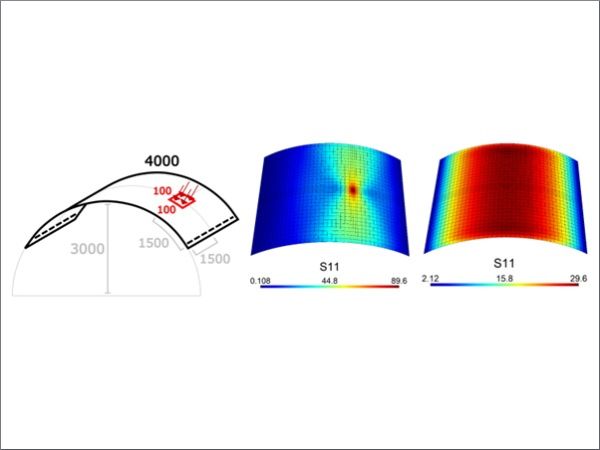
| A new advanced FEM model has been developed to accurately simulate the nonlinear behavior of Insulating Glass Units (IGUs), including curved configurations, offering higher precision and faster computation compared to commercial software.
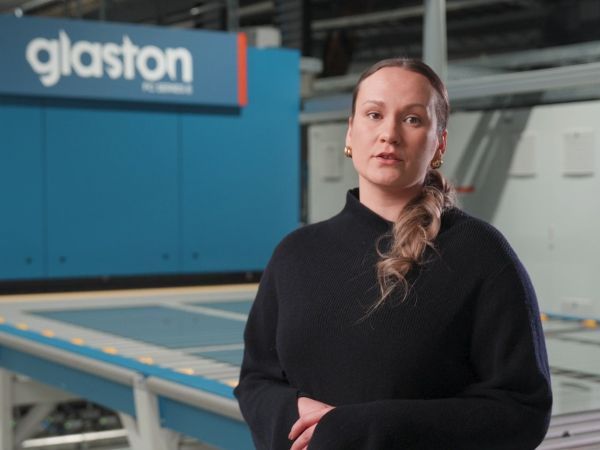
| In this ninth episode of #AskGlaston flat tempering series, we explore how to optimize energy efficiency in the case of short loadings.

| In this fourth episode, the focus is on how to clean glass plates efficiently.

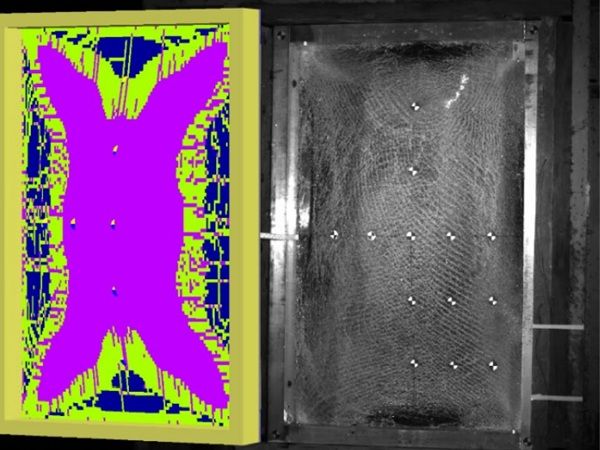
| Viprotron has developed a new technology for the exit of the furnace, that allows the measurement of the distortion of tempered glass with high precision and unparalleled repeatability.
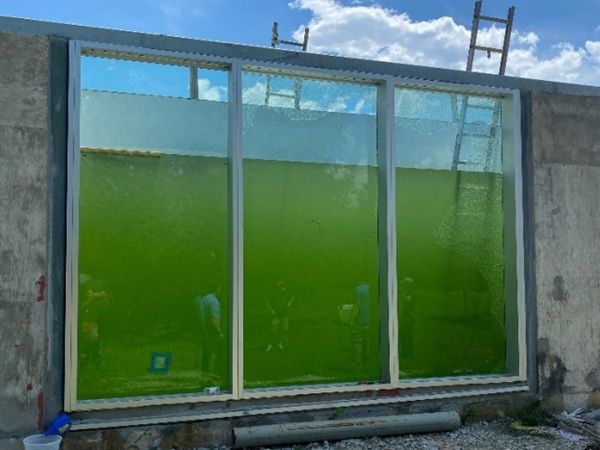
| ASTM has introduced a new standard, ASTM E3401, to guide the safe use of laminated glass in swimming pools, aquariums, and other applications subject to hydrostatic loads.

| In this eighth episode, we delve into optimizing energy efficiency in Low-E production.

| New international standards are reshaping the way modern façade glass is designed, balancing security performance with comfort, safety, and multifunctionality.

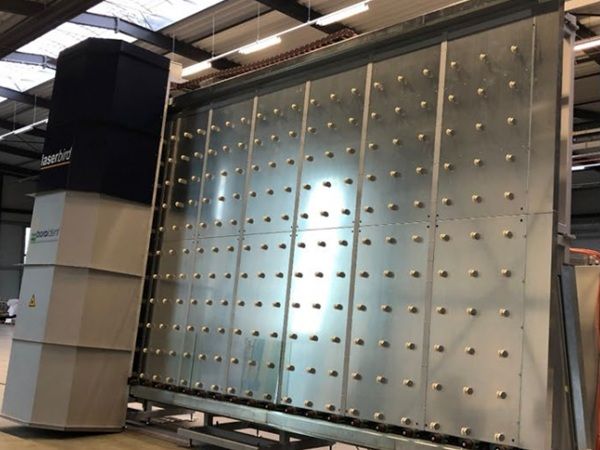
| How do you move glass plates without a single scratch?
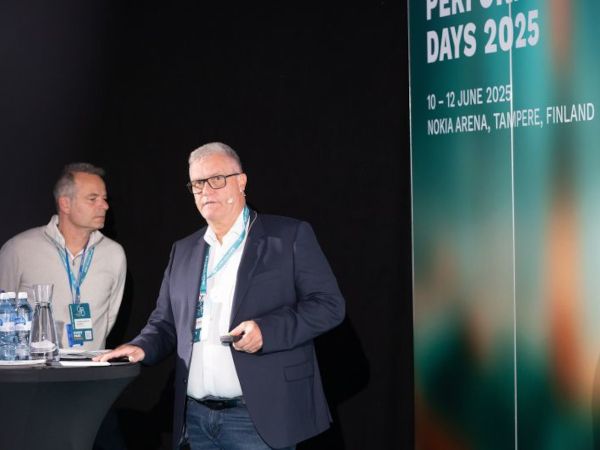
| Discover how TPS® boosts IGU longevity and energy performance in this Glastory blog and download the presentation.
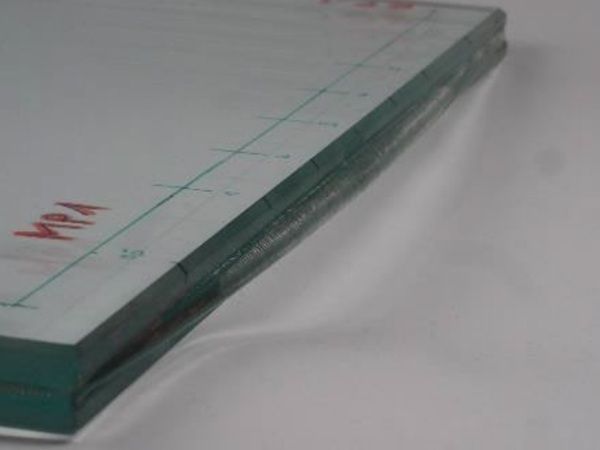
| The growing use of glass in modern architecture has increased the importance of laminated safety glass (LSG), prompting new research into how production processes impact its long-term durability and safety.