
Others also read

| In the seventh episode of the #AskGlaston flat tempering series, the focus is on the Tempering Autopilot.

| Dive into the blog to learn how cutting-edge solutions are making ultra-thin glass production possible—and scalable.

| In this sixth episode of #AskGlaston flat tempering series, we explore how to avoid loading delays in tempering.
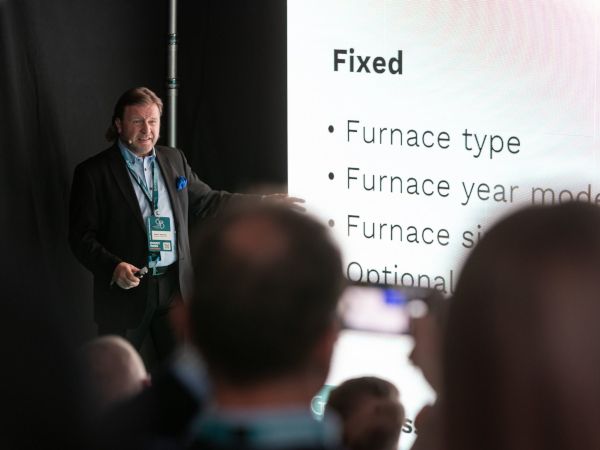
| As labor shortages and efficiency demands grow, automation is transforming glass tempering—starting with AI-driven batch building that boosts productivity, cuts energy use, and maximizes furnace performance.
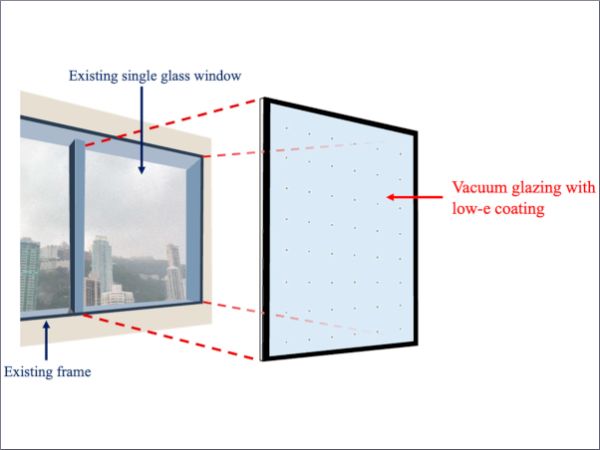
| Retrofitting buildings is key to boosting energy efficiency and climate resilience, especially in dense, subtropical cities like Hong Kong.
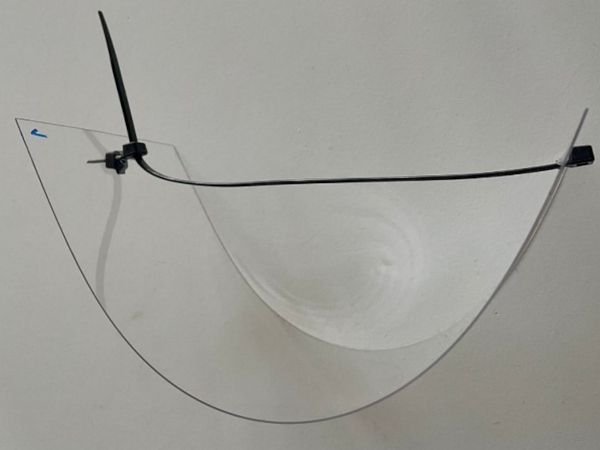
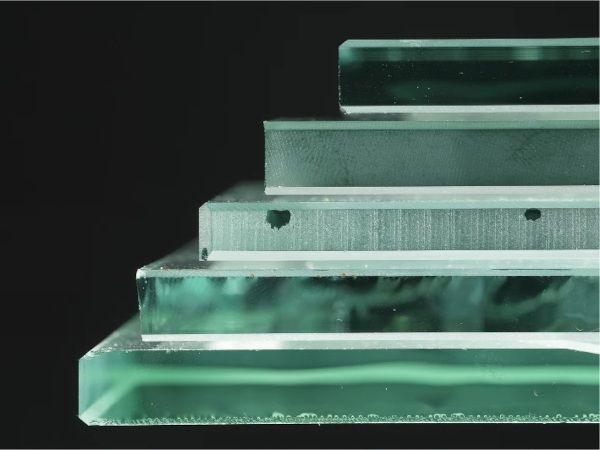
| This paper addresses the constraints of thin glass in construction and explores optimal bending techniques to maximize its potential through a detailed study of its properties.
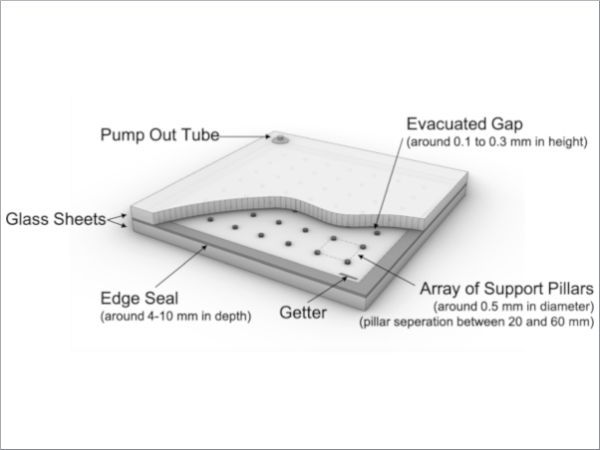
| Vacuum insulating glass (VIG) has demonstrated competitive Ug-values (heat transfer coefficients) which show promise to further reduce energy consumption from buildings.
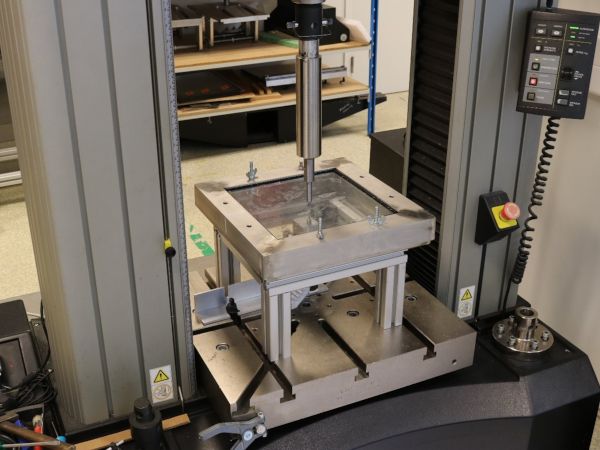
| This study examines prestressed glass specimens that are 0.5mm, 1.1mm, and 2.1mm thick in comparison to glass of the same thicknesses that have not been enhanced by the novel stiffening method.
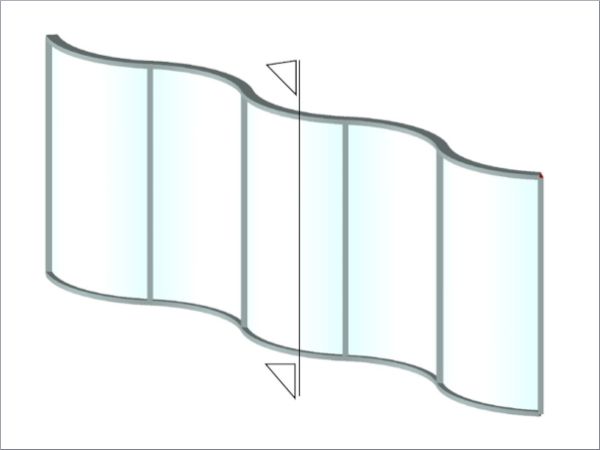
| This paper is a discussion about concepts to minimize the glass thickness as much as possible for a usage of thin glass for insulated glass.

| This paper presents an overview of the initial stages of developing a switchable laminated safety glass made of thin glass, polycarbonate, and polyurethane interlayers.

| Modern tempering technologies offer impressive energy efficiencies for glass processors. But, have you ever come across energy-saving claims that seem too good to be true?
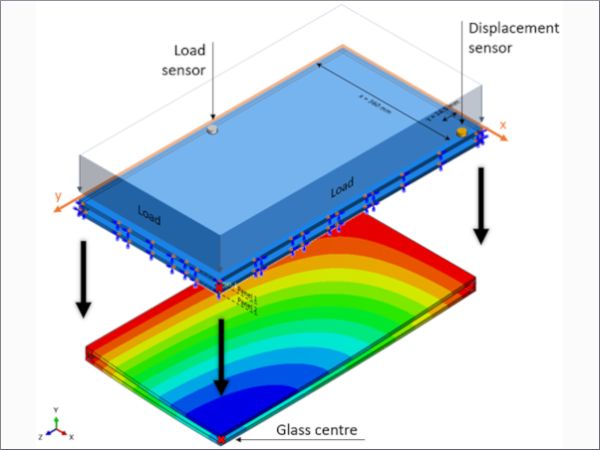
| In this paper, the behaviour of various Insulating Glass Units (IGUs) is examined under the influence of quasi-static uniform wind pressure and weather actions.

| The organic design and seamlessly reflective surface of “The Henderson” establish it as a landmark in Hong Kong. With its all-glass façade and a height of 210 m, the skyscraper designed by Zaha Hadid Architects offers spectacular panoramic views.
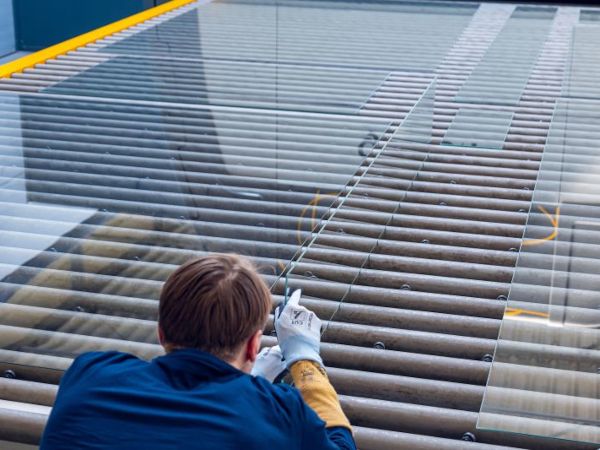
| The latest Glastory blog explores the evolving role of automation in glass processing, highlighting examples of how it is transforming efficiency in the industry.
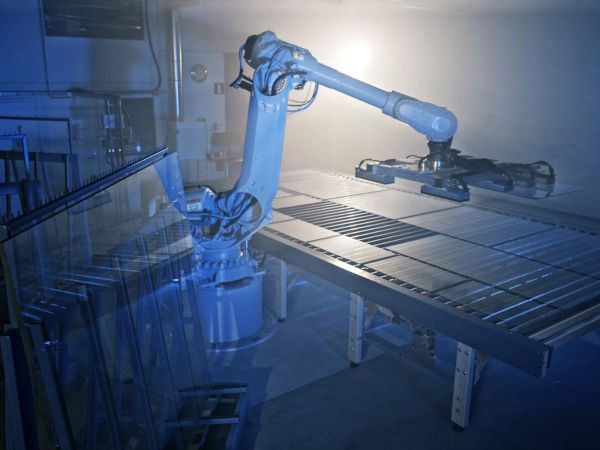
| When finding, training and retaining personnel for routine jobs is a challenge, processing automation offers a game-changing solution.
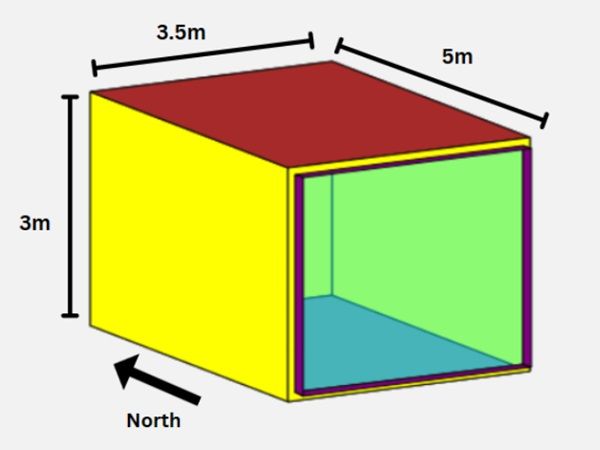
| This paper aims to quantify the savings achieved through the ERM of secondary layer addition to existing glazed facades, for a high WWR office building in cooling and heating dominated climate locations.

| This paper deals with the question of how old insulating glass units can be re manufactured to match the state of the art in terms of the energy efficiency.
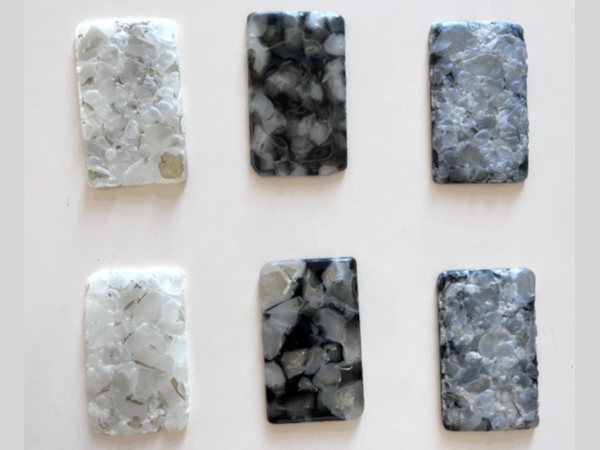
| This research examines the viability of recycling soda lime glass from post-consumer Insulated Glass Units (IGU), mixing various types of architectural glass cullet and fusing them into flat plates by using electric kilns.
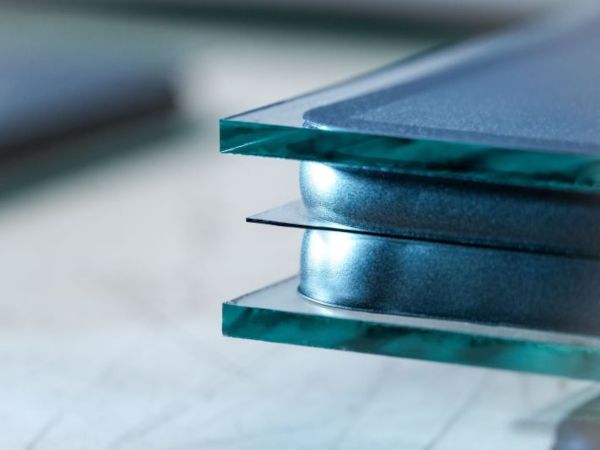
| In this latest Glastory blog, Uwe Risle explains why thin triple IG units are gaining popularity and what the key differences are between thin triple IGUs and other insulating glass types.
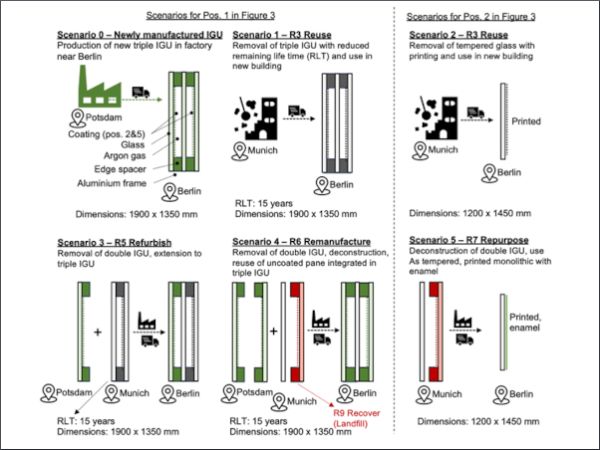
| In order to minimize the environmental impact of glass by preserving the embodied carbon and substituting newly produced glasses, the reuse of glass is considered to be of the highest potential.
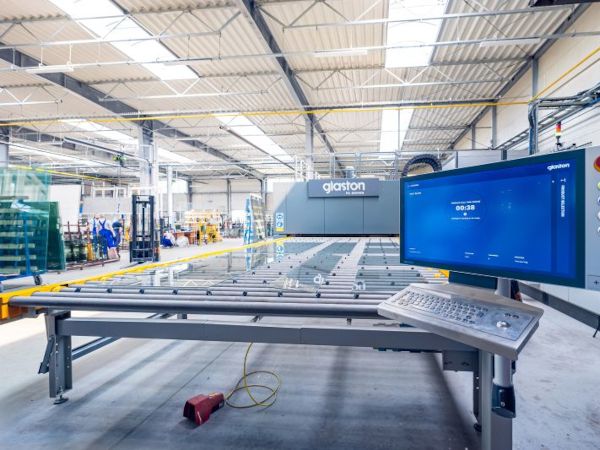
| The latest Glastory blog gives insights on the experiences of the tempering process Autopilot users.
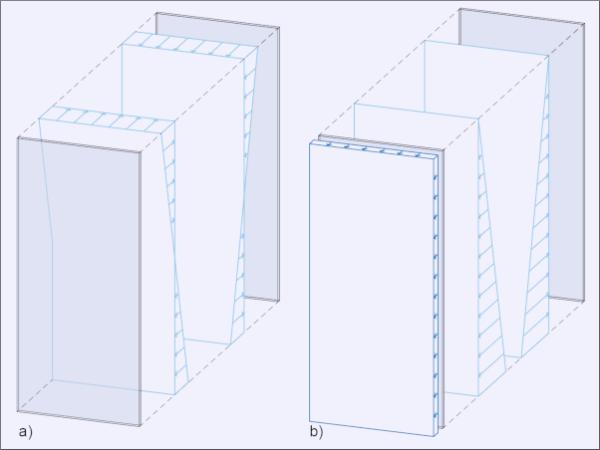
| This paper is concerned with the design of a load-bearing adhesive joint for use in a fluid-filled insulating glass unit.
| In this paper we focus on automotive applications and describe the tests we performed to find the limits of ultrathin glass in handling and within tests simulating stress expected in the field.
| The BAM approach is here validated by means of comparison with numerical results obtained with MEPLA-ISO software.