
This paper was first presented at GPD 2025.
Link to the full GPD 2025 conference book: GPD_2025_ConferenceProceedingsBook.pdf

Author: Benjamin Beer, Werner Sobek Dubai, U.A.E
Abstract
Besides the ongoing optimization of glass coatings for sustainable and green building designs, the façade and glass industry must start focussing more on human needs leading to a more human centric design of glass coatings and glass interlayers. Our modern solar control coatings feature highly selective spectral transmittances to reduce solar heat gain through the glass and consequent reduction of the building’s cooling loads. This spectral selectivity causes that the building’s occupants get a more or less “filtered” light and solar spectrum transmitted through the glass. This transmitted spectrum is, to a large extent, only a fraction of the natural solar spectrum that we would be exposed to outdoors especially for modern triple silver and quad silver low-e solar control coatings referring to the long wave infrared spectrum above 780 nm wavelength. There is currently only limited research how this affects the human wellbeing, opposite to the blue range spectrum around 490 nm wavelength where recent research unveiled the importance for the human circadian rhythm. Besides the traditional visible light transmittance of glass, a new melanopic transmittance (transmission factor) of glass with focus on the wavelength important for the human’s circadian rhythm is discussed. Another focus is given to the glass transmittance in the UV (Ultraviolet) spectrum, specifically focussing on interlayers of laminated glass, noting that recent research had shown that UV light could provide an important contribution to human health and consequent wellbeing.
Article Information
- Published by Glass Performance Days, on behalf of the author(s)
- Published as part of the Glass Performance Days Conference Proceedings, June 2025
- Editors: Jan Belis, Christian Louter & Marko Mökkönen
- This work is licensed under a Creative Commons Attribution 4.0 International (CC BY 4.0) license.
- Copyright © 2025 with the author(s)
1. Introduction
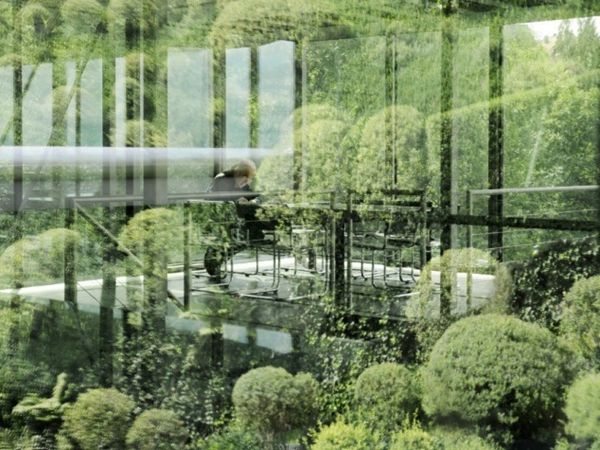
Glass is a magical material and, in the view of the author, the most important building material. Only glass, unlike any other building material, can provide to the building occupants the unique combination of clear vision to the outside while providing protection to the elements (e.g. wind, weather and other external climate conditions). Glass also provides full or partial reflectance, as shown in the below photo (Fig. 1) of the glass façade of the Experimental House R128, a building designed by Werner Sobek that is completely recyclable, produces no emissions and is self-sufficient in terms of heating energy requirement. The photo nicely shows the combination of visual reflectance (exterior greenery) and visual transmittance (interior furniture and person) of the glass.

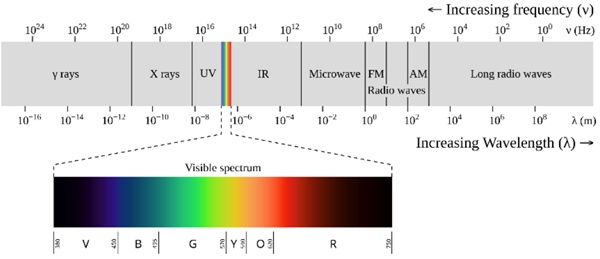
In general, light is an electromagnetic radiation where visible light is the spectral range (380 nm to 780 nm wavelength) perceived by the human eye. Other wavelengths include UV (ultraviolet) and infrared (IR) range (refer to Fout! Verwijzingsbron niet gevonden.). When such a radiation, regardless if within the UV, visible or infrared spectrum, hits a as glass panel, the radiation will be subjected to:
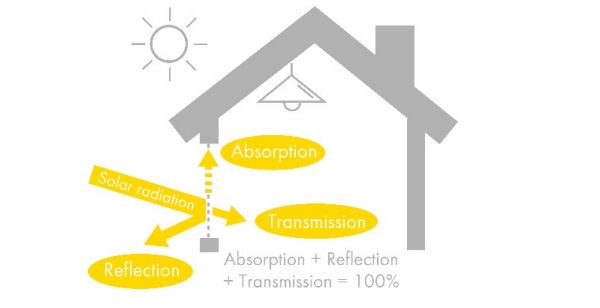
- Transmission (solar radiation passing through)
- Reflection (solar radiation bouncing off)
- Absorption (solar radiation being absorbed and converted to heat)
As energy cannot disappear, the sum of the above three figures is always 100%. Refer to Fig. 2 showing a principle illustration of the solar radiation reaching a building’s glass panel.
2. Human Exposure to Light (Solar Spectrum), Impact on Wellbeing
2.1. Importance of Light for Human Wellbeing
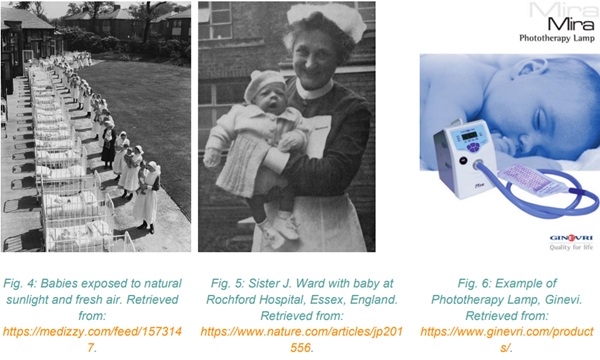
Light, representing electromagnetic radiation at various wavelengths is a major component for the health and wellbeing of human beings. Virtually all major civilizations recognized the importance of light for the human wellbeing. Already in ancient times, the Assyrians, Babylonians and Egyptians have practiced therapeutic sun-bathing. The Greek city of Heliopolis (meaning “City of the Sun”) was renowned for its light rooms and healing temples. In modern times, the medical benefit of human exposure to light was accidentally discovered in the 1950s by Sister J Ward of Rochford Hospital in Essex, England (refer to Fout! Verwijzingsbron niet gevonden. and Fout! Verwijzingsbron niet gevonden.). Sister Ward, an old school nurse, took a premature baby outside into sunlight and when she returned to the unit, the baby was a pale yellow except for a small bright yellow section which had been covered up by the baby’s sheet. This lead to the discovery that babies exposed to light had reduced neonatal jaundice; a yellowish discoloration of the white part of the eyes and skin in a newborn baby due to high bilirubin levels (Grzybowski et al., 2016), (Maisels, 2015). Further medical research discovered that, besides the natural sunlight (heliotherapy), artificial light (phototherapy) of a specific frequency of blue light spectrum (peak at 460nm wavelength) is most efficient for jaundiced babies and is now used in almost every hospital in the world (refer to Fout! Verwijzingsbron niet gevonden.). It is widely acknowledged as one of the major 20th century advances in paediatrics.
Over the decades, the following forms of light therapy were established:
- Heliotherapy (natural sun therapy)
- Phototherapy (artificial light therapy)
- Actinotherapy (treatment using ultraviolet and infrared light)
A lack of sunlight for extended durations, e.g. caused by reduced levels of natural light in fall and winter, can cause various negative effect on the human wellbeing incl. depression and seasonal affective disorder (SAD) due to a stop of a part of the brain called the hypothalamus working properly, affecting the body’s (National Institute of Mental Health, 2025), (National Health Service, 2025):
- Production of melatonin: Melatonin is a hormone that makes humans feel sleepy; in people with SAD, the body may produce it in higher than normal levels.
- Production of serotonin: Serotonin is a hormone that affects human’s mood, appetite and sleep; a lack of sunlight may lead to lower serotonin levels, which is linked to feelings of depression.
- Body's internal clock (circadian rhythm): Human bodies use sunlight to time various important functions, such as when humans wake up, so lower light levels during the winter may disrupt humans body clock and lead to negative symptoms.
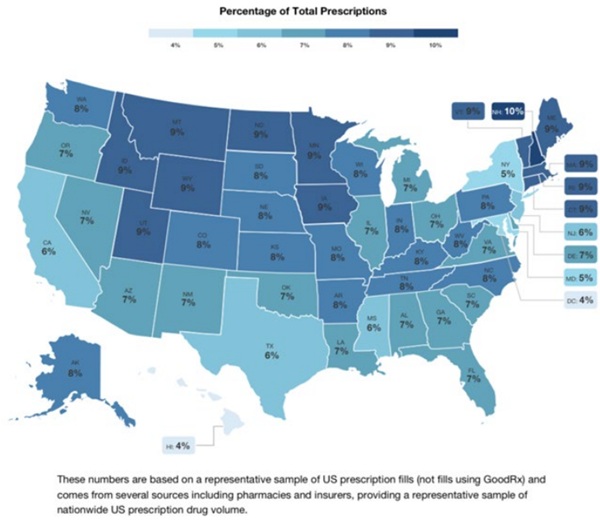
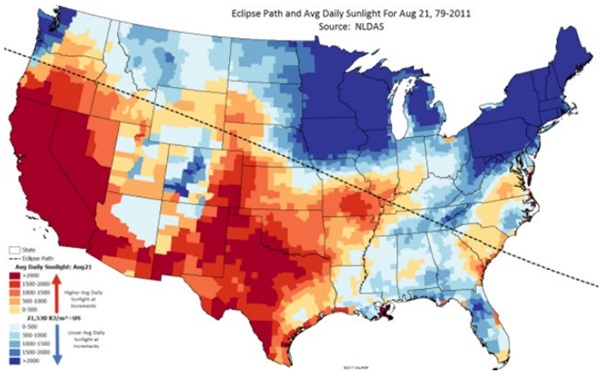
The correlation between the exposure to natural sunlight and the percentage of humans affected by depression and anxiety is well documented, the author uses the below figures (refer to Fout! Verwijzingsbron niet gevonden. and Fout! Verwijzingsbron niet gevonden.) to highlight that U.S. states with high (above average) levels of sunlight exposure (e.g. California and Texas, refer to Fout! Verwijzingsbron niet gevonden.) show significantly lower percentages of prescriptions for depression and anxiety medications (refer to Fout! Verwijzingsbron niet gevonden.) compared to states with low (below average) levels of sunlight exposure (e.g. Minnesota, Iowa, New Hampshire and Maine).
2.2. Humans – Evolution to an Indoor Species, Effect on Light Exposure
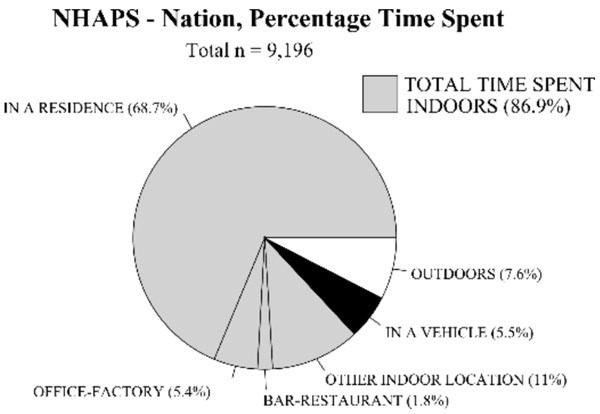
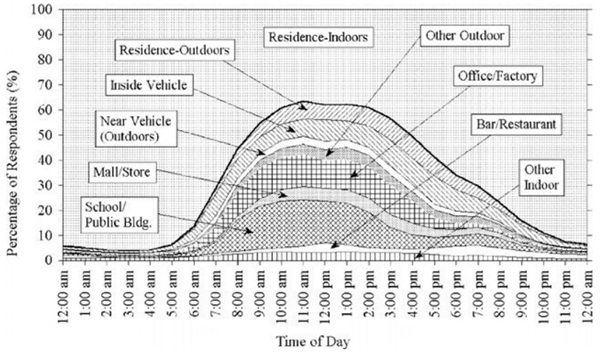
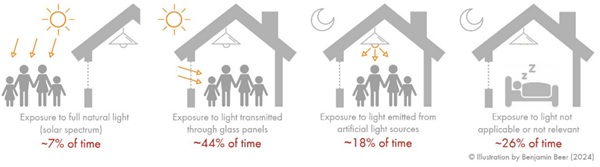
Modern societies spend only a very small percentage of their time outdoors with full exposure to natural sunlight and the complete solar spectrum. As per The National Human Activity Pattern Survey (NHAPS) (Klepeis, 2001), the average U.S. person spends only 7% of their life outdoors while the total time spent indoors is almost 87%, 6% of the time spent in vehicles (refer to Fout! Verwijzingsbron niet gevonden. and Fout! Verwijzingsbron niet gevonden.). The time spent indoors (87%) is composed of the time in a residence, in an office or factory, in a bar or restaurant, or in some other indoor location.
This above data leads to the concerning fact that humans became an ‘Indoor Species’ and stresses the severe importance to gain a better understanding of the quality of light that humans are exposed to while being indoors. Using the above data from the National Human Activity Pattern Survey (87% of time spent indoors, 6% in vehicles and 7% outdoors) and assuming the average of 7.1 hours per day spend for sleep (as per (Lakerveld, 2016) are indoors where the light exposure is not applicable or not relevant, an overview of the percentages of different light exposures is provided in the below illustration (refer to Fig. 11). It can be seen that the light transmittance through glass panels (44% of time) and the artificial lights (18% of time) plays a major role for human wellbeing and the below chapters provide a critical review of the quality of the light referring to the benchmark of ‘natural daylight’ (that human evolution followed) and the topics of:
- Spectral transmittance though glass panels
- Spectral emittance of artificial light sources
3. Light Sources, Spectral Emittance and Spectral Transmittance
3.1. Artificial Light Sources – Light Bulbs
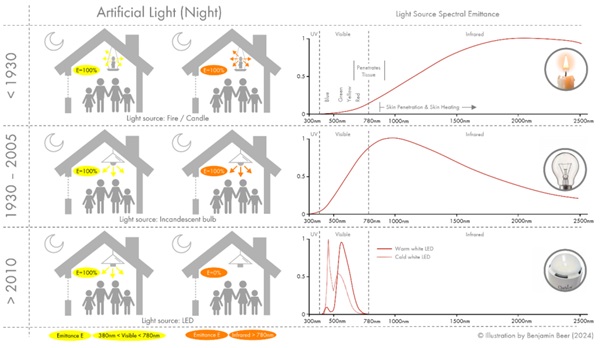
As per Fig. 11, artificial light sources represent around 18% of the time referring to light exposure of human beings. While these light sources were traditionally candles or incandescent light bulbs with a wide spectral emittance covering the visible (380 nm to 780 nm wavelength), the invisible infrared (from 780 nm) spectrum and partially even the UV light (100 nm to approx. 400 nm wavelength), the modern LED light bulbs have a very narrow emittance spectrum being limited to the visible spectrum only. This reduction to purely the visible spectrum (and no other wavelengths) achieves a high energy efficiency, consuming around 85% less energy than traditional incandescent light bulbs. The spectral emittance of the above mentioned three light sources is illustrated in Fig. 12 below.
3.2. Natural Light Sources – Transmittance Through Glass Panels
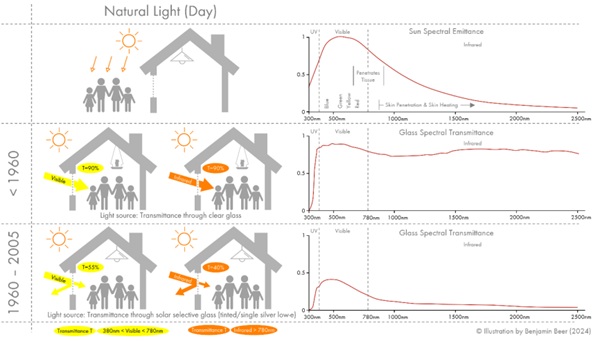
Similar to the artificial light sources where energy saving attempts lead to a reduction of the spectral emittance limited to the visible spectrum from 380 nm to 780 nm wavelength, also the architectural glass industry followed the global Green Building efforts by developing spectral selective solar control (low-e) coatings that focus on the transmittance in the visible spectrum from 380 nm to 780 nm wavelength. This is achieved by coatings featuring a higher reflectance and/or absorptance in the infrared spectrum (above 780 nm wavelength) compared to the visible spectrum (380 nm to 780 nm wavelength). Whilst the first types of solar control coatings developed in the 1960s had a relatively low efficiency referring to the ratio of visible light transmittance (VLT) and the solar heat gain transmitted through the glass, defined as shading coefficient (SC) or solar heat gain coefficient (SHGC), the later double silver low-e coatings and especially the most current triple silver low-e coatings perform significantly better. Fig. 13 provides the spectral emittance graph of the sun comparing the spectral transmittance of traditional clear monolithic glass (no solar control or low-e performance) and early solar control glass (tinted glass or single silver low-e coated glass). It can be seen that while the clear glass has no solar control function in terms of having a solar selective reduction of the solar heat gain, the single silver low-e coated glass provides an increased transmission in the visible range (380 nm to 780 nm) compared to the infrared range of the spectrum.
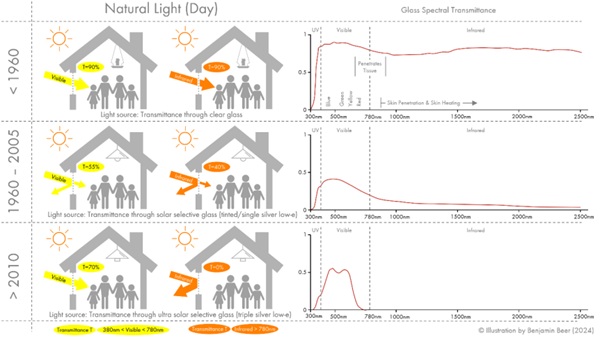
- The further evolvement of solar control low-e coated glass introduced additional silver layers to the low-e coatings, namely the double and triple silver low-e solar control coatings. The performance was further increased, in detail by maximizing of the transmittance in the visible range while minimizing the transmittance in the non-visible infrared range of the spectrum. Refer to Fig. 11 for the overview of the spectral transmittance of clear glass, tinted glass / single silver solar control low-e coated glass and triple silver low-e coated solar control glass. Modern triple silver low-e solar control coatings as shown in Fig. 14 achieve a selectivity (ratio of visible light transmittance (VLT) and the solar heat gain coefficient (SHGC)) of over 2, being this efficient that the transmission in the infrared range is completely blocked.
4. Discussion, Human Exposure to Non-Visible Range of Solar Spectrum
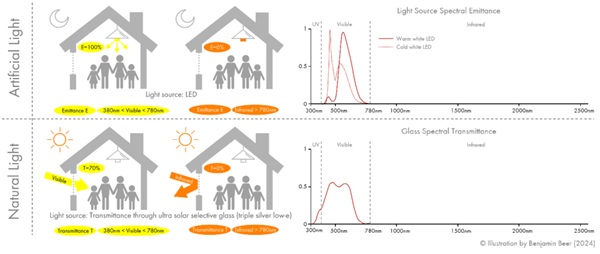
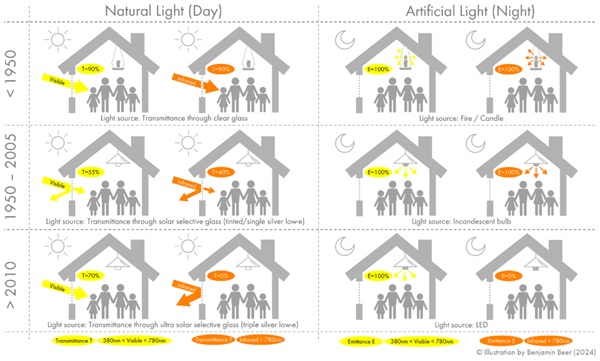
The above mentioned extreme spectral selectivity of modern triple silver low-e solar control coated glass leads to the conclusion that such glass provides only an extremely ‘filtered’ daylight, that shall no longer be called as ‘natural’ daylight. Looking at modern energy efficient buildings, that are mandated in most developed countries, equipped with triple-silver low-e coated solar control glazing (daylight source) as well as LED light bulbs (artificial light source), there is a novel situation in history of mankind that humans are completely blocked from any exposure to radiation above 780 nm wavelength both for light transmitted through glazing and for light emitted by light bulbs - and this refers to 87% of the total time of a typical human being in a developed country. Refer to Fig. 15 providing a combination of the emittance graph of modern LED light bulbs (from Fig. 12) with the transmittance graph of a modern triple silver low-e coated solar control glass (from Fig. 14).
4.1. Human Wellbeing, Infrared Spectrum (> 780 nm wavelength)
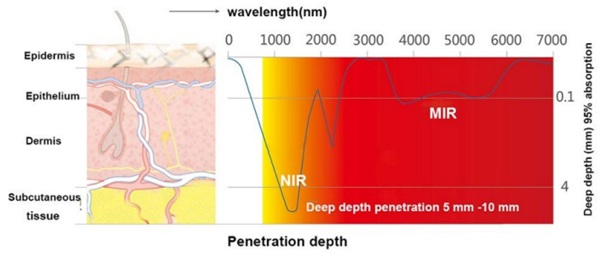
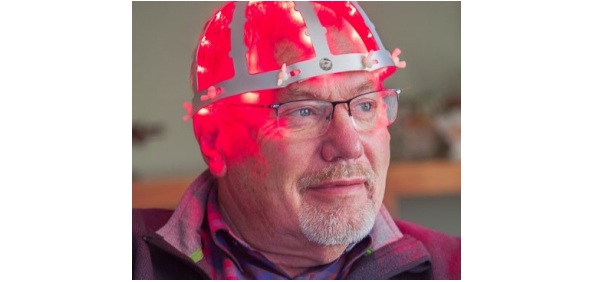
Due to the longer wavelength, the red, near infrared and infrared spectrum is able to penetrate much deeper into the human skin (body’s tissue) compared to e.g. the shorter wavelength UV spectrum. Fig. 16 shows the penetration depth of infrared (near-infrared (NIR) and mid-infrared (MIR)) radiation above 780 nm wavelength. Medical publications (Ash et al., 2017), (Lawrence et al., 2016) confirm that the infrared spectrum has numerous biological and clinical effects and there are important topics that have recently been explored. Latest research (Sinha, 2020) suggests that near-infrared (NIR) light might have clinical benefits in the treatment of Parkinson's disease, refer to Fig. 17.
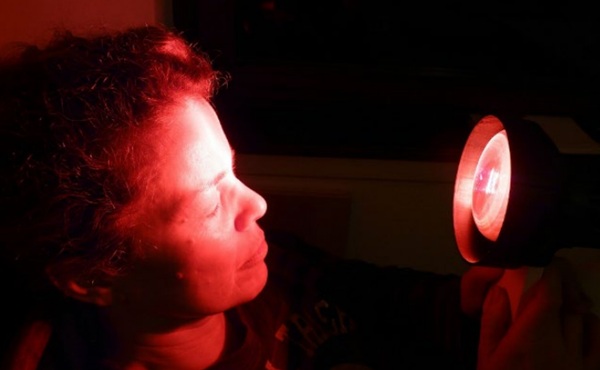
For the author, the phenomenon of people enjoying sunny days and doing sunbathing with full body exposure to the solar spectrum (Fig. 18), even flying long distances to countries with high sun exposure e.g. for holidays, confirms the positive effect (e.g. lifting moods, avoiding depression, boosting the immune system) of full spectrum light exposure as already confirmed in Fout! Verwijzingsbron niet gevonden. and Fout! Verwijzingsbron niet gevonden. (above). Such a sunbathing as shown in Fig. 18 would not have the same positive effect if exposed e.g. to LED lights with a limited spectral emittance from 380 nm to 780 nm excluding the infrared range. The known positive effects of the infrared spectral range lead to the so called redlight therapy (phototherapy or actinotherapy), initially by the use of incandescent light bulbs with red coatings (refer to Fig. 19) and nowadays by the use of novel NIR-LEDs having an adequate power and energy efficiency to provide a daylight-like exposure within standard indoor lighting infrastructure, leading to an improvement of several health and wellbeing related factors (Giménez et al., 2023).

From the current research reviewed by the author, it becomes obvious that the exposure to infrared radiation has positive effects on the human wellbeing. Consequently, the complete lack of any exposure to infrared radiation as caused by modern buildings featuring highly selective (e.g. triple silver low-e solar control) coated glass and LED light bulbs, especially when noting that this applies to the vast majority of modern human’s time (87%, refer to Fout! Verwijzingsbron niet gevonden. and Fig. 11), is likely to lead to negative effects on the human wellbeing. While further research and studies are required to quantify this negative effect in more detail, this paper intends to start a discussion among the building designers and the glass industry to re-think the current focus on the further increase of the spectral selectivity of low-e coated glass, leading to a more and more ‘filtered’ and ‘unnatural’ spectral exposure (complete lack of infrared radiation) of human beings while staying indoors. This re-thinking also exposes a certain conflict between the current focus on the Green Building Design (focussing on the reduction of cooling loads and consequent use of highly solar selective low-e coatings) and a new focus on Human Centric Design where the exposure to a healthy ‘natural’ full spectrum solar exposure might be found being more important or even essential - similar to the human right to have exposure to ‘natural’ healthy air.
4.2. Human Wellbeing, Blue Light Spectrum (490 nm wavelength)
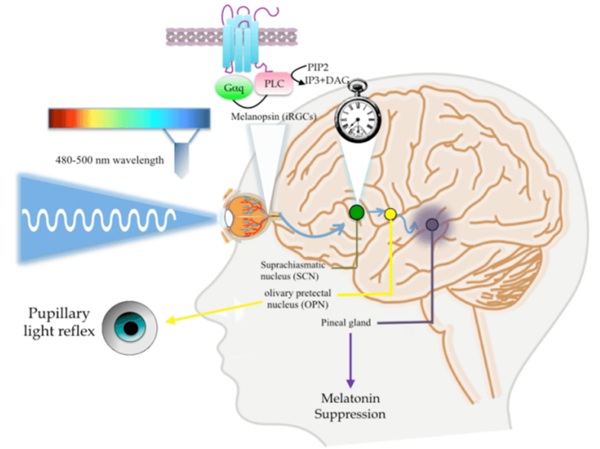
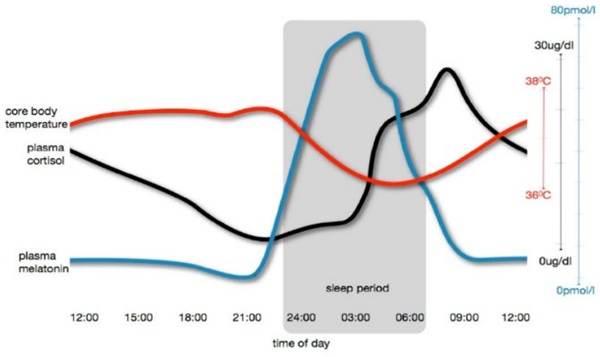
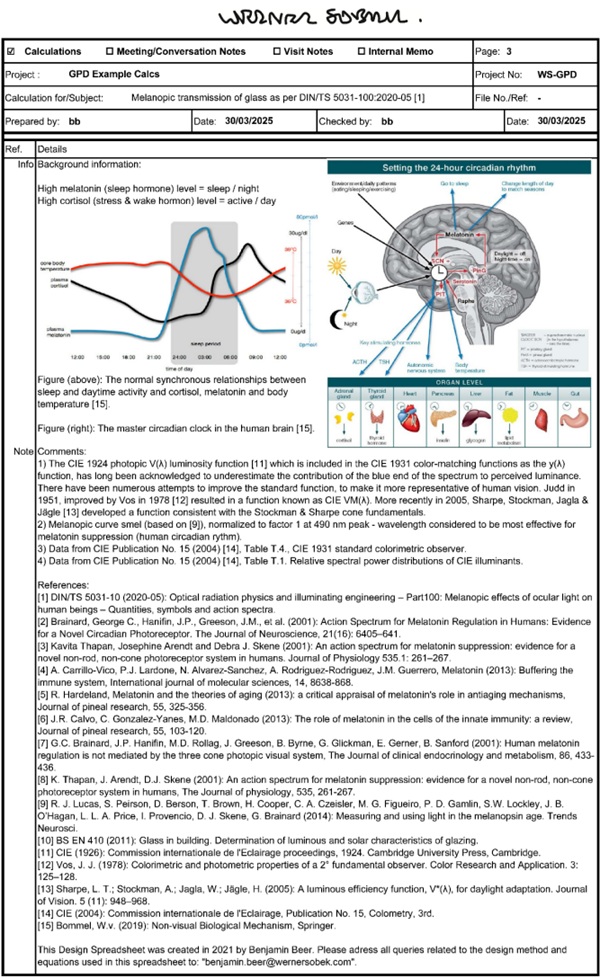
The blue spectrum at 490 nm wavelength has a major importance for the human circadian rhythm, in 2017 the Nobel Prize in physiology or medicine was awarded to Jeffrey C. Hall, Michael Rosbash and Michael W. Young for their elucidation of the molecular mechanisms controlling the human circadian rhythm. 490 nm light stimulates the melatonin suppression (refer to Fig. 21), which is important for the human day & night rhythm (circadian rhythm), refer to (Alkozi, 2019), (Blume et al., 2019), (Hickie et al., 2013). In simple terms, the relation is as follows:
- High melatonin (sleep hormone) & low cortisol level = sleep / night.
- High cortisol level (stress & wake hormone) & low melatonin level = active / day.
The melatonin and cortisol levels vary as per time of the days (refer to Fig. 21: Triggered by 490 nm wavelength light, scheme of melanopsin pathway through the retinal iRGCs and signal reaches the pineal gland where the melatonin synthesis is inhibited/activated. From (Alkozi, 2019).
Fig. 22), noting that human exposure to the 490 nm wavelength blue light is:
- Favourable in the morning to suppress the melatonin production in the pineal gland.
- Unfavourable in the evening and night as melatonin production would be triggered in the pineal gland.
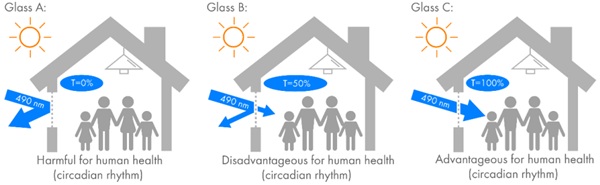
Referring to architectural glass, it is therefore of major importance for our human health that any glass installed in our buildings has a high transmittance in the 490 nm wavelength blue light spectrum. A failure to do so by blocking this 490 nm spectrum (refer to ‘Glass A’ in Fout! Verwijzingsbron niet gevonden.), similar to the blocking of the > 780 nm wavelength done by modern triple silver low-e solar control coating, would lead to severe negative consequences referring to the biological day-night rhythm of the building occupants. Therefore, ideally the transmittance in the 490 nm spectrum would be 100% (refer to ‘Glass C’ in Fout! Verwijzingsbron niet gevonden.). Noting that the 490 nm wavelength is within the visible range (380 nm to 780 nm), all of our current low-e solar control coatings have a certain transmittance in this spectrum (refer to ‘Glass B’ in Fout! Verwijzingsbron niet gevonden.) and a goal for the further development of low-e coatings would be the increase of transmittance in this spectral range (480 nm to 500 mm wavelength).
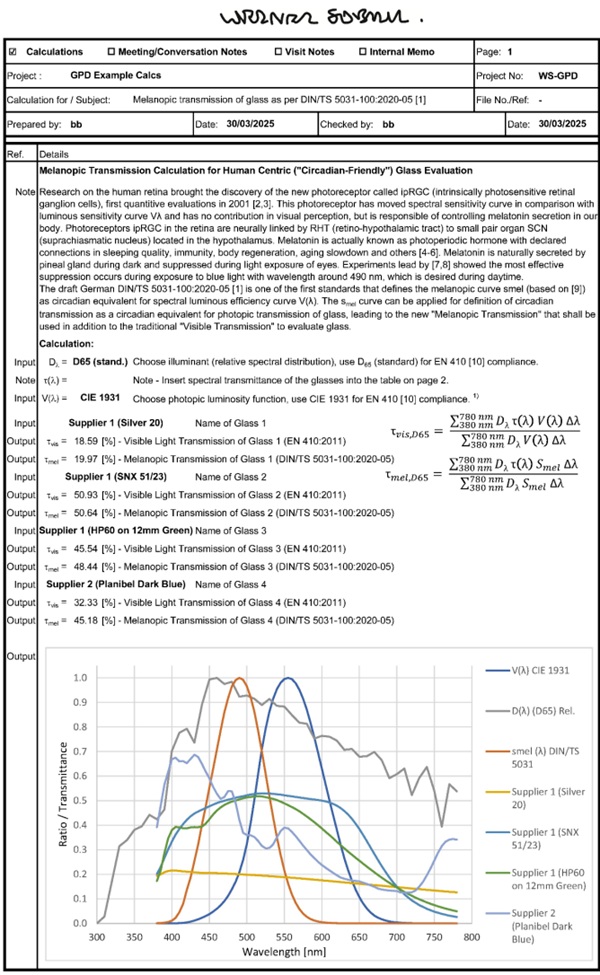
Referring to the assessment of low-e coated glass specifically for the performance in the transmittance in the 490 nm wavelength blue light spectrum (affecting the human circadian rhythm and melatonin suppression), the traditional factor of Visible Light Transmittance (VLT) would be inaccurate to define this specific performance, and the new factor of Melanopic Light Transmittance (MLT, or 𝜏mel) was established. The German draft DIN standard DIN/TS 5031-100:2021-11 “Optical radiation physics and illuminating engineering - Part 100: Melanopic effects of ocular light on human beings - Quantities, symbols and action spectra“ is the first standard to propose the new Melanopic Transmission Factor MLT(𝜏mel), which shall be used in addition to the traditional Visible Light Transmission factor (VLT, or 𝜏vis), as per EN 410 “Glass in building - Determination of luminous and solar characteristics of glazing”.
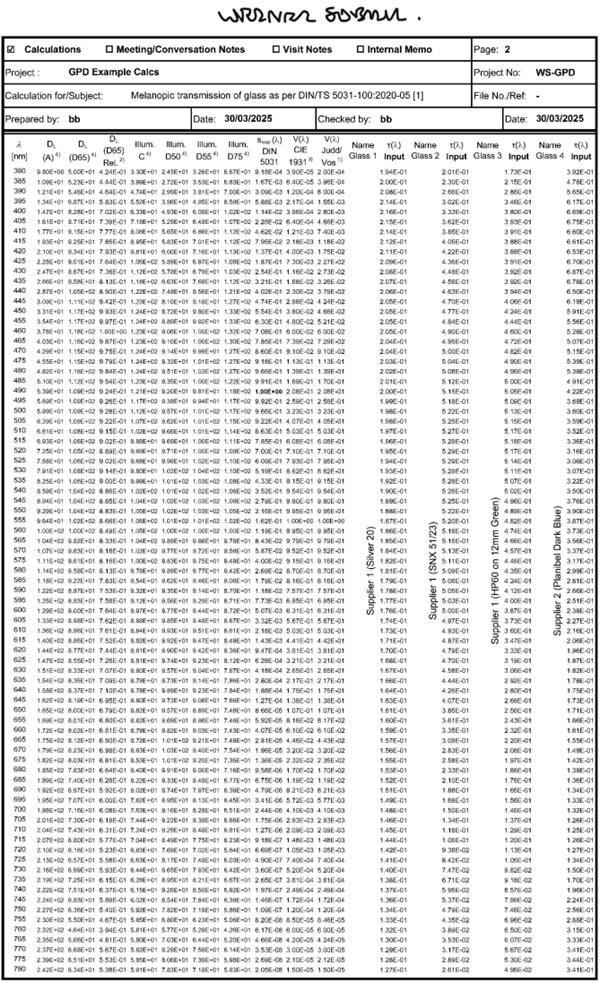
As no glass analysis software is currently providing calculations for the new Melanopic Transmission Factor MLT (𝜏mel), the author created a novel calculation tool in accordance with the draft DIN/TS 5031- 100. Using this tool, four different glass configurations were calculated comparing the traditional Visible Light Transmittance (VLT, or 𝜏vis) against the new Melanopic Light Transmittance (MLT, or 𝜏mel), refer to Fig. 25 to Fig. 27. The outcome of these calculations is as follows:
- In three of the four cases, the Melanopic Light Transmittance (MLT, or 𝜏mel) was higher than the Visible Light Transmission (VLT, or 𝜏vis).
- The difference between the Melanopic Light Transmittance (MLT, or 𝜏mel) and the Visible Light Transmission (VLT, or 𝜏vis) was up to 12.9%.
- In one case, the Melanopic Light Transmittance (MLT, or 𝜏mel) was lower than the Visible Light Transmission (VLT, or 𝜏vis).
- The average difference between the Melanopic Light Transmittance (MLT, or 𝜏mel) and the Visible Light Transmission (VLT, or 𝜏vis) was 4.2%.
The above bullet points highlight the significance of the use of the new Melanopic Light Transmittance (MLT, or 𝜏mel) and re-confirm previous studies (e.g. (Hartman et al., 2015)) where different glass samples (clear glass and body tinted coloured samples, refer to Fout! Verwijzingsbron niet gevonden. and Fout! Verwijzingsbron niet gevonden.) were field measured using a spectrophotometer and a maximum difference in the Melanopic (‘circadian’) and the Visible (‘photopic’) transmittance of 12% was measured (refer to Fout! Verwijzingsbron niet gevonden.) - a value very close to the above mentioned 12.9% derived by the author using the new calculation tool in accordance with the draft DIN/TS 5031-100.
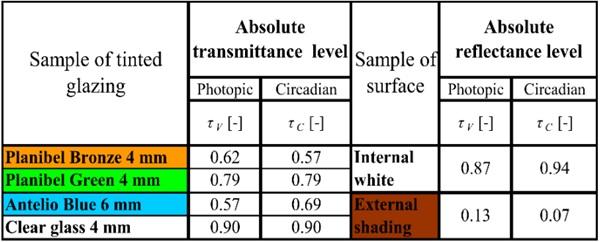
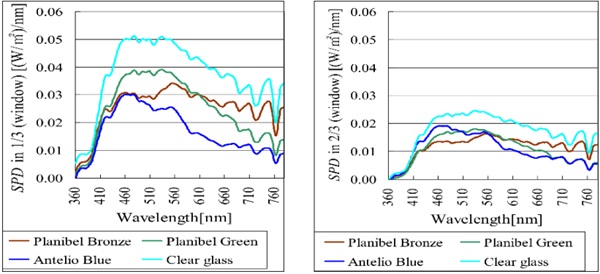
Ideally, the Melanopic Light Transmittance (MLT, or 𝜏mel) factor shall be part of all glass datasheets - similar to the Visible Light Transmittance (VLT, or 𝜏vis). Referring to a detailed assessment of human wellbeing referring to melanopic light, it shall be noted that the Melanopic Light Transmittance (MLT, or 𝜏mel) of glass panels is only one of the factors determining the melanopic light intensity inside a room, which is also described as the Equivalent Melanopic Lux (EML, where lux is the unit of illuminance, or luminous flux per square meter area). Besides the Melanopic Light Transmittance factor of the glass, also the external lux levels, the size of the window opening (glass area) and even the colours of the interior surfaces of the room determine the Melanopic Lux level. Referring to the later, studies have been carried e.g. by (Hartman et al., 2019) showing that the most beneficial indoor wall or ceiling colour, referring to Human Circadian System, is a white or (although with significantly lower reflectance) a light blue (refer to Fout! Verwijzingsbron niet gevonden.).
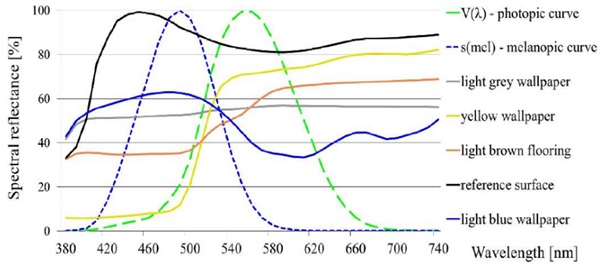
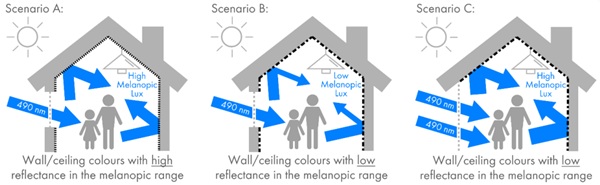
Discussing the indoor Melanopic Lux and the colours of the interior surfaces of a room, the ideal combination would be the use of a glass with high Melanopic Transmittance in combination with favourable interior colours (e.g. a white or light blue) referring to the Melanopic Reflectance (refer to scenario A in Fig. 24). However, a poor wall colour (e.g. grey) leading to low Melanopic Lux levels (refer to scenario B in Fig. 24) could be counterbalanced or overcome by larger window openings (refer to scenario C in Fig. 24) leading to higher indoor Melanopic Lux levels.
4.3. Human Wellbeing, UV Spectrum (100 nm to 400 nm wavelength)
Approx. 4 percent of the sun’s total radiation is in the UV spectrum, it can be subdivided as follows:
- 100 nm to 280 nm: UV-C (short wave UV, ionizing radiation, absorbed by ozone layer, not relevant)
- 280 nm to 315 nm: UV-B (medium-wave UV or black light, mostly absorbed by ozone layer)
- 315 nm to 400 nm: UV-A (long-wave UV or black light, not absorbed by ozone layer)
Over the past decades, UV light was assessed having predominantly negative effects (e.g. colour fading of objects, eye damage, skin sunburn, skin premature aging and skin cancer) and the ‘filtering’ of UV radiation by glass panels (e.g. by the use of laminated glass lites with PVB interlayers) was deemed as having a positive effect. However more recent studies have highlighted the positive effect of the UV range, e.g. that the UV-A spectrum “effectively reduces bacteria and viruses including coronavirus” (SARS-CoV) (Rezaie et al., 2020) and that the UV-C spectrum is “highly effective in inactivating SARS-CoV-2 replication” (Meinen et al., 2022). More broadly, a further publication (Juzeniene & Moan, 2012) “Beneficial effects of UV radiation other than via vitamin D production”) summarized the positive effects stating:
“Most of the positive effects of solar radiation are mediated via ultraviolet-B (UVB) induced production of vitamin D in skin. However, several other pathways may exist for the action of ultraviolet (UV) radiation on humans as focused on in this review. One is induction of cosmetic tanning (immediate pigment darkening, persistent pigment darkening and delayed tanning). UVB-induced, delayed tanning (increases melanin in skin after several days), acts as a sunscreen. Several human skin diseases, like psoriasis, vitiligo, atopic dermatitis and localized scleroderma, can be treated with solar radiation (heliotherapy) or artificial UV radiation (phototherapy). UV exposure can suppress the clinical symptoms of multiple sclerosis independently of vitamin D synthesis. Furthermore, UV generates nitric oxide (NO), which may reduce blood pressure and generally improve cardiovascular health. UVAinduced NO may also have antimicrobial effects and further- more, act as a neurotransmitter. Finally, UV exposure may improve mood through the release of endorphins.” From(Juzeniene & Moan, 2012).
Our modern glass façades often use laminated glass (usually as the inner or outer lite of insulating glass) to enhance safety in case of breakage, often mandated by building codes (e.g. in the case of overhead glazing) or as a good practice for vertical glazing in larger buildings. As mentioned above, the typical interlayer used for laminated glass is PVB (polyvinyl butyral). For applications with increased requirements for post-breakage safety, the more modern SGP (ionoplast) or SentryGlas® is used. For all these interlayers, the standard products almost completely block (~99%) the transmission of the UV spectrum. Fig. 28 shows the impact on the spectral transmittance for a triple-silver low-e coated glass, showing the previously described effect of “filtered” light completely lacking any UV or infrared range.
While the above-mentioned effect of complete blocking of the UV spectrum due to laminated glass was usually considered as irrelevant or even beneficial referring to human wellbeing, this blocking of the UV range (100 nm to 400 nm) was found to be disadvantages for plants in greenhouses and horticulture in general. Therefore, the PVB industry developed special UV transmitting interlayers, e.g. Trosifol® Natural UV or SentryGlas® Natural UV. Refer to Fig. 29 providing a comparison of the spectral transmittance curves of clear glass and different laminated glass samples incl. samples with UV transmitting interlayers.
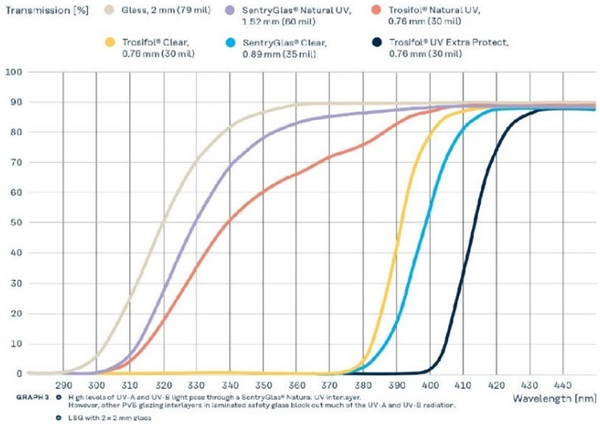
Laminated glass with UV transmitting interlayers is usually used for glass roofs or glass skylights in zoos, where publications like (Biasin et al., 2021) clarify that “many terrestrial and aquatic organisms need the ultraviolet spectrum of sunlight invisible to the human eye. Honeybees and bumblebees can see within the UV range and thus find their way to the centre of flowers whose parts appear indistinguishable to humans. Very short-wave UV light kills pathogens. This phenomenon is exploited in zoos, for instance, where quarantine wards are equipped with UV light. Birds need UV light for orientation”.
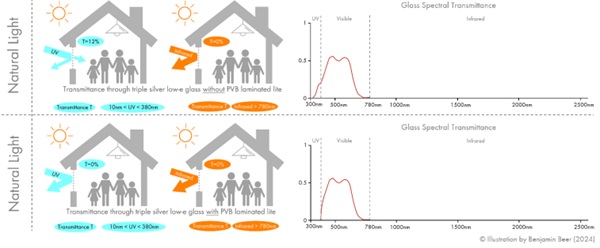
Unfortunately, the use of such UV transmitting interlayers for our normal residential or office buildings with laminated glass is not (yet) common. Fig. 30 provides an illustrative comparison of three types of glass panels referring to the transmittance in the UV range:
- Clear glass without PVB laminated lite
- Triple-silver low-e glass without PVB laminated lite
- Triple-silver low-e glass with PVB laminated lite
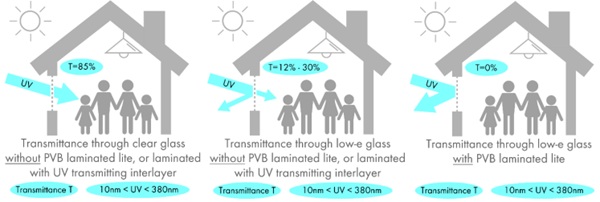
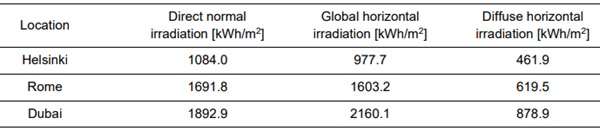
For the typical vertical glazing, the intensity of the transmitted solar radiation is relatively low compared to e.g. overhead glazing used in skylights. When also considering that the UV spectrum represents only approx. 4 percent of the sun’s total radiation and the typical low-e coatings already reduce the UV transmittance (refer to Fig. 30), it could be safely assumed that a harmful over-exposure of UV light (causing e.g. eye damage, skin sunburn, skin premature aging and skin cancer) is unlikely for building with a sensible window to wall ratio. It is therefore unclear why the use of laminated glass with a UV blocking interlayer could be justified, other than product availability or cost savings. On the contrary, with the current status of research and knowledge (refer to (Meinen et al., 2022), (Juzeniene & Moan, 2012) and (Biasin et al., 2021)), it must be clear that the moderate exposure to UV light is beneficial for the human health and wellbeing (especially when noting that modern humans spend 87% of their time indoors, refer to (Klepeis, 2001) and Fout! Verwijzingsbron niet gevonden.) and that the use of UV transmitting interlayers shall become the standard for all residential or office buildings where laminated glass in used. For locations with lower overall solar radiation levels (irradiation), as cities in the Nordics, this is even more important compared to cities with already high irradiation (like Dubai) where the global and diffuse horizontal irradiation is around twice the amount compared e.g. to Helsinki (refer to Table 1).
Table 1: Solar radiation levels (irradiation) of different cities, from https://globalsolaratlas.info.
5. Summary & Outlook
As detailed in this paper, light plays as major role for human wellbeing and the sociological trend of modern societies to spent a vast majority (87%) of their time indoor, leads to the urgent need to reevaluate the current use of low-e coated and laminated glass referring to their spectral transmittance of the three wavelengths currently known to affect human wellbeing (infrared range over 780 nm wavelength, melanopic range at 490 nm wavelength and the UV range below 400 nm wavelength).
Referring to the infrared range, especially the highly solar selective modern triple silver low-e coatings became so efficient in selectively maximizing the transmittance in the visible spectrum (380 nm to 780 nm wavelength) that the infrared spectrum becomes completely blocked, leading to an unnatural “filtered” light. When such a highly solar selective low-e coated glass is combined with a laminated safety glass using a typical PVB interlayer (as common for many modern buildings), also the UV range becomes completely blocked and the spectrum transmitted through the glass becomes so ‘filtered’ that only a fraction of the sun’s natural spectrum reaches the humans inside the building. It is obvious that such a transmitted light is far away from any sort of ‘natural daylight’ that is often used when referring to daylight transmitted through glass. This issue is worsened by the use of modern artificial light sources where the typical LEDs have a highly selective emittance limited to the visible spectrum (380 nm to 780 nm wavelength), leading to the unique situation in history that humans have no exposure to the non-visible infrared and UV spectrum for the vast majority of their life, noting that 87% of the time is spent indoors. The long-term effect of this unique situation is not entirely known, however the research currently already available leads to the question if architects and facade designers shall reconsider the use of such highly solar selective low-e coatings - at least for locations with lower solar radiation levels (irradiation) typical e.g. in Nordic countries. This potential move away from highly solar selective low-e coatings unveils a certain conflict between the current push for Green Building Design (low cooling loads thanks to modern highly solar selective low-e coatings reducing the building’s solar heat gain) and the Human Centric Design (provide humans a wider and more natural ‘unfiltered’ solar spectrum exposure also indoors).
Referring to the UV spectrum, there is less of a conflict between the Green Building Design and the Human Centric Design as the transmittance of glass in the UV spectrum does not significantly increase the building’s energy performance (cooling loads). Therefore, the use of UV transmitting interlayers shall be promoted for all residential or office vertical glazing where laminated glass is used, noting that moderate exposure to UV light is proven to be beneficial for the human health and wellbeing(Juzeniene & Moan, 2012), (Biasin et al., 2021).
The lack of indoor exposure to relevant spectral ranges (e.g. UV range, blue light melanopic range, infrared range) as detailed in this paper, might be counterbalanced by an adapted personal behaviour with prolonged outdoor light exposure and special light sources (e.g. high emittance in the melanopic range around 490 nm wavelength), increasing the physiologically relevant light exposure as detailed in (Biller et al., 2024). The referred publication proposes a framework with four steps (understand, identify, design and deliver), refer to Fig. 31.
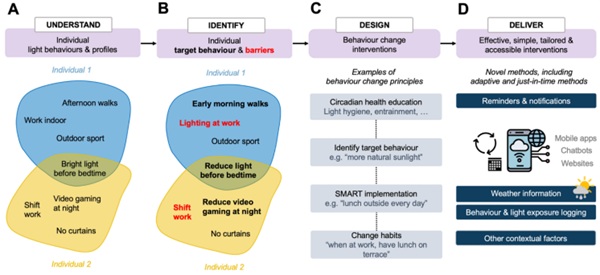
However, noting human behaviour and that not all people affected by the described issue (underexposure to the relevant spectral ranges) would be willing or able to carry out behaviour change interventions (e.g. by circadian health education, exercising “light hygiene”, light exposure logging), the primary focus for the building’s designer and the glass industry shall be on the careful re-evaluation of the use of highly solar selective low-e coated glass and laminated glass with typical (UV blocking) interlayers.
References
Alkozi, H. A. (2019). Melatonin and Melanopsin in the Eye: Friends or Foes? Retrieved from https://www.researchgate.net/publication/333354634_Melatonin_and_Melanopsin_in_the_Eye_Friends_or_Foes
Article GlassonWeb (2013). Special PVB film admits ultraviolet light unfiltered. Retrieved from https://www.glassonweb.com/news/special-pvb-film-admits-ultraviolet-light-unfiltered
Ash, C., Dubec, M., Donne, K., Bashford, T. (2017). Effect of wavelength and beam width on penetration in lighttissue interaction using computational methods. Retrieved from https://doi.org/10.1007/s10103-017-2317-4
Biasin, M., Bianco, A., Pareschi, G. et al. (2021). UV-C irradiation is highly effective in inactivating SARS-CoV-2 replication. Retrieved from https://doi.org/10.1038/s41598-021-85425-w
Biller, A. M., Balakrishnan, P., Spitschan, M. (2024). Behavioural determinants of physiologically-relevant light exposure. Retrieved from https://doi.org/10.1038/s44271-024-00159-5
Blume, C., Garbazza, C., Spitschan, M. (2019). Effects of light on human circadian rhythms, sleep and mood. Retrieved from https://doi.org/10.1007/s11818-019-00215-x
Brown, T., Brainard, G. C., Cajochen, C., Czeisler, C. A., Hanifin, J. P., Lockley, S. W., Lucas, R. J., Münch, M., O’Hagan, J. B., Peirson, S. N., Price, L. L. A., Roenneberg, T., Schlangen, L. J. M., Skene, D. J., Spitschan, M., Vetter, C., Zee, P., P., Wright Jr, K. P. (2022). Recommendations for daytime, evening, and nighttime indoor light exposure to best support physiology, sleep, and wakefulness in healthy adults. Retrieved from https://doi.org/10.1371/journal.pbio.3001571
Giménez, M. C., Luxwolda, M., Van Stipriaan, E. G., Bollen, P. P., Hoekman, R. L., Koopmans, M. A., Arany, P. R., Krames, M. R., Berends, A. C., Hut, R. A., Gordijn, M. C. M. (2023). Effects of Near-Infrared Light on Well-Being and Health in Human Subjects with Mild Sleep-Related Complaints: A Double-Blind, Randomized, Placebo-Controlled Study. Retrieved from https://doi.org/10.3390/biology12010060
Grzybowski, A., Sak, J., Pawlikowski, J. (2016). A brief report on the history of phototherapy. Clinics in
Dermatology, Volume 34, Issue 5, Pages 532-537. https://doi.org/10.1016/j.clindermatol.2016.05.002
Hartman, P., Šujanová, P., Hraska, J. (2015). Circadian Characteristics of Special Glazing. Retrieved from https://doi.org/10.30958/ajs.1-4-2
Hartman, P., Maňková, L., Hanuliak, P., Hraska, J. (2019). Evaluation of Indoor Daylight Focused on the Human Circadian System. Retrieved from http://dx.doi.org/10.4028/www.scientific.net/AMM.887.511
Hickie, I., Naismith, S. L., Robillard, R., Hermens, D.F. (2013). Manipulating the sleep-wake cycle and circadian rhythms to improve clinical management of major depression. Retrieved from http://dx.doi.org/10.1186/1741-7015-11-79
Klepeis, N. E., Nelson, W. C., Ott, W., Robinson, J. P. (2001). The National Human Activity Pattern Survey (NHAPS): A Resource for Assessing Exposure to Environmental Pollutants. Retrieved from https://escholarship.org/uc/item/1zg3q68x
Lakerveld, J., Mackenbach, J.D., Horvath, E., Rutters, F., Compernolle, S., Bárdos, H., De Bourdeaudhuij, I., Charreire, H., Rutter, H., Oppert, J.M., et al (2016). The relation between sleep duration and sedentary behaviours in European adults. Retrieved from https://onlinelibrary.wiley.com/doi/10.1111/obr.12381
Lawrence, K., Al-Jamal, M., Kohli, I., Hamzavi, I. (2016). Clinical and Biological Relevance of Visible and Infrared Radiation. Retrieved from https://doi.org/10.1007/978-3-319-29382-0_1
Maisels, M J. (2015). Sister Jean Ward, phototherapy, and jaundice: a unique human and photochemical interaction, Journal of Perinatology, Volume 35, Pages 671-675. https://doi.org/10.1038/jp.2015.56
Meinen E., Sandén, B., Dieleman, A., Hemming, S. (2022). UV Transmission in Laminated glass: Effects on Plant Growth and Development. Retrieved from http://dx.doi.org/10.47982/cgc.8.455
National Institute of Mental Health, USA (2025). Seasonal Affective Disorder. Retrieved from https://www.nimh.nih.gov/health/publications/seasonal-affective-disorder
National Health Service, UK (2025). Seasonal affective disorder (SAD). Retrieved from https://www.nhs.uk/mental-health/conditions/seasonal-affective-disorder-sad/overview Juzeniene, A., Moan, J. (2012). Beneficial effects of UV radiation other than via vitamin D production. Retrieved from http://dx.doi.org/10.4161/derm.20013
Rezaie, A., Leite, G. G. S., Melmed, G. Y., Mathur, R., Villanueva-Millan, M. J., Parodi, G., Sin, J., Germano, J. F., Morales, W., Weitsman, S., Kin, S. Y., Park, J. H., Sakhaie, S., Pimentel, M. (2020). Ultraviolet A light effectively reduces bacteria and viruses including coronavirus. Retrieved from https://doi.org/10.1371/journal.pone.0236199
Sinha, G. (2020). Trials begin for a new weapon against Parkinson's: light. Retrieved from https://doi:10.1126/science.abe8438







Comments
Melatonin is a hormone that regulates sleep-wake cycles and can induce feelings of sleepiness. This increased production can contribute to the symptoms associated with SAD, such as excessive sleepiness and mood changes during specific seasons.