
Others also read

| Dow has a strong commitment to sustainability and recently introduced the first externally PAS2060-verified carbon neutral silicones for façades.
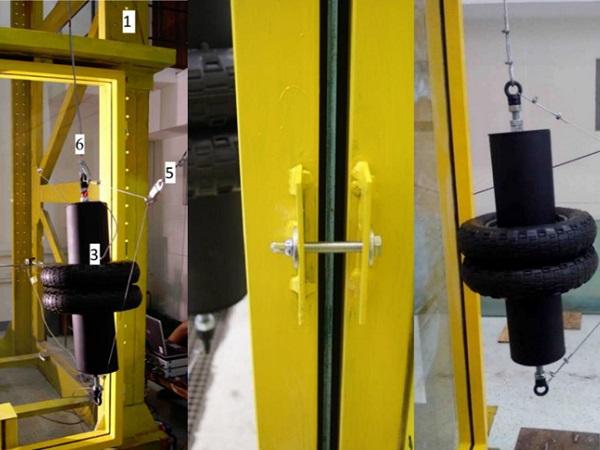
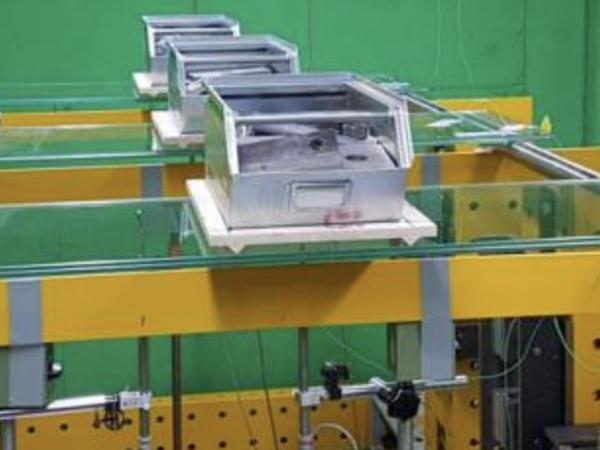
| The paper presents testing of glass panels, static test and dynamic test by hard body impact.
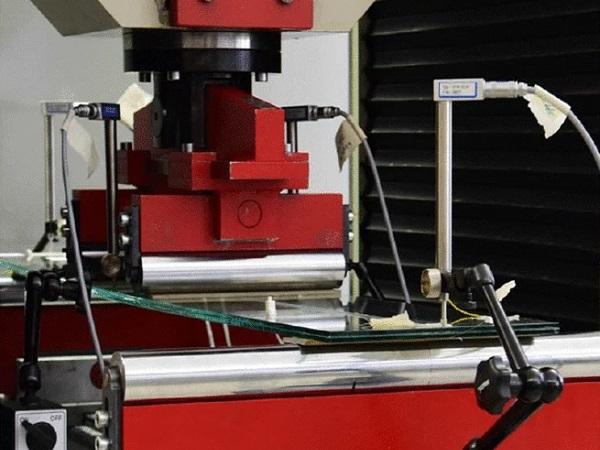
| The study describes the results of the shear modulus of viscoelastic interlayers made of polyvinyl butyral and provides the basis to define and evaluate a model for the finite element analysis.
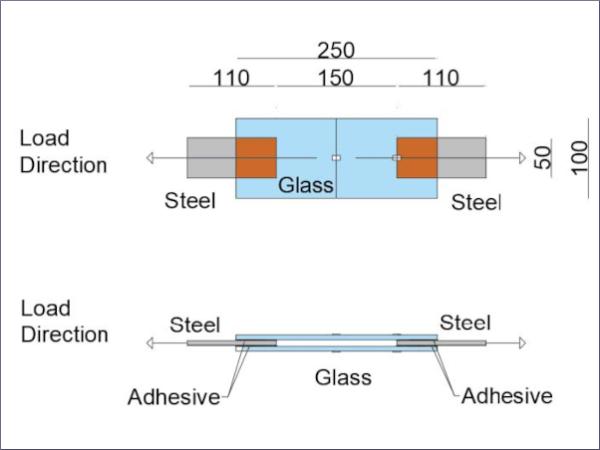
| Glass/steel adhesive joints are being used increasingly in the construction industry as they offer significant structural advantages over conventional mechanical fastener approaches.
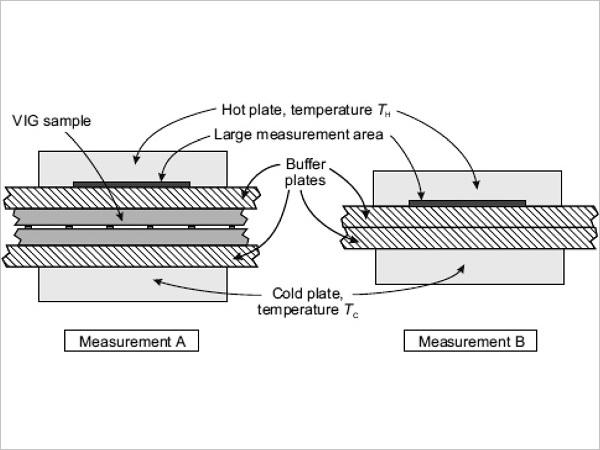
| Measurement area separated from glass sheets with buffer plates
| Measurement area in direct thermal contact with specimen
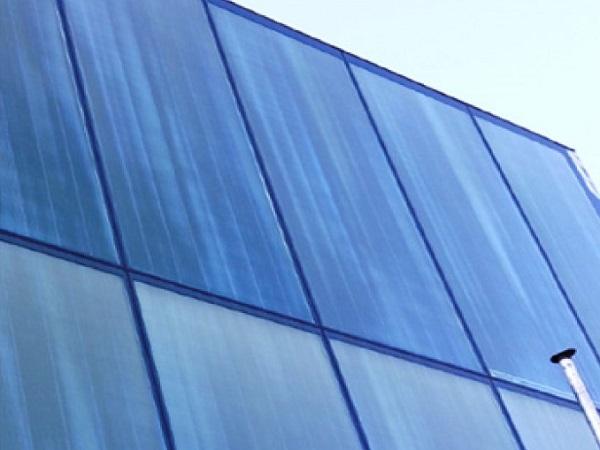
| In this paper, we present the development of an intrinsic parameter σQM characterizing the sensitivity of a coating (or configuration) to the quench marks.
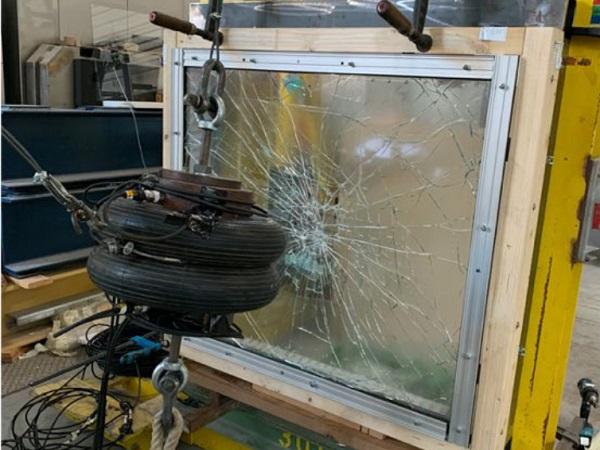
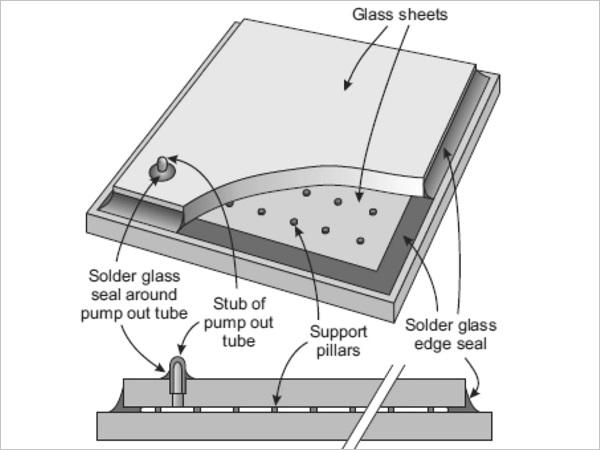
| The goal of this work is to investigate the mechanical performance of VIG’s subjected to soft body impact and gain insight into the failure mechanisms of the VIG when exposed to dynamic loads.
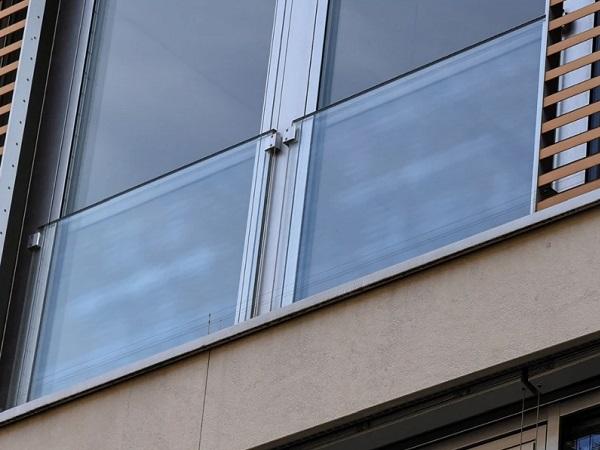
| In the present paper, optical anisotropy effects in architectural glass are evaluated using digital image processing.
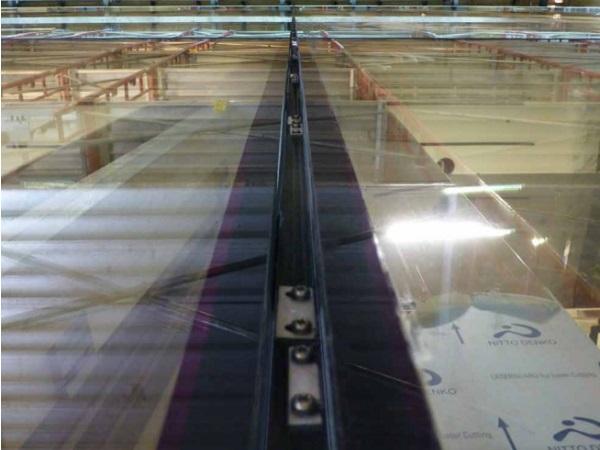
| Five commercial glazing system analysis and a project study show the advantages of using Insulated Glass Unit (IGU) edges to mechanically attach glass to buildings.

| Analysis of worldwide glass industry developments and trends.
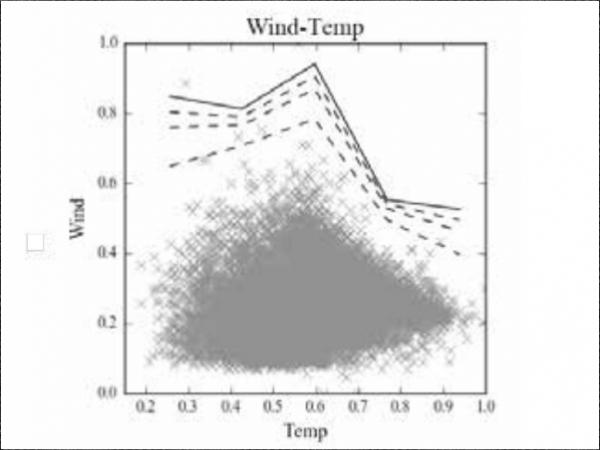
| An Initial Study Towards Optimized Structural Assessment of Glass Components

| In the European Union, Member States are allowed to set minimum performance requirements to construction products available on their market.
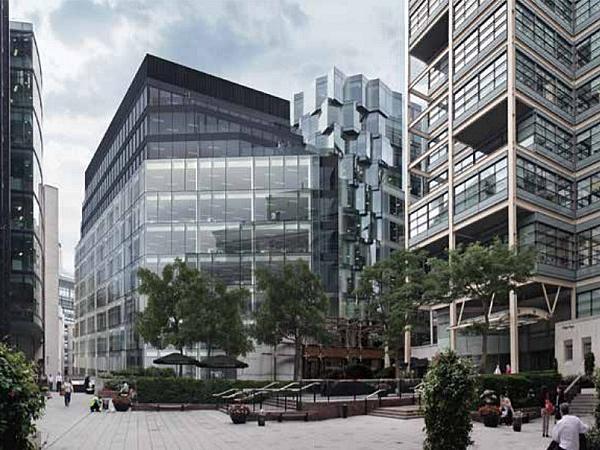
| Unitised Façade System Designed with a Highly Transparent Façade of Low G-value Combined with Blast Requirements
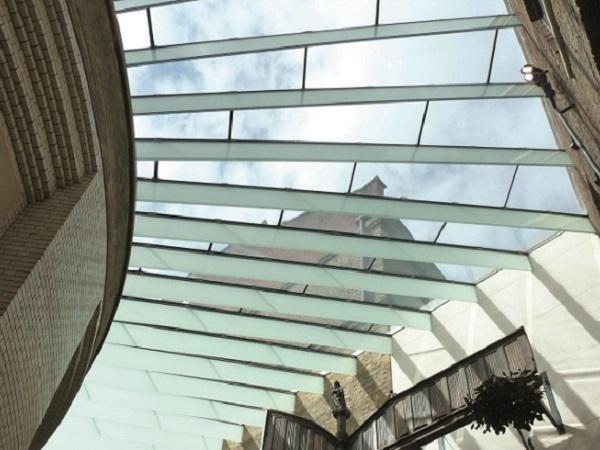
| For years and years research, development and discussions have been made on the safety of glass structures.
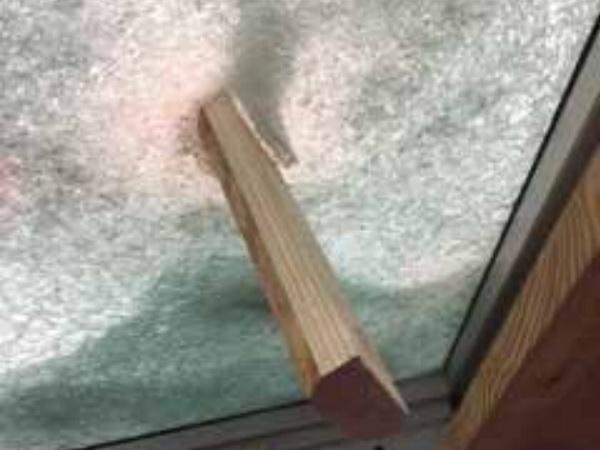
| Building code requirements for wind-borne debris protection have been in existence since the mid- 1990s, and as a result, many glazing systems have been tested and certified to these performance requirements.
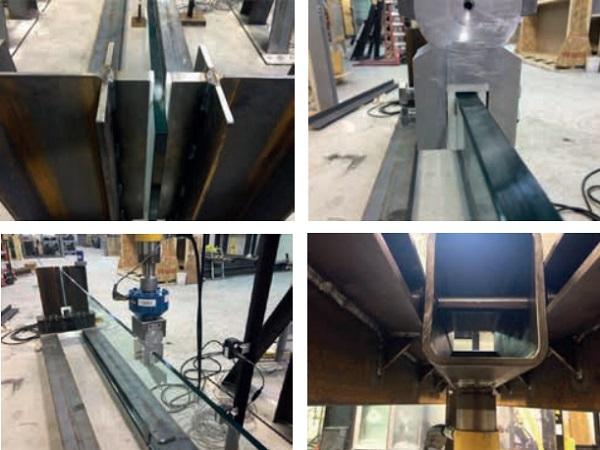
| For nearly 50 years, glass has been used as structural elements in glass fin applications. These applications include interior and exterior projects, supporting facades, canopies, storefronts, curtain walls and skylights.
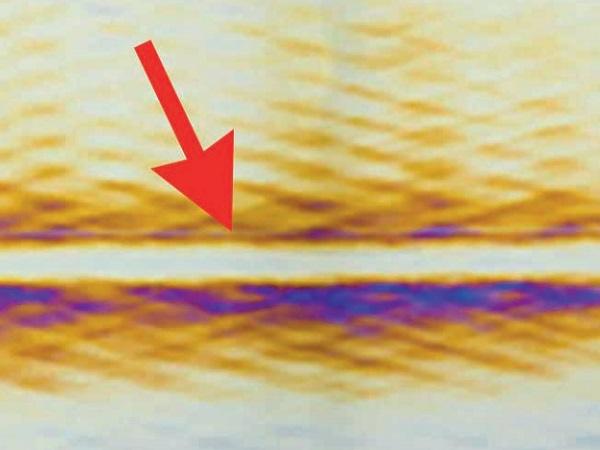
| Anisotropy is the term used in the façade industry to describe the manifestation of patterns and colourful areas in heat-treated glass under certain light and viewing conditions.
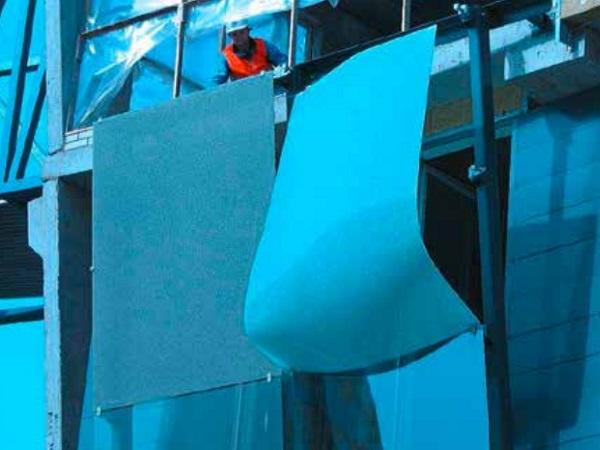
| Post breakage strength of glass is still an unknown area as analytical models for this are inconclusive so far and thus destructive testing is the only reliable solution.
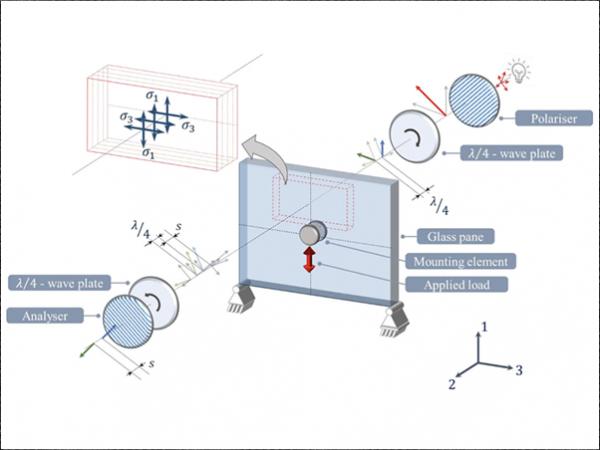
| The load-bearing capacity of glass as a structural material as well as sustainability and resistance of a built-in glass against appearing loads and forces is assuming an ever-greater importance.
| Dynamic mechanical analysis (DMA) experiments were carried out on three different Saflex® interlayers from commercial production, all at a nominal thickness of 0.76 mm.
| The study describes the results of the principal applicability of fiber optic strain sensors to evaluate the structural behaviour of laminated glass and provides the basis to define a model for the material characteristics of viscoelastic interlayers.
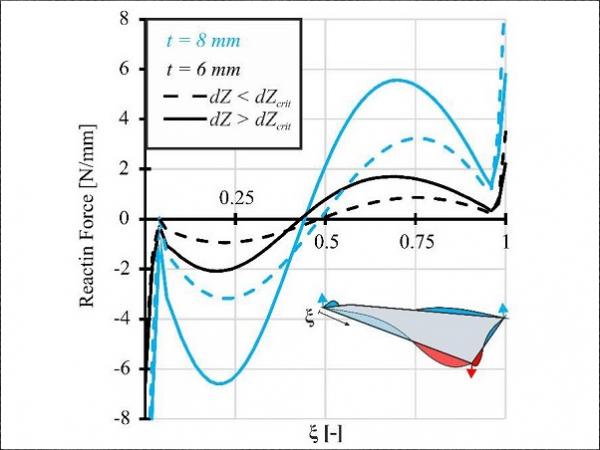
| In today’s architecture the bending of glass plays an important role in achieving free forms in modern façades.
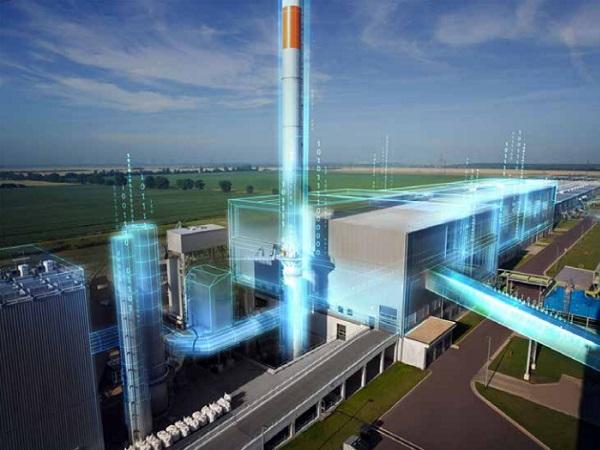
| Data-based business models are also becoming increasingly relevant to the glass industry.
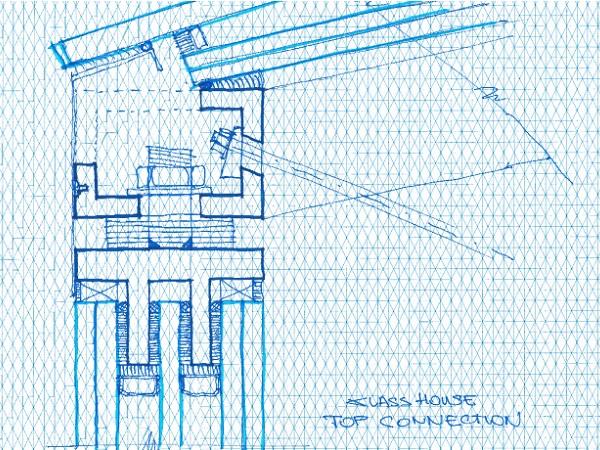
| In this paper we will look at the potential of what is now a commonly used component in facade design - a load-bearing glass wall panel.