
Others also read
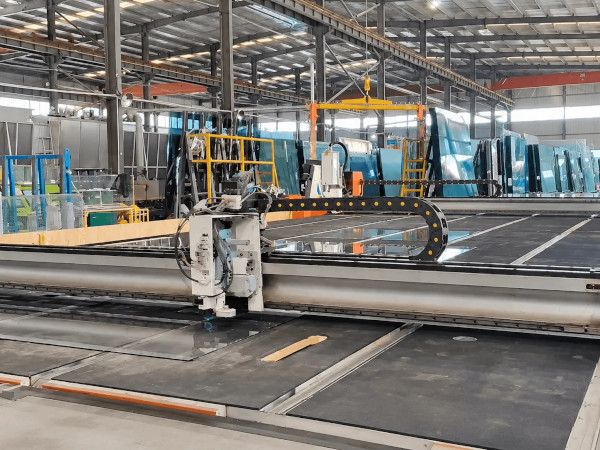
| Discover how float glass is transformed into high-performance architectural glazing through key processing stages, from precision cutting and tempering to lamination and insulated glass assembly.
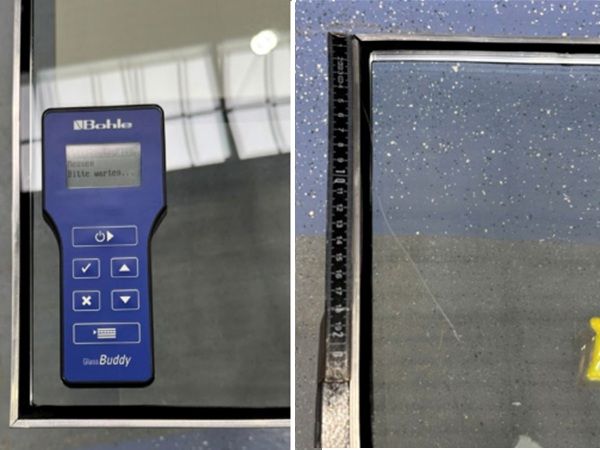
| Germany’s ageing building stock presents a major opportunity to reduce emissions by modernising windows while rethinking how used glazing is reused and recycled.
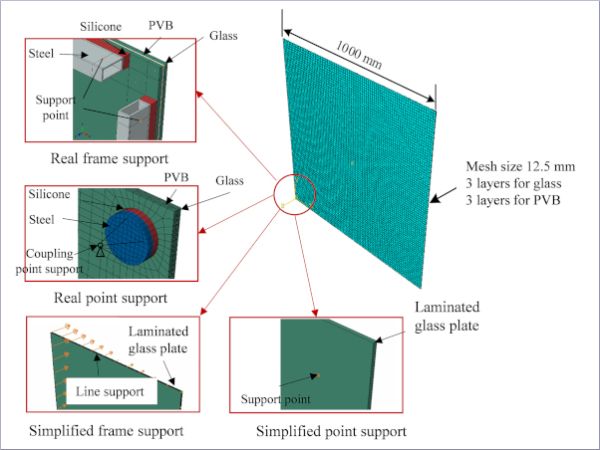
| New research investigates the load-bearing performance and failure mechanisms of anticlastic cold bent glass plates, combining physical testing with finite element modeling to examine the effects of support conditions, cold bending degree, and plate geometry.

| Ultra-thin glass is opening new possibilities for high-performance insulating glass units, delivering improved energy efficiency, comfort, safety, and reduced weight for next-generation glazing solutions.
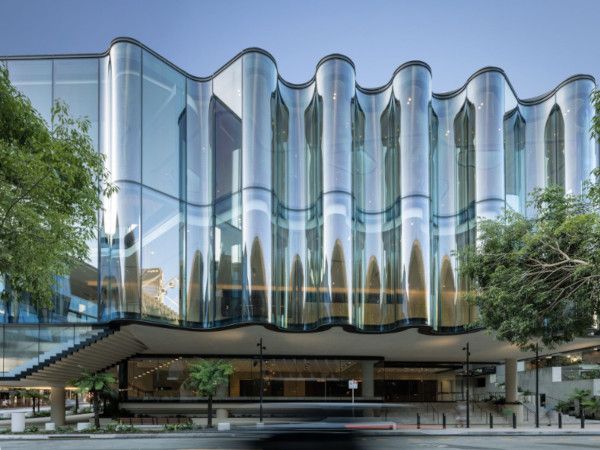
| Discover how advanced engineering, digital design and precision fabrication made it possible to realize the striking free-form glass façade of Brisbane's Glasshouse Theatre.
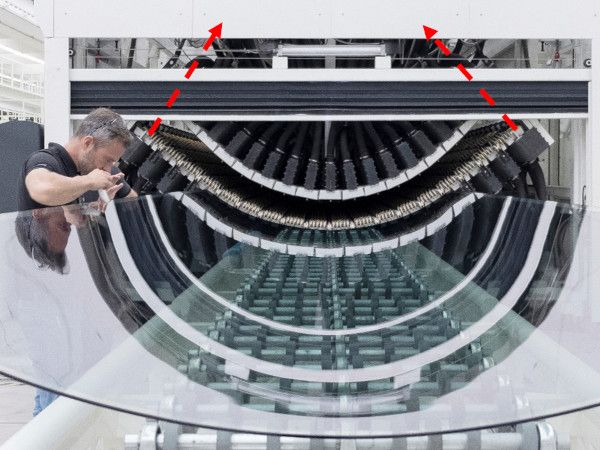
| Pushing the boundaries of architectural glass: a new large-format bending furnace is making faster, more precise production of complex 3D glass shapes a reality.

| Aesthetic Expression, Form Freedom, and High-Precision Manufacturing for Next-Generation Building Envelopes

| Discover how Vacuum Insulated Glazing (VIG) is shaping the future of sustainable construction, combining outstanding thermal performance with innovative design solutions for residential, commercial, and heritage buildings.
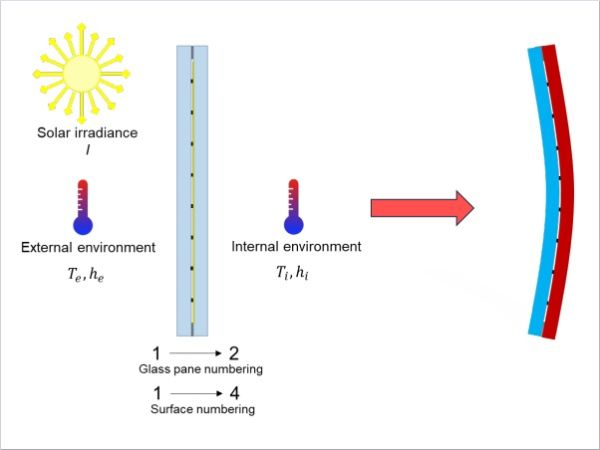
Design of a Test Setup for Experimental Investigation of Temperature Loads on Vacuum Insulated Glass
| A new study explores how Vacuum Insulated Glass (VIG) can support energy-efficient retrofits and new construction projects, while addressing the critical challenge of temperature-induced stress and future design standards.
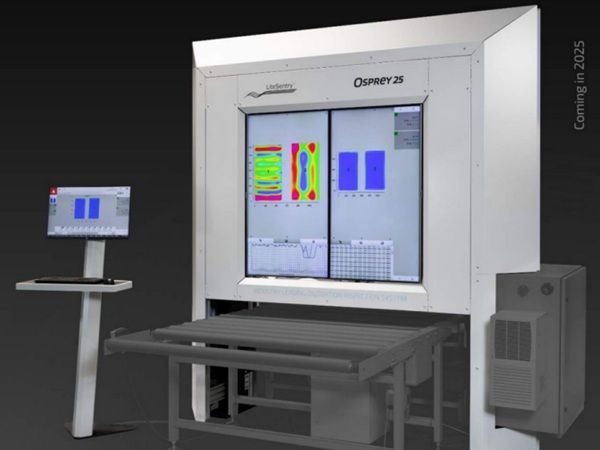
| This presentation explores how advanced measurement and grading methods can improve the objective assessment of optical quality in coated glass after heat treatment, addressing a key gap in current industry standards.
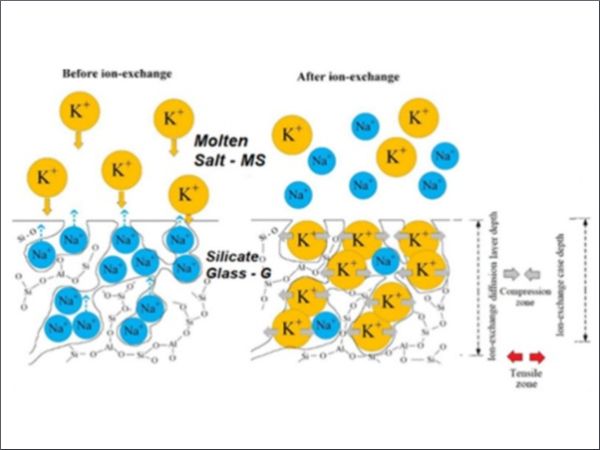
| A new study explores how ion exchange processes and molten salt chemistry influence stress development and strengthening performance in silicate glass.
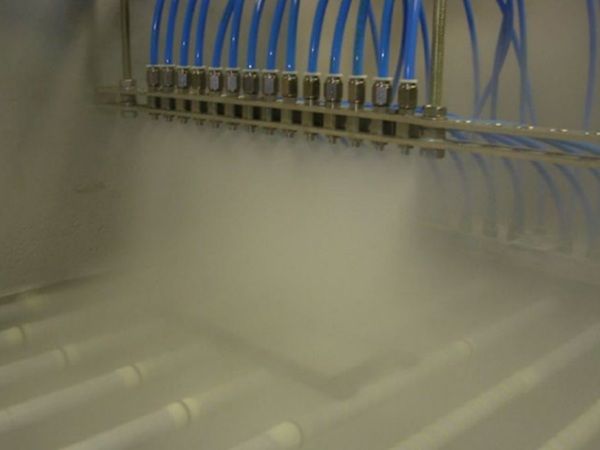
| This paper explores practical solutions to reduce the high energy consumption of air jet quenching in glass tempering, highlighting existing technologies and opportunities for more efficient and sustainable processing.
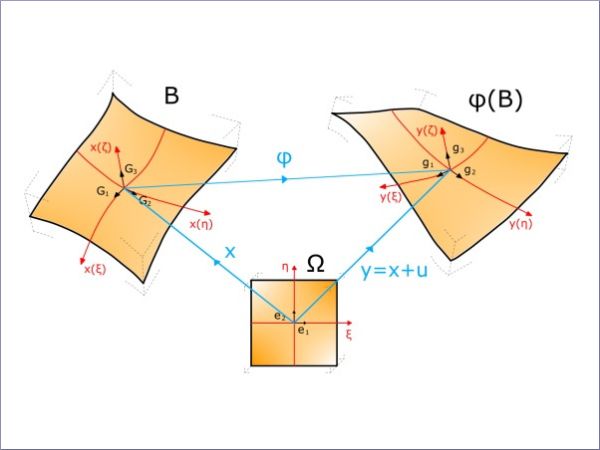
| Laminated glass design is challenged by accurately capturing shear coupling and nonlinear behavior, prompting the development of advanced FEM approaches that overcome the limits of traditional theories and commercial software.
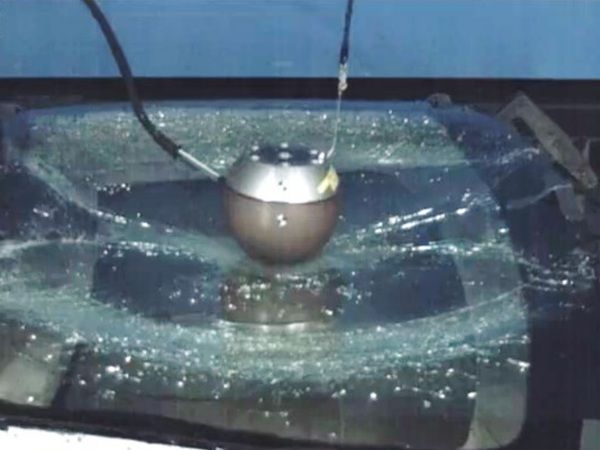
| A First Step to Characterize the Post-fracture Behaviour
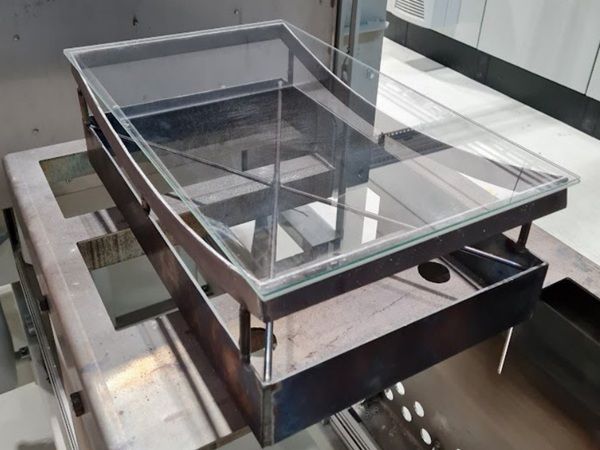
| This paper presents the challenges of combining borosilicate and soda-lime glasses in the windshield solution.

| This paper presents a groundbreaking technological development in the optical quality of tempered glass.

| Ultra-thin center glass is redefining what’s possible for insulating glass units—delivering lighter, thinner, and more energy-efficient glazing solutions for modern buildings.

| Toughened glass: requirements on physical security, climate resilience and cyber security are rising

| Highly efficient building-integrated photovoltaics are entering a new phase, combining strong performance with expanded colour and design freedom.

| Reducing energy consumption in glass tempering is no longer optional — and new cooling innovations are making it achievable.

| Latest on Glastory by Robert Jenks: Improving your performance for a lifetime - Smart strategies for glass processing line success (Part 2/2)

| Smart glass, simplified. Meet OSSE, Organic Semiconductor Materials for Sustainable Electronics, from the University of Turku.

| In Part 1 of the new Glastory blog series, the article explores how production uptime becomes a competitive advantage and which strategies help keep operations smooth and businesses strong.

| In this seventh episode, we’re exploring how dynamic mixing enhances sealing quality and speed.

| At Step Change 2025, ReViSalt demonstrated how its innovations are reshaping the future of glass strengthening.