
Others also read
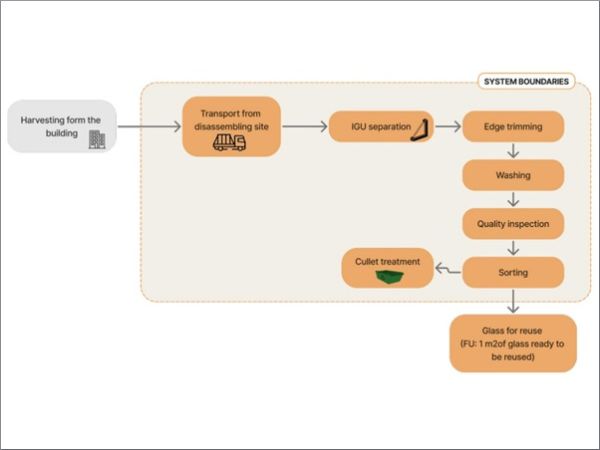
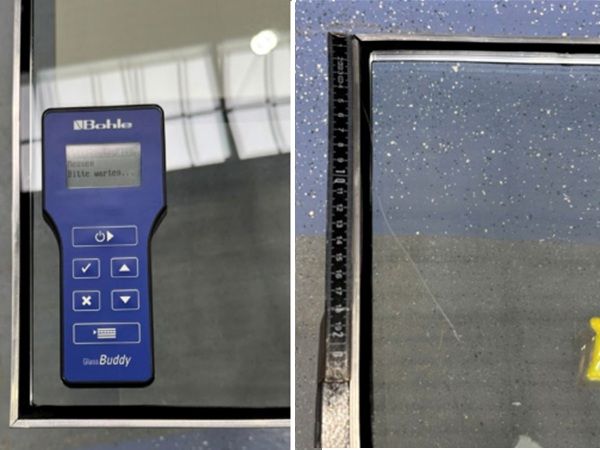
| A new study explores how scaling up glass reuse and remanufacturing in insulated glazing units could reduce emissions and resource consumption compared with conventional glass production.
| Germany’s ageing building stock presents a major opportunity to reduce emissions by modernising windows while rethinking how used glazing is reused and recycled.
| A more objective approach to coated glass colour could transform how architects and designers select and evaluate architectural façades.
| Ultra-thin glass is opening new possibilities for high-performance insulating glass units, delivering improved energy efficiency, comfort, safety, and reduced weight for next-generation glazing solutions.
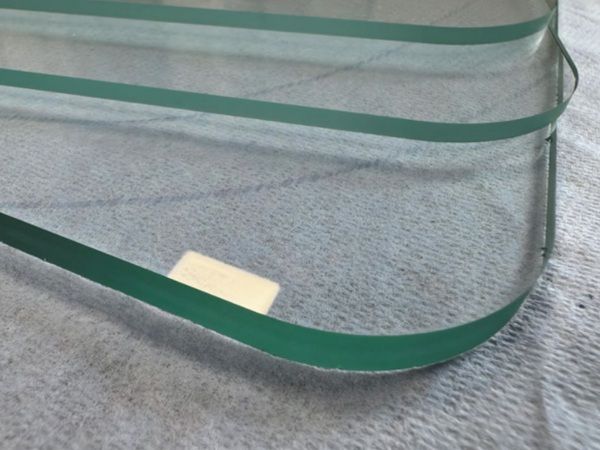
| Laser technology is rapidly reshaping the future of glass processing, offering a level of precision and innovation that traditional methods can’t match.
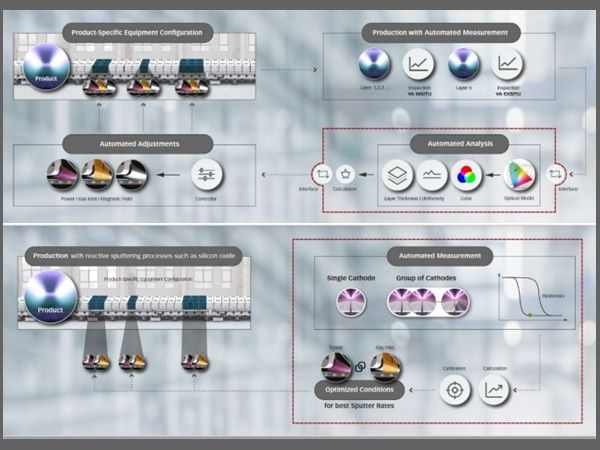
| Discover how digital software solutions are helping glass coating manufacturers reduce carbon emissions, improve production efficiency, and support the journey toward net-zero buildings and vehicles.
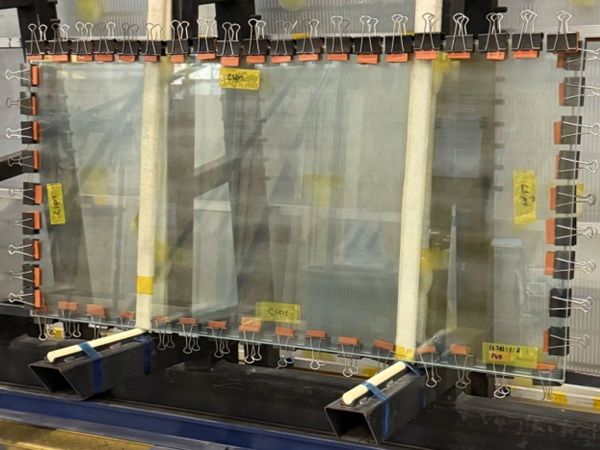
| Visual distortion in architectural glazing has emerged as a critical yet insufficiently regulated factor affecting both functional performance and visual comfort.
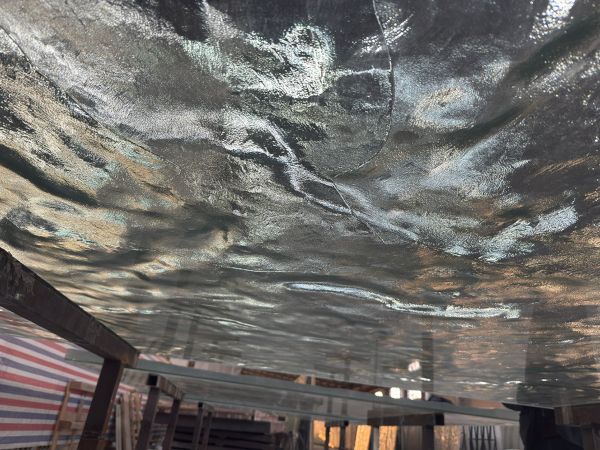
| A Performance-Based Framework for Material Characterisation, Structural Design and Thermal Shock Assessment
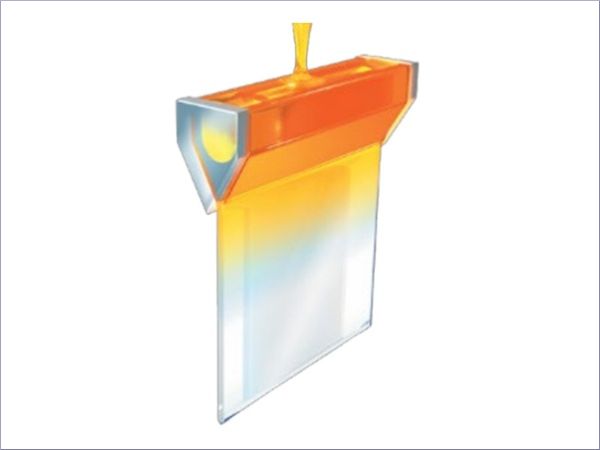
| A new generation of boro-aluminosilicate glass is opening new possibilities for architecture, combining lightweight design with exceptional strength, durability, and sustainability.
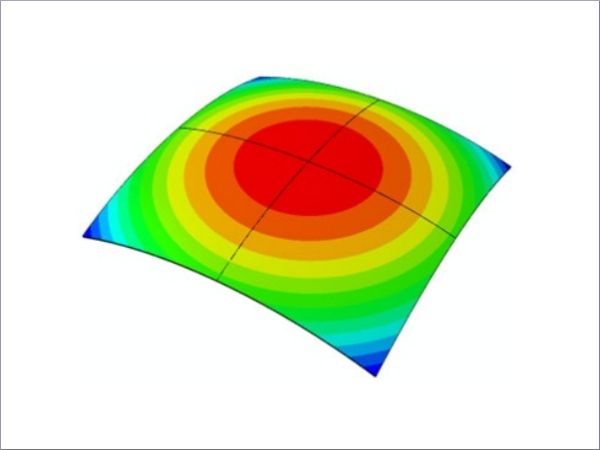
| Discover how Vacuum Insulated Glazing (VIG) is shaping the future of sustainable construction, combining outstanding thermal performance with innovative design solutions for residential, commercial, and heritage buildings.
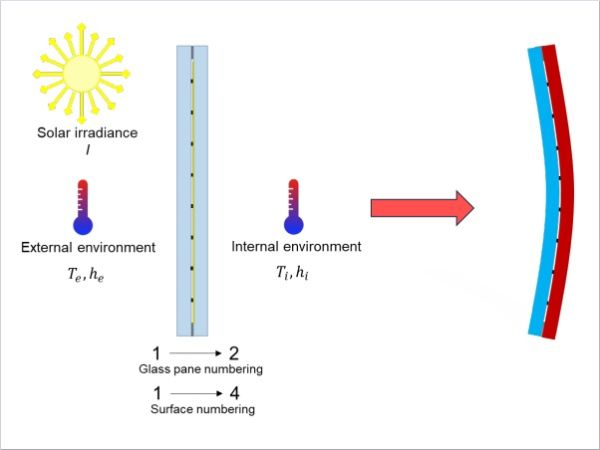
Design of a Test Setup for Experimental Investigation of Temperature Loads on Vacuum Insulated Glass
| A new study explores how Vacuum Insulated Glass (VIG) can support energy-efficient retrofits and new construction projects, while addressing the critical challenge of temperature-induced stress and future design standards.
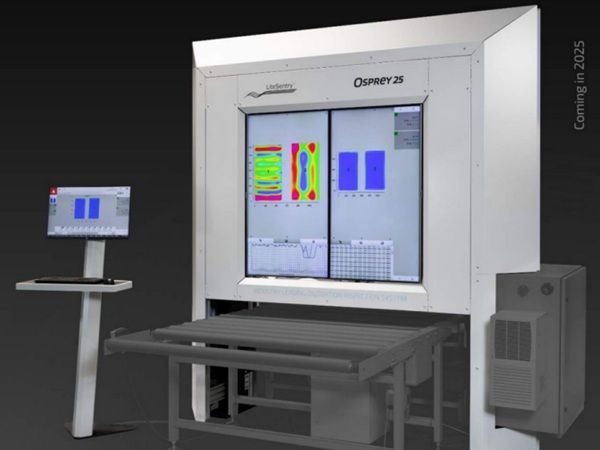
| This presentation explores how advanced measurement and grading methods can improve the objective assessment of optical quality in coated glass after heat treatment, addressing a key gap in current industry standards.
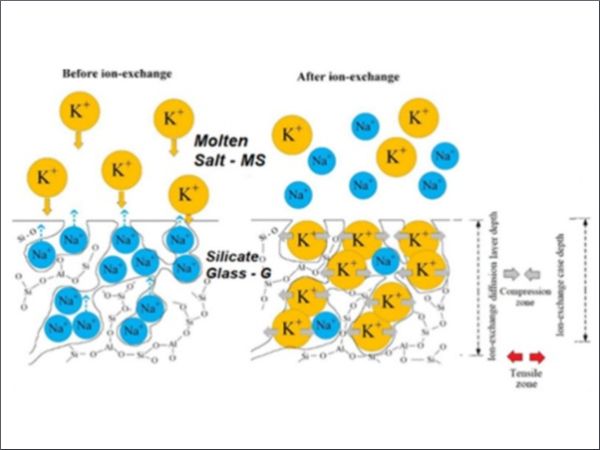
| A new study explores how ion exchange processes and molten salt chemistry influence stress development and strengthening performance in silicate glass.
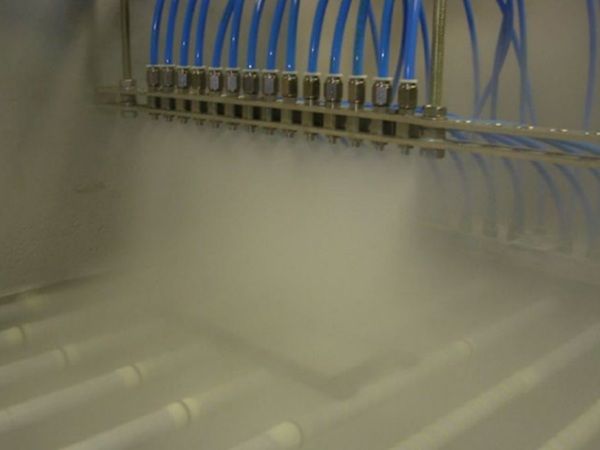
| This paper explores practical solutions to reduce the high energy consumption of air jet quenching in glass tempering, highlighting existing technologies and opportunities for more efficient and sustainable processing.
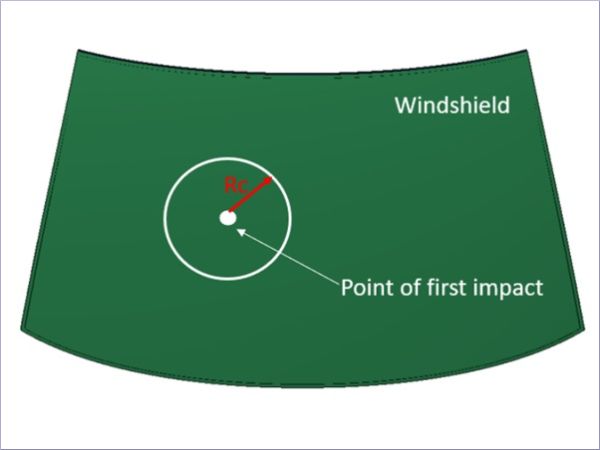
| An advanced FEM-based simulation approach enables accurate prediction of windshield performance in pedestrian protection tests across a wide range of designs and configurations.

| Exploring the evolution of laminated safety glass, this paper examines advanced interlayer solutions and their performance in ballistic applications.
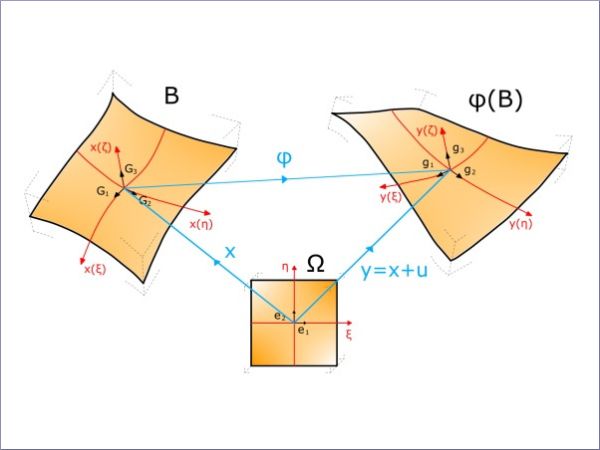
| Laminated glass design is challenged by accurately capturing shear coupling and nonlinear behavior, prompting the development of advanced FEM approaches that overcome the limits of traditional theories and commercial software.
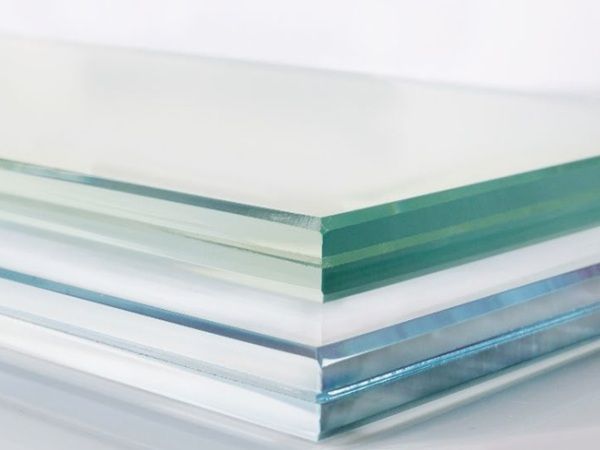
| Advances in interlayer technology are opening new possibilities for laminated safety glass, with improved stiff PVB delivering higher stiffness, enhanced durability and greater design flexibility for modern façade engineering.
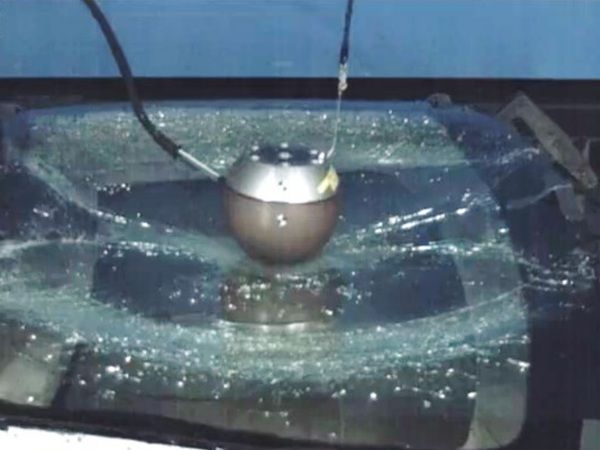
| A First Step to Characterize the Post-fracture Behaviour
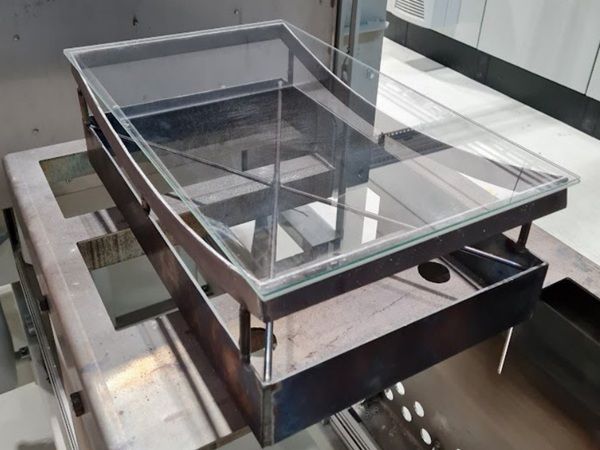
| This paper presents the challenges of combining borosilicate and soda-lime glasses in the windshield solution.

| This paper presents a groundbreaking technological development in the optical quality of tempered glass.

| Ultra-thin center glass is redefining what’s possible for insulating glass units—delivering lighter, thinner, and more energy-efficient glazing solutions for modern buildings.
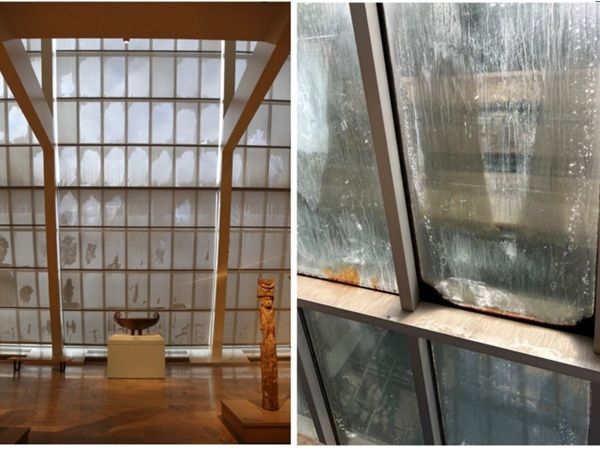
| Designing glazing for museum daylighting requires balancing art conservation, structural performance, and aesthetics—challenges explored through two sensitive glazing replacement case studies at the Metropolitan Museum of Art in New York.
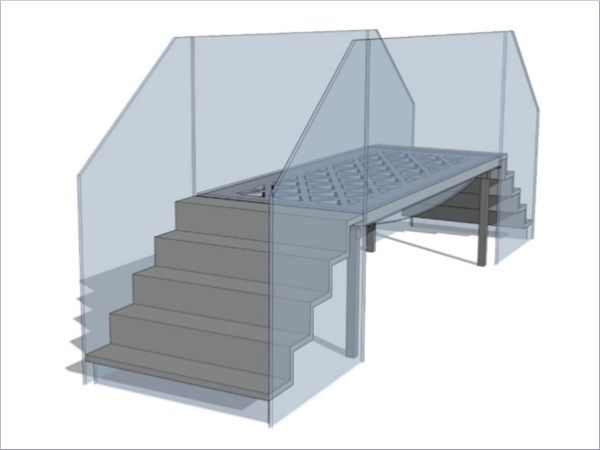
| This article presents how the pioneering G2C (Glass-to-Concrete) project is redefining construction by successfully integrating bonded glass and concrete into a full-scale pedestrian bridge demonstrator.
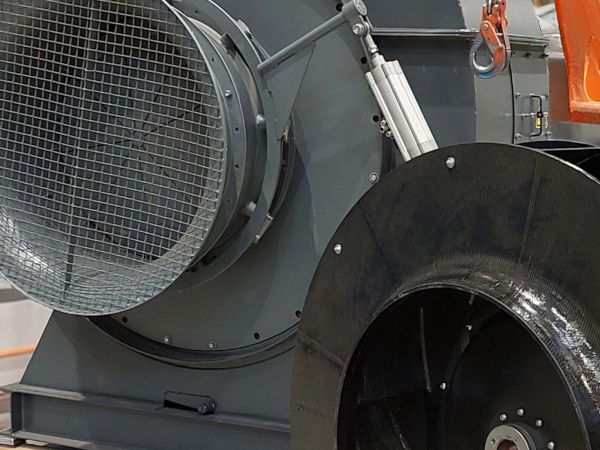
| Reducing energy consumption in glass tempering is no longer optional — and new cooling innovations are making it achievable.