
Others also read
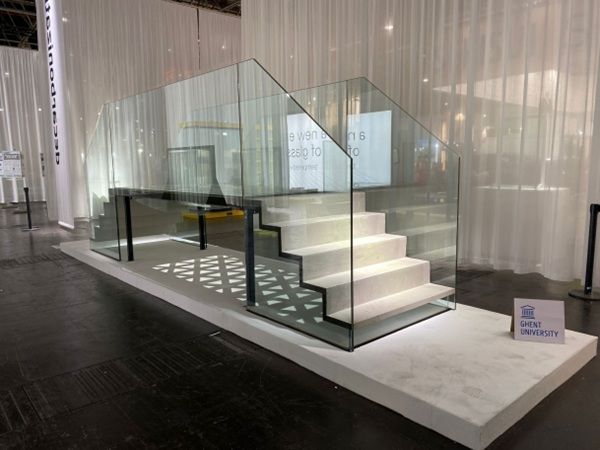
| This study demonstrates how fibre-reinforced and ultra-high-performance concretes enable structurally bonded glass-to-concrete systems, opening new possibilities for efficient, sustainable, and visually striking hybrid structures.
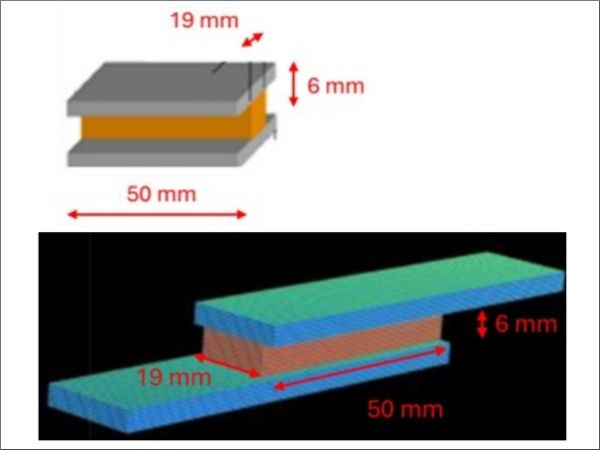
| A new study explores how smarter structural design and adhesive optimization in glass-metal façades can significantly cut embodied carbon while maintaining performance and integrity.
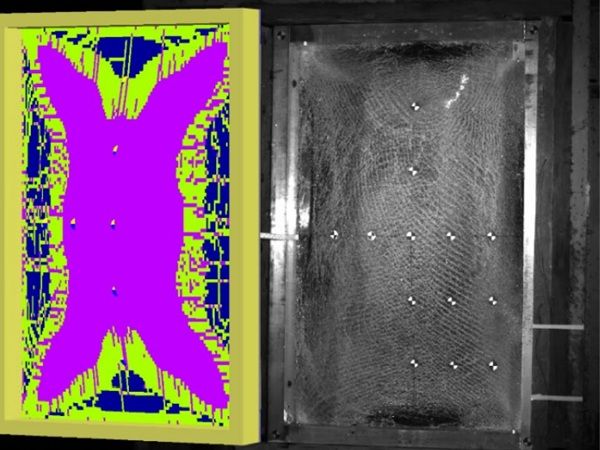
| Understanding how glazing systems behave under blast conditions is essential for designing safer, more resilient façades.

| Latest on Glastory by Robert Jenks: Improving your performance for a lifetime - Smart strategies for glass processing line success (Part 2/2)

| As the façade industry advances in sustainable glass coatings, it’s time to look beyond energy performance and focus on human-centered design—exploring how light, spectrum, and transmittance impact our wellbeing.

| Smart glass, simplified. Meet OSSE, Organic Semiconductor Materials for Sustainable Electronics, from the University of Turku.

| In Part 1 of the new Glastory blog series, the article explores how production uptime becomes a competitive advantage and which strategies help keep operations smooth and businesses strong.
| In this seventh episode, we’re exploring how dynamic mixing enhances sealing quality and speed.
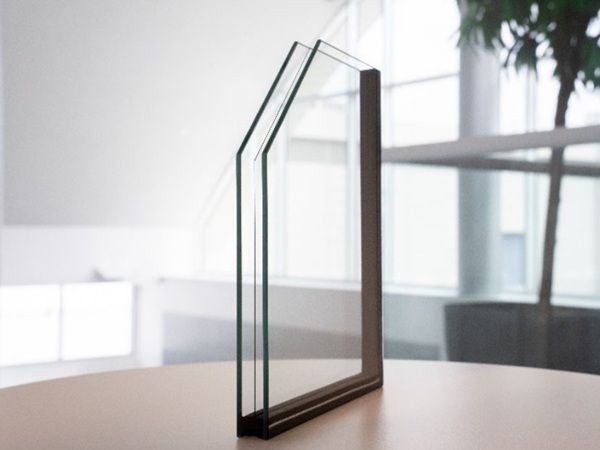
| A new paper explores the complete process and equipment innovations enabling the handling, cutting, and manufacturing of ultra-thin boro-aluminosilicate glass for architectural applications.
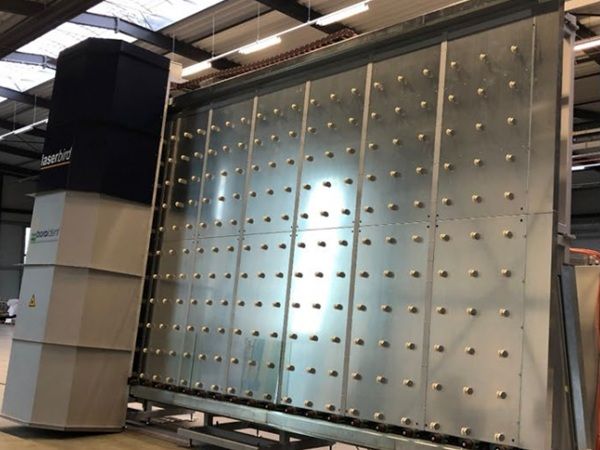
| Advances in architectural design and energy-efficient construction are reshaping expectations for modern glazing solutions.

| At Step Change 2025, ReViSalt demonstrated how its innovations are reshaping the future of glass strengthening.
| In this sixth episode, the focus is on how to assemble and gas-fill IG units synchronously.

| Fresh from Step Change 2025, Lithium Designers GmbH, the Frankfurt-based innovators transforming façade planning through parametric design and 3D-printed nodes, shared their insights on how technology is reshaping the future of architectural design.

| The path to low-carbon, high-performance facades depends on mastering the long-term thermal behavior and lifecycle performance of Insulating Glass Units (IGUs).

| At Step Change 2025, in connection with Glass Performance Days 2025, eLstar Dynamics wowed us with their smart glass tech that dynamically shifts from ultra-dark (0.1% transparency!) to crystal clear (up to 70%).
| In this fifth episode, the focus is on how the new TPS® PRO Applicator achieves up to 15% higher yield.
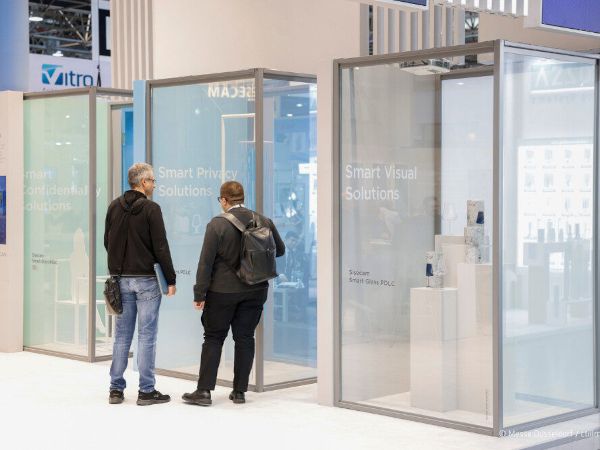
| Be it for more privacy at the office, discretion during conferences or an aesthetic styling element in architecture – switchable glass transforms transparent surfaces into opaque walls at the touch of a button.
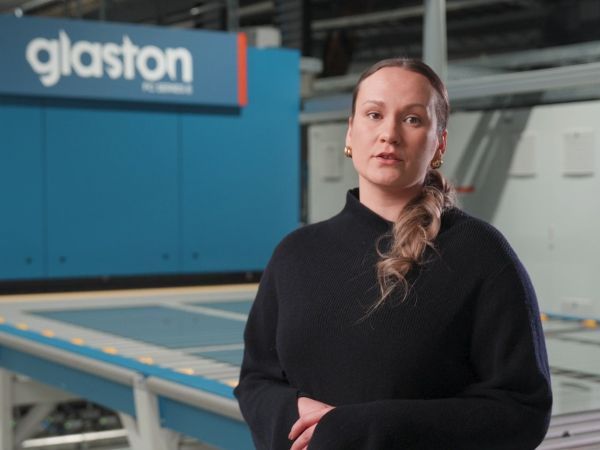
| In this ninth episode of #AskGlaston flat tempering series, we explore how to optimize energy efficiency in the case of short loadings.

| In this fourth episode, the focus is on how to clean glass plates efficiently.

| Viprotron has developed a new technology for the exit of the furnace, that allows the measurement of the distortion of tempered glass with high precision and unparalleled repeatability.
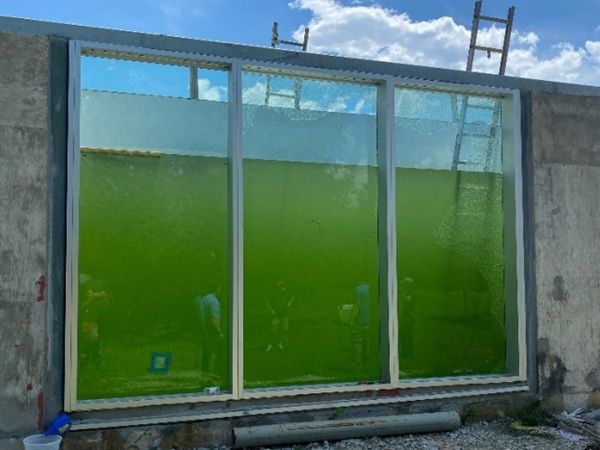
| ASTM has introduced a new standard, ASTM E3401, to guide the safe use of laminated glass in swimming pools, aquariums, and other applications subject to hydrostatic loads.
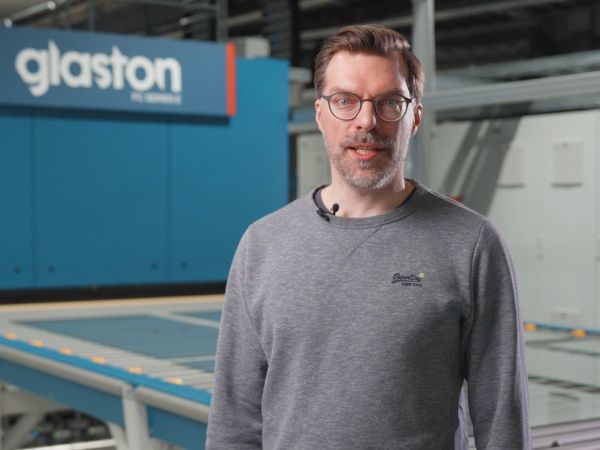
| In this eighth episode, we delve into optimizing energy efficiency in Low-E production.

| New international standards are reshaping the way modern façade glass is designed, balancing security performance with comfort, safety, and multifunctionality.

| How do you move glass plates without a single scratch?
| Discover how TPS® boosts IGU longevity and energy performance in this Glastory blog and download the presentation.