
Others also read

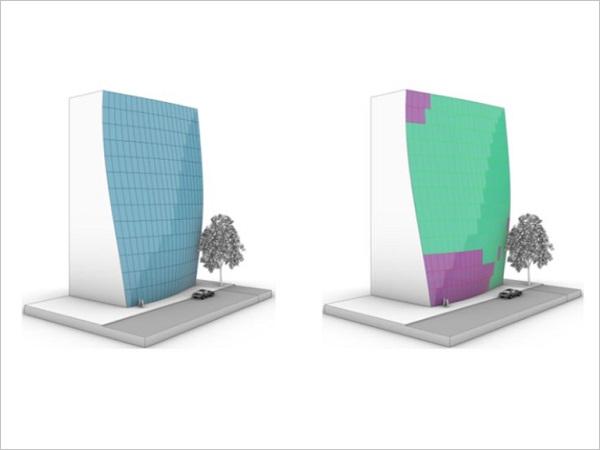
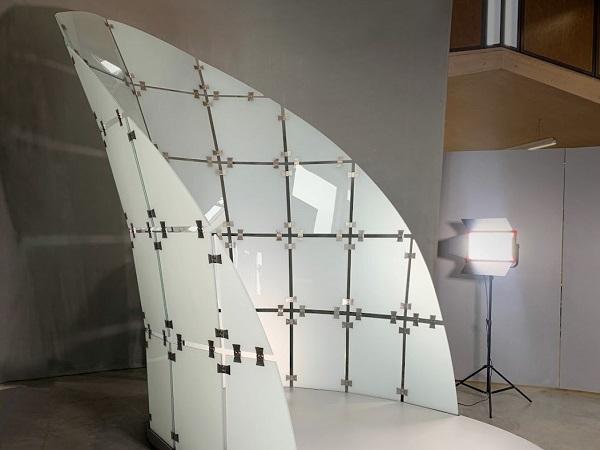
| The main challenge in the design of the duplex façade was the high aesthetical performance that the façade had to meet.
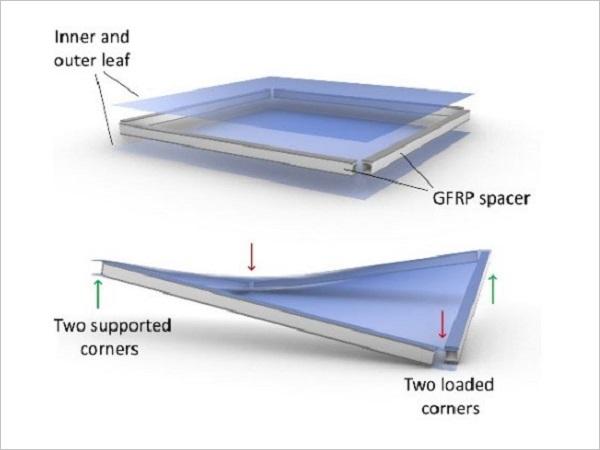
Investigations on the Cold Bending Behaviour of a Double Glazing Unit with a Rigid Edge-Spacer Frame
| In this study, the bending process of specially-fabricated double glazing units (‘panels’) is investigated with a focus on a local instability phenomenon.
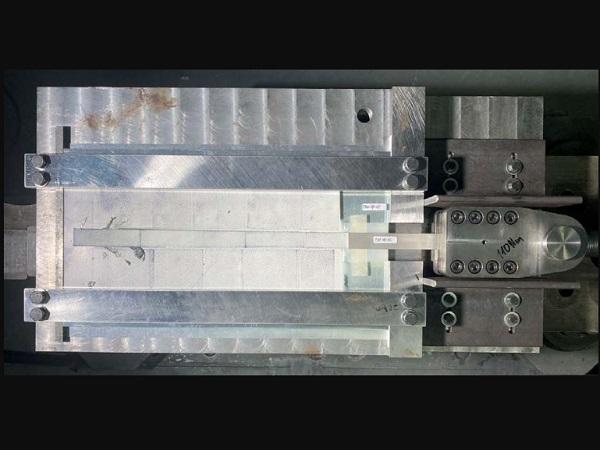
| As a contribution to assessing the feasibility of strengthening glass elements with adhesively bonded Fe-SMA strips, this paper focuses on the bond behavior of glass-to-Fe-SMA lap-shear joints based on numerical investigations.
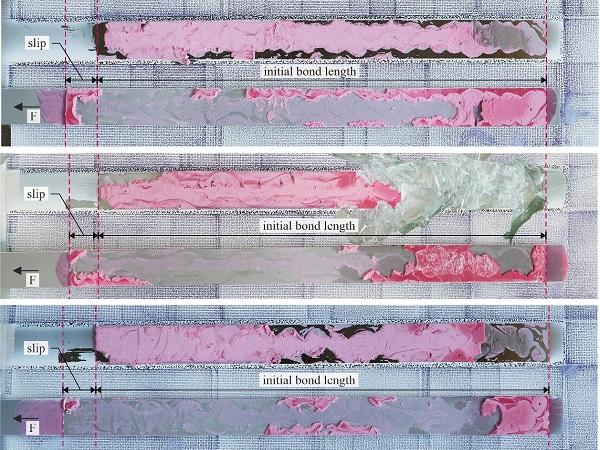
| This work discusses the results from first feasibility investigations dealing with the choice of adhesive and identifying a suitable activation procedure for Fe-SMA strips adhesively bonded to glass elements.
| The paper presents the results of FEM analysis as well as tests performed on double glazed units including Sikasil® IG-25 secondary sealing joints and SikaGlaze® IG-5 PIB as primary seal.
| The paper undertakes a review of basic interlayer stack data with regards to viscoelastic properties and adhesion, and the engineering hypotheses using recent preliminary fitting test results for various loading schemes.
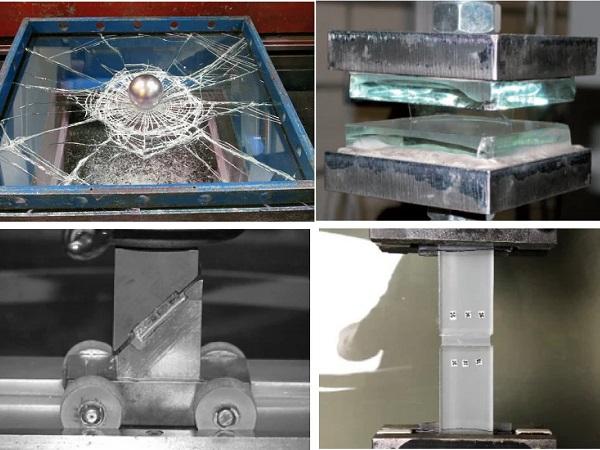
| This paper shows different Pummel classifications that can currently be found on the market. Subsequently, approaches to the automatization and standardization of the execution and especially the evaluation of the Pummel test are shown.
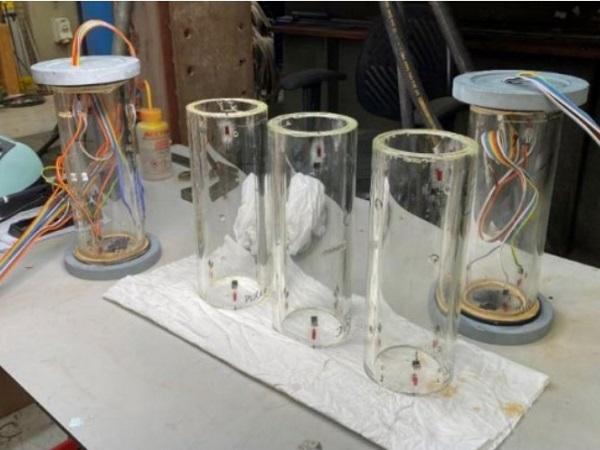
| This research revolves around the design, fabrication and testing of tubular glass columns, with particular focus on their redundancy and fire-safety mechanisms.
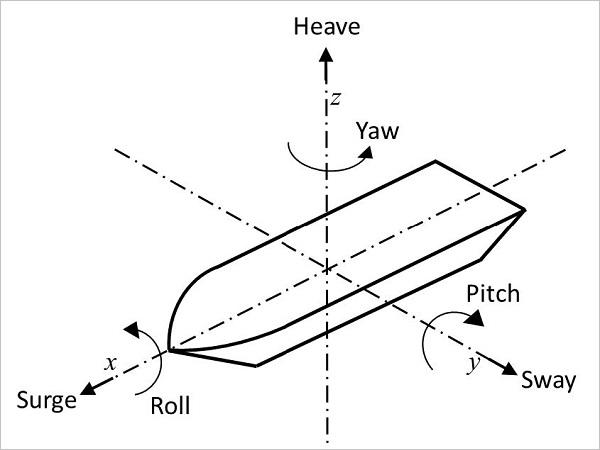
| This paper gives an overview of the requirements of a ship structure, and more specifically yacht structures, and describes the challenges associated with using glass as a fully integrated structural component.
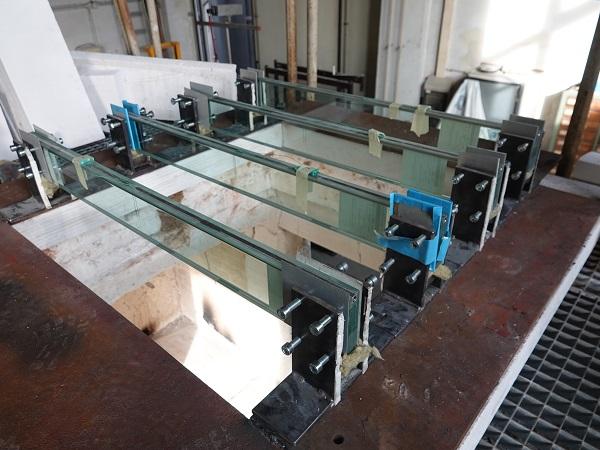
| This study provides a closer look at fire performance of glass beams and proposes further examinations to increase the load-bearing capacity in case of fire.
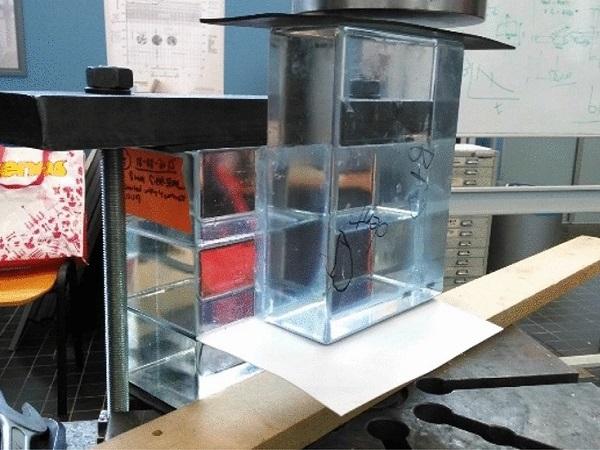
| Ground rules emerging from built case studies on adhesive selection and experimental validation.
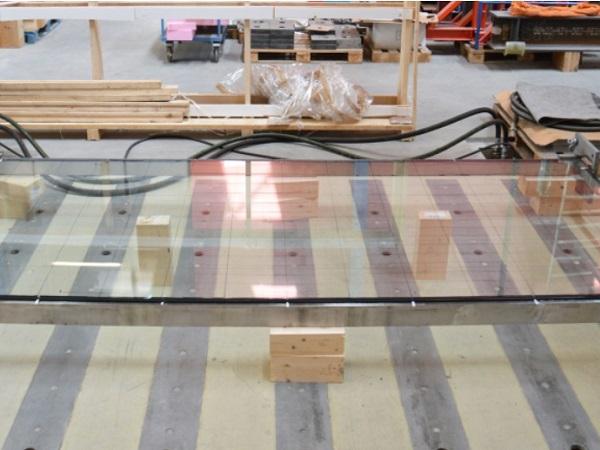
Investigations on Linear Silicone Joints for Glass-Metal Elements with Composite Structural Behavior
| In this article, experimental and numerical results obtained for linear structural silicone joints between glass and stainless steel substrates, investigated separately under tensile and under shear loading, are discussed.
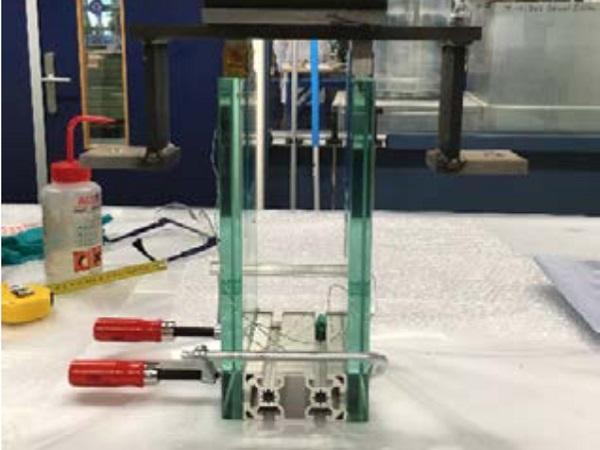
| This work focuses on the Transparent Structural Silicone Adhesive (TSSA), produced by Dow Corning.

| Eurocode-compliant, mesh-independent approach using the FEM

| Overview, Case Studies and Future Potentials
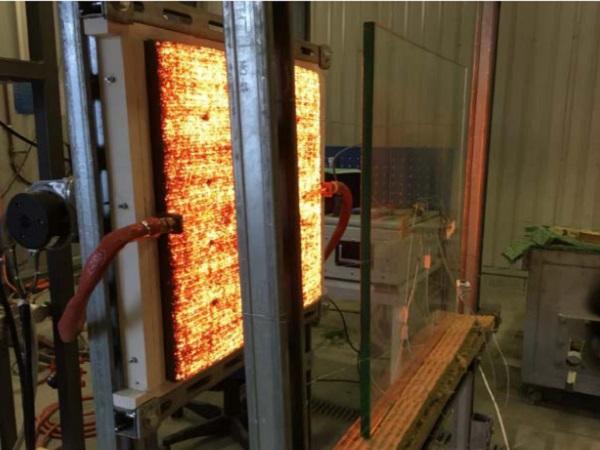
| This paper focuses on a recently developed concept, in which glass is combined with timber to provide post-breakage strength and ductility.
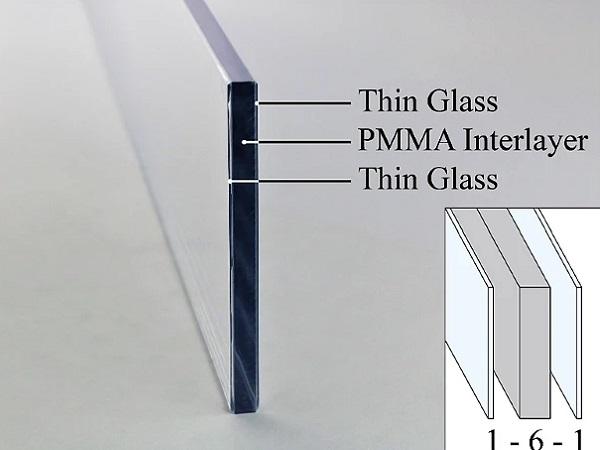
| Novel innovative glass–plastic-composite panels combining a lightweight polymer polymethylmethacrylate (PMMA) interlayer core and cover layers of thin glass are currently under development.

| Glass can form and shape a space, creating transparent architecture that can make you feel closer to the outside world.
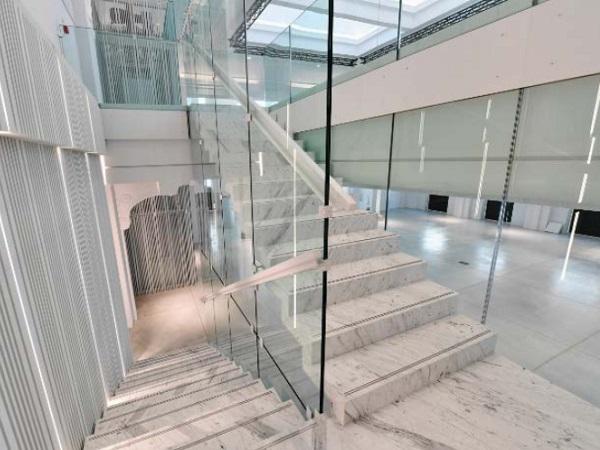
| The paper illustrates the design project of the main laminated glass balustrade of a steel staircase installed in the historical Margherita Theatre in Livorno, Italy.
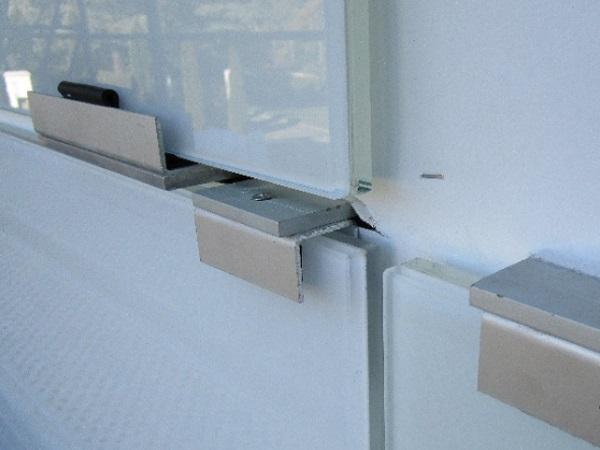
| The aim of this paper is to explain how the design intent of a bespoke glazed façade develops from the point of view of the façade consultant BIFF SA.
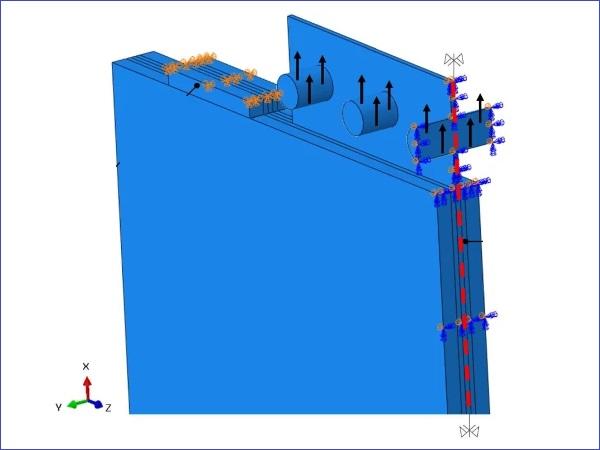
| High strength load-bearing connections between glass components are challenging because they are required to transmit high forces in a material that is sensitive to stress concentrations.
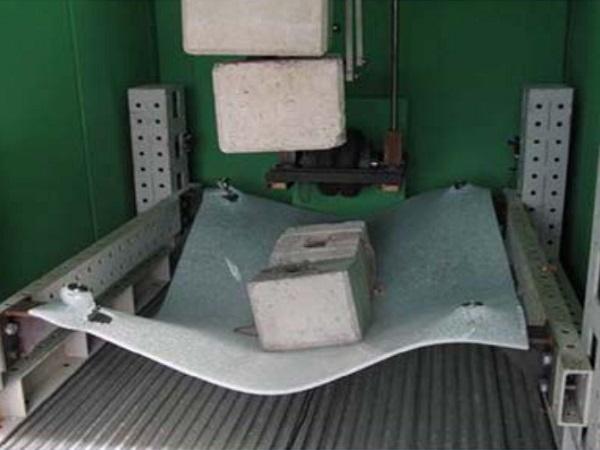
| The use of laminated glass is becoming more recognized as a safer alternative to monolithic glass due to its glass retention properties.

| This article describes the use of PVB interlayers, such as Saflex®-DG interlayers, for applications in structural glass construction as laminated safety glass with an approach of shear coupling.
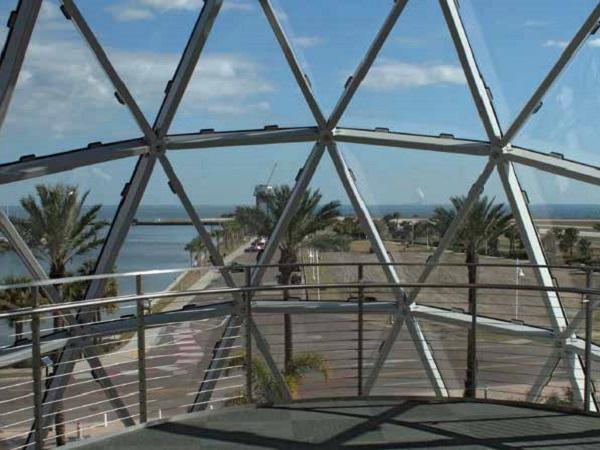
| To create spectacular Tampa Bay views from inside the museum, Novum Structures used hurricane-resistant safety glazing.
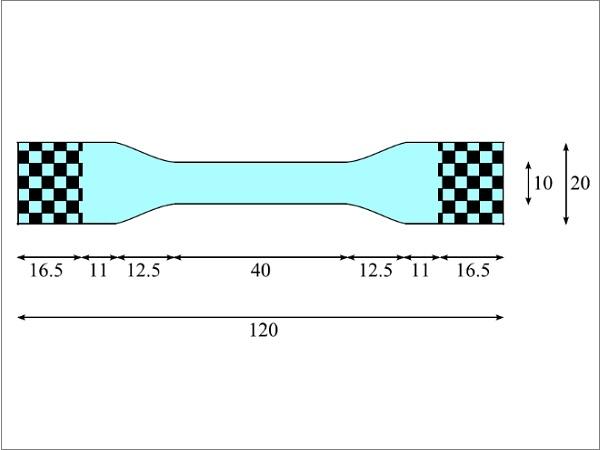
| The article describes the mechanical behaviour of PVB interlayer and the constitutive models by which the polymer can be represented under different load cases.