
Others also read
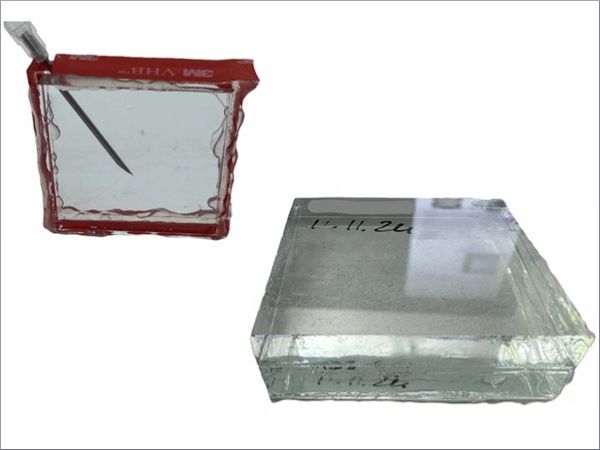
| Exploring LCPI adhesives as a promising alternative for stronger, more versatile laminated safety glass.
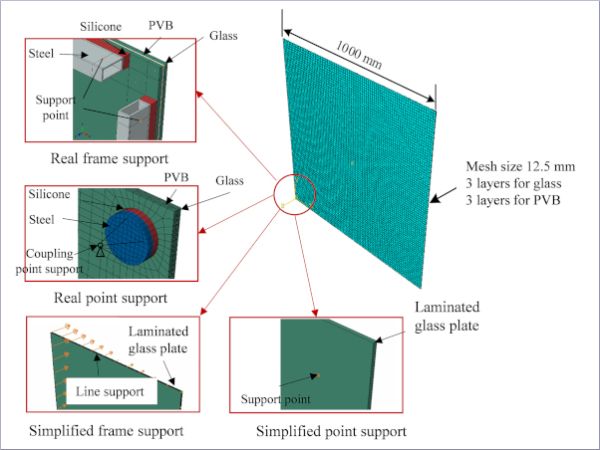
| New research investigates the load-bearing performance and failure mechanisms of anticlastic cold bent glass plates, combining physical testing with finite element modeling to examine the effects of support conditions, cold bending degree, and plate geometry.
| Ultra-thin glass is opening new possibilities for high-performance insulating glass units, delivering improved energy efficiency, comfort, safety, and reduced weight for next-generation glazing solutions.

| Aesthetic Expression, Form Freedom, and High-Precision Manufacturing for Next-Generation Building Envelopes
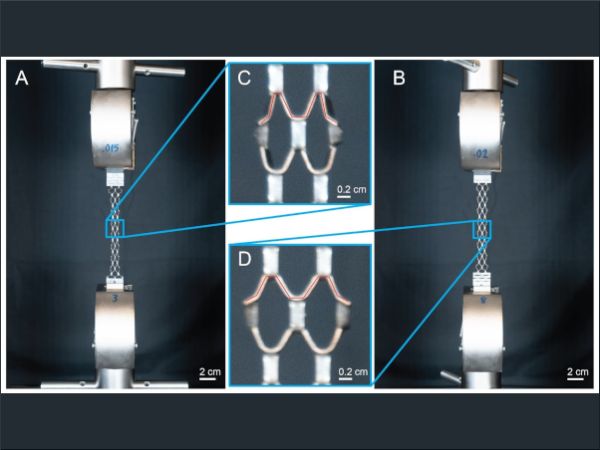
| Exploring a new approach to glass masonry, researchers demonstrate how metal kirigami interlayers can reduce weight, lower embodied carbon, and improve the performance of dry-assembled glass structures.
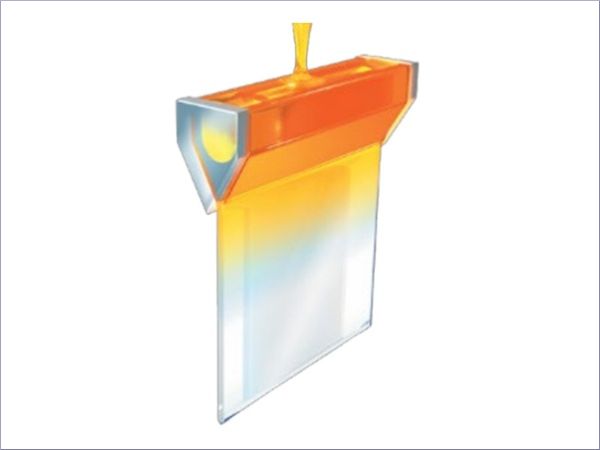
| A new generation of boro-aluminosilicate glass is opening new possibilities for architecture, combining lightweight design with exceptional strength, durability, and sustainability.
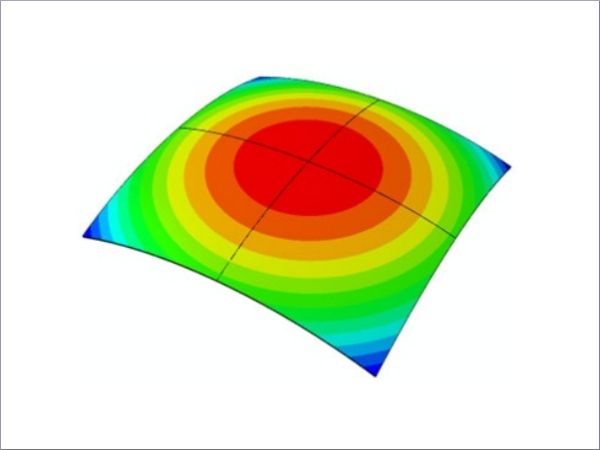
| Discover how Vacuum Insulated Glazing (VIG) is shaping the future of sustainable construction, combining outstanding thermal performance with innovative design solutions for residential, commercial, and heritage buildings.
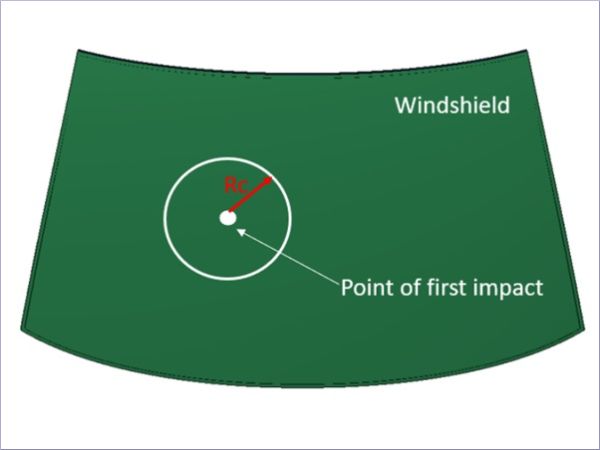
| An advanced FEM-based simulation approach enables accurate prediction of windshield performance in pedestrian protection tests across a wide range of designs and configurations.

| Exploring the evolution of laminated safety glass, this paper examines advanced interlayer solutions and their performance in ballistic applications.
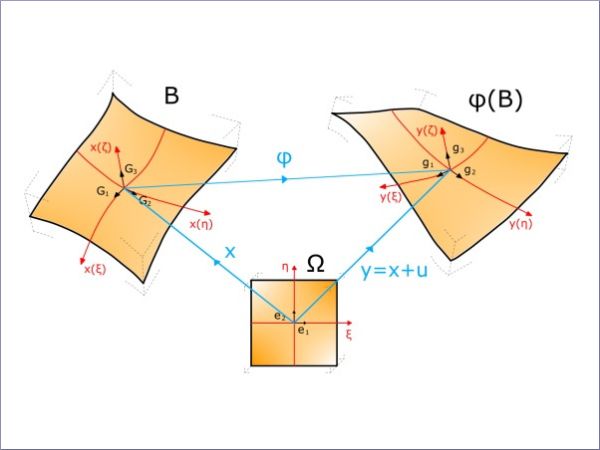
| Laminated glass design is challenged by accurately capturing shear coupling and nonlinear behavior, prompting the development of advanced FEM approaches that overcome the limits of traditional theories and commercial software.
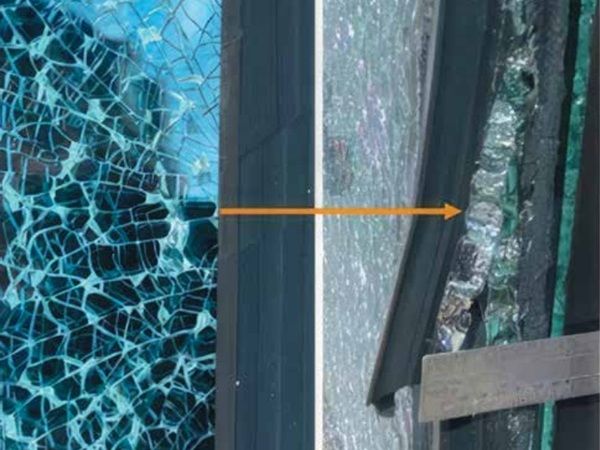
| Part One: Understanding and Identifying NiS Inclusions
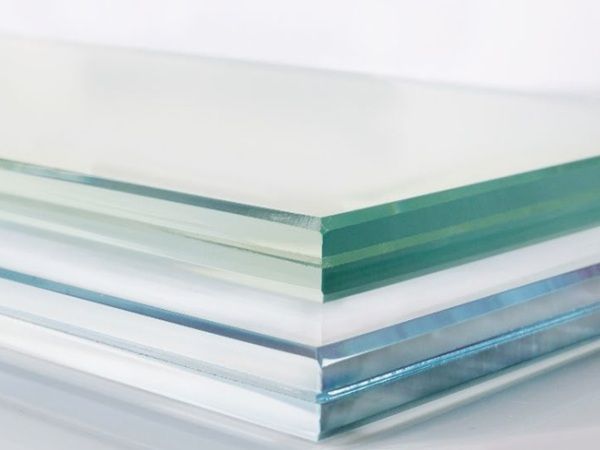
| Advances in interlayer technology are opening new possibilities for laminated safety glass, with improved stiff PVB delivering higher stiffness, enhanced durability and greater design flexibility for modern façade engineering.
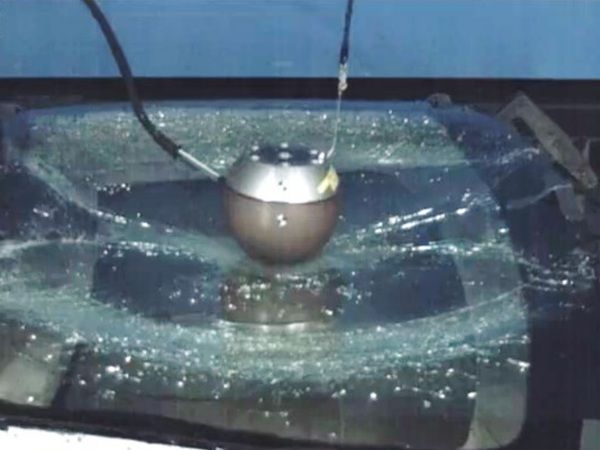
| A First Step to Characterize the Post-fracture Behaviour

| Ultra-thin center glass is redefining what’s possible for insulating glass units—delivering lighter, thinner, and more energy-efficient glazing solutions for modern buildings.
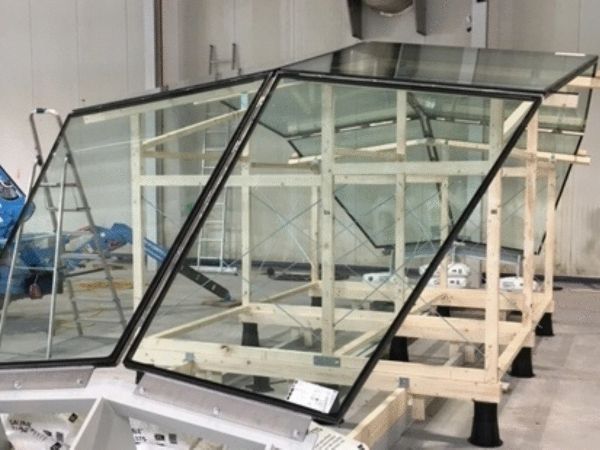
| This research explores how load-bearing glass can move beyond infill applications through an innovative linear metal edge fitting integrated into insulated glazing units.
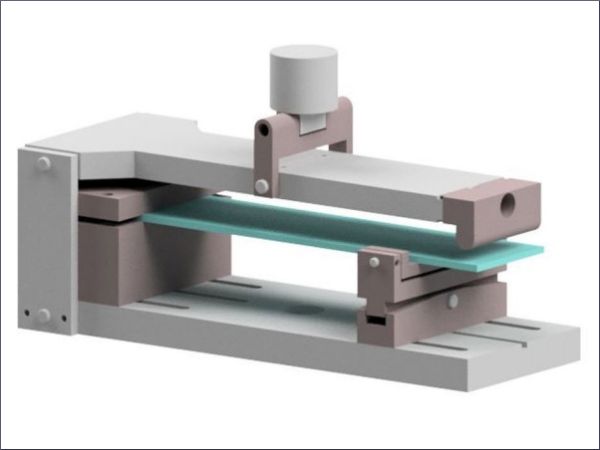
| This study explores how fibre optic sensors can accurately measure strain and temperature in laminated glass systems, revealing how adhesives, temperature, and load conditions influence the mechanical behaviour of PVB and embedded sensors.
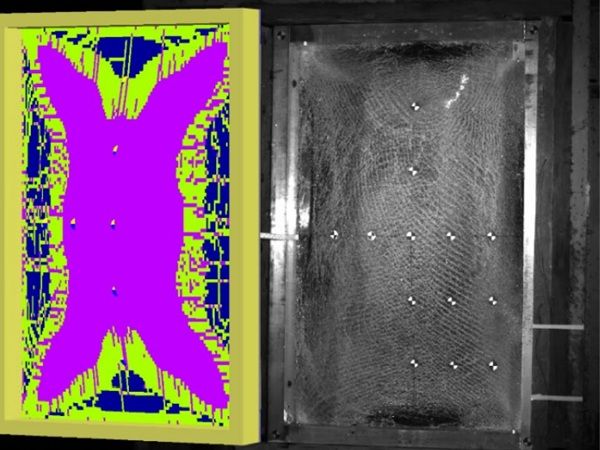
| Understanding how glazing systems behave under blast conditions is essential for designing safer, more resilient façades.
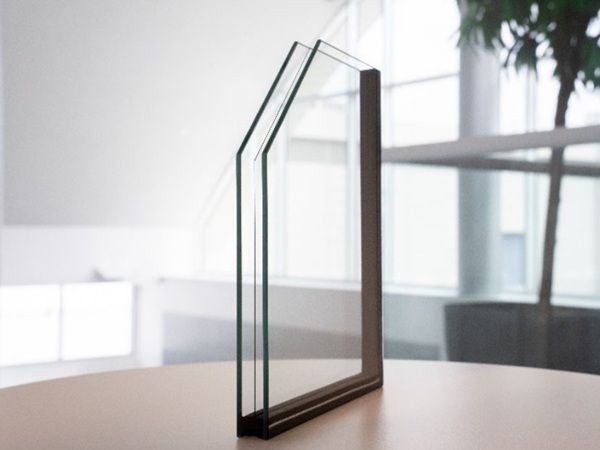
| A new paper explores the complete process and equipment innovations enabling the handling, cutting, and manufacturing of ultra-thin boro-aluminosilicate glass for architectural applications.
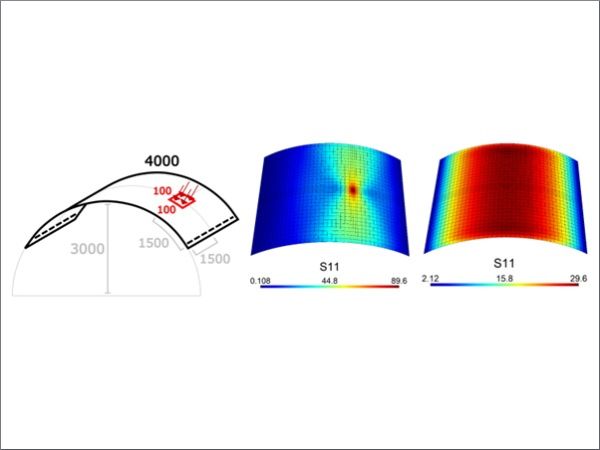
| A new advanced FEM model has been developed to accurately simulate the nonlinear behavior of Insulating Glass Units (IGUs), including curved configurations, offering higher precision and faster computation compared to commercial software.
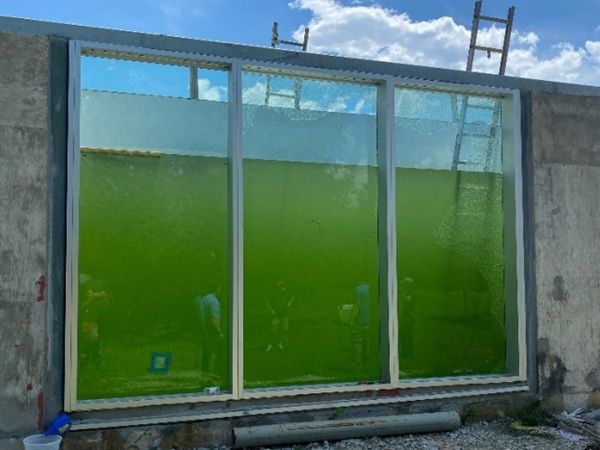
| ASTM has introduced a new standard, ASTM E3401, to guide the safe use of laminated glass in swimming pools, aquariums, and other applications subject to hydrostatic loads.

| New international standards are reshaping the way modern façade glass is designed, balancing security performance with comfort, safety, and multifunctionality.
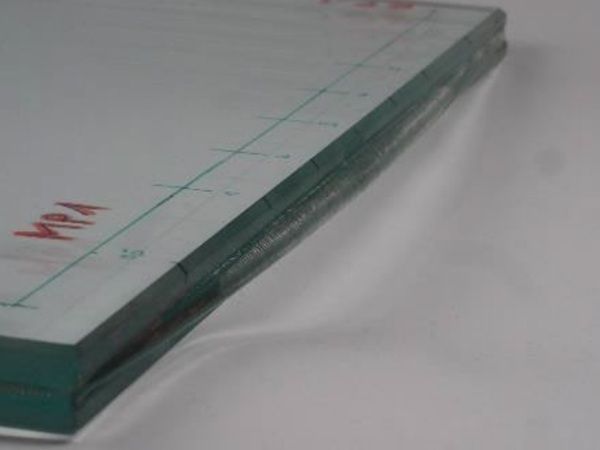
| The growing use of glass in modern architecture has increased the importance of laminated safety glass (LSG), prompting new research into how production processes impact its long-term durability and safety.
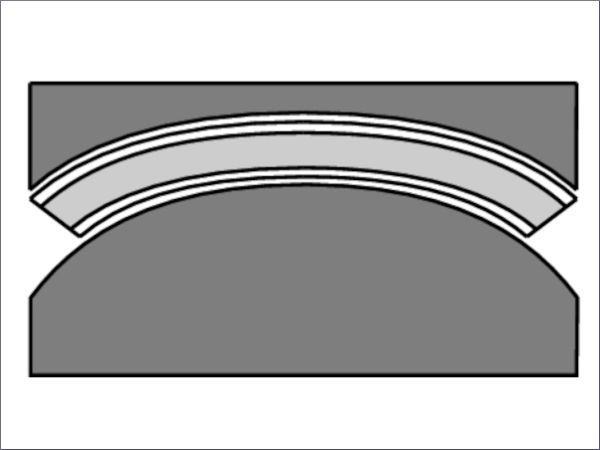
| A new study explores the potential of liquid optically clear adhesives (LOCA) as interlayers in laminated glass, offering promising solutions for complex curved designs and smart glazing applications.

| Dive into the blog to learn how cutting-edge solutions are making ultra-thin glass production possible—and scalable.
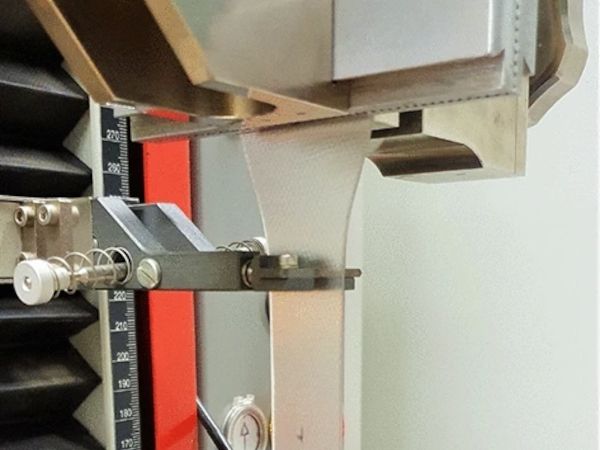
| Modeling broken laminated glass remains a challenge—this study proposes a simplified numerical approach based on interlayer experiments.