
Others also read
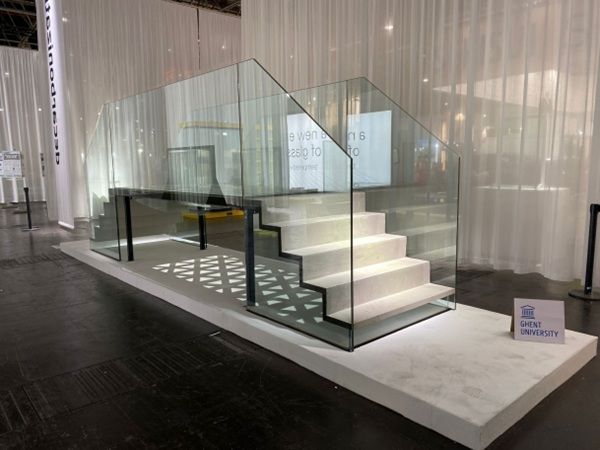
| This study demonstrates how fibre-reinforced and ultra-high-performance concretes enable structurally bonded glass-to-concrete systems, opening new possibilities for efficient, sustainable, and visually striking hybrid structures.
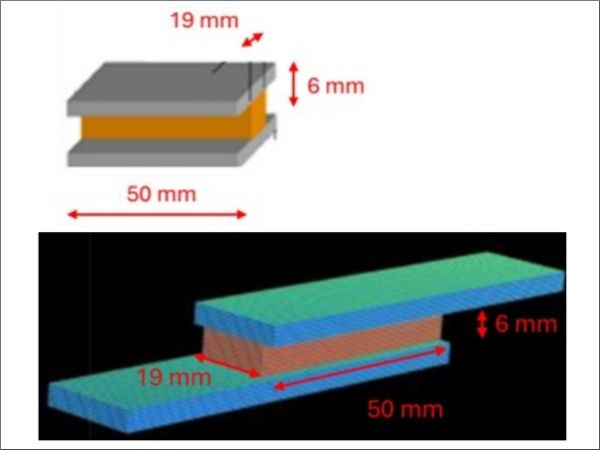
| A new study explores how smarter structural design and adhesive optimization in glass-metal façades can significantly cut embodied carbon while maintaining performance and integrity.
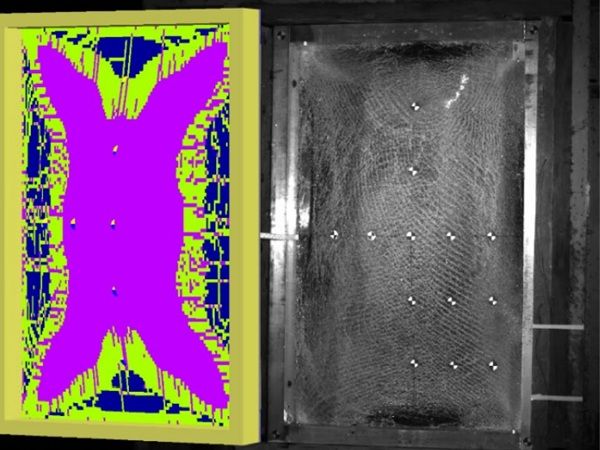
| Understanding how glazing systems behave under blast conditions is essential for designing safer, more resilient façades.

| As the façade industry advances in sustainable glass coatings, it’s time to look beyond energy performance and focus on human-centered design—exploring how light, spectrum, and transmittance impact our wellbeing.

| Smart glass, simplified. Meet OSSE, Organic Semiconductor Materials for Sustainable Electronics, from the University of Turku.
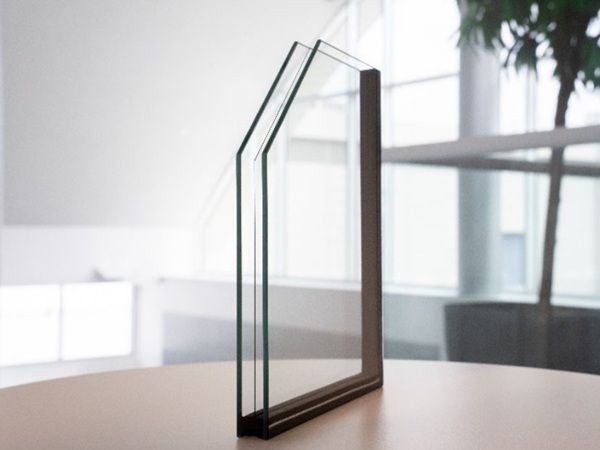
| A new paper explores the complete process and equipment innovations enabling the handling, cutting, and manufacturing of ultra-thin boro-aluminosilicate glass for architectural applications.
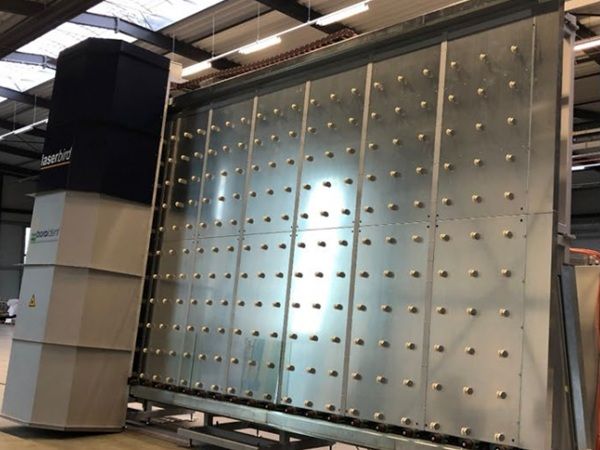
| Advances in architectural design and energy-efficient construction are reshaping expectations for modern glazing solutions.

| At Step Change 2025, ReViSalt demonstrated how its innovations are reshaping the future of glass strengthening.

| Fresh from Step Change 2025, Lithium Designers GmbH, the Frankfurt-based innovators transforming façade planning through parametric design and 3D-printed nodes, shared their insights on how technology is reshaping the future of architectural design.
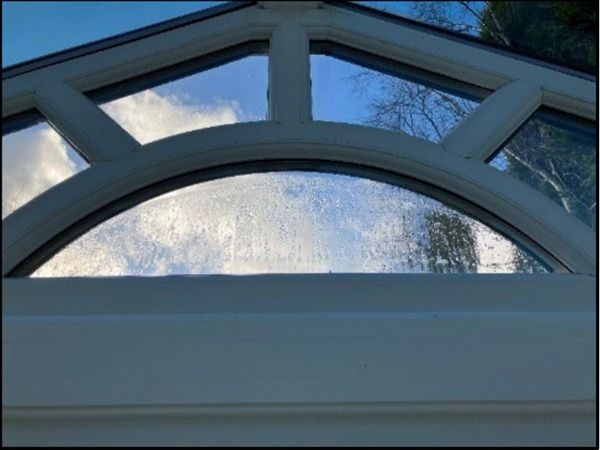
| The path to low-carbon, high-performance facades depends on mastering the long-term thermal behavior and lifecycle performance of Insulating Glass Units (IGUs).
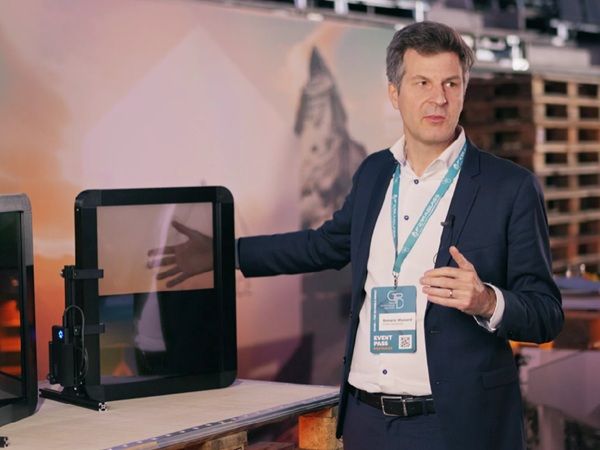
| At Step Change 2025, in connection with Glass Performance Days 2025, eLstar Dynamics wowed us with their smart glass tech that dynamically shifts from ultra-dark (0.1% transparency!) to crystal clear (up to 70%).

| Viprotron has developed a new technology for the exit of the furnace, that allows the measurement of the distortion of tempered glass with high precision and unparalleled repeatability.
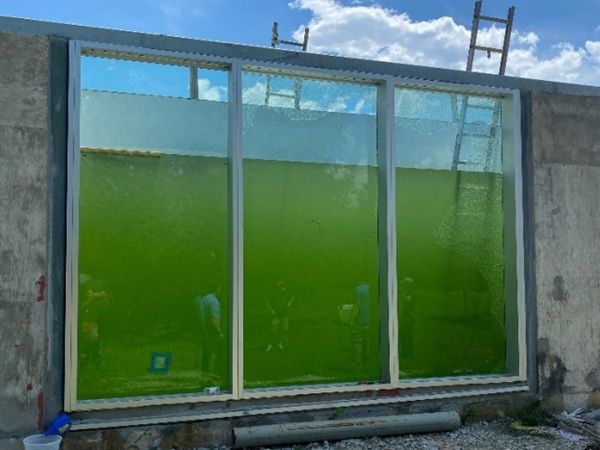
| ASTM has introduced a new standard, ASTM E3401, to guide the safe use of laminated glass in swimming pools, aquariums, and other applications subject to hydrostatic loads.
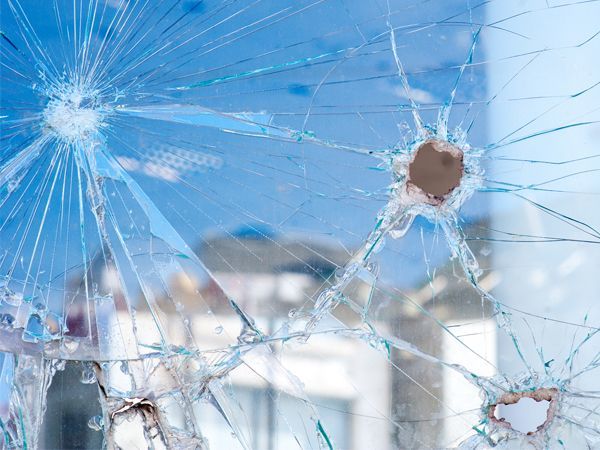
| New international standards are reshaping the way modern façade glass is designed, balancing security performance with comfort, safety, and multifunctionality.
| Discover how TPS® boosts IGU longevity and energy performance in this Glastory blog and download the presentation.
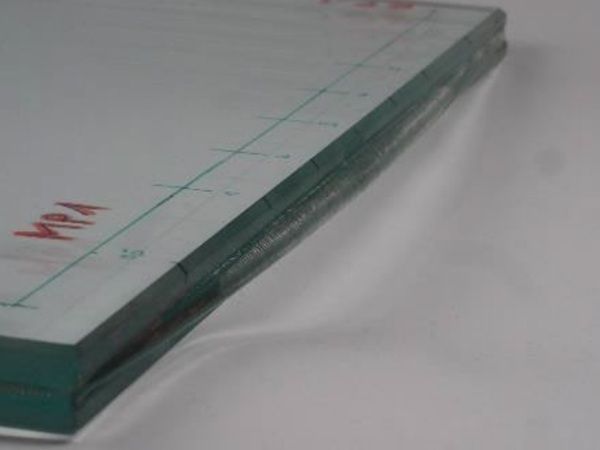
| The growing use of glass in modern architecture has increased the importance of laminated safety glass (LSG), prompting new research into how production processes impact its long-term durability and safety.
| Dive into the blog to learn how cutting-edge solutions are making ultra-thin glass production possible—and scalable.

| Demand for laminated safety glass is holding strong, driven by rising safety needs and new advances in sustainability and recycling.

| Fused recycled glass proves its strength: recent testing confirms its durability and suitability for architectural use in even the most demanding environments.
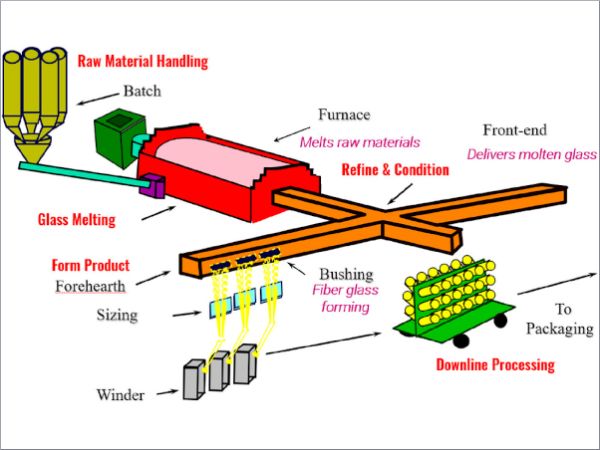
| There are ways to reduce the energy consumption and emissions of glass melting, such as recycling glass, using oxy-fuel burners, improving furnace insulation and design, and adopting electric melting technologies.
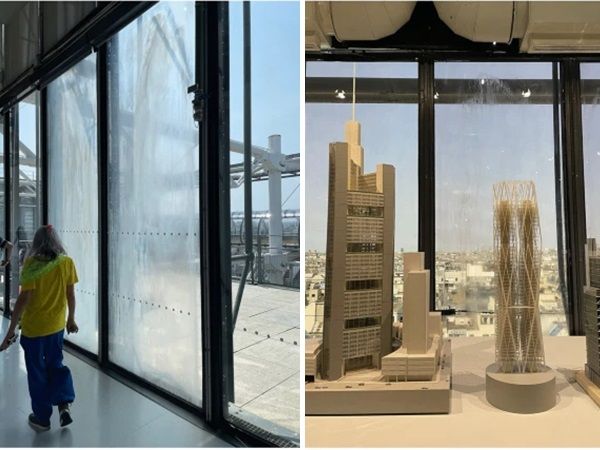
| The main objective of this paper is to explore the effects of ageing and exposure to indoor and outdoor environment on the strength of glass.

| This paper deals with the question of how old insulating glass units can be re manufactured to match the state of the art in terms of the energy efficiency.
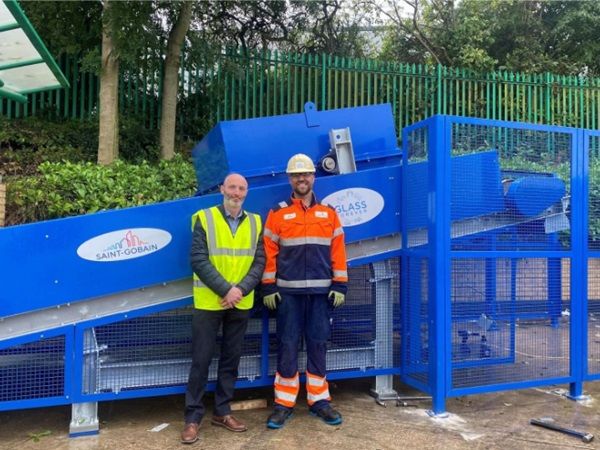
| The thesis examined the barriers to recovering end of life glass from commercial projects in London, and identified the drivers that will open pathways for glass to be recycled.
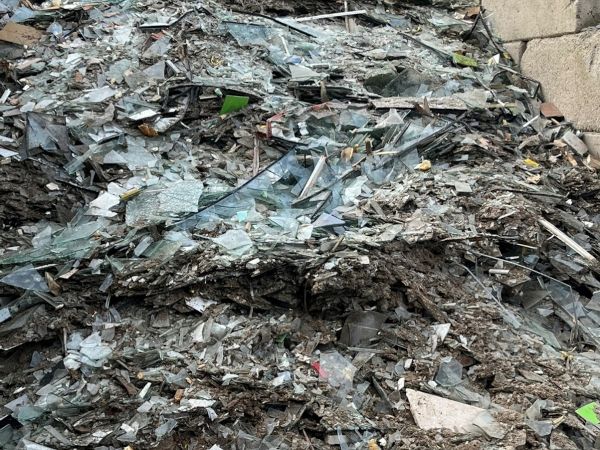
| Increasing the circularity of flat glass does not only mean to collect glass cullet from internal and pre- consumer processes. It also means to use glass cullet from the post- consumer applications, such as residential or commercial buildings.
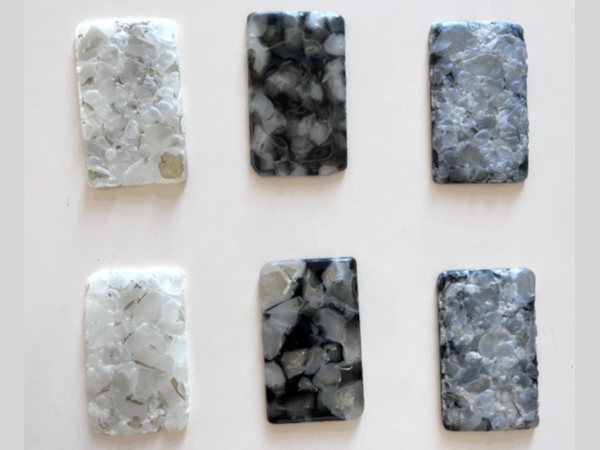
| This research examines the viability of recycling soda lime glass from post-consumer Insulated Glass Units (IGU), mixing various types of architectural glass cullet and fusing them into flat plates by using electric kilns.