
Others also read
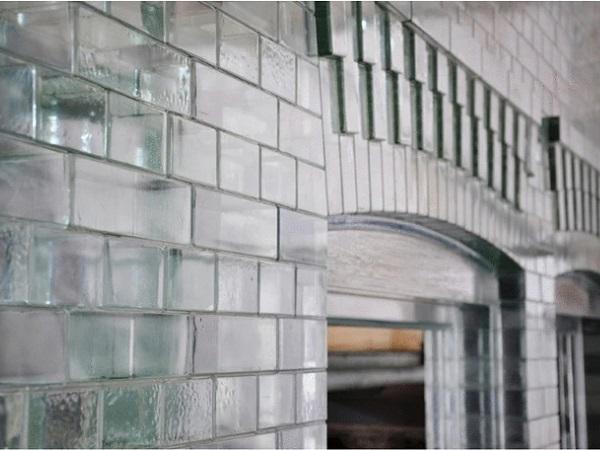
| A new design approach for loadbearing monolithic glass components of reduced annealing time
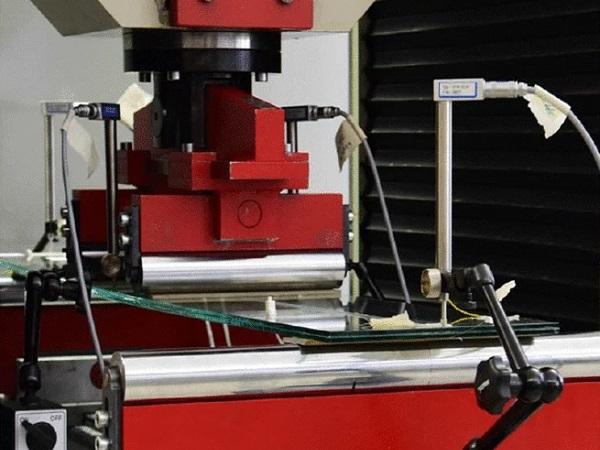
| The study describes the results of the shear modulus of viscoelastic interlayers made of polyvinyl butyral and provides the basis to define and evaluate a model for the finite element analysis.
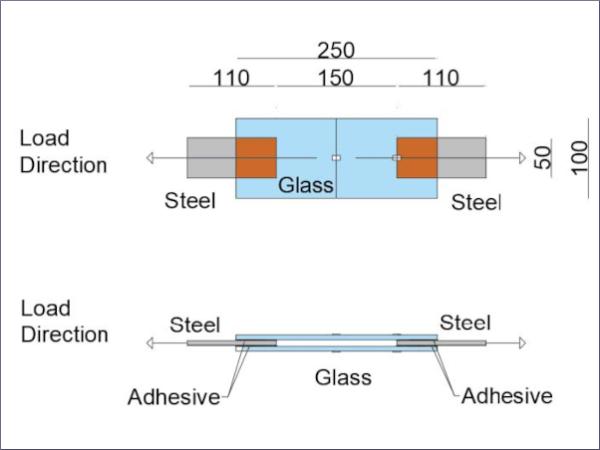
| Glass/steel adhesive joints are being used increasingly in the construction industry as they offer significant structural advantages over conventional mechanical fastener approaches.
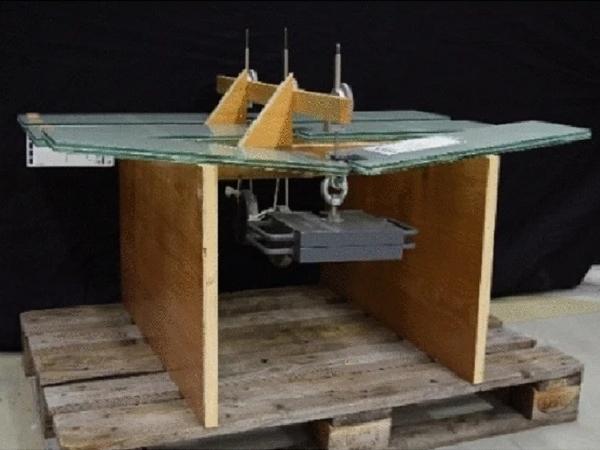
| Designing and building structural, glass-only shells is subjected to two principal boundary conditions: The use of planar or curved glass laminates with limited dimensions and the necessity to provide a structural joint between the adjacent glass modules.

| A Review of Essential Requirements towards Standardization
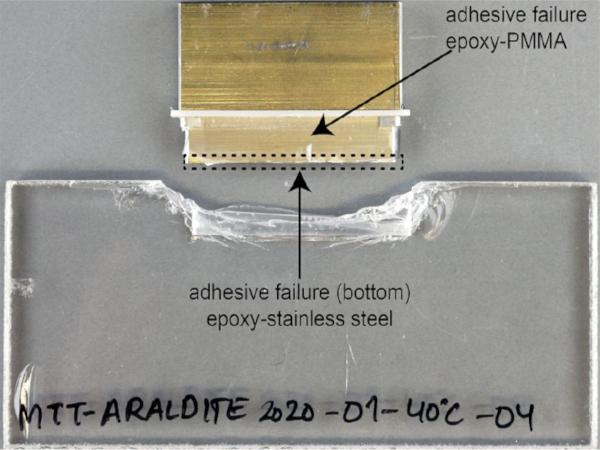
| An experimental study under tensile loading at +23, +40 and +60 °C and different glass build-ups

| In this third episode of the #AskGlaston flat tempering series, Taneli Ylinen deals with the commonly asked question of how to handle the issues with mixed production.
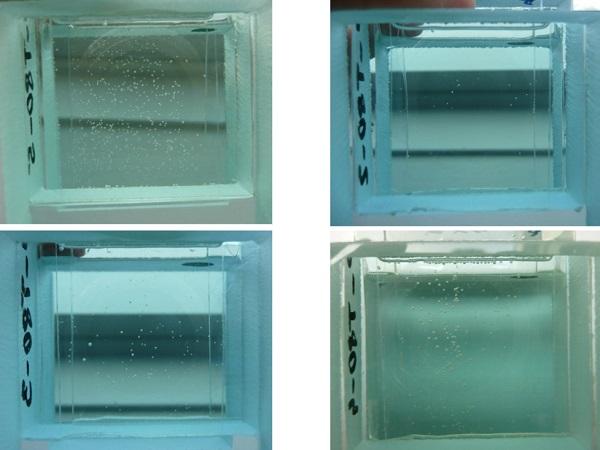
| The paper is focused on experimental testing of glass-to-glass connection using transparent adhesives.
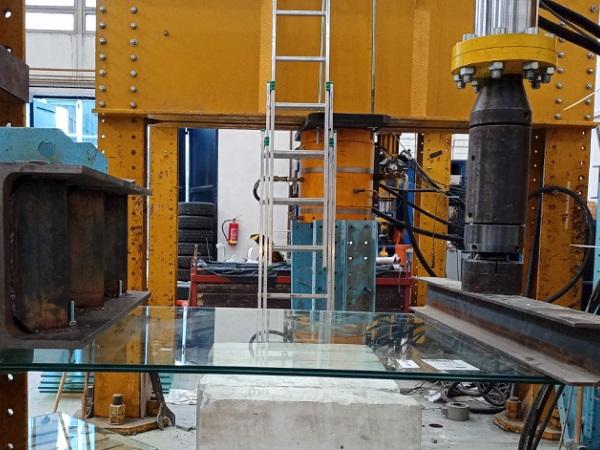
| Within this research, two sets of real-scale laminated banister panels with the embedded connection were tested.
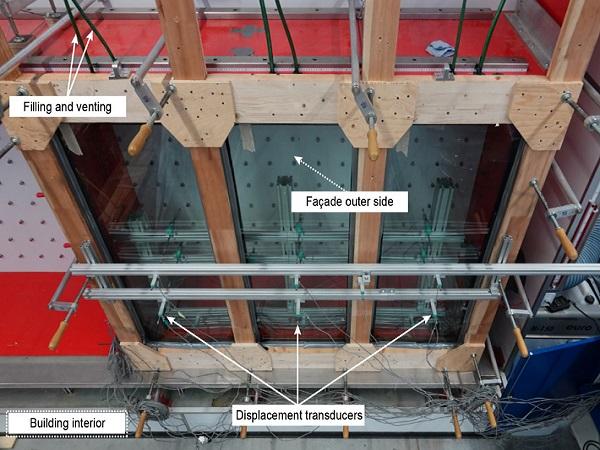
| This paper presents a study on the development of a bonded edge seal for fluid-filled insulating glass units.
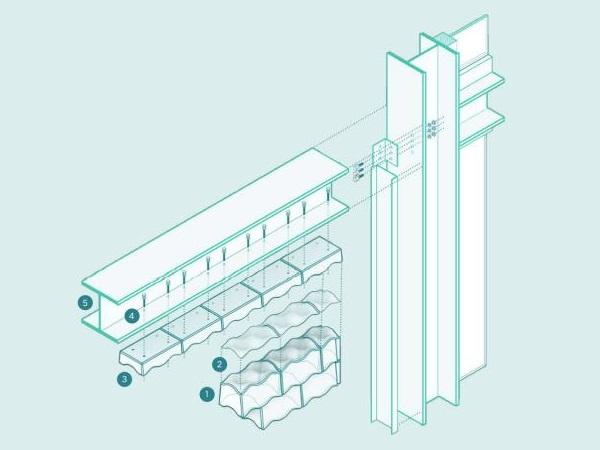
| An Interlayer Material Study Towards Circular, Dry-Assembly, Interlocking Cast Glass Block Structures

| The results of the classification of hail resistance classes for different materials for greenhouse enclosures are presented in this paper.
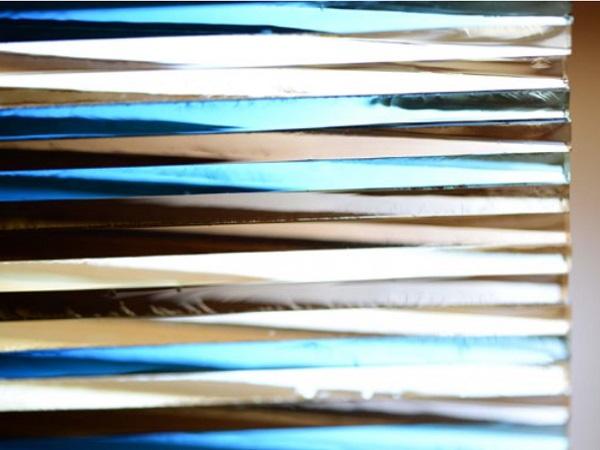
| Color Depth is a material-based research project investigating the optical and structural properties of thick glass.
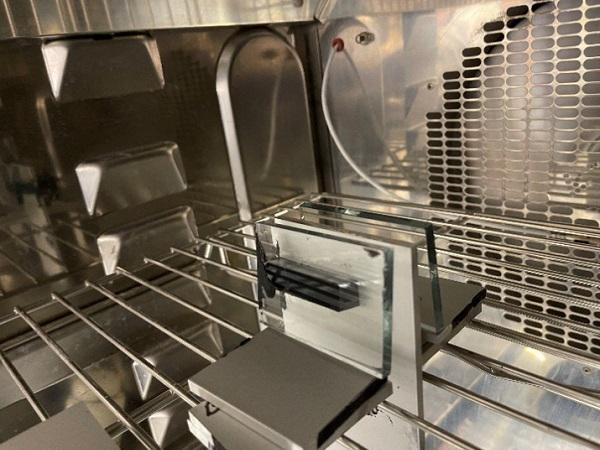
| This paper reviews the high-temperature behavior of a selected range of silicones used for sealing and bonding in construction.

| The main challenge in the design of the duplex façade was the high aesthetical performance that the façade had to meet.
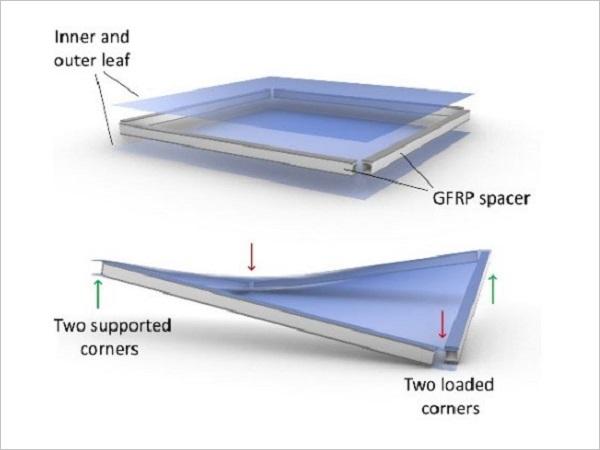
Investigations on the Cold Bending Behaviour of a Double Glazing Unit with a Rigid Edge-Spacer Frame
| In this study, the bending process of specially-fabricated double glazing units (‘panels’) is investigated with a focus on a local instability phenomenon.
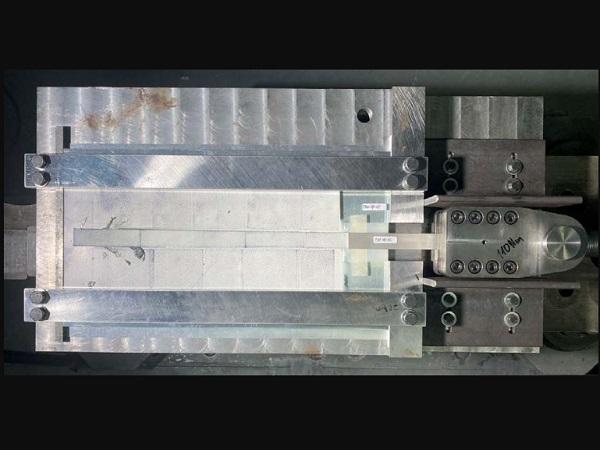
| As a contribution to assessing the feasibility of strengthening glass elements with adhesively bonded Fe-SMA strips, this paper focuses on the bond behavior of glass-to-Fe-SMA lap-shear joints based on numerical investigations.
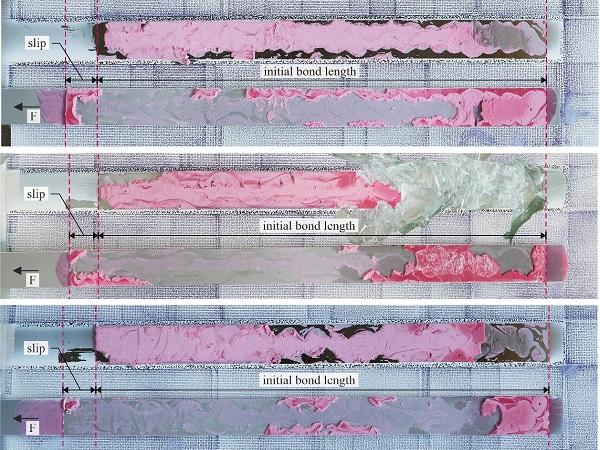
| This work discusses the results from first feasibility investigations dealing with the choice of adhesive and identifying a suitable activation procedure for Fe-SMA strips adhesively bonded to glass elements.
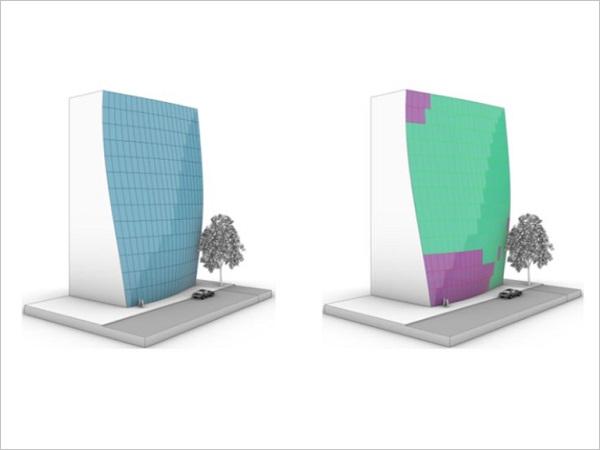
| The paper presents the results of FEM analysis as well as tests performed on double glazed units including Sikasil® IG-25 secondary sealing joints and SikaGlaze® IG-5 PIB as primary seal.
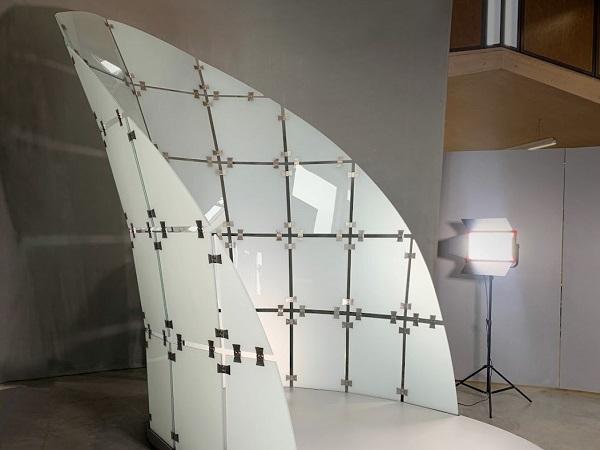
| The paper undertakes a review of basic interlayer stack data with regards to viscoelastic properties and adhesion, and the engineering hypotheses using recent preliminary fitting test results for various loading schemes.
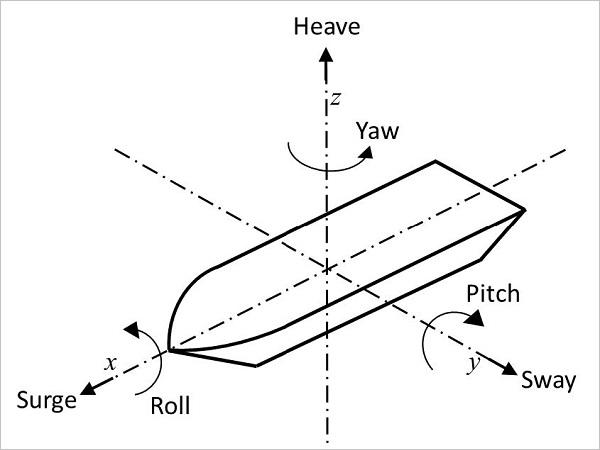
| This paper gives an overview of the requirements of a ship structure, and more specifically yacht structures, and describes the challenges associated with using glass as a fully integrated structural component.
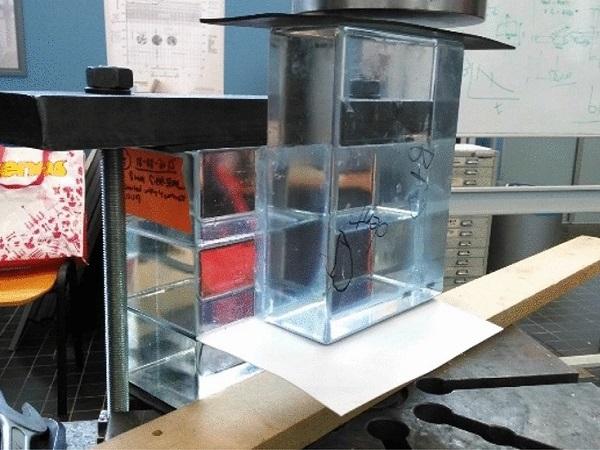
| Ground rules emerging from built case studies on adhesive selection and experimental validation.
Investigations on Linear Silicone Joints for Glass-Metal Elements with Composite Structural Behavior
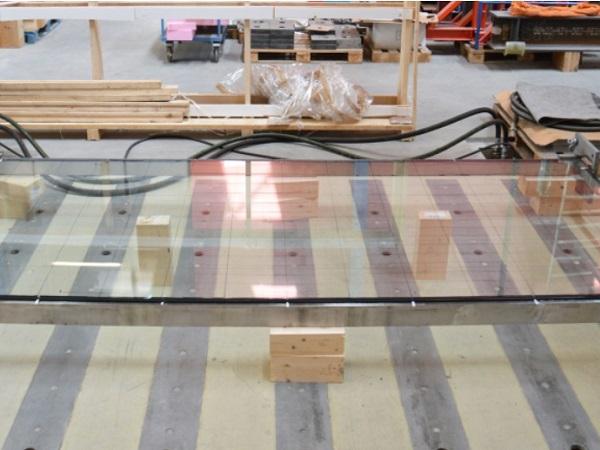
| In this article, experimental and numerical results obtained for linear structural silicone joints between glass and stainless steel substrates, investigated separately under tensile and under shear loading, are discussed.
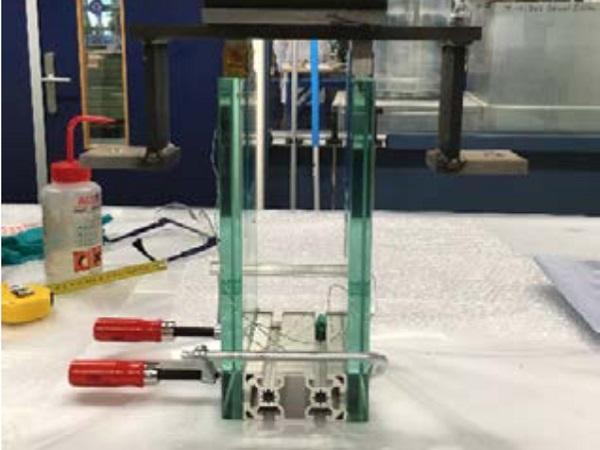
| This work focuses on the Transparent Structural Silicone Adhesive (TSSA), produced by Dow Corning.

| This first episode is devoted to the white haze phenomenon – one of the most asked about issues in the history of #AskGlaston.