
Others also read

| How can structural silicone glazing help data centres combine sleek, city-friendly glass façades with the security, thermal efficiency and resilience required for mission-critical infrastructure?
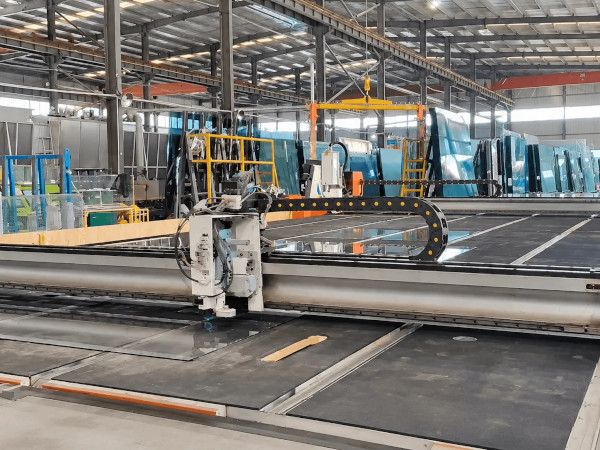
| Discover how float glass is transformed into high-performance architectural glazing through key processing stages, from precision cutting and tempering to lamination and insulated glass assembly.
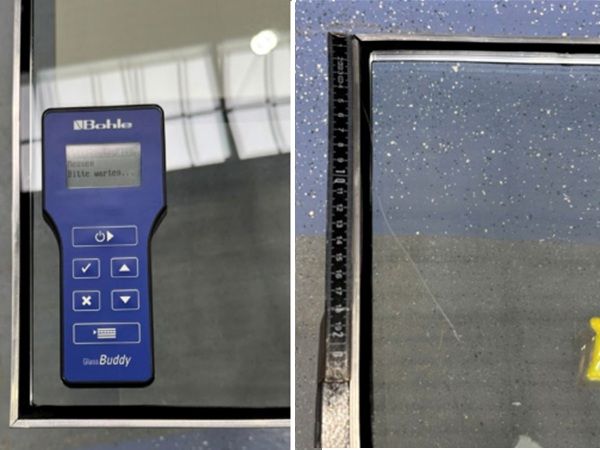
| Germany’s ageing building stock presents a major opportunity to reduce emissions by modernising windows while rethinking how used glazing is reused and recycled.
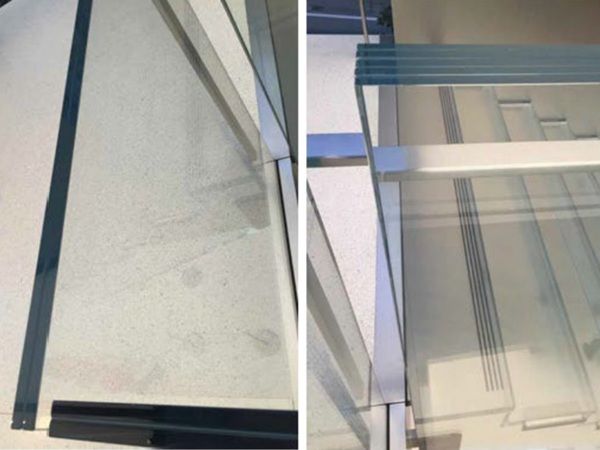
| A more objective approach to coated glass colour could transform how architects and designers select and evaluate architectural façades.
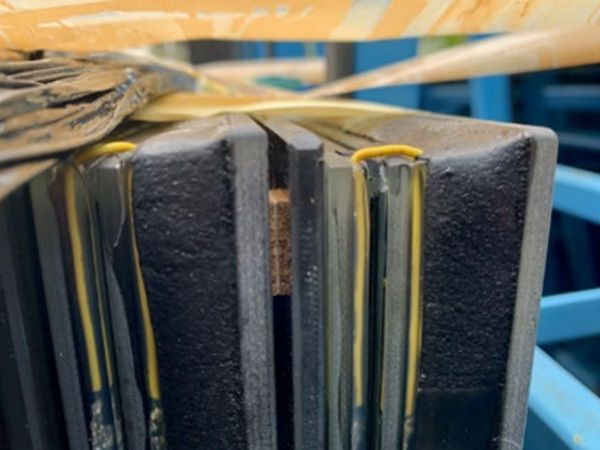
| Ultra-thin glass is opening new possibilities for high-performance insulating glass units, delivering improved energy efficiency, comfort, safety, and reduced weight for next-generation glazing solutions.
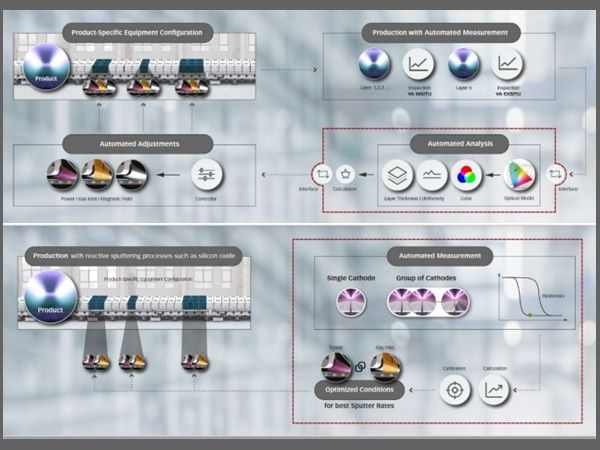
| Discover how digital software solutions are helping glass coating manufacturers reduce carbon emissions, improve production efficiency, and support the journey toward net-zero buildings and vehicles.
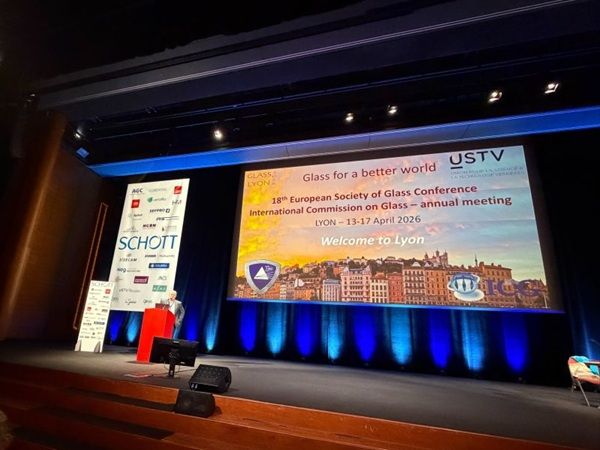
| Glass Lyon 2026 brought together leading researchers and industry experts from 32 countries to explore the latest advances in glass science, technology, and sustainable innovation.
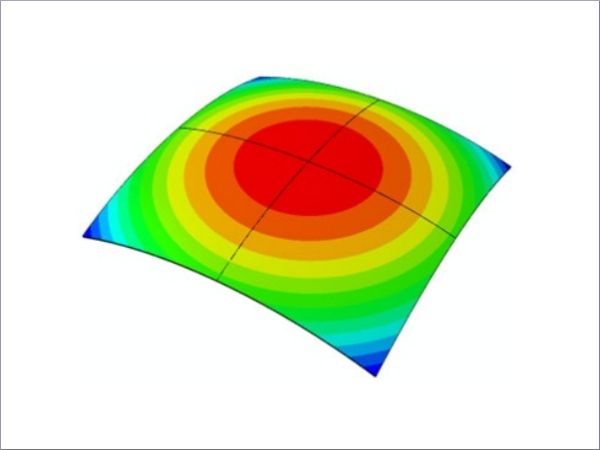
| Discover how Vacuum Insulated Glazing (VIG) is shaping the future of sustainable construction, combining outstanding thermal performance with innovative design solutions for residential, commercial, and heritage buildings.
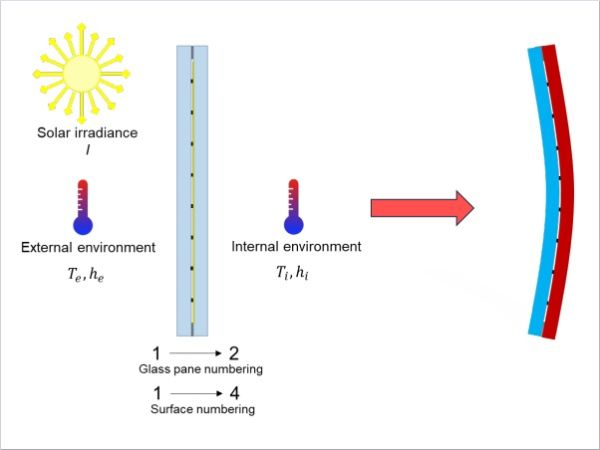
Design of a Test Setup for Experimental Investigation of Temperature Loads on Vacuum Insulated Glass
| A new study explores how Vacuum Insulated Glass (VIG) can support energy-efficient retrofits and new construction projects, while addressing the critical challenge of temperature-induced stress and future design standards.

| Ultra-thin center glass is redefining what’s possible for insulating glass units—delivering lighter, thinner, and more energy-efficient glazing solutions for modern buildings.

| Highly efficient building-integrated photovoltaics are entering a new phase, combining strong performance with expanded colour and design freedom.
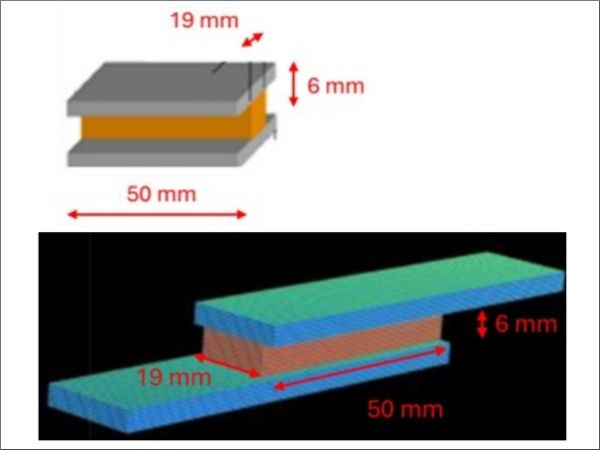
| A new study explores how smarter structural design and adhesive optimization in glass-metal façades can significantly cut embodied carbon while maintaining performance and integrity.

| As the façade industry advances in sustainable glass coatings, it’s time to look beyond energy performance and focus on human-centered design—exploring how light, spectrum, and transmittance impact our wellbeing.

| At Step Change 2025, ReViSalt demonstrated how its innovations are reshaping the future of glass strengthening.
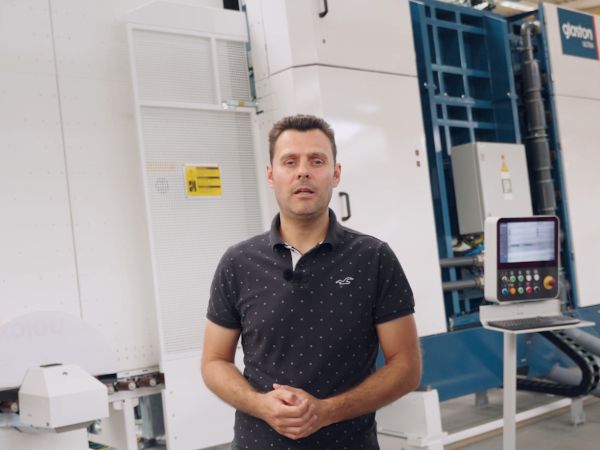
| In this sixth episode, the focus is on how to assemble and gas-fill IG units synchronously.
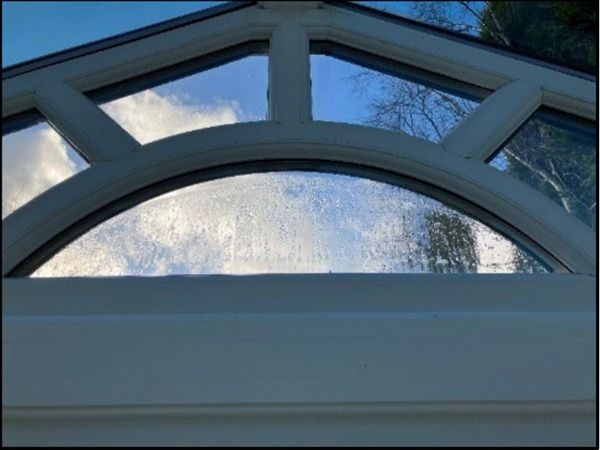
| The path to low-carbon, high-performance facades depends on mastering the long-term thermal behavior and lifecycle performance of Insulating Glass Units (IGUs).
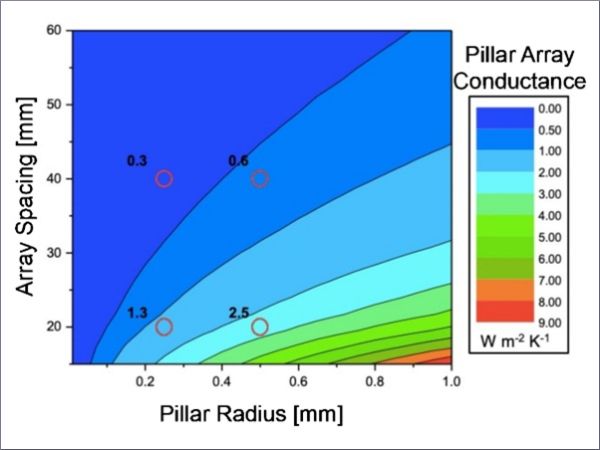
| A new study explores how the size, shape, and material of tiny support pillars in Vacuum Insulated Glass (VIG) impact both its thermal efficiency and mechanical strength — offering analytical tools to optimize VIG design for better performance.
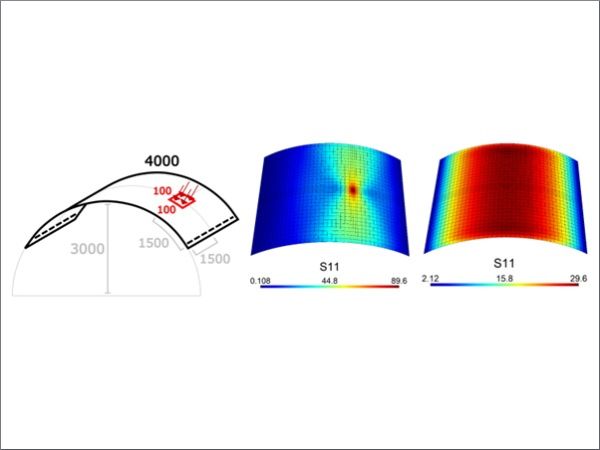
| A new advanced FEM model has been developed to accurately simulate the nonlinear behavior of Insulating Glass Units (IGUs), including curved configurations, offering higher precision and faster computation compared to commercial software.
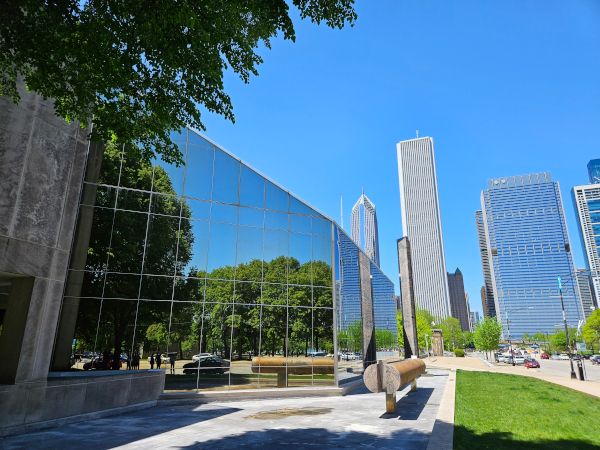
| By Errol Bull, P.E., CSI, an Application Development Leader at Momentive Performance Materials Inc. Member: IIBEC, ASTM C24, ISO TC59/SC8
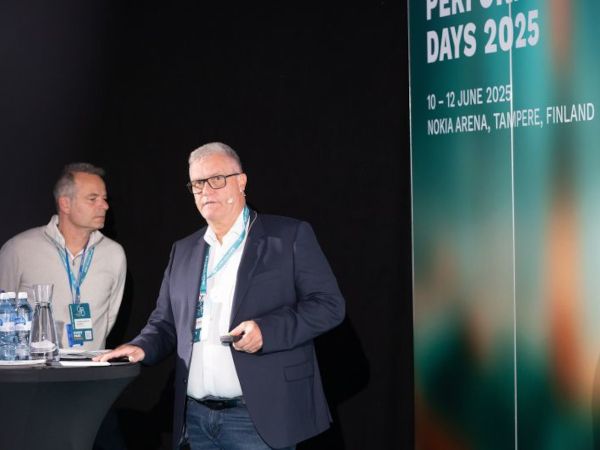
| Discover how TPS® boosts IGU longevity and energy performance in this Glastory blog and download the presentation.
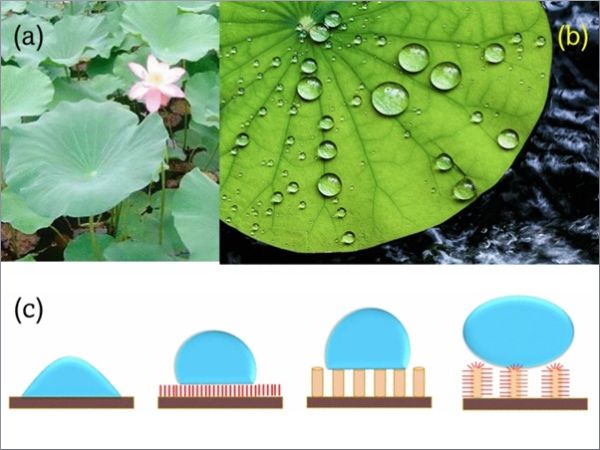
| Self-cleaning surfaces, enabled by advanced material design and additive manufacturing, are opening new possibilities for sustainable and multifunctional technologies.
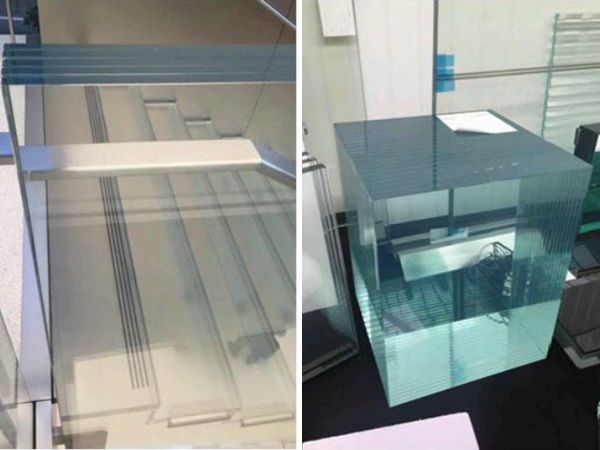
| This paper investigates the integration of colorimetric analysis into the architectural glass selection process, with a focus on utilizing spectral data to quantitatively characterize colour attributes.
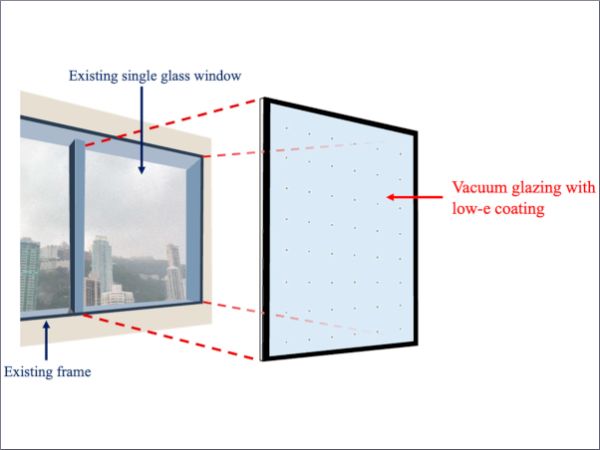
| Retrofitting buildings is key to boosting energy efficiency and climate resilience, especially in dense, subtropical cities like Hong Kong.
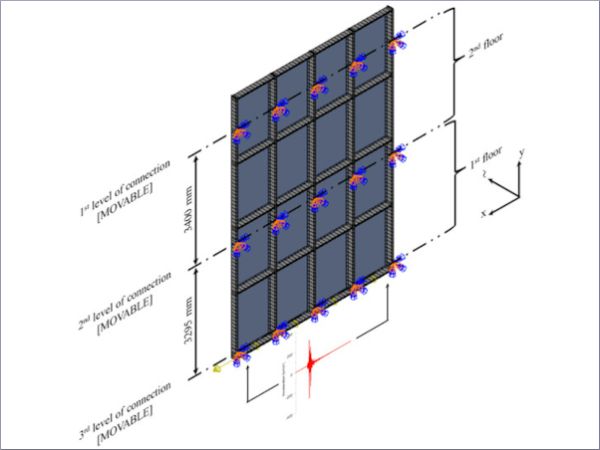
| Gaps and Challenges in Modelling Optimization and Limit Performance Indicators
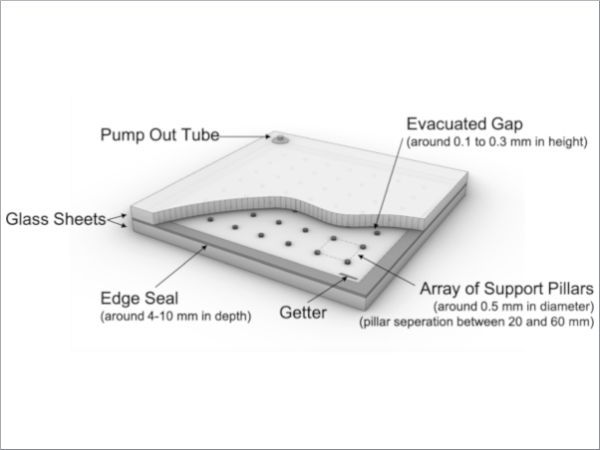
| Vacuum insulating glass (VIG) has demonstrated competitive Ug-values (heat transfer coefficients) which show promise to further reduce energy consumption from buildings.