
Others also read

| At Step Change 2025, ReViSalt demonstrated how its innovations are reshaping the future of glass strengthening.

| Fresh from Step Change 2025, Lithium Designers GmbH, the Frankfurt-based innovators transforming façade planning through parametric design and 3D-printed nodes, shared their insights on how technology is reshaping the future of architectural design.

| At Step Change 2025, in connection with Glass Performance Days 2025, eLstar Dynamics wowed us with their smart glass tech that dynamically shifts from ultra-dark (0.1% transparency!) to crystal clear (up to 70%).
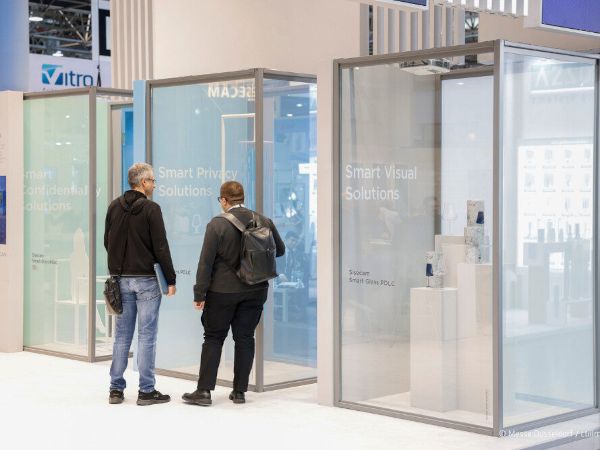
| Be it for more privacy at the office, discretion during conferences or an aesthetic styling element in architecture – switchable glass transforms transparent surfaces into opaque walls at the touch of a button.
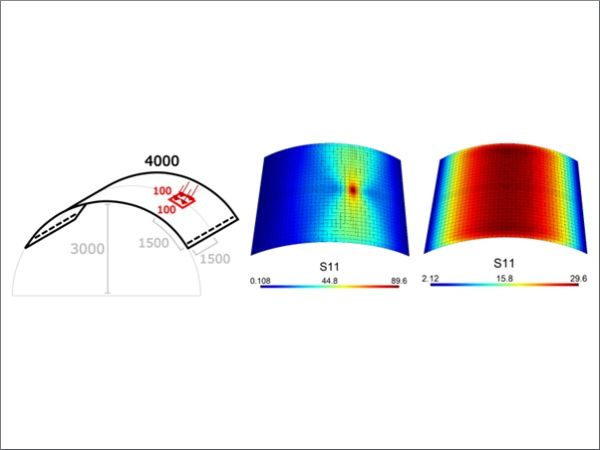
| A new advanced FEM model has been developed to accurately simulate the nonlinear behavior of Insulating Glass Units (IGUs), including curved configurations, offering higher precision and faster computation compared to commercial software.

| Spontaneous glass breakage caused by nickel sulfide (NiS) inclusions remains a hidden yet critical challenge in architectural glazing, raising important questions about safety, quality, and prevention in modern glass production.
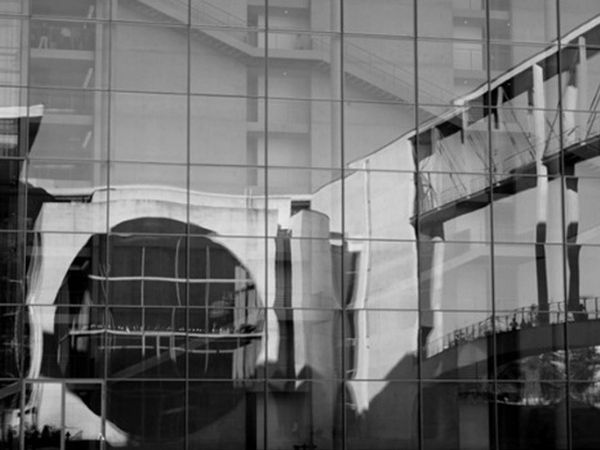
| Viprotron has developed a new technology for the exit of the furnace, that allows the measurement of the distortion of tempered glass with high precision and unparalleled repeatability.
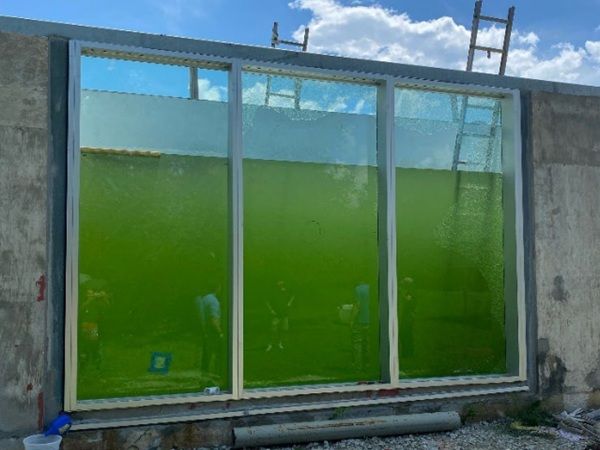
| ASTM has introduced a new standard, ASTM E3401, to guide the safe use of laminated glass in swimming pools, aquariums, and other applications subject to hydrostatic loads.
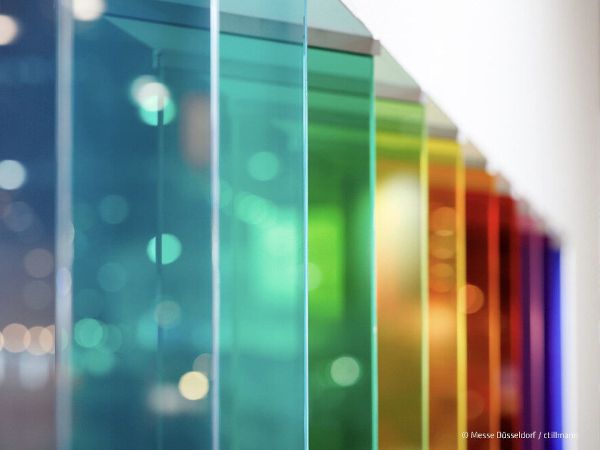
| Digital printing is transforming the glass industry, offering faster production, smaller batches, and more creative freedom—while reshaping processes and sustainability requirements.
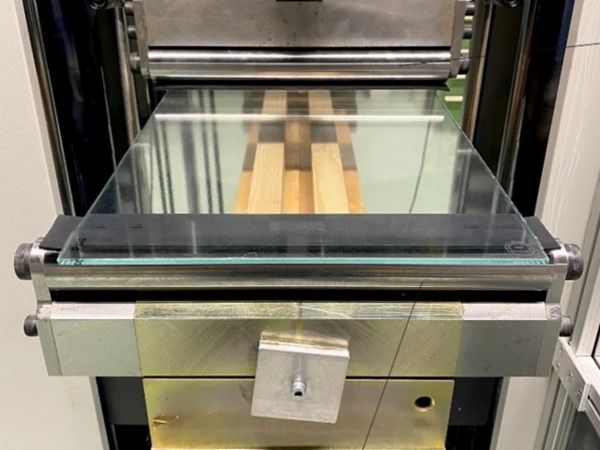
| Thermal stress relief treatment offers a promising solution for enabling the reuse and remanufacturing of end-of-life tempered glass, paving the way for more circular economy practices in the flat glass industry.

| New international standards are reshaping the way modern façade glass is designed, balancing security performance with comfort, safety, and multifunctionality.
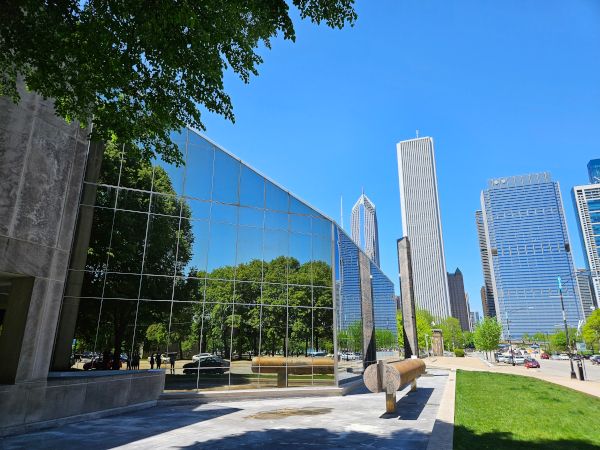
| By Errol Bull, P.E., CSI, an Application Development Leader at Momentive Performance Materials Inc. Member: IIBEC, ASTM C24, ISO TC59/SC8
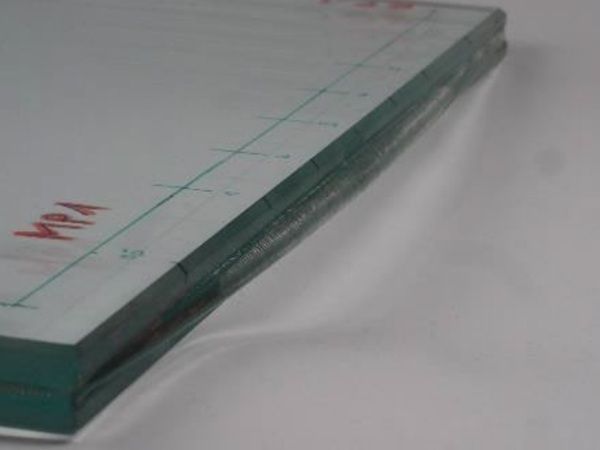
| The growing use of glass in modern architecture has increased the importance of laminated safety glass (LSG), prompting new research into how production processes impact its long-term durability and safety.
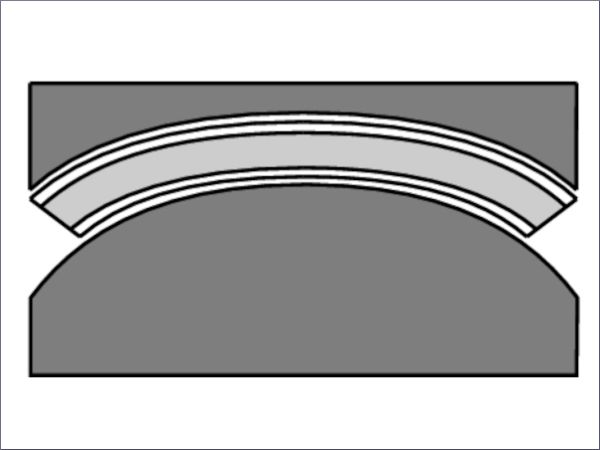
| A new study explores the potential of liquid optically clear adhesives (LOCA) as interlayers in laminated glass, offering promising solutions for complex curved designs and smart glazing applications.
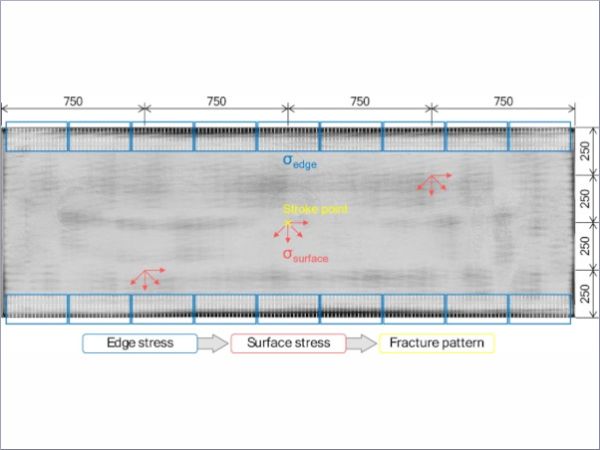
| New research explores how non-destructive photoelastic methods could improve quality control for large-format thermally toughened glass, reducing reliance on costly and time-consuming destructive testing.
| In this sixth episode of #AskGlaston flat tempering series, we explore how to avoid loading delays in tempering.

| Mikko Rantala on Glastory: Glass tempering is an energy-hungry process, and not just because of the heat.

| Demand for laminated safety glass is holding strong, driven by rising safety needs and new advances in sustainability and recycling.
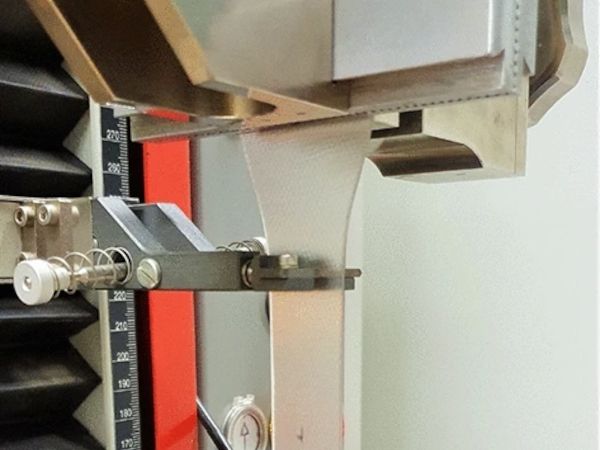
| Modeling broken laminated glass remains a challenge—this study proposes a simplified numerical approach based on interlayer experiments.
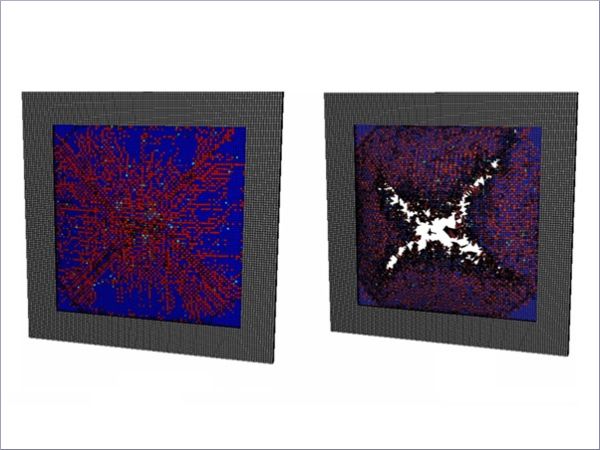
| This study explores how different laminated glass configurations and interlayer materials impact blast resistance performance.
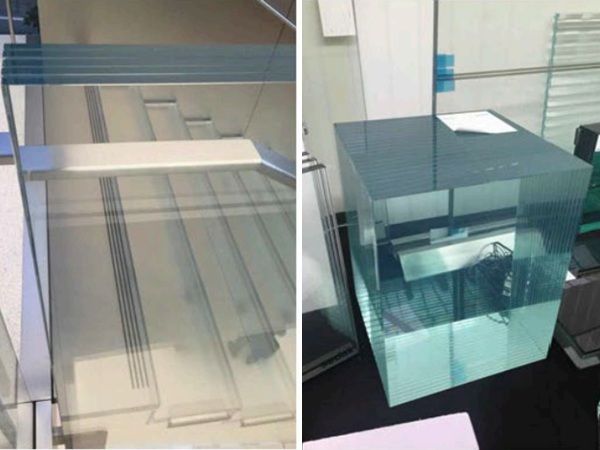
| This paper investigates the integration of colorimetric analysis into the architectural glass selection process, with a focus on utilizing spectral data to quantitatively characterize colour attributes.

| This paper presents a groundbreaking technological development in the optical quality of tempered glass.
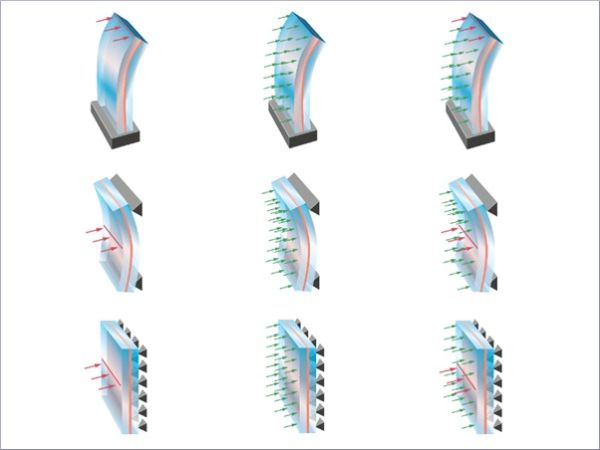
| A new AI-powered tool is set to transform the structural design and analysis of glass facades.
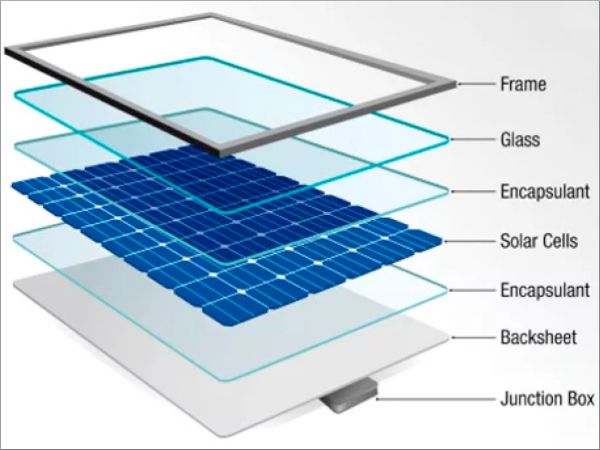
| A new study shows that adding green building requirements to contracts boosts energy performance and sustainability in hot climate zones.
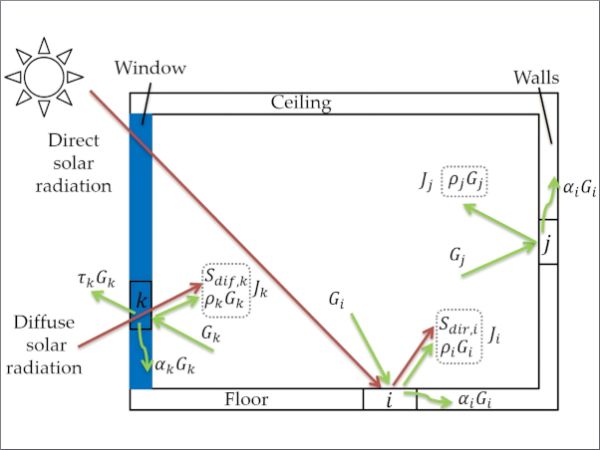
| As glass curtain walls become increasingly popular in modern architecture, understanding how much solar radiation escapes through these transparent facades is essential for accurate cooling load calculations and energy efficiency.