
Others also read
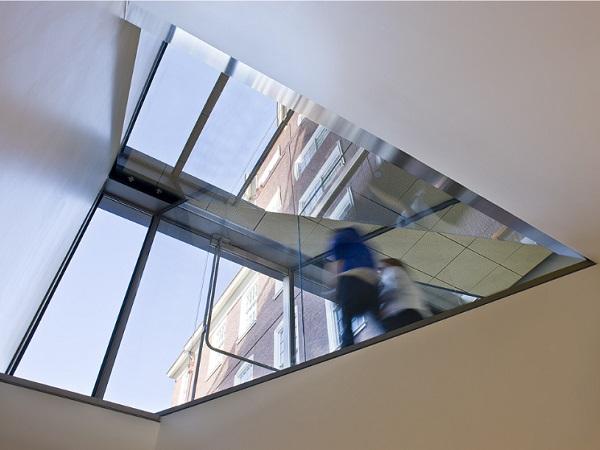
| The two case studies illustrate how the engineering of glass can fluctuate with design intent in unusual scenarios – when we cannot rely solely on conventional codes and standards to guide the analysis.
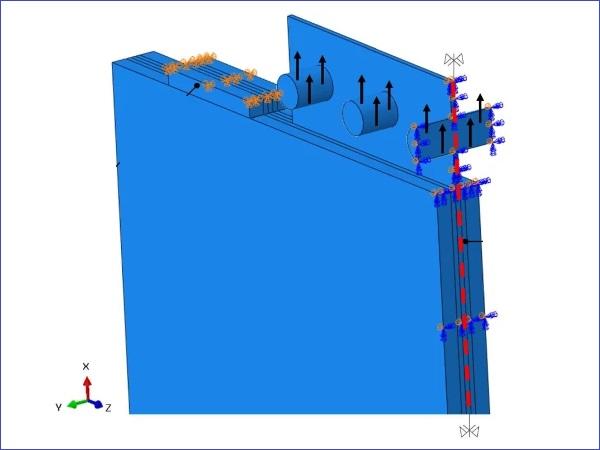
| High strength load-bearing connections between glass components are challenging because they are required to transmit high forces in a material that is sensitive to stress concentrations.
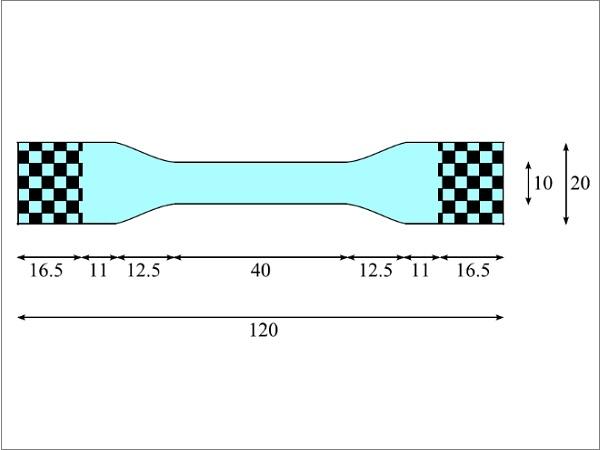
| The article describes the mechanical behaviour of PVB interlayer and the constitutive models by which the polymer can be represented under different load cases.
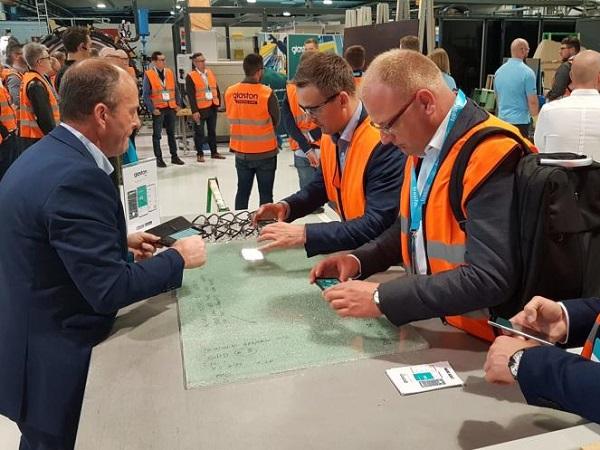
| Do you still spend precious time doing the meticulous task of manually counting glass cullets for a glass fragmentation test? Or maybe your modern counting tool is not exactly the gold standard? If so, we have some good news for you!
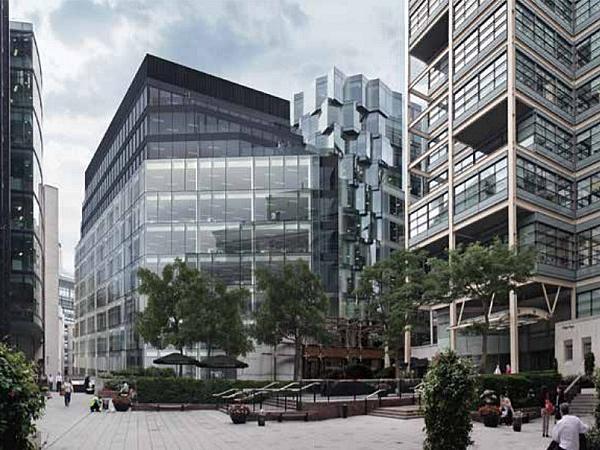
| Unitised Façade System Designed with a Highly Transparent Façade of Low G-value Combined with Blast Requirements
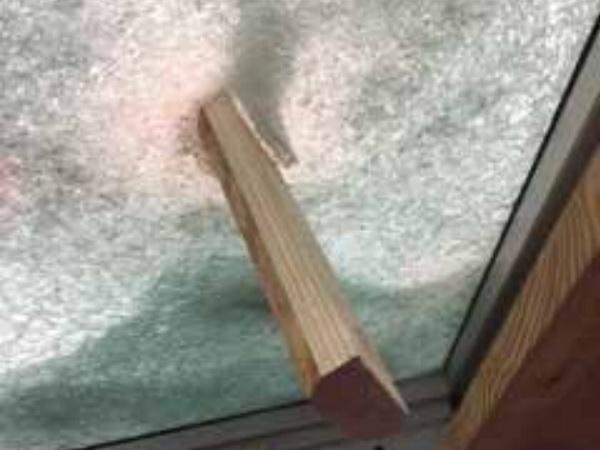
| Building code requirements for wind-borne debris protection have been in existence since the mid- 1990s, and as a result, many glazing systems have been tested and certified to these performance requirements.
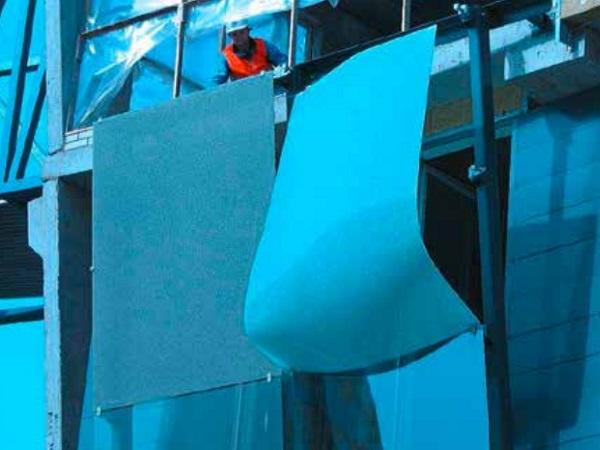
| Post breakage strength of glass is still an unknown area as analytical models for this are inconclusive so far and thus destructive testing is the only reliable solution.
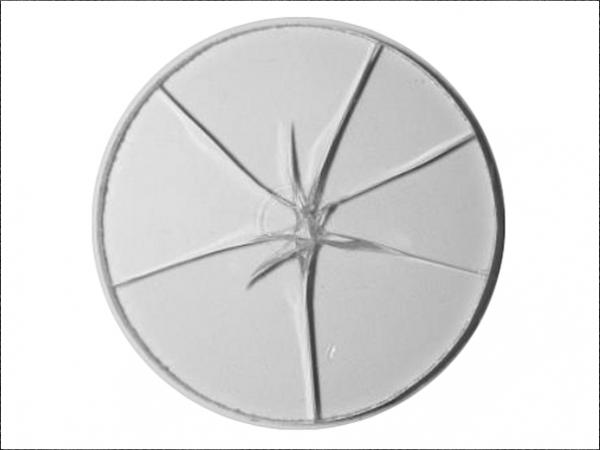
| The present paper presents an ongoing research project considering the failure of glass at high strain-rates. It provides a brief review of existing studies showing a strength increase with loading rates relevant for e.g. blast loads.
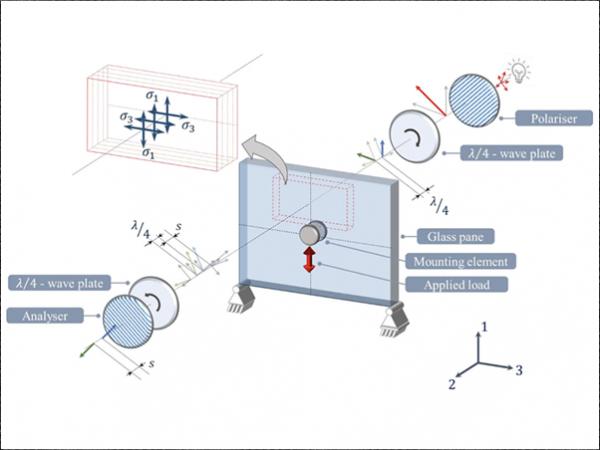
| The load-bearing capacity of glass as a structural material as well as sustainability and resistance of a built-in glass against appearing loads and forces is assuming an ever-greater importance.
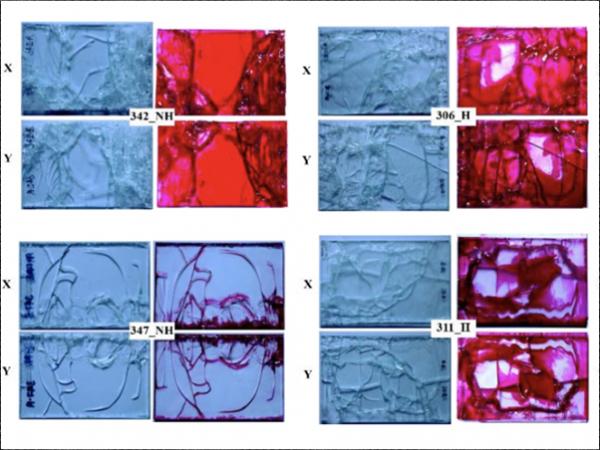
| This study forms part of a wider research programme that aims to better address the end-of-life challenges and opportunities in façade design for re-use.
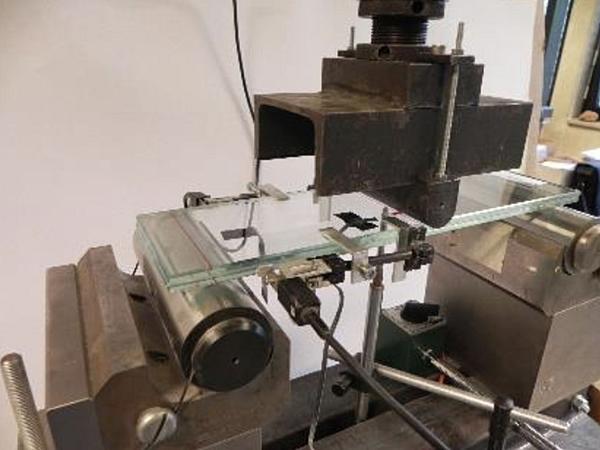
| This paper presents the experimental results of a three-point bending test conducted on laminated glass at elevated temperature in an environmental chamber.
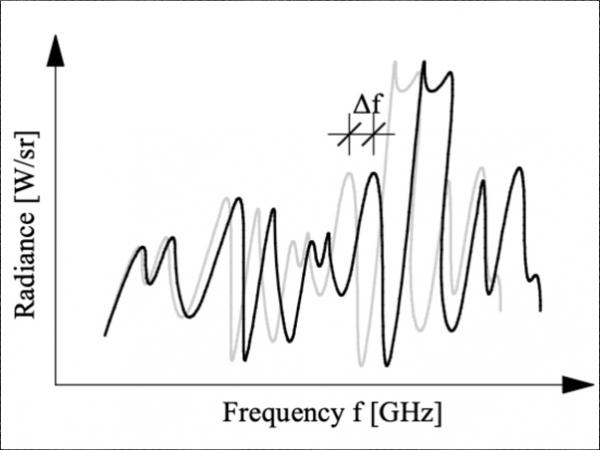
| The study describes the results of the principal applicability of fiber optic strain sensors to evaluate the structural behaviour of laminated glass and provides the basis to define a model for the material characteristics of viscoelastic interlayers.
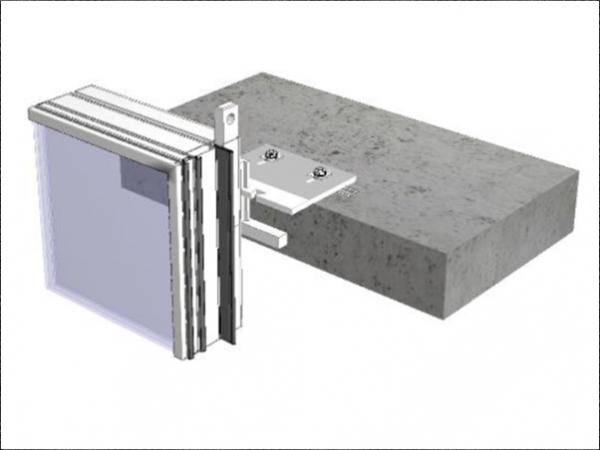
| The aim of this paper is to identify and discuss challenges with the assumption that the SSG is isolated from the glass self-weight and provide a better understanding on the complexity of SSG systems.

| The determination of interlayer modulus data is complex.
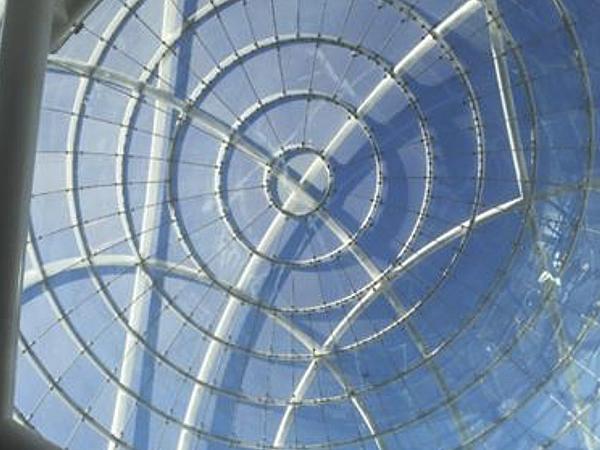
| The structural glass for this globe structure is created with laminated double curved glass panels patch supported by a steel structure.
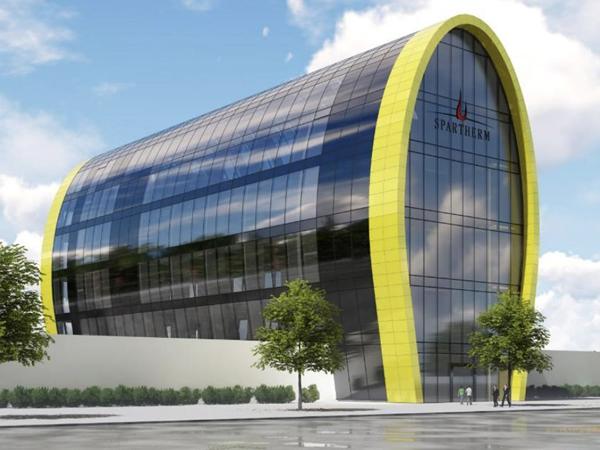
| The post-breakage behavior of glass beams is not easy to predict, therefore Octatube performed a range of tests on different glass fins varying the test setup.
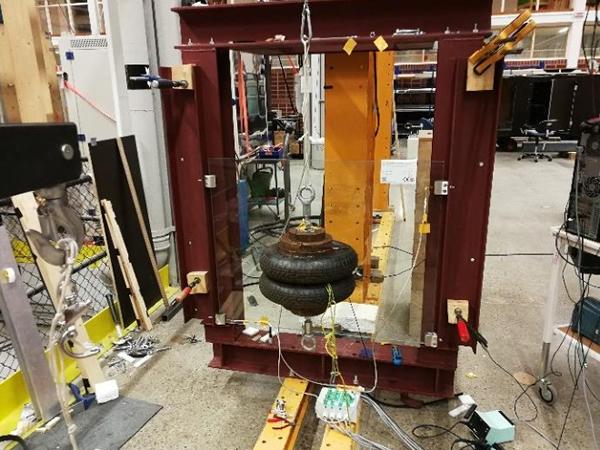
| The paper presents an overview of the work completed within the on-going research project “Structural safety of glass components” carried out at the Silesian University of Technology, Lund University and RISE Research Institutes of Sweden.
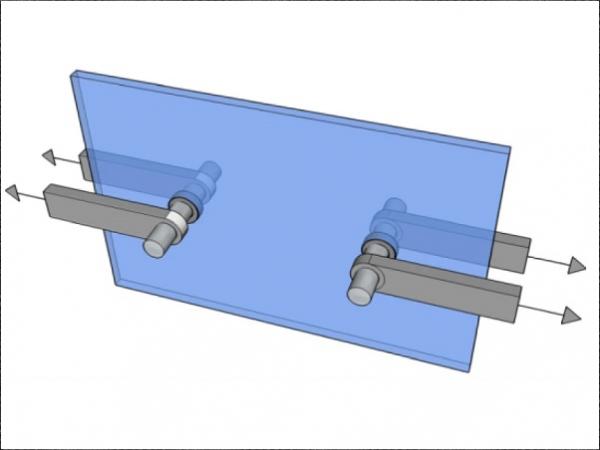
| The development of structural details in glass connections is the main topic of this research.

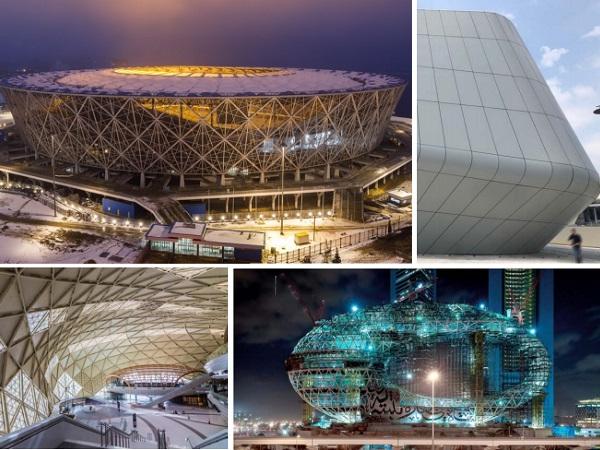
| The “One Single Model” approach rises as the best tool to manage complex buildings through the different engineering branches.
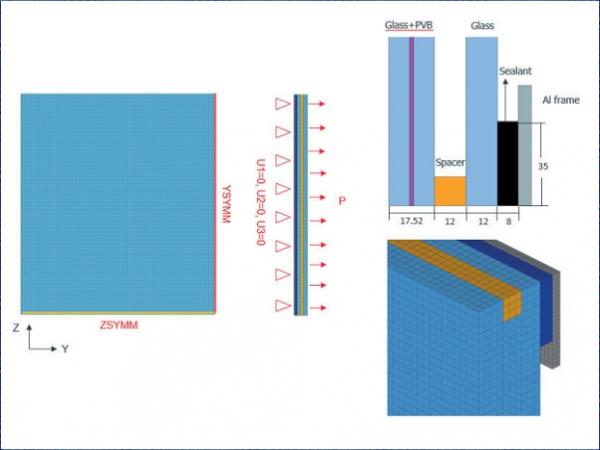
| This case study describes the façade performance of the 2nd tallest building in China, the Ping An International Finance Center (Ping An IFC), located in the city of Shenzhen.
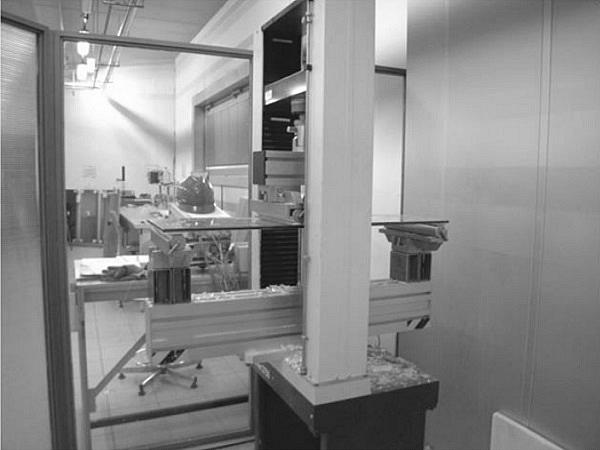
| The Surface Compression Stress (SC) data, collected by Stazione Sperimentale del Vetro, were analysed to compare the measurements carried out by Scalp-05 (Scattered Light Polariscope) and Laser Gasp (Strainoptics’ GASP® Polarimeter).
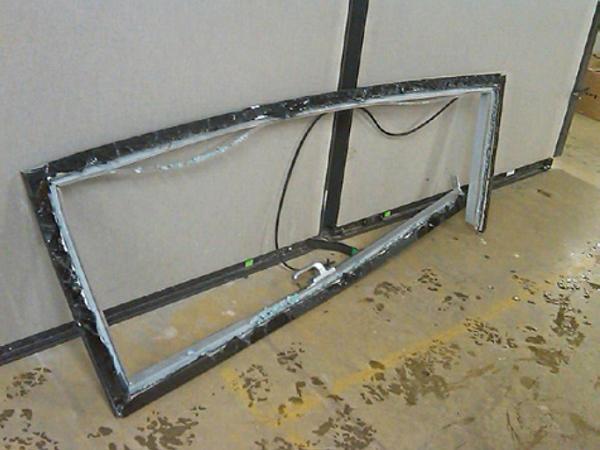
| This presentation offers a new perspective on limit device design and specifications especially due to construction phase and post-occupancy habits in urban environments.
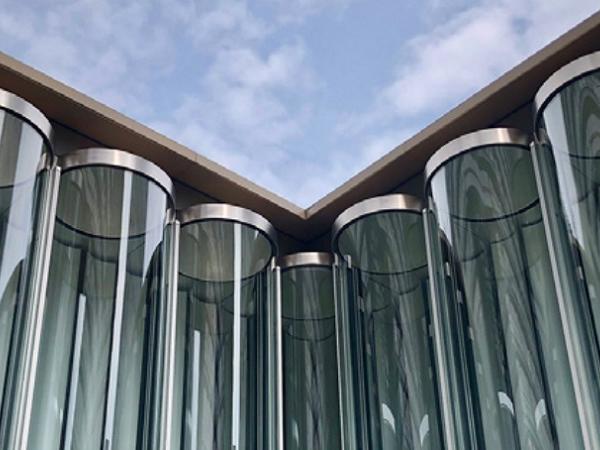
| This paper deals with the development and construction of a novel 2,308 sqm glass tube façade engineered by Eckersley O’Callaghan (EOC) as façade consultant and turned into reality by seele.
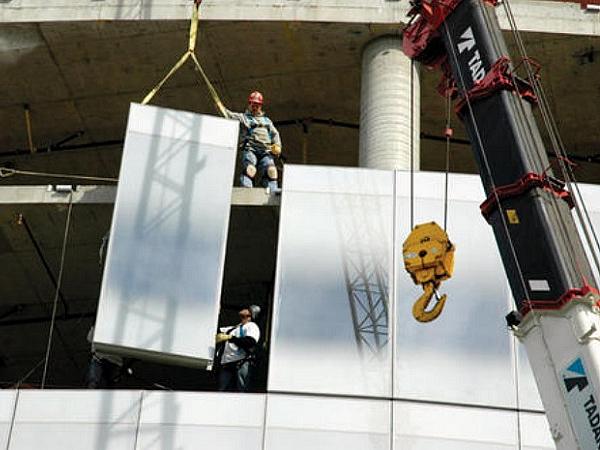
| The cold bending of glass in unique facades have been successfully completed in the past using structural silicone glazing (SSG) as the sole method of retention of the bending membrane.