
Others also read
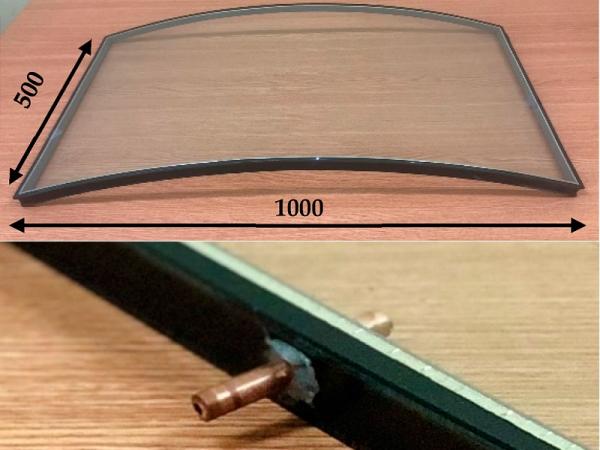
| This paper deals with experiments and numerical simulations of cylindrically curved IGUs.
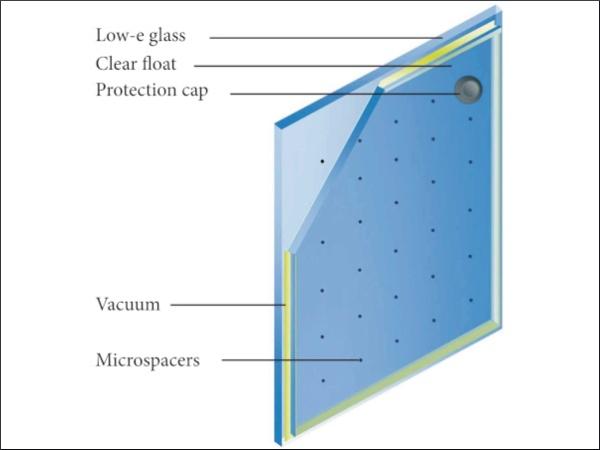
| This paper is a theoretical analysis of flat plate solar collectors with a vacuum glazing that investigates different configurations of the collector with a detailed theoretical model.
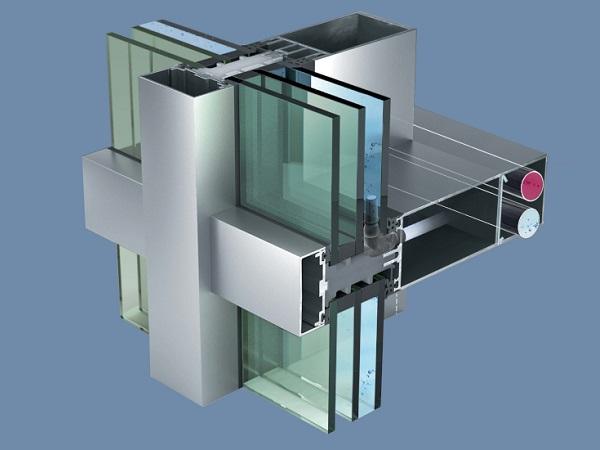
| Water-filled building envelopes are hybrid constructions with a solid and a fluid component, typically a glass or steel shell filled with water.
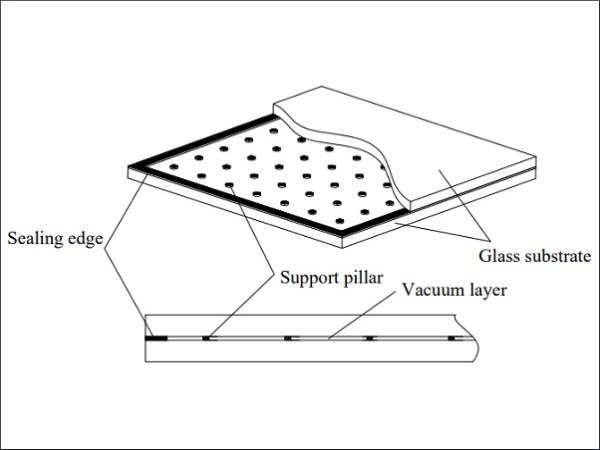
| Discover the perfect balance of sound and heat insulation with VIG multi-objective design optimization!
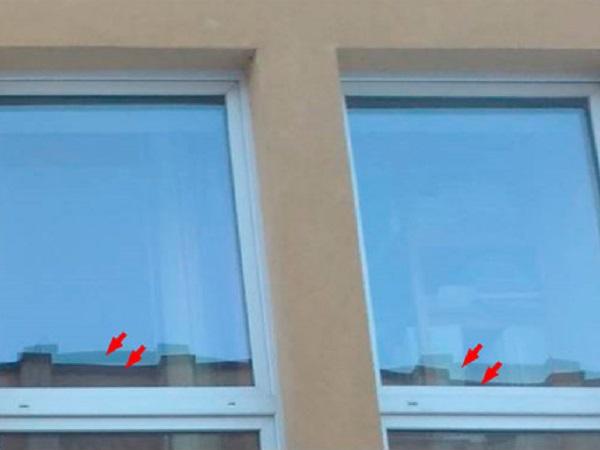
| The tightness of the gap in insulating glass units is a necessary factor to maintain good thermal insulation of transparent glazing.

| Dow has a strong commitment to sustainability and recently introduced the first externally PAS2060-verified carbon neutral silicones for façades.
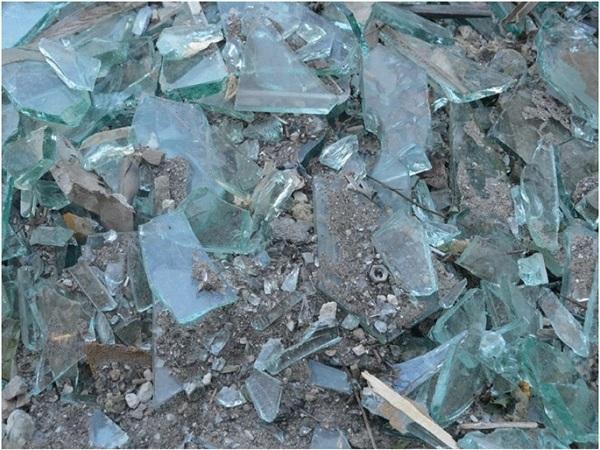
| End-of-life insulating glass units (IGUs) continue to follow a linear, wasteful path from renovation and demolition sites into landfills or low-value recycling.
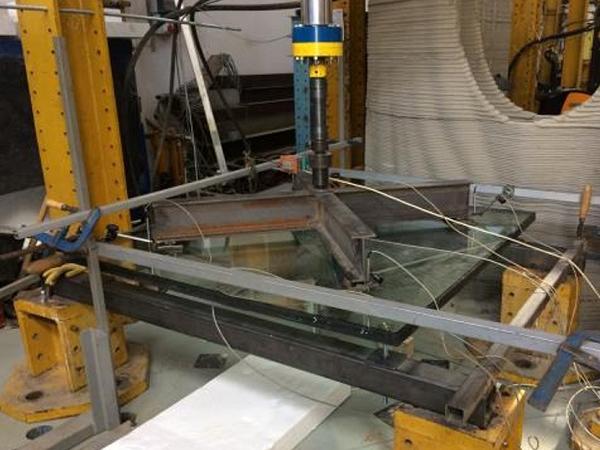
| Within ongoing research at the Faculty of Civil Engineering of the Czech Technical University in Prague, a set of real-scale insulating glass panels with embedded laminated point connections was tested.
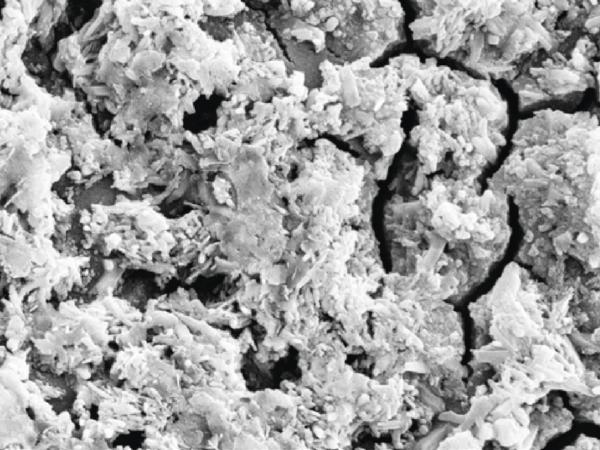
| The aim is to provide a theoretical basis for vacuum plate glazing laser sealing manufacturing.
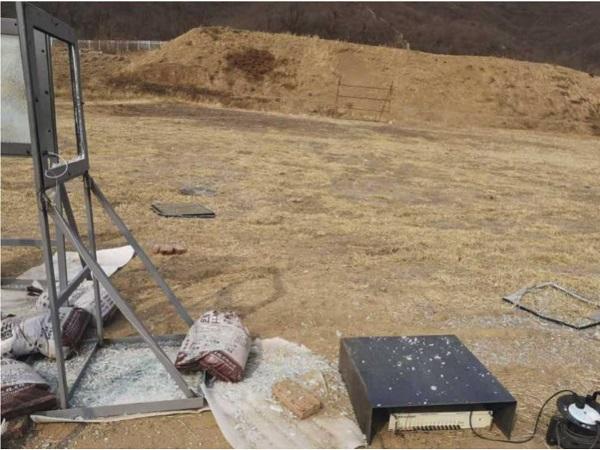
| The impact of building glass breakage on personnel injury was considered in this model.
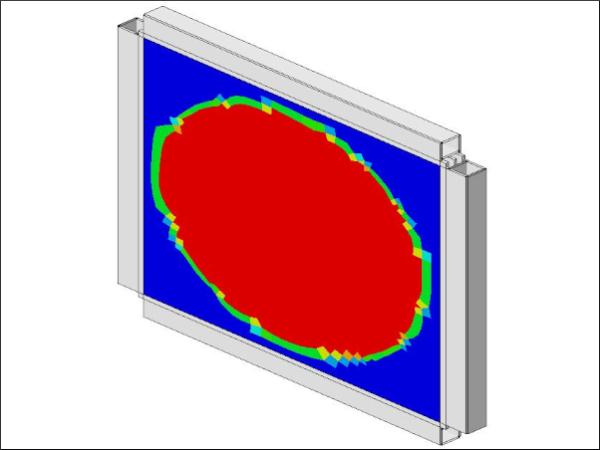
| This paper presents some of major outcomes of Finite Element (FE) numerical methods and simulations that have been explored in the framework of the GLASS-SHARD research project for glass windows and facades under explosion or soft-body impact.
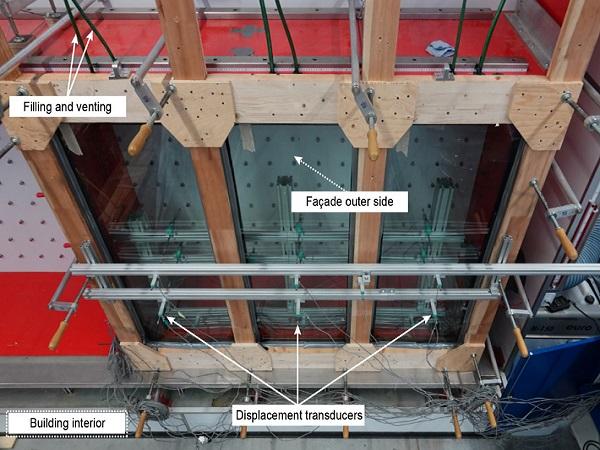
| This paper presents a study on the development of a bonded edge seal for fluid-filled insulating glass units.
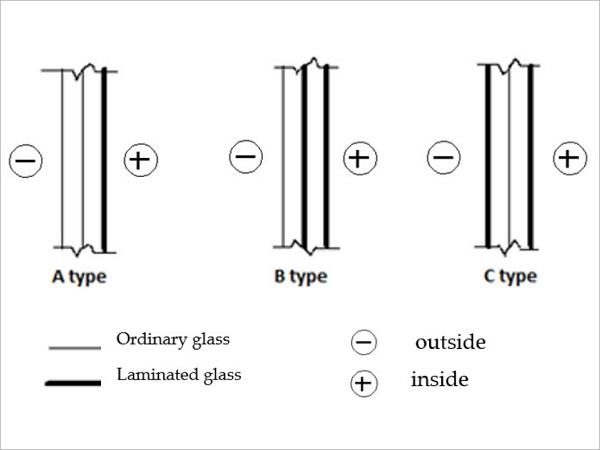
| In this research, the structural sealed façade structure with triple IGU was investigated and the effect of the thickness of ordinary and laminated glasses.
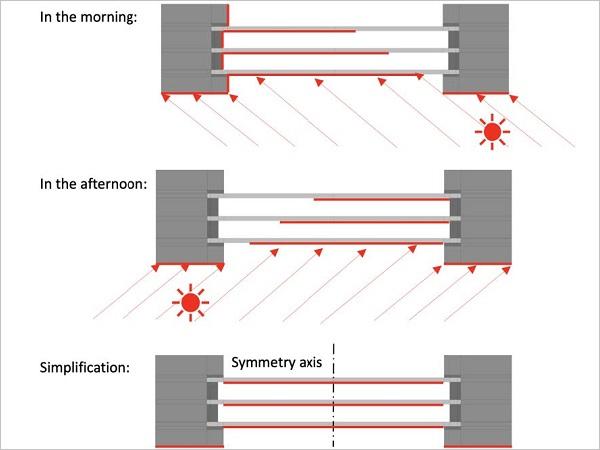
| In the structural design of facade glazing, various types of loads such as dead weight, wind and climatic loads must be taken into account. In practice, however, there are many cases of damage that can be attributed to direct solar radiation.

| The main challenge in the design of the duplex façade was the high aesthetical performance that the façade had to meet.
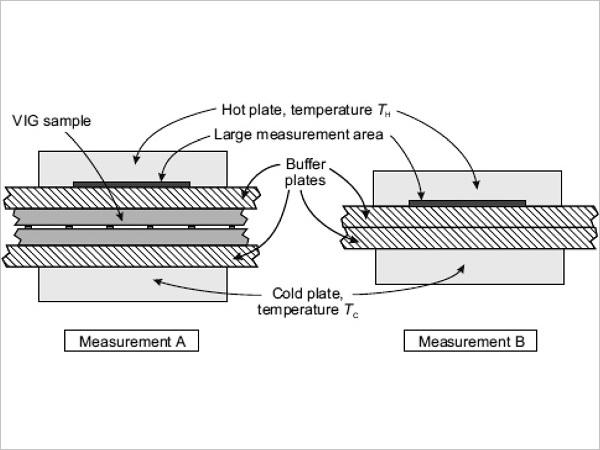
| Measurement area separated from glass sheets with buffer plates
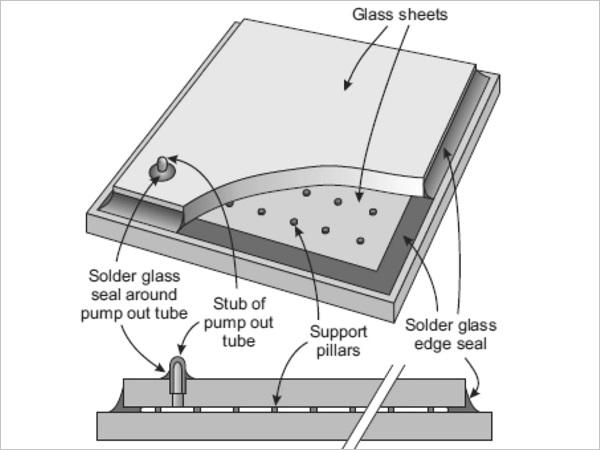
| Measurement area in direct thermal contact with specimen
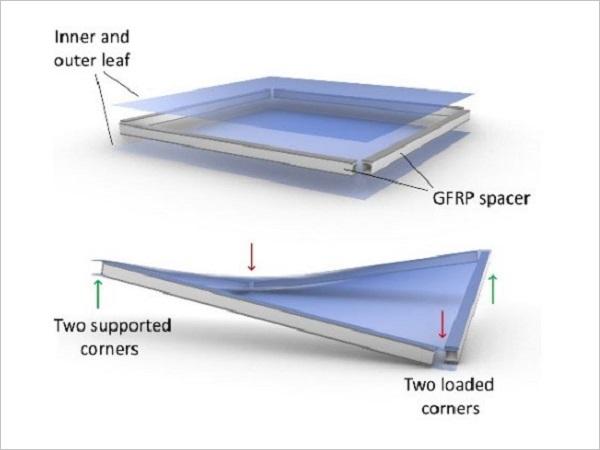
Investigations on the Cold Bending Behaviour of a Double Glazing Unit with a Rigid Edge-Spacer Frame
| In this study, the bending process of specially-fabricated double glazing units (‘panels’) is investigated with a focus on a local instability phenomenon.
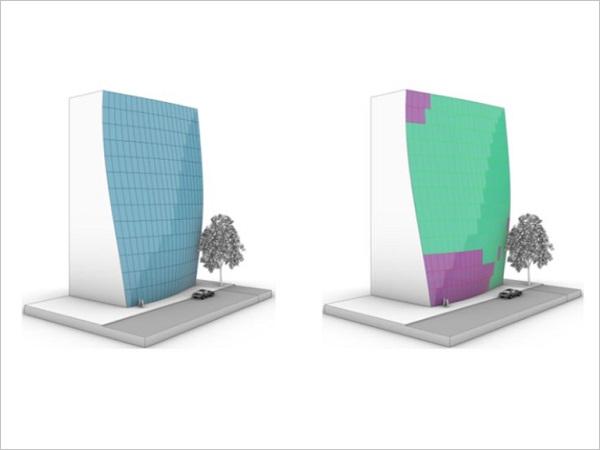
| The paper presents the results of FEM analysis as well as tests performed on double glazed units including Sikasil® IG-25 secondary sealing joints and SikaGlaze® IG-5 PIB as primary seal.
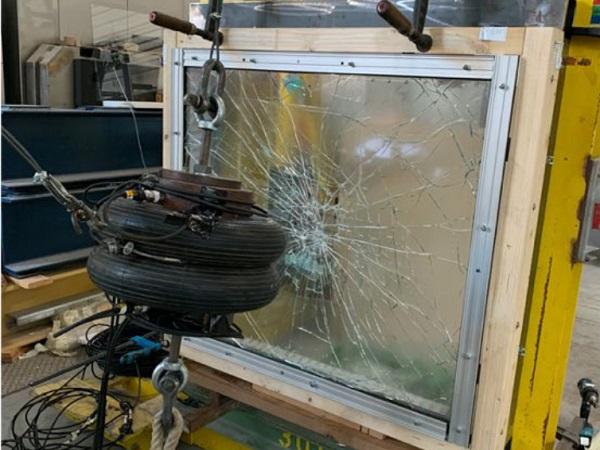
| The goal of this work is to investigate the mechanical performance of VIG’s subjected to soft body impact and gain insight into the failure mechanisms of the VIG when exposed to dynamic loads.
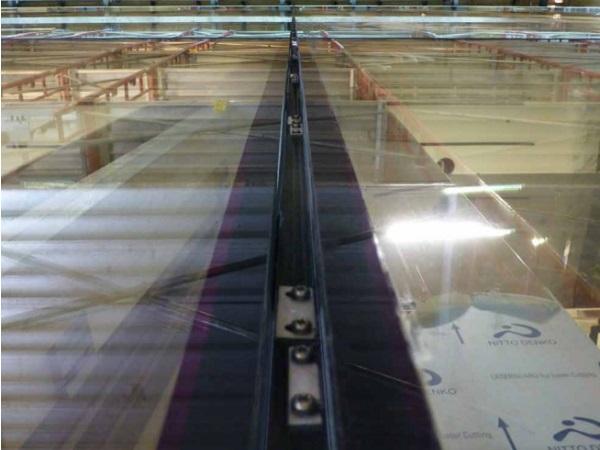
| Five commercial glazing system analysis and a project study show the advantages of using Insulated Glass Unit (IGU) edges to mechanically attach glass to buildings.

| Analysis of worldwide glass industry developments and trends.
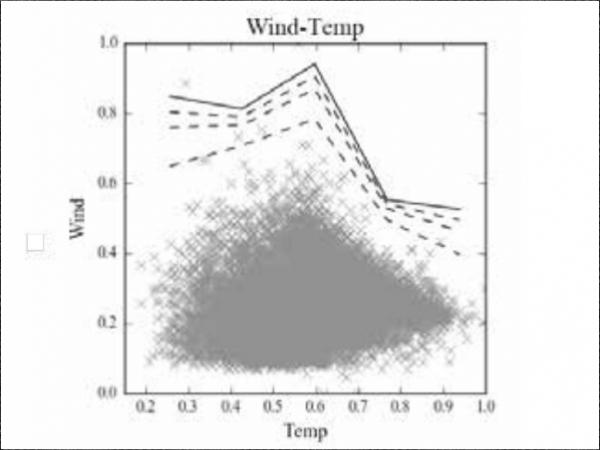
| An Initial Study Towards Optimized Structural Assessment of Glass Components
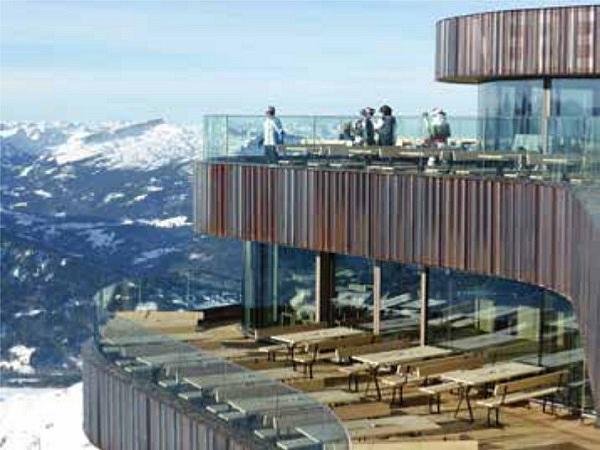
| Constructions at exceptional locations are often challenging but worth one’s while. Extreme boundary conditions and sophisticated demands of the client have to be considered.

| In the European Union, Member States are allowed to set minimum performance requirements to construction products available on their market.