
Others also read

FunGlass is exploring innovative ways to recover hard-to-recycle glass waste, combining advanced processing technologies with glass science to support a more sustainable and circular glass industry.

The European Commission’s new Public Procurement Act proposal could reshape how quality, sustainability and EU-origin content are valued in public tenders, with important implications for the flat glass sector.

The transition from the GP19 to the new GP26 production statistics classification system introduces several changes affecting flat glass products.

A review of EU import bans on flat glass products from Russia and Belarus
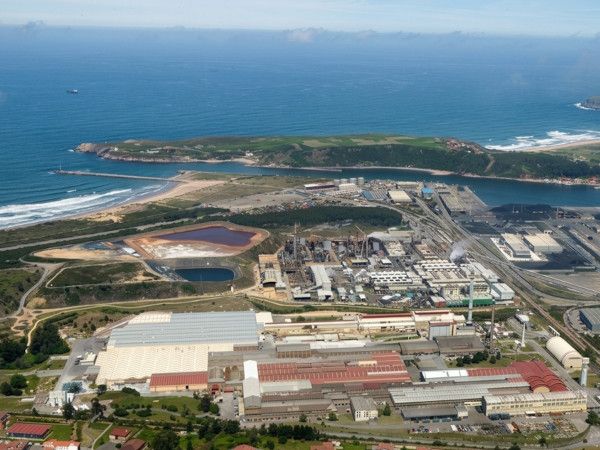
Saint-Gobain and AGC are joining forces to deploy a world-first, large-scale hybrid electric furnace at Saint-Gobain's Avilés plant in Spain, set to cut CO₂ emissions from flat glass production by around 50%.

Glass can be recycled indefinitely, and using glass cullet in production reduces the need for virgin raw materials, energy consumption and greenhouse gas emissions.

Specification will include enamel application standards on all types of glass for quality assessment.
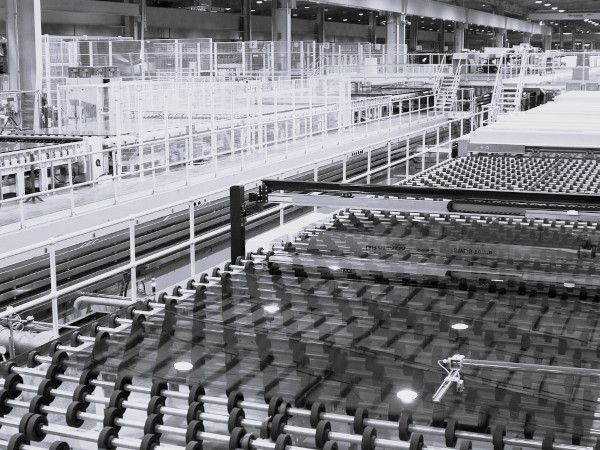
On 17 July, the European Commission adopted its proposal for the ETS reform. Glass for Europe is currently conducted a detailed assessment of the legislative proposal. The text below is the press release which was sent following the adoption.
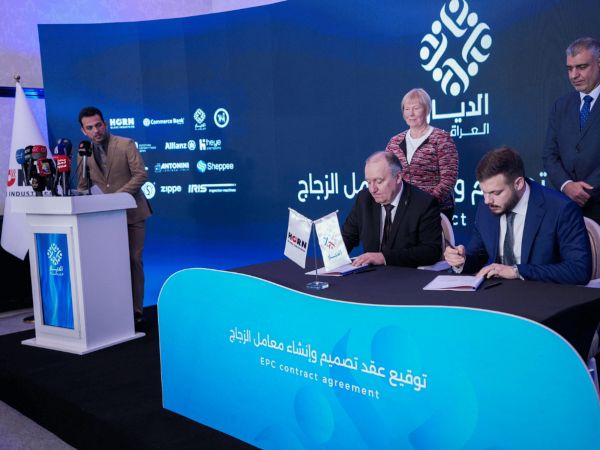
HORN Glass Industries AG has signed a contract with Al Rida Investment for the construction of a new float glass plant in Najaf, Iraq. The plant will have a production capacity of 800 tonnes per day.
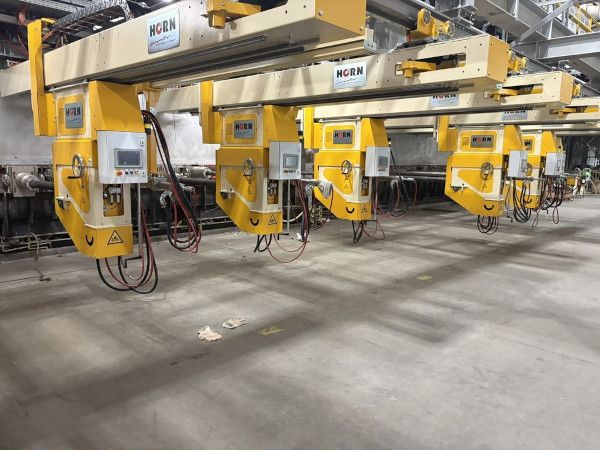
HORN Glass Industries has successfully completed the modernization and automation of the tin bath at Guardian Glass Corsicana, enhancing production efficiency with advanced technology and automation.
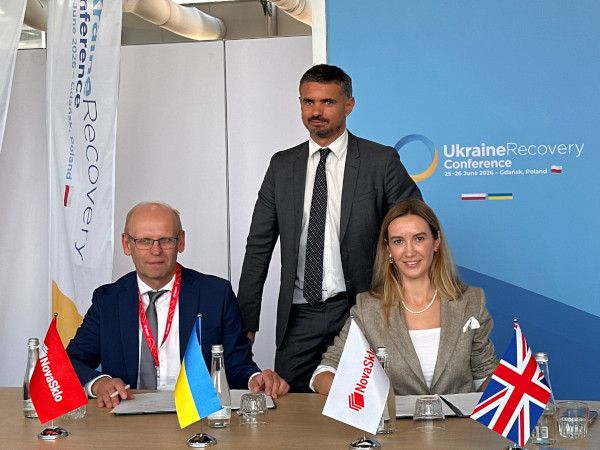
NovaSklo Trade, a project of the Ukrainian investment and industrial holding EFI Group, has signed an exclusive distribution agreement with NSG Group, one of the world's leading manufacturers of architectural glass.
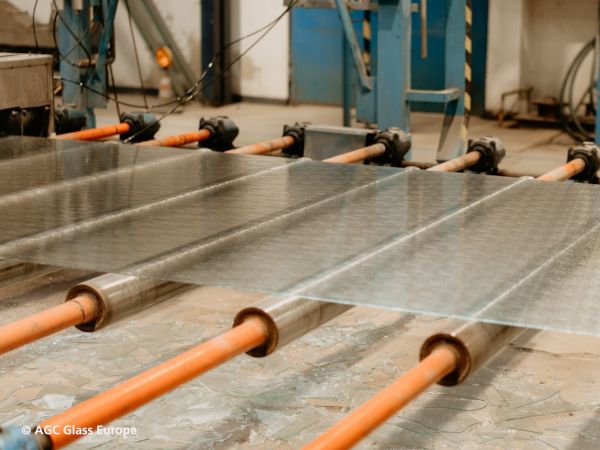
The VOLTA pilot furnace marks a decisive milestone in the demonstration of hybrid melting for flat glass, following one full year of continuous operation.
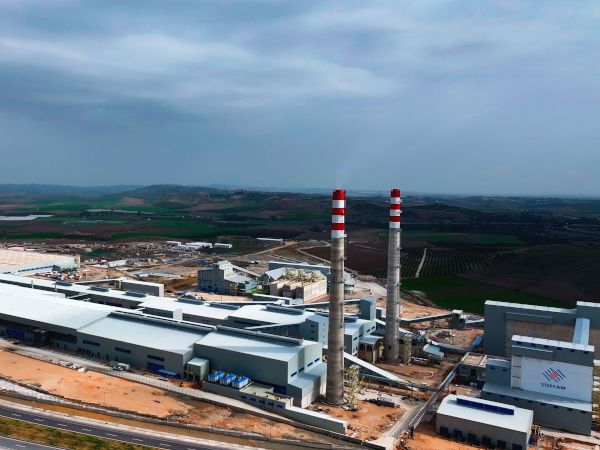
Şişecam has commissioned its new coated glass line in Tarsus to meet the growing demand.
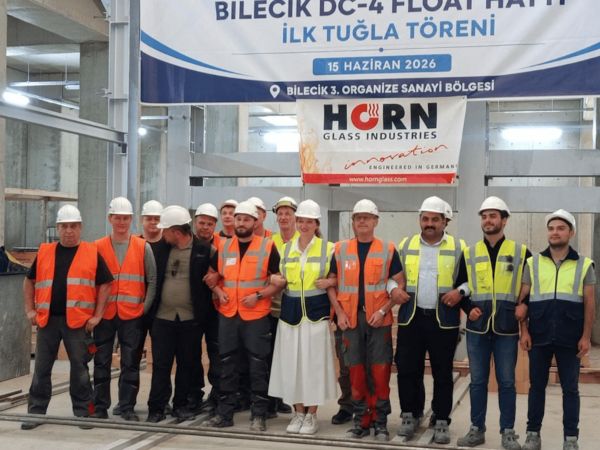
Düzce Cam and HORN Glass Industries have marked a major milestone with the stone-laying ceremony for a new 800 tpd float glass plant in Bilecik, Türkiye.
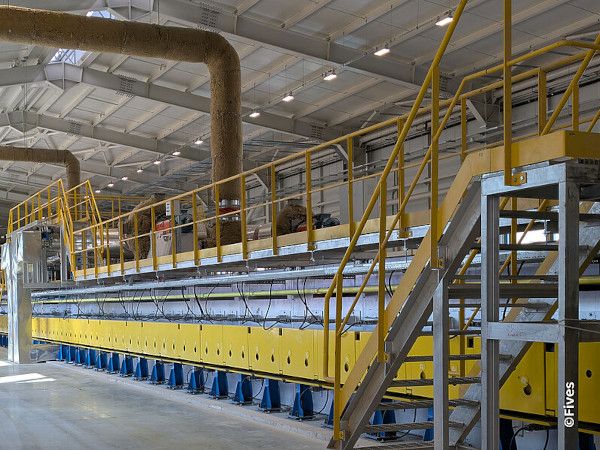
Şişecam, a global leader in glass manufacturing, has successfully commissioned its greenfield TR9 float glass line in Tarsus, Türkiye.
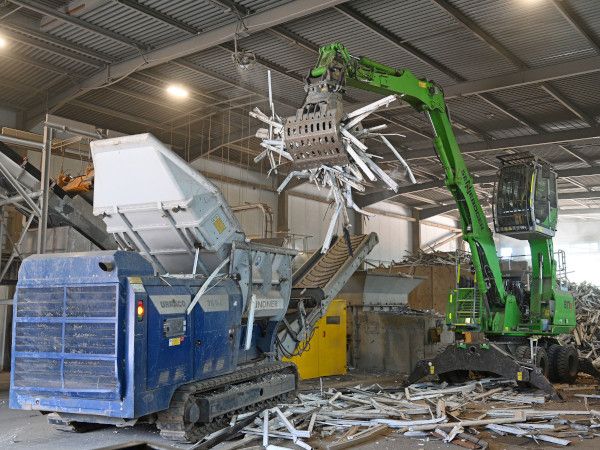
For many installers, waste removal has traditionally been viewed as little more than a necessary operational task, arrange a skip, clear the site, move onto the next job.
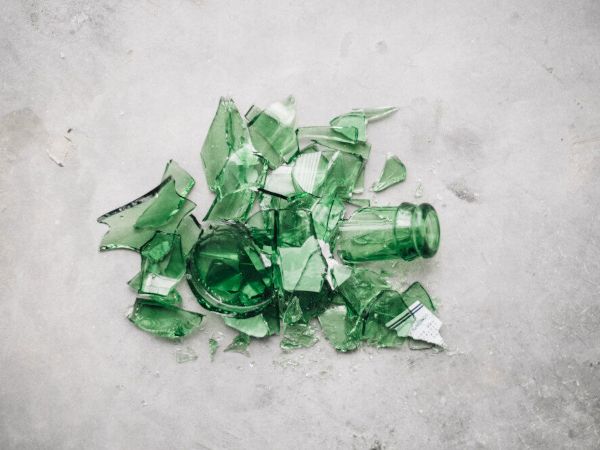
At glasstec 2026 circularity is one of the key three Hot Topics. Exhibitors will show how glass products are developed to be more suitable for recycling, how insulation glass units are separated automatically and how new sources of cullet can be…

Glass for Europe organised a workshop on the Packaging and Packaging Waste Regulation (PPWR).
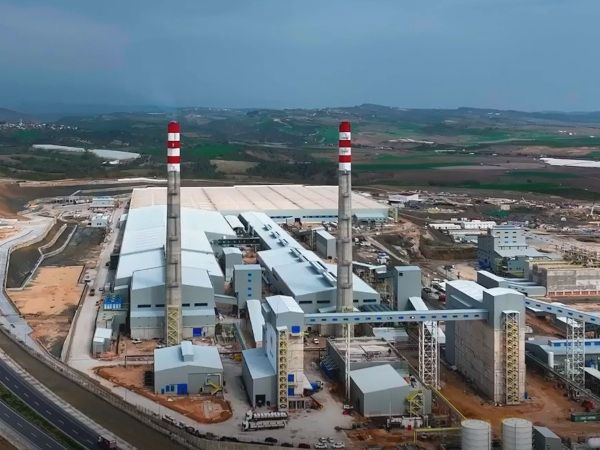
Şişecam has completed its greenfield flat glass facility investment in Tarsus, realized with a 315 million Euro investment, commissioning the TR9 line.
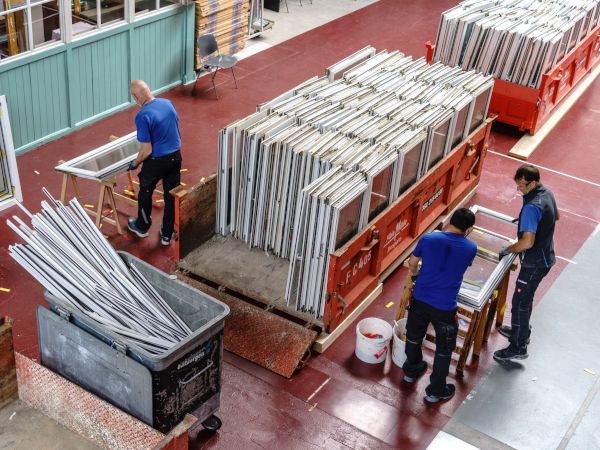
A pilot project led by ZHAW with Glas Trösch has demonstrated that recycling end-of-life windows into new float glass is technically feasible, paving the way toward a closed-loop recycling chain.
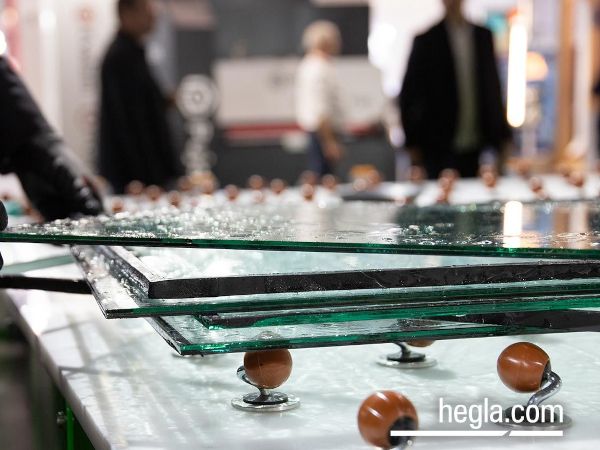
HEGLA’s IG2Pieces system has been nominated for the prestigious Fensterbau Innovation Award, highlighting its contribution to advancing circular solutions in the glass industry.
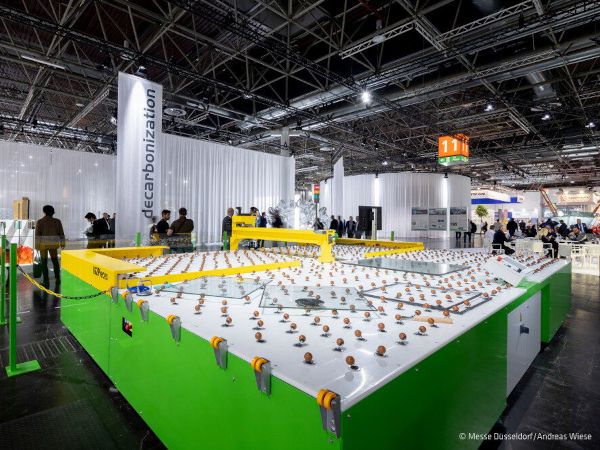
Glass can be molten indefinitely without losing quality – a property that makes it a key material for circularity. But the distance to cover towards a genuine circular economy varies by glass segment.
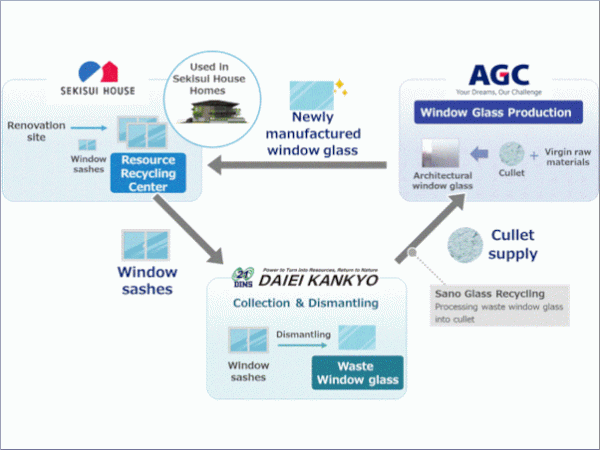
Japan’s first demonstration project for circular recycling of window glass from home renovation by Sekisui House, Daiei Kankyo and AGC
'The Industrial Accelerator Act represents a constructive first step towards supporting European-made products' declared Bertrand Cazes, Secretary General of Glass for Europe.

On February 25, the European Parliament’s ENVI and IMCO committees voted on the agreement of the new End-of-Life Vehicles Regulation.