
Others also read
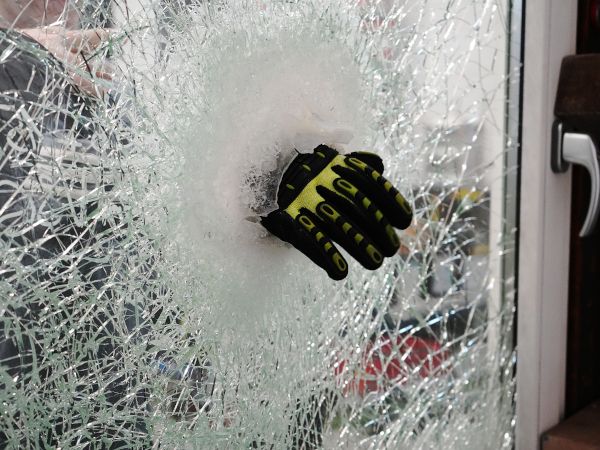
| Toughened glass: requirements on physical security, climate resilience and cyber security are rising
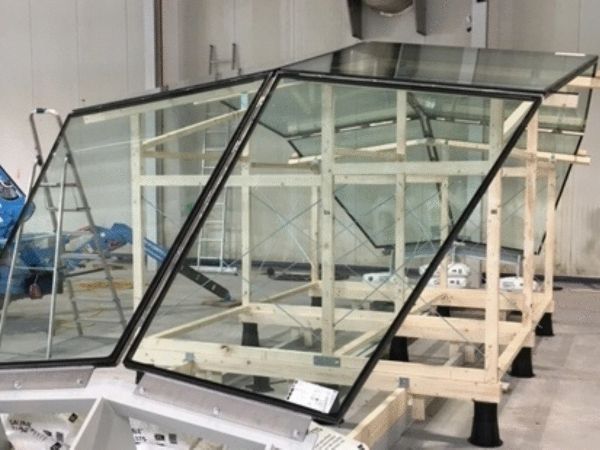
| This research explores how load-bearing glass can move beyond infill applications through an innovative linear metal edge fitting integrated into insulated glazing units.

| As glass increasingly takes on structural roles in modern architecture, ensuring its fire resistance has become a critical challenge for safe building design.

| Highly efficient building-integrated photovoltaics are entering a new phase, combining strong performance with expanded colour and design freedom.
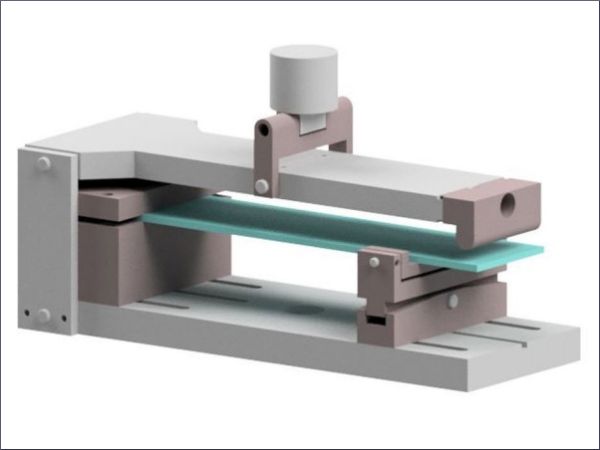
| This study explores how fibre optic sensors can accurately measure strain and temperature in laminated glass systems, revealing how adhesives, temperature, and load conditions influence the mechanical behaviour of PVB and embedded sensors.
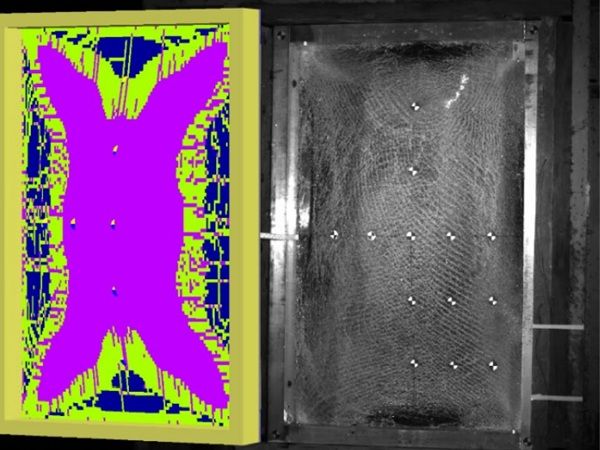
| Understanding how glazing systems behave under blast conditions is essential for designing safer, more resilient façades.
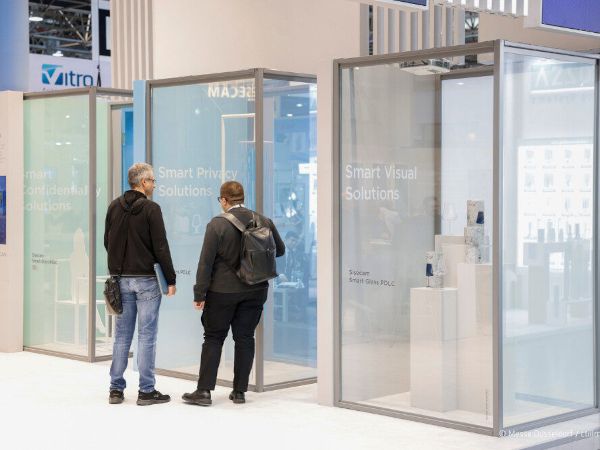
| Be it for more privacy at the office, discretion during conferences or an aesthetic styling element in architecture – switchable glass transforms transparent surfaces into opaque walls at the touch of a button.
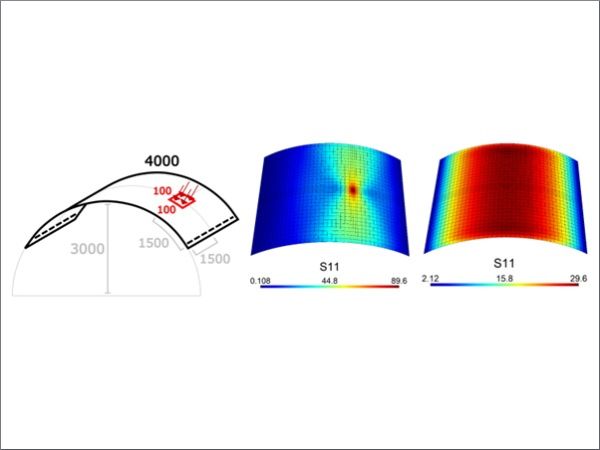
| A new advanced FEM model has been developed to accurately simulate the nonlinear behavior of Insulating Glass Units (IGUs), including curved configurations, offering higher precision and faster computation compared to commercial software.

| Spontaneous glass breakage caused by nickel sulfide (NiS) inclusions remains a hidden yet critical challenge in architectural glazing, raising important questions about safety, quality, and prevention in modern glass production.

| Viprotron has developed a new technology for the exit of the furnace, that allows the measurement of the distortion of tempered glass with high precision and unparalleled repeatability.

| Digital printing is transforming the glass industry, offering faster production, smaller batches, and more creative freedom—while reshaping processes and sustainability requirements.
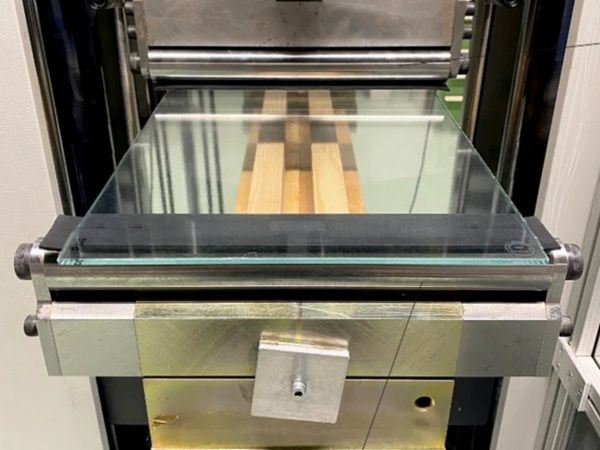
| Thermal stress relief treatment offers a promising solution for enabling the reuse and remanufacturing of end-of-life tempered glass, paving the way for more circular economy practices in the flat glass industry.
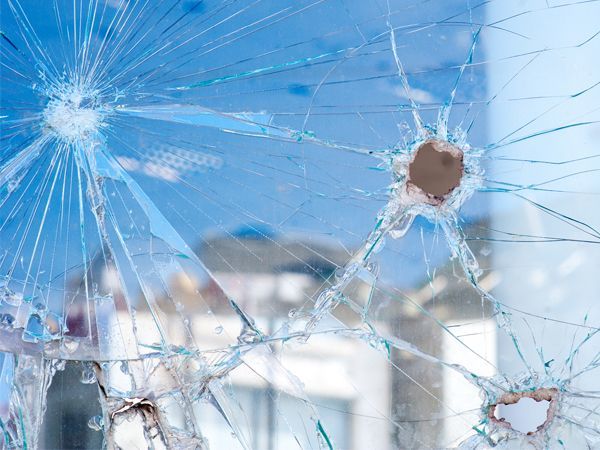
| New international standards are reshaping the way modern façade glass is designed, balancing security performance with comfort, safety, and multifunctionality.
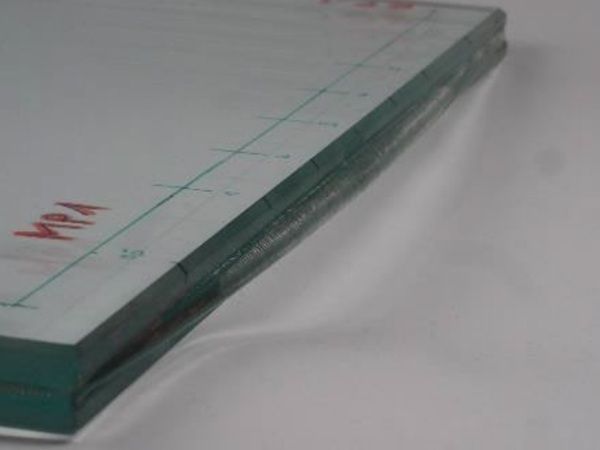
| The growing use of glass in modern architecture has increased the importance of laminated safety glass (LSG), prompting new research into how production processes impact its long-term durability and safety.
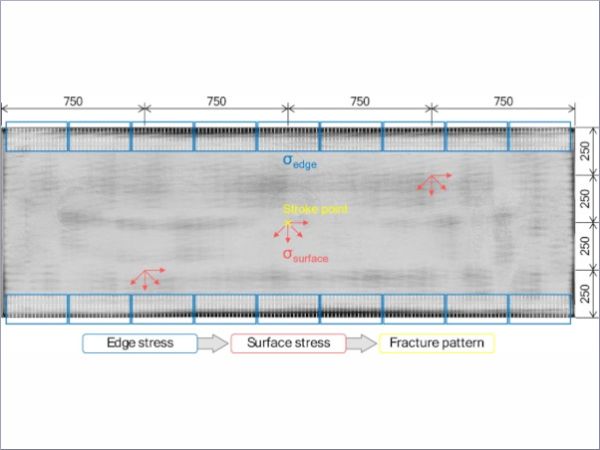
| New research explores how non-destructive photoelastic methods could improve quality control for large-format thermally toughened glass, reducing reliance on costly and time-consuming destructive testing.
| In this sixth episode of #AskGlaston flat tempering series, we explore how to avoid loading delays in tempering.

| Mikko Rantala on Glastory: Glass tempering is an energy-hungry process, and not just because of the heat.

| Demand for laminated safety glass is holding strong, driven by rising safety needs and new advances in sustainability and recycling.
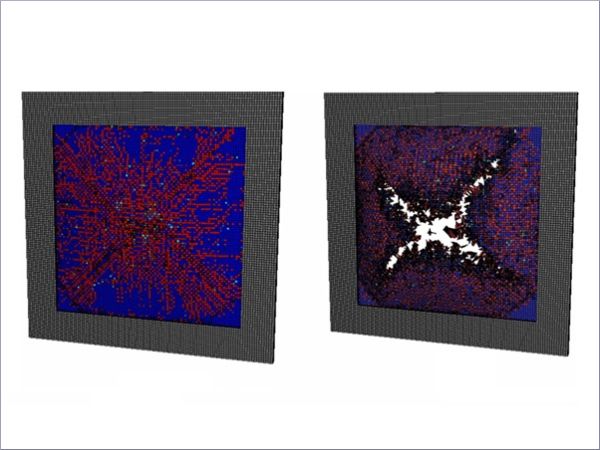
| This study explores how different laminated glass configurations and interlayer materials impact blast resistance performance.

| This paper presents a groundbreaking technological development in the optical quality of tempered glass.
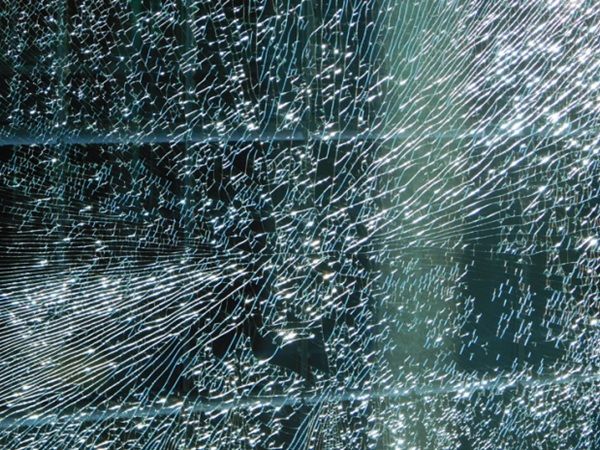
| Spontaneous breakage in tempered glass due to Nickel Sulfide (NiS) inclusions remains a critical topic in the industry—this paper examines the risks, benefits, and effectiveness of heat soaking as a preventive measure across different markets.
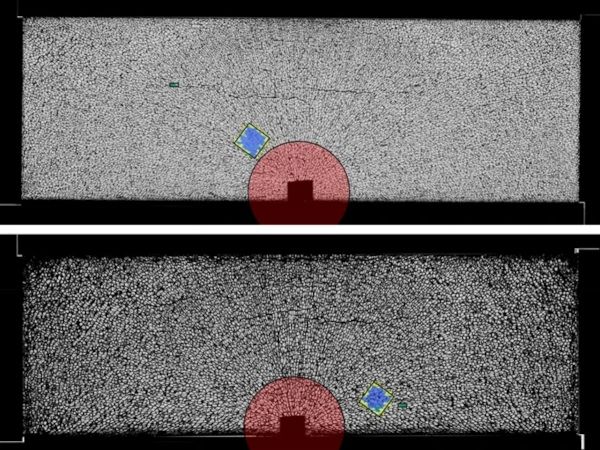
| In this experimental investigation, the surface and edge stress were measured on standardized format thermally toughened safety glass, with different edge processing and glass thicknesses from three different suppliers.
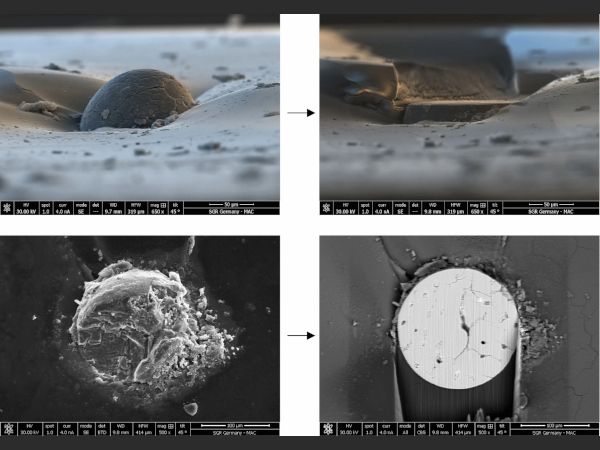
| Can we state if the Heat Soak Test (HST) was done according to EN14179-1:2005 or not?

| Glass finishing is a key element of modern glass processing. Over the past decades it has developed into a precise science allowing the properties of glass surfaces to be treated selectively.
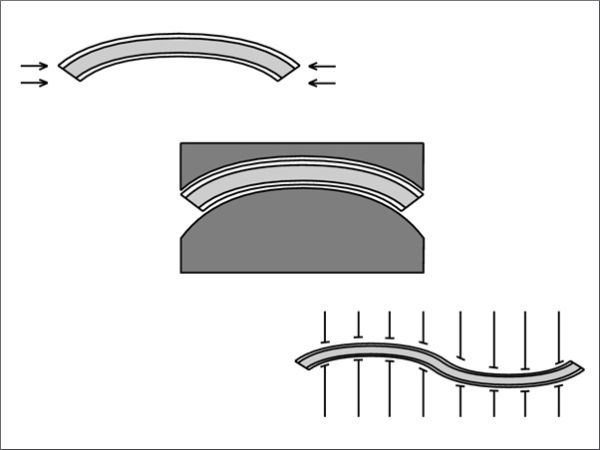
| This paper presents the investigation of three LOCA for application as interlayers in laminated glass. Within a comprehensive experimental study, essential material properties were investigated.