
Others also read
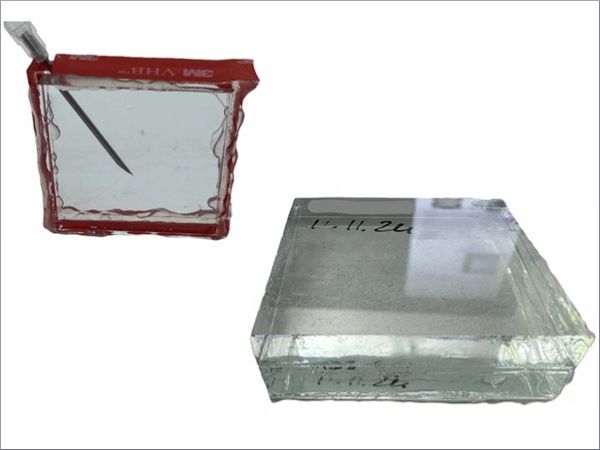
| Exploring LCPI adhesives as a promising alternative for stronger, more versatile laminated safety glass.
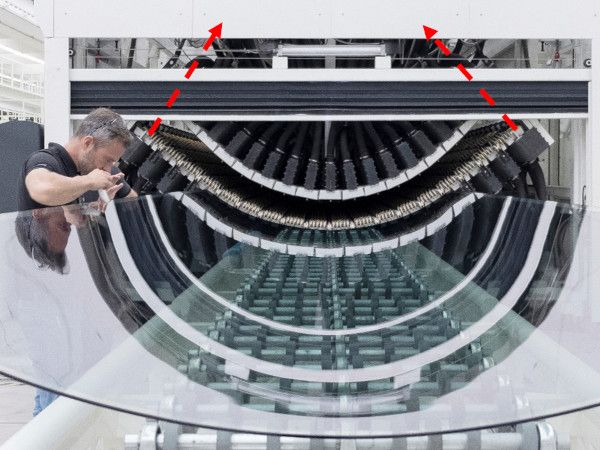
| Pushing the boundaries of architectural glass: a new large-format bending furnace is making faster, more precise production of complex 3D glass shapes a reality.
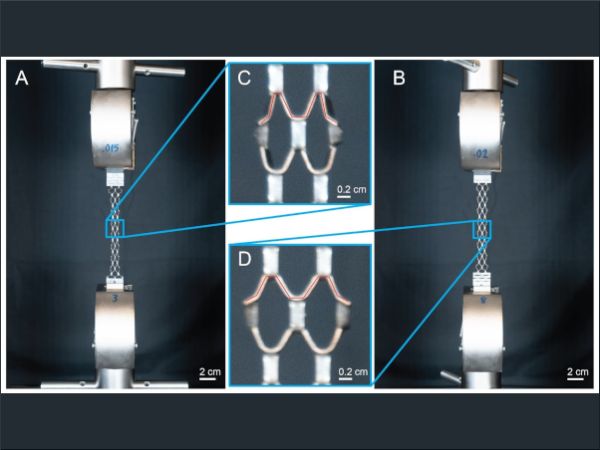
| Exploring a new approach to glass masonry, researchers demonstrate how metal kirigami interlayers can reduce weight, lower embodied carbon, and improve the performance of dry-assembled glass structures.

| Exploring the evolution of laminated safety glass, this paper examines advanced interlayer solutions and their performance in ballistic applications.
| Advances in interlayer technology are opening new possibilities for laminated safety glass, with improved stiff PVB delivering higher stiffness, enhanced durability and greater design flexibility for modern façade engineering.
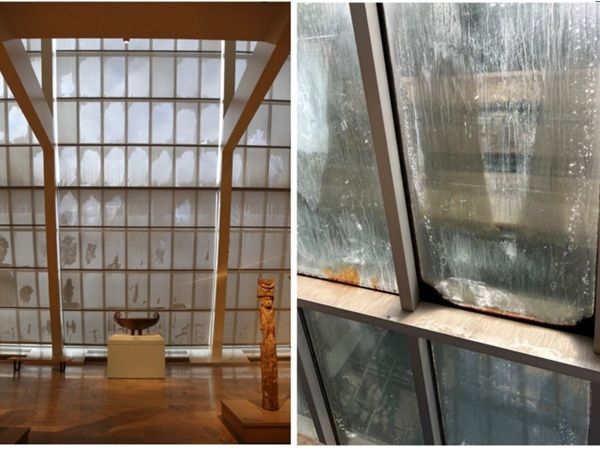
| Designing glazing for museum daylighting requires balancing art conservation, structural performance, and aesthetics—challenges explored through two sensitive glazing replacement case studies at the Metropolitan Museum of Art in New York.
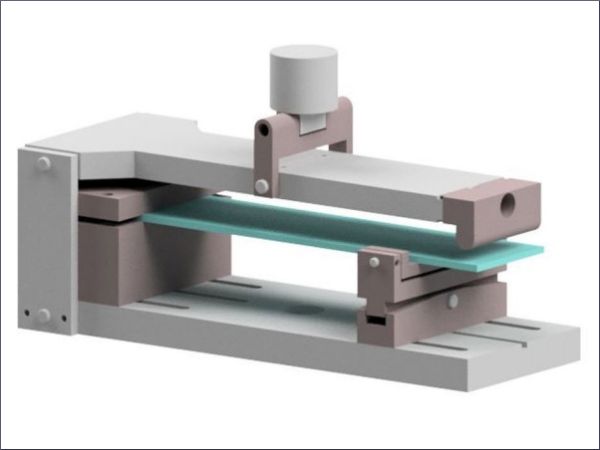
| This study explores how fibre optic sensors can accurately measure strain and temperature in laminated glass systems, revealing how adhesives, temperature, and load conditions influence the mechanical behaviour of PVB and embedded sensors.
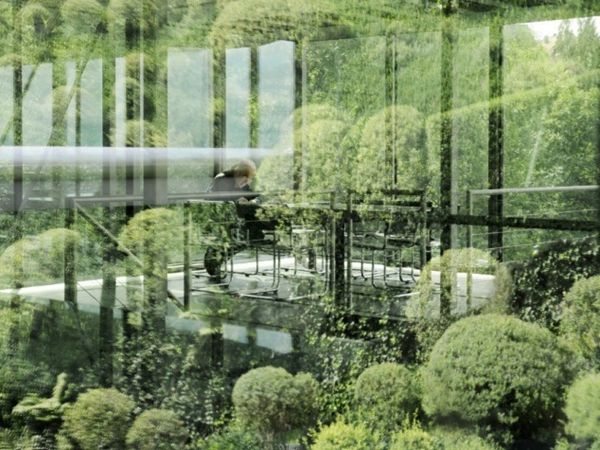
| As the façade industry advances in sustainable glass coatings, it’s time to look beyond energy performance and focus on human-centered design—exploring how light, spectrum, and transmittance impact our wellbeing.
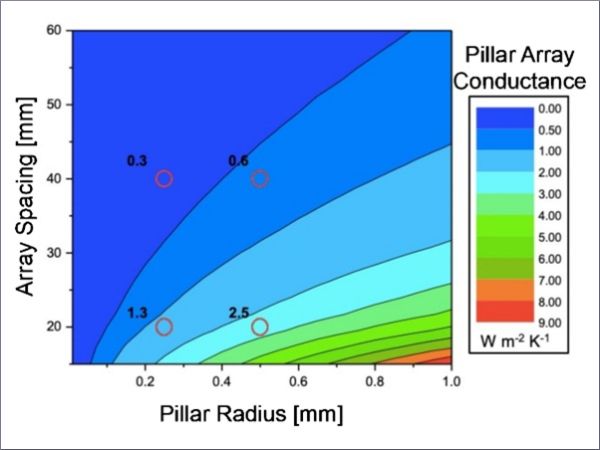
| A new study explores how the size, shape, and material of tiny support pillars in Vacuum Insulated Glass (VIG) impact both its thermal efficiency and mechanical strength — offering analytical tools to optimize VIG design for better performance.
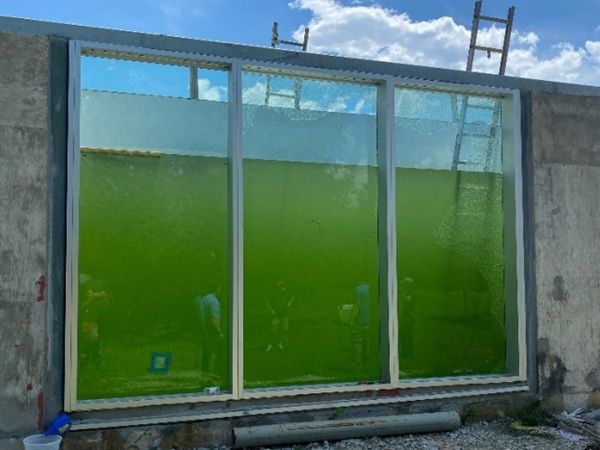
| ASTM has introduced a new standard, ASTM E3401, to guide the safe use of laminated glass in swimming pools, aquariums, and other applications subject to hydrostatic loads.

| New international standards are reshaping the way modern façade glass is designed, balancing security performance with comfort, safety, and multifunctionality.
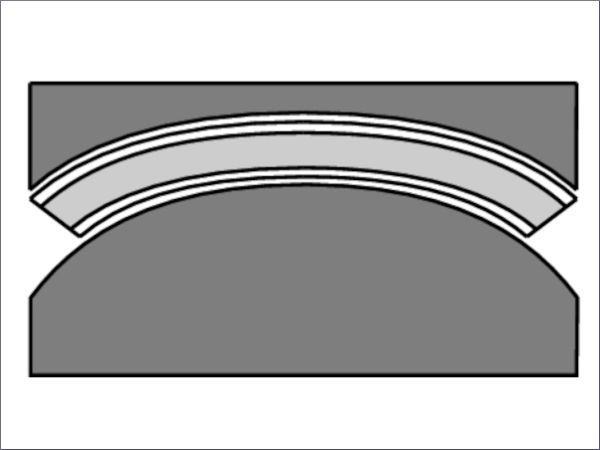
| A new study explores the potential of liquid optically clear adhesives (LOCA) as interlayers in laminated glass, offering promising solutions for complex curved designs and smart glazing applications.
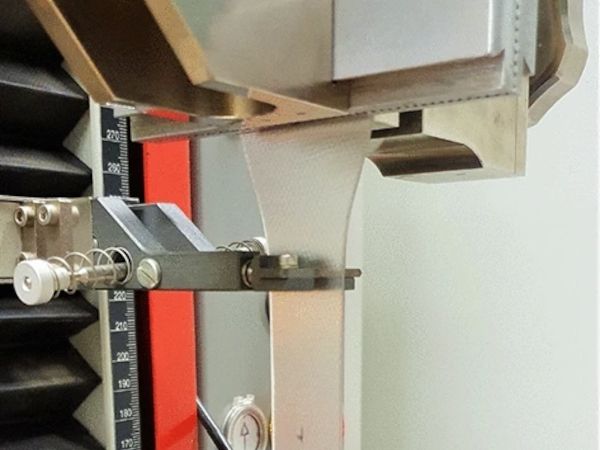
| Modeling broken laminated glass remains a challenge—this study proposes a simplified numerical approach based on interlayer experiments.
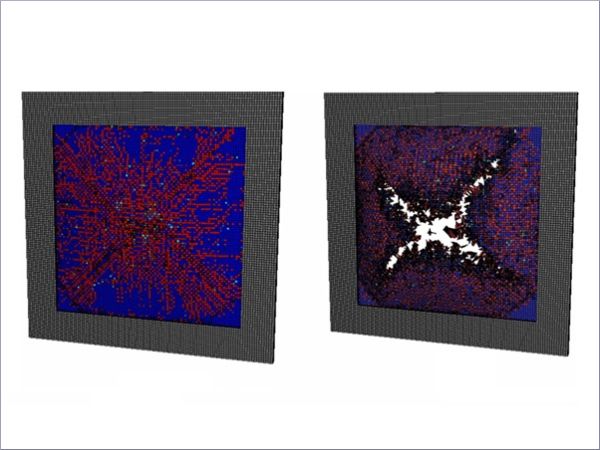
| This study explores how different laminated glass configurations and interlayer materials impact blast resistance performance.
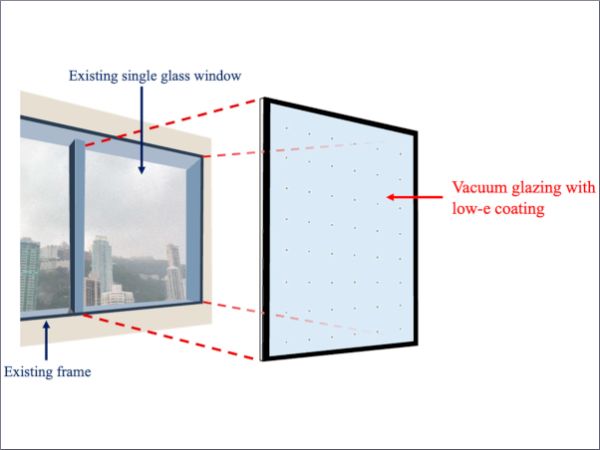
| Retrofitting buildings is key to boosting energy efficiency and climate resilience, especially in dense, subtropical cities like Hong Kong.
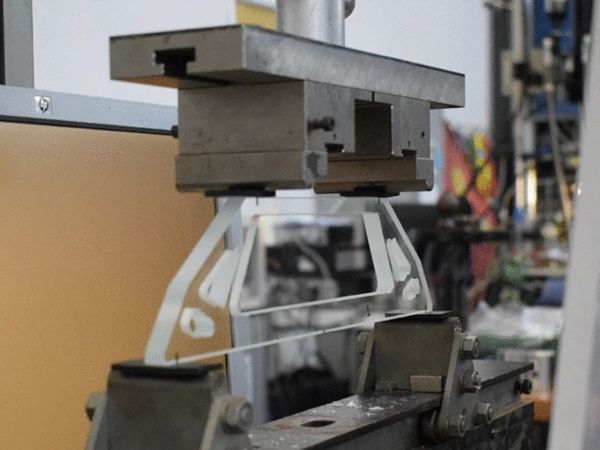
| This research proposes a suite of TO algorithmic frameworks that design specifically for structural glass.
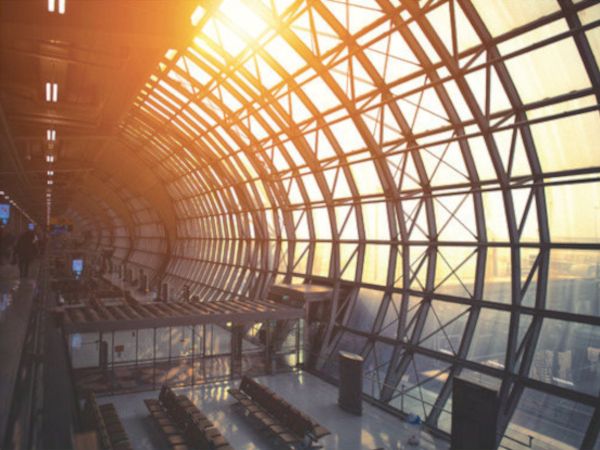
| As modern buildings increasingly use glass for its aesthetic appeal, managing excessive sunlight has become a challenge—this study explores how innovative kinetic façades can optimize indoor daylight while enhancing energy efficiency and comfort.
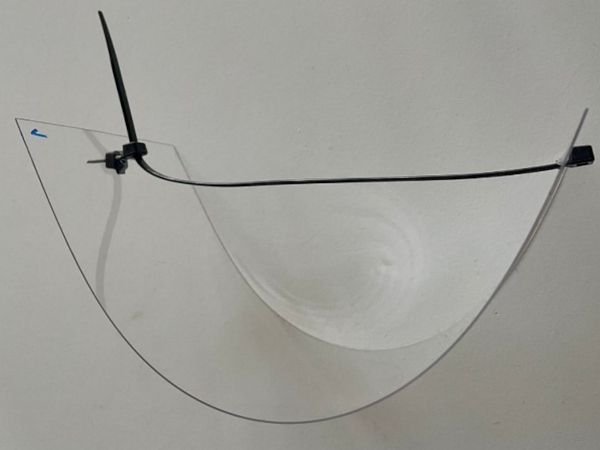
| This paper addresses the constraints of thin glass in construction and explores optimal bending techniques to maximize its potential through a detailed study of its properties.
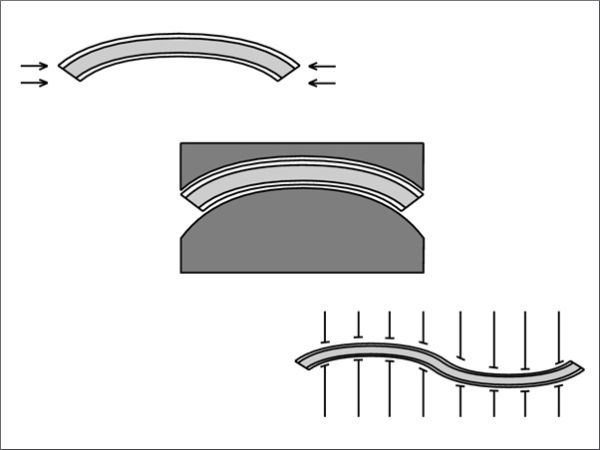
| This paper presents the investigation of three LOCA for application as interlayers in laminated glass. Within a comprehensive experimental study, essential material properties were investigated.
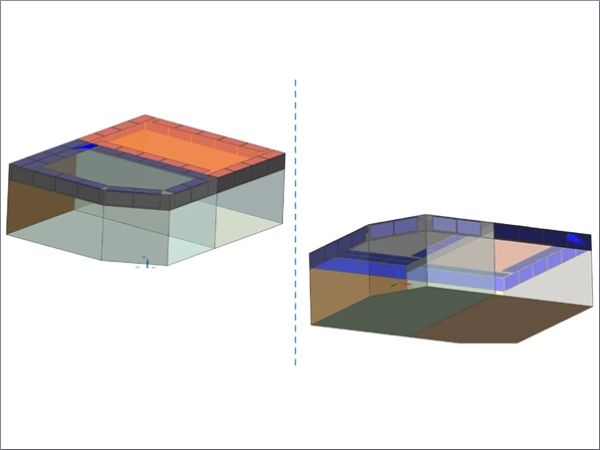
| Acoustic performance prediction by means of a statistical energy analysis of two adjacent workrooms used for conferences and educational proposes
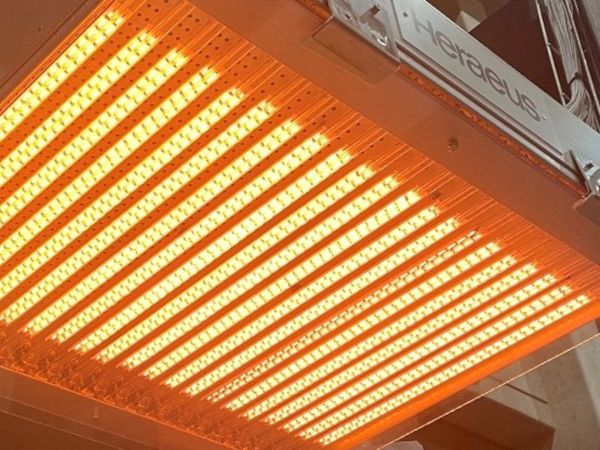
| This paper presents an experimental campaign employing an electric radiant panel as the heat source to investigate the heat transfer phenomena in glass.
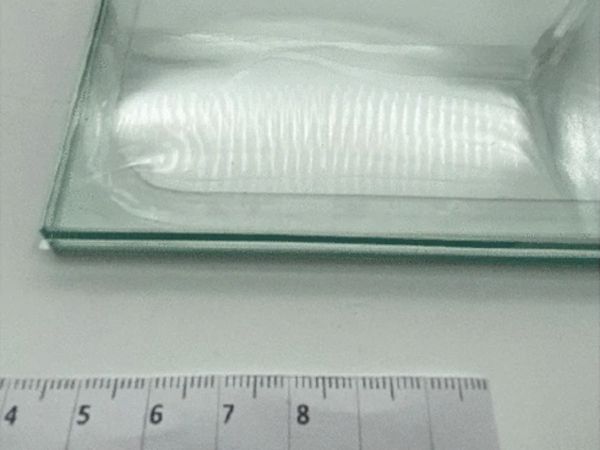
| In this paper, two specific liquid cold-poured interlayer adhesives are investigated for their mechanical material properties in an extensive test regime.
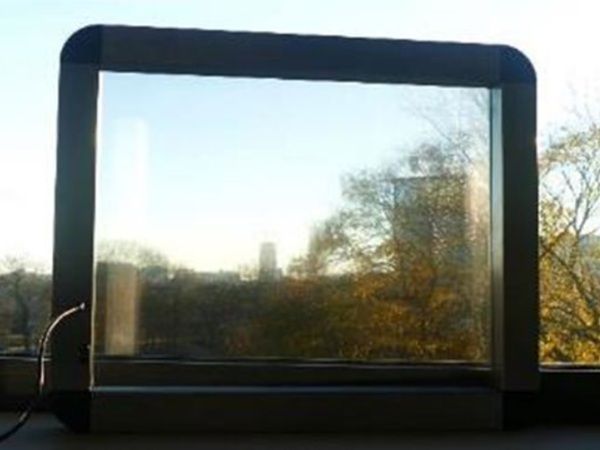
| This study examines the potential benefits of Electrophoretic Light Modulator (ELM) on an Amsterdam office's energy and daylight performance using dynamic simulation of a shoebox perimeter zone model.
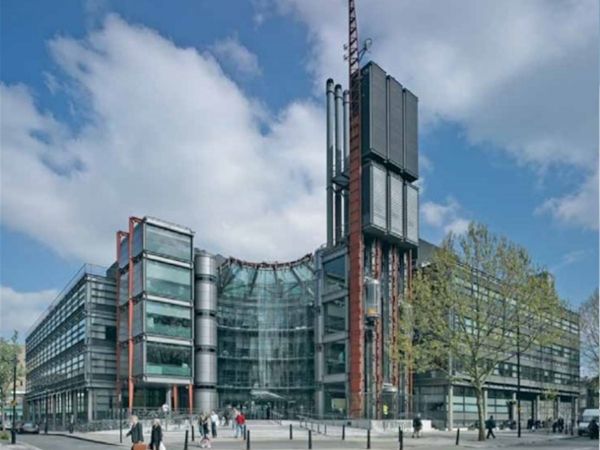
| In this paper, we will discuss a challenging, iconic, heritage, refurbishment project – Channel 4’s headquarters building located in London, England.
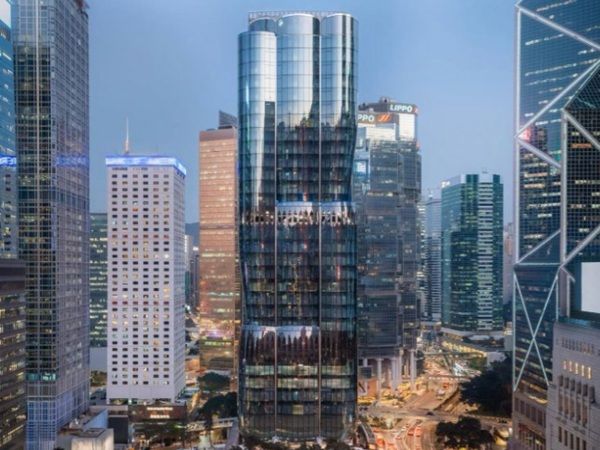
| The organic design and seamlessly reflective surface of “The Henderson” establish it as a landmark in Hong Kong. With its all-glass façade and a height of 210 m, the skyscraper designed by Zaha Hadid Architects offers spectacular panoramic views.