
Others also read
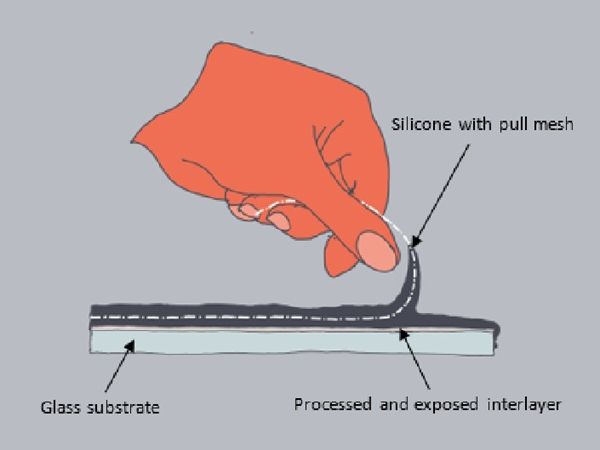
| Can silicone–interlayer adhesion make structural glass design more efficient? New research shows how strong, durable bonding between silicone sealants and laminated glass interlayers could help optimise SSG joints and reduce material use.
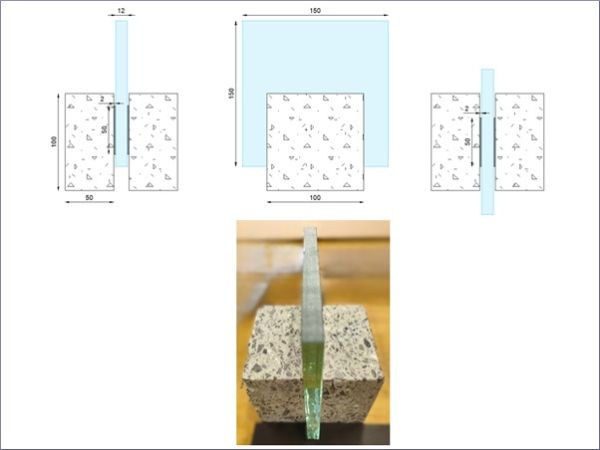
| Exploring the potential of epoxy adhesives for glass–concrete hybrid structures through experimental testing and finite element analysis.
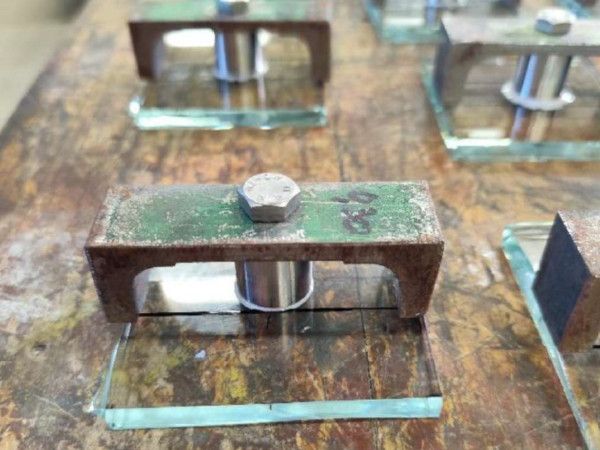
| How do temperature, humidity and water exposure affect the durability of bonded glass-steel joints? New research reveals significant differences between filled and unfilled epoxy adhesives under demanding environmental conditions.
| This paper explores practical solutions to reduce the high energy consumption of air jet quenching in glass tempering, highlighting existing technologies and opportunities for more efficient and sustainable processing.

| This paper presents a groundbreaking technological development in the optical quality of tempered glass.
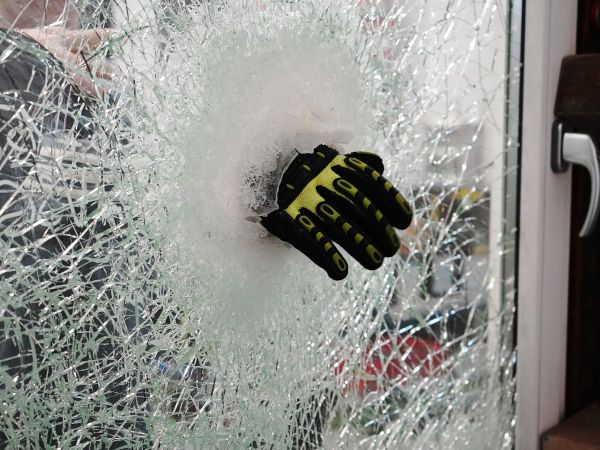
| Toughened glass: requirements on physical security, climate resilience and cyber security are rising

| As glass increasingly takes on structural roles in modern architecture, ensuring its fire resistance has become a critical challenge for safe building design.
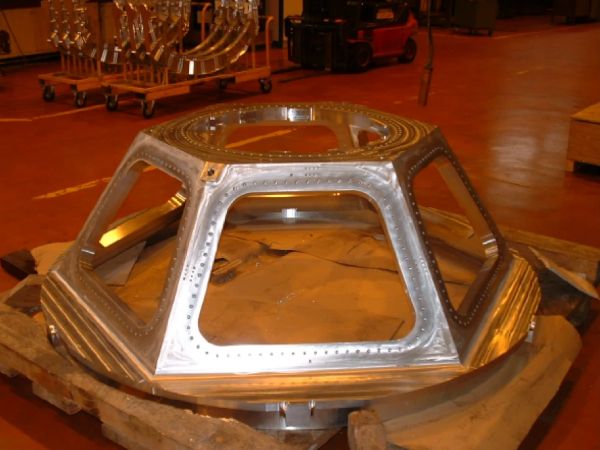
| As humanity looks beyond Earth, designing safe, durable, and transparent windows for space habitats becomes a crucial challenge—where extreme conditions meet cutting-edge engineering and materials innovation.

| Spontaneous glass breakage caused by nickel sulfide (NiS) inclusions remains a hidden yet critical challenge in architectural glazing, raising important questions about safety, quality, and prevention in modern glass production.

| Viprotron has developed a new technology for the exit of the furnace, that allows the measurement of the distortion of tempered glass with high precision and unparalleled repeatability.
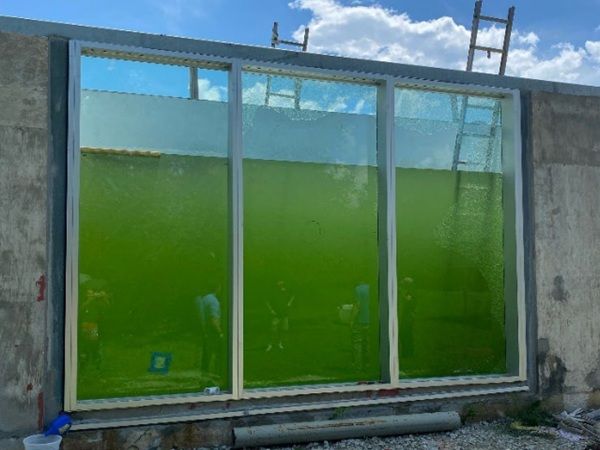
| ASTM has introduced a new standard, ASTM E3401, to guide the safe use of laminated glass in swimming pools, aquariums, and other applications subject to hydrostatic loads.
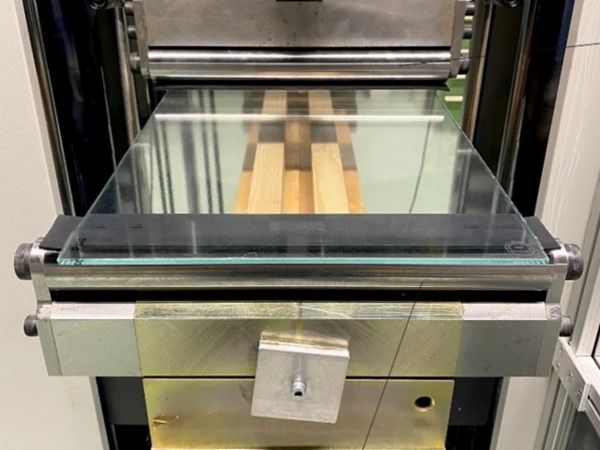
| Thermal stress relief treatment offers a promising solution for enabling the reuse and remanufacturing of end-of-life tempered glass, paving the way for more circular economy practices in the flat glass industry.
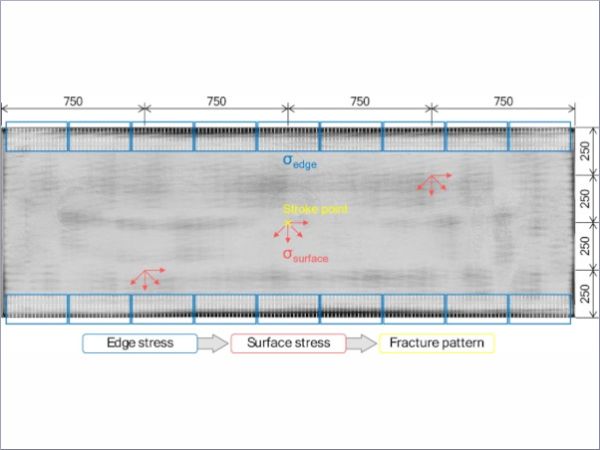
| New research explores how non-destructive photoelastic methods could improve quality control for large-format thermally toughened glass, reducing reliance on costly and time-consuming destructive testing.

| In this sixth episode of #AskGlaston flat tempering series, we explore how to avoid loading delays in tempering.

| Mikko Rantala on Glastory: Glass tempering is an energy-hungry process, and not just because of the heat.
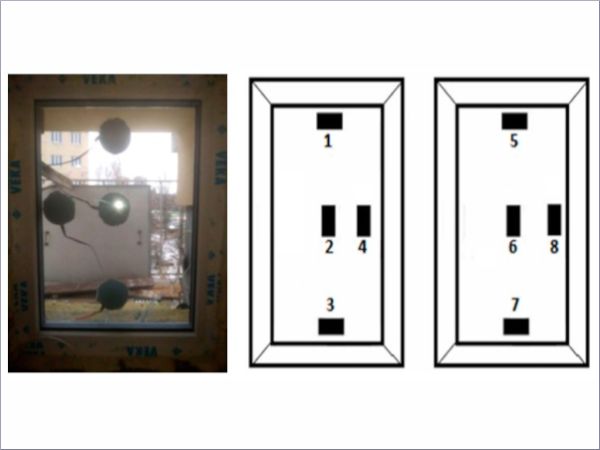
| This paper presents experimental and theoretical studies of heat transfer through single- and double-glazed windows with electrical heating of the internal surfaces.

| This paper presents a groundbreaking technological development in the optical quality of tempered glass.
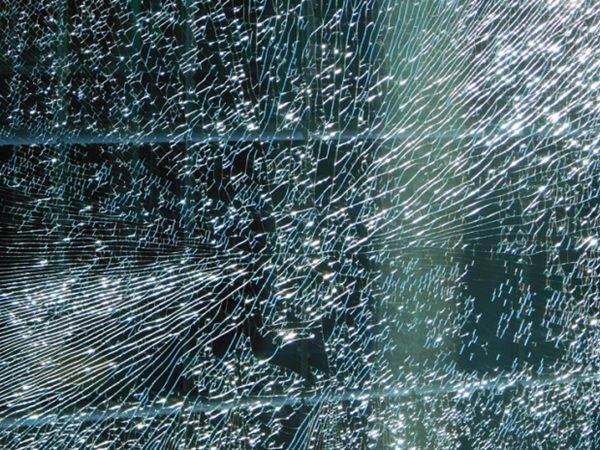
| Spontaneous breakage in tempered glass due to Nickel Sulfide (NiS) inclusions remains a critical topic in the industry—this paper examines the risks, benefits, and effectiveness of heat soaking as a preventive measure across different markets.
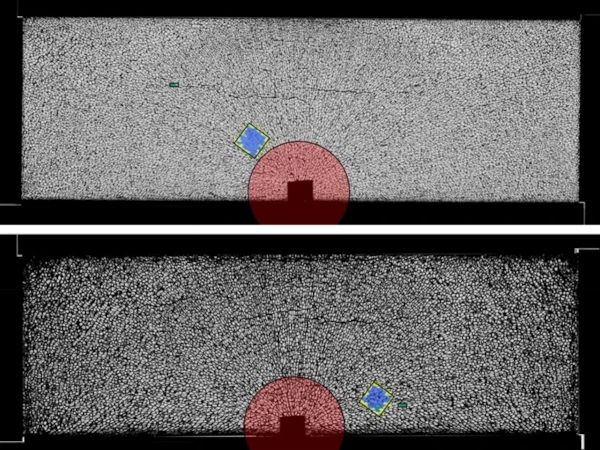
| In this experimental investigation, the surface and edge stress were measured on standardized format thermally toughened safety glass, with different edge processing and glass thicknesses from three different suppliers.
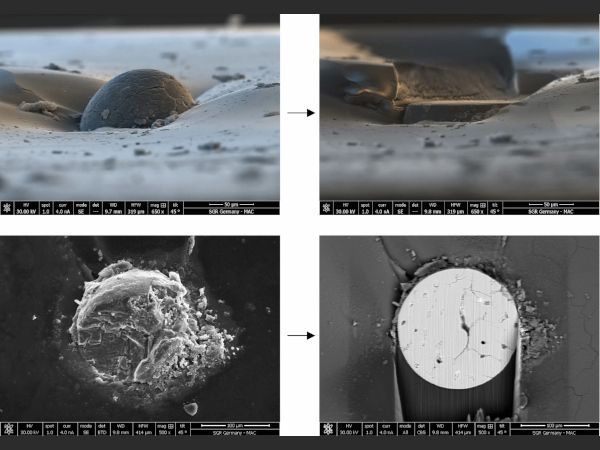
| Can we state if the Heat Soak Test (HST) was done according to EN14179-1:2005 or not?
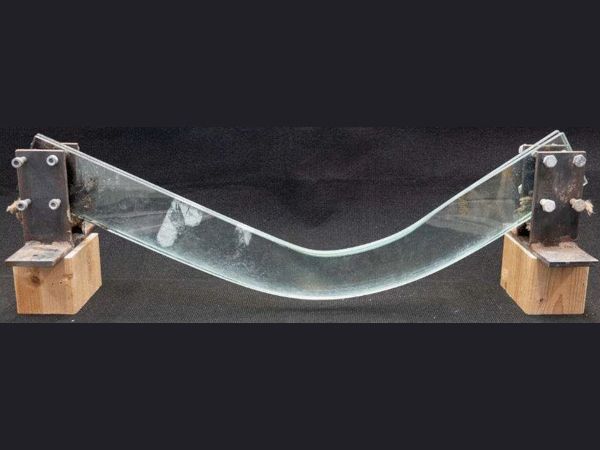
| Understanding how glass behaves under high temperatures is essential for improving the safety and performance of glass structures exposed to heat and fire.
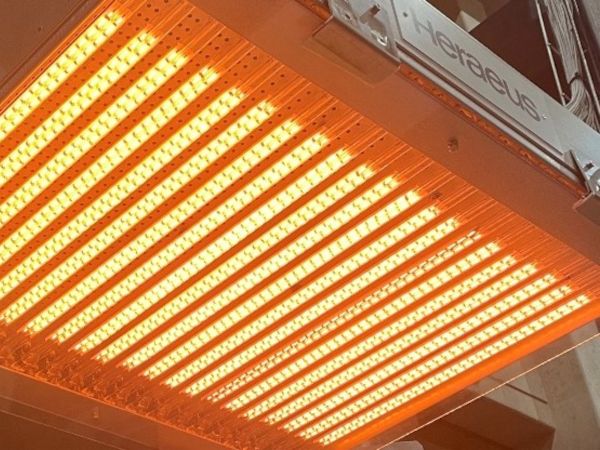
| This paper presents an experimental campaign employing an electric radiant panel as the heat source to investigate the heat transfer phenomena in glass.
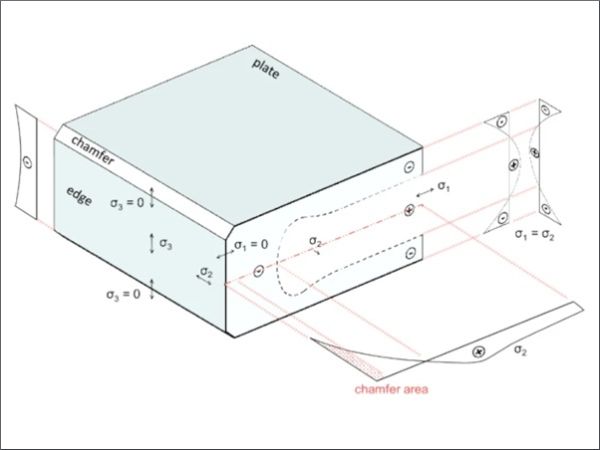
| The paper compares fitting functions of different polynomial degrees to determine and assess the edge stress.
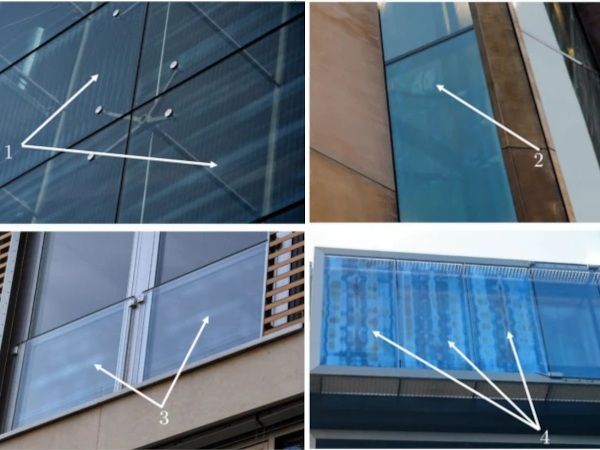
| Minor fluctuations in the tempering process of architectural glass lead to residual stress differences resulting in birefringence and undesired optical iridescence, also known as anisotropy effects.
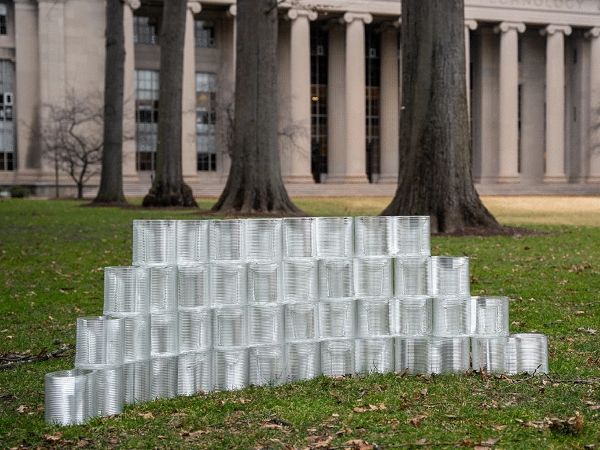
| This paper encompasses design, manufacturing, and experimental testing to assess the feasibility of using glass AM to produce interlocking masonry units for the construction industry.