
Others also read
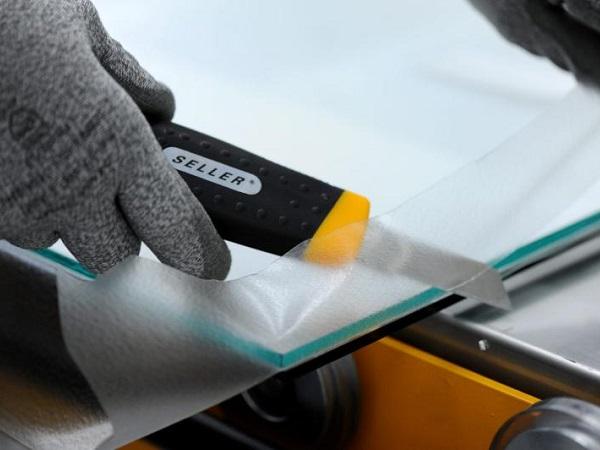
| To really succeed in glass lamination, it takes much more than just having the best equipment – it’s about understanding the process in and out.

| Glass production is an energy-intensive process by its nature, so even small reductions there can result in considerable savings in energy and costs.
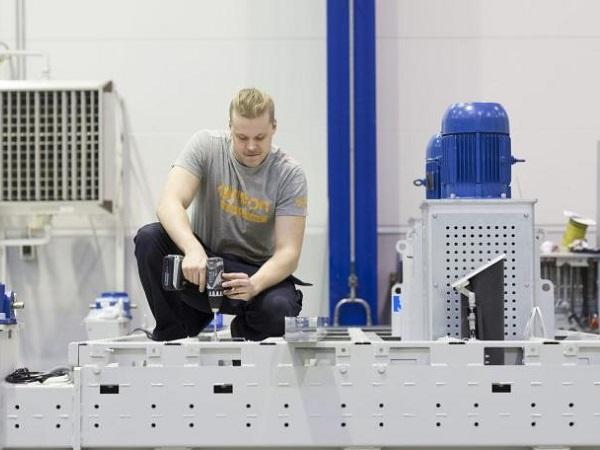
| Full convection, forced convection, focused convection, recirculated convection – the list of terms goes on and on.
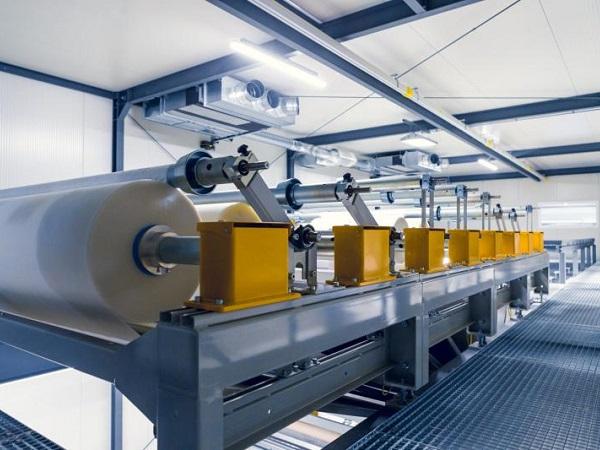
| We all know that glass lamination is the process of bonding two or more panes of glass with a flexible interlayer in between. Sounds simple. But is it always so in practice?
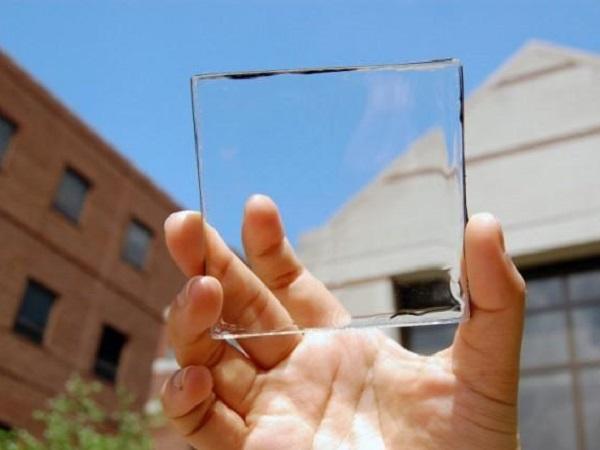
| I want you to think about your daily journey to work. Take a minute, visualize it – and then answer me this: How many glass surfaces did you see? Too many to remember?
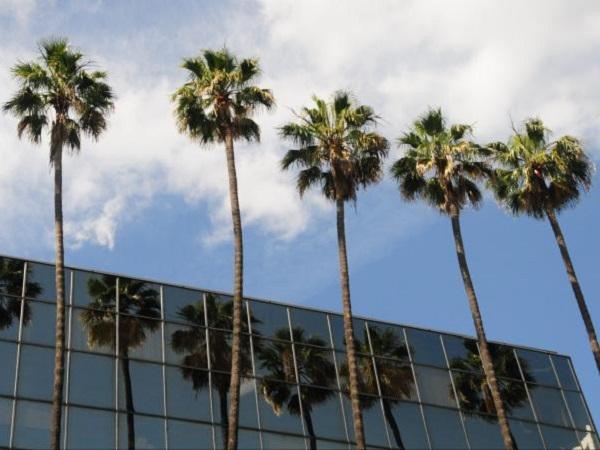
| Limiting global warming require “rapid and far-reaching” transitions in land, energy, industry, buildings, transport, and cities.
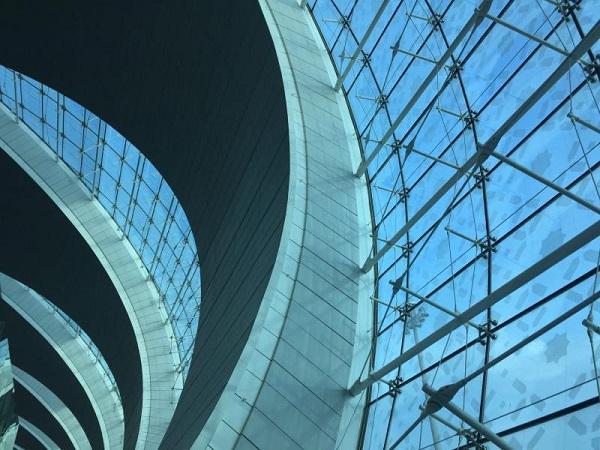
| Bent and tempered glass has long been of great interest to the market. The process of creating high-quality tempered bent glass has evolved over the years.
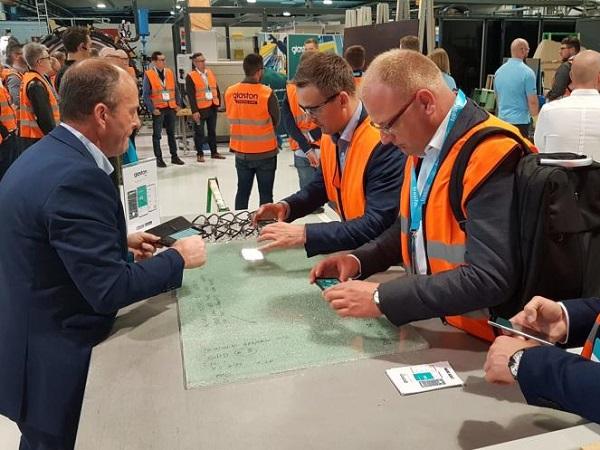
| Do you still spend precious time doing the meticulous task of manually counting glass cullets for a glass fragmentation test? Or maybe your modern counting tool is not exactly the gold standard? If so, we have some good news for you!
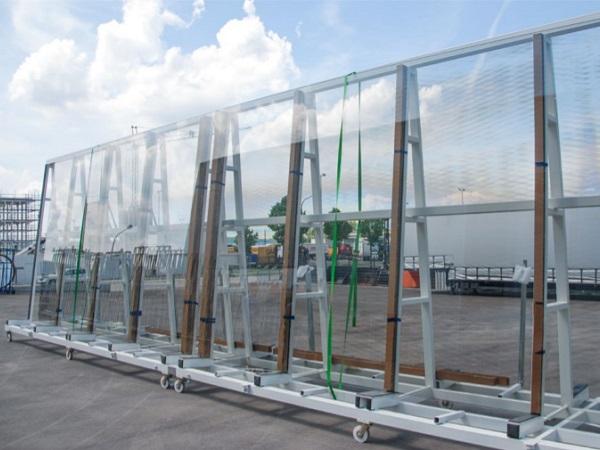
| Irregularities in the glass, which are visible under certain lighting conditions and interfere with the overall impression of a pane – anisotropies – occur when glass is tempered.

| The latest Glastory blog is dealing with the newest trends coming to the bus glass market - how the cut-outs, digital and screen printing, larger surfaces and thinner glass to reduce weight and fuel consumption is challenging the glass processing.
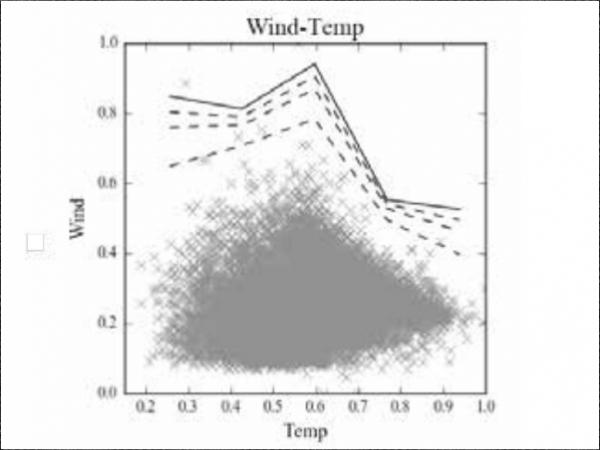
| An Initial Study Towards Optimized Structural Assessment of Glass Components
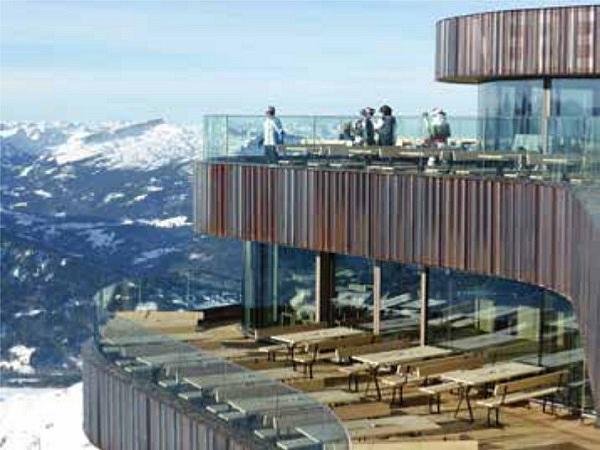
| Constructions at exceptional locations are often challenging but worth one’s while. Extreme boundary conditions and sophisticated demands of the client have to be considered.
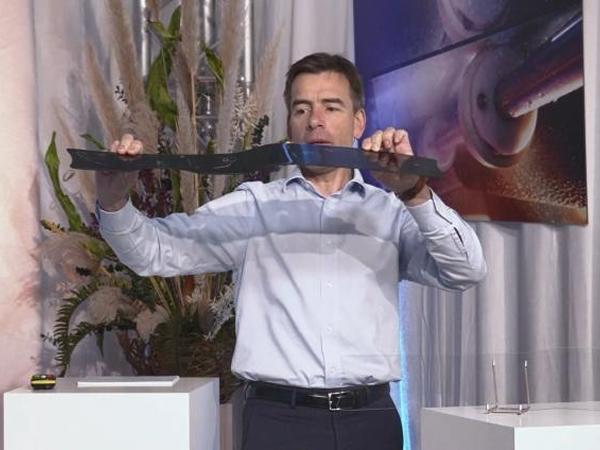
| The latest Glastory post is dealing with the trends in automotive display glass processing.

| In this blog post, we look at trends in the sunroof and windshield business today and how glass processors can prepare for them.
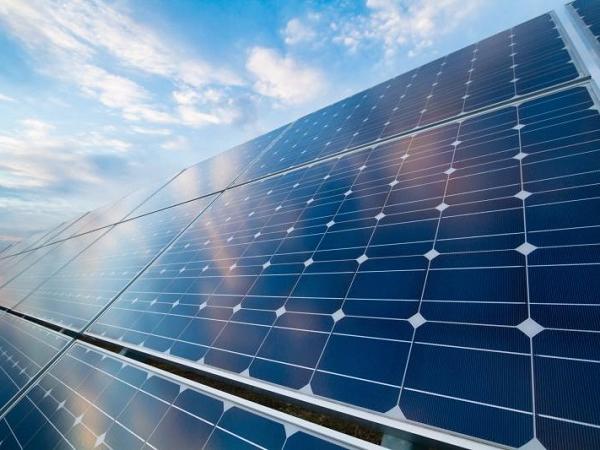
| A clean, safe and sustainable source of energy, solar continues to power the world at a faster pace than ever before.
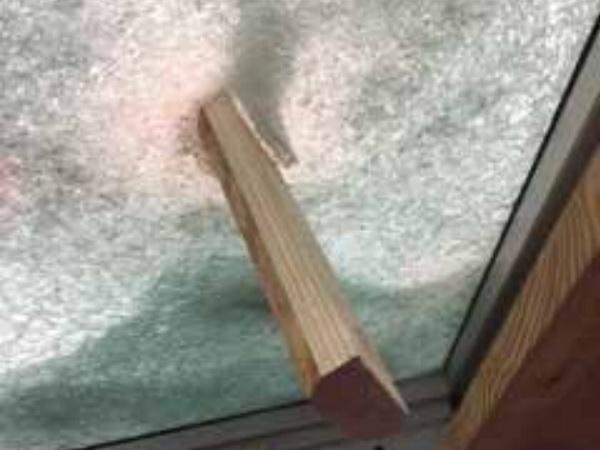
| Building code requirements for wind-borne debris protection have been in existence since the mid- 1990s, and as a result, many glazing systems have been tested and certified to these performance requirements.
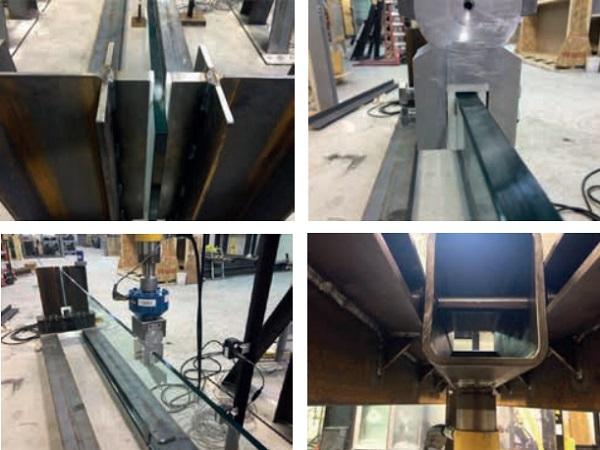
| For nearly 50 years, glass has been used as structural elements in glass fin applications. These applications include interior and exterior projects, supporting facades, canopies, storefronts, curtain walls and skylights.
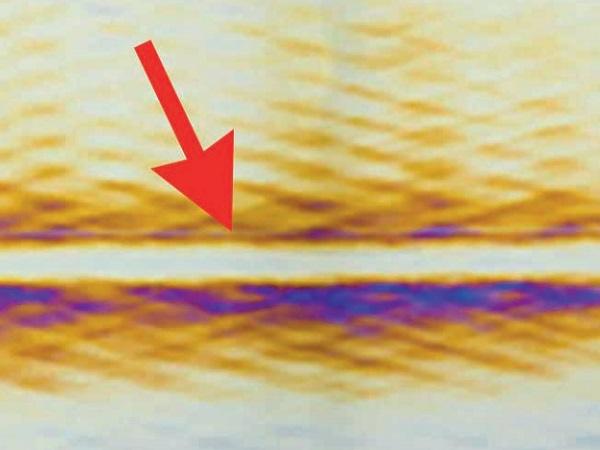
| Anisotropy is the term used in the façade industry to describe the manifestation of patterns and colourful areas in heat-treated glass under certain light and viewing conditions.
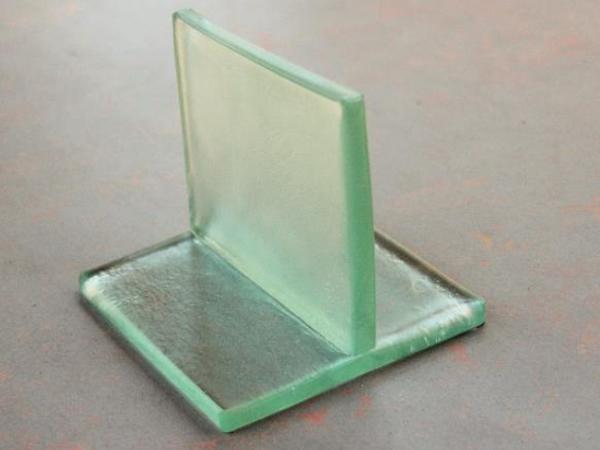
| Connecting glass with heat bonds is a way to create all-transparent glass structures. Two methods have been researched in theory and practice, glass welding, through local heating, and glass fusion through global heating.
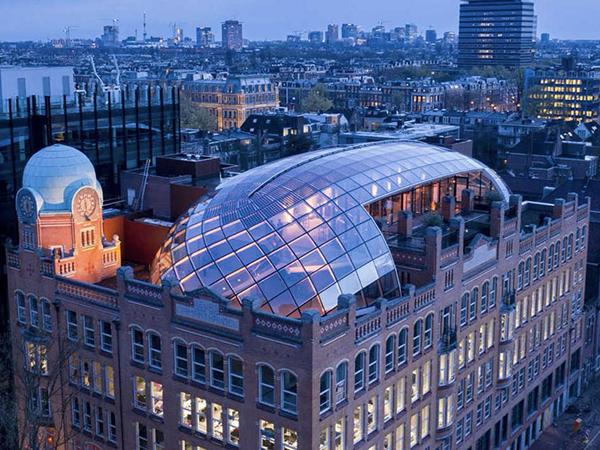
| This paper focuses on the geometric optimization of the free-form gridshell towards planar quad glass units.
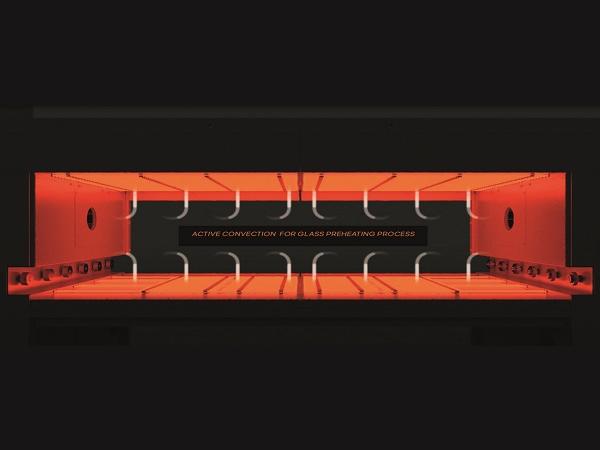
| Latest Glastory blog by Jukka Immonen is dealing with the 5 promises of convection technology in windshield bending.
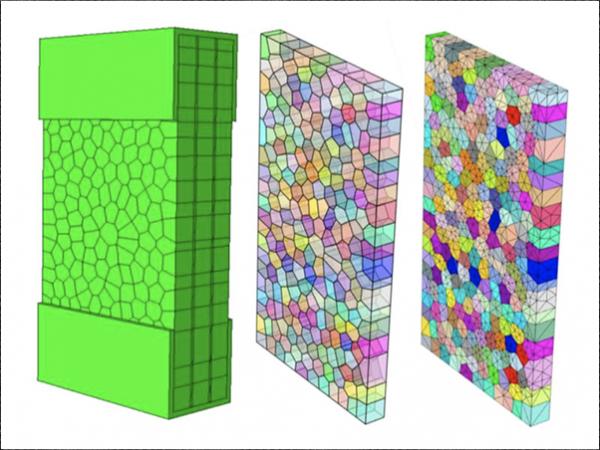
| In this work, a combined Voronoi and finite-discrete element method (FDEM) approach for reconstructing the post-fracture model of laminated glass (LG) was proposed.
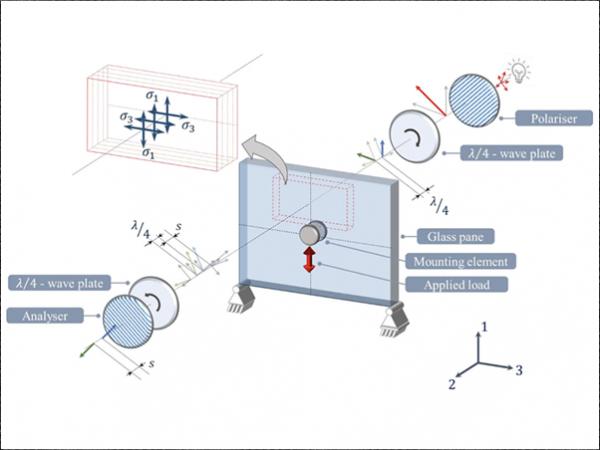
| The load-bearing capacity of glass as a structural material as well as sustainability and resistance of a built-in glass against appearing loads and forces is assuming an ever-greater importance.
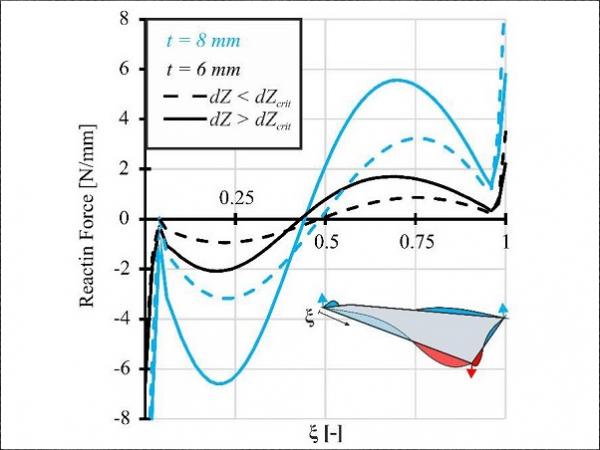
| In today’s architecture the bending of glass plays an important role in achieving free forms in modern façades.
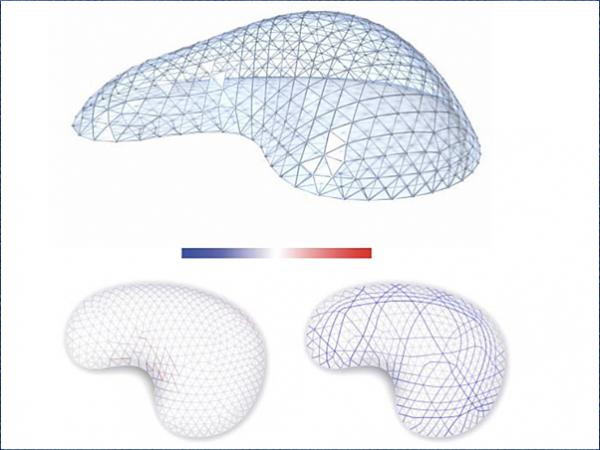
| Shells made of structural glass are beautiful objects from both the aesthetics and the engineering point of view.