
Others also read
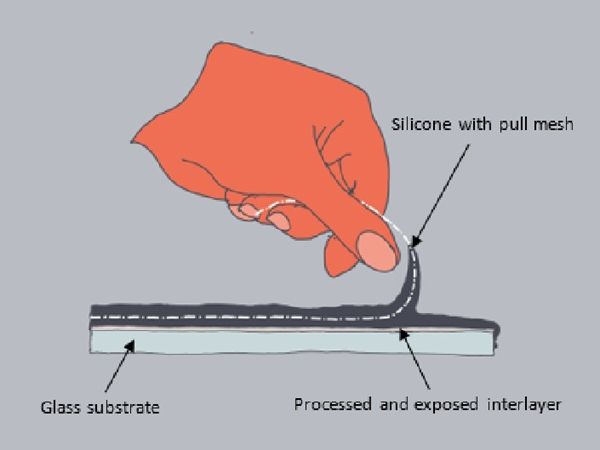
| Can silicone–interlayer adhesion make structural glass design more efficient? New research shows how strong, durable bonding between silicone sealants and laminated glass interlayers could help optimise SSG joints and reduce material use.

| How can structural silicone glazing help data centres combine sleek, city-friendly glass façades with the security, thermal efficiency and resilience required for mission-critical infrastructure?
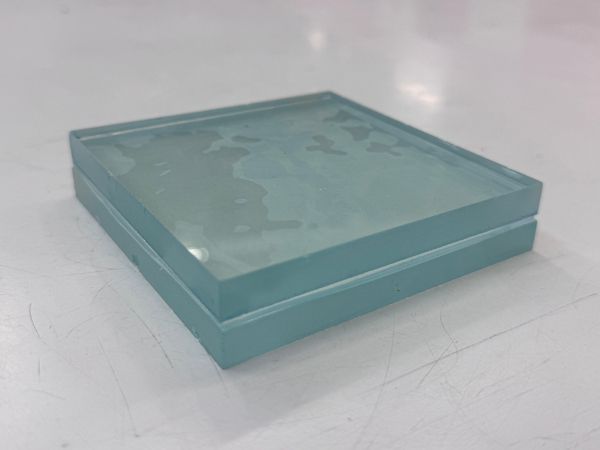
| Discover how pre-applied silicone strips are transforming structural glazing, improving productivity, design flexibility, cost efficiency and sustainability in modern façades.
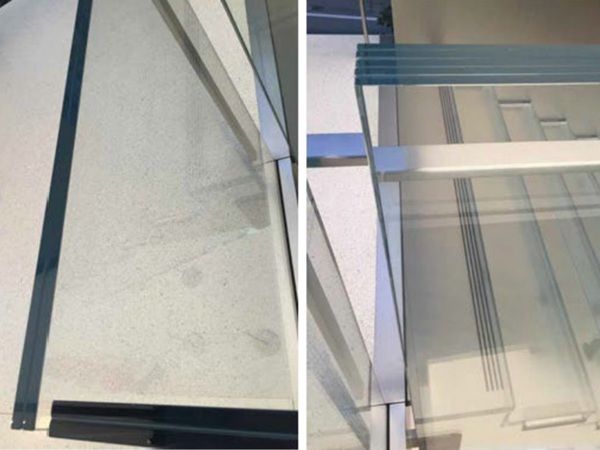
| A more objective approach to coated glass colour could transform how architects and designers select and evaluate architectural façades.
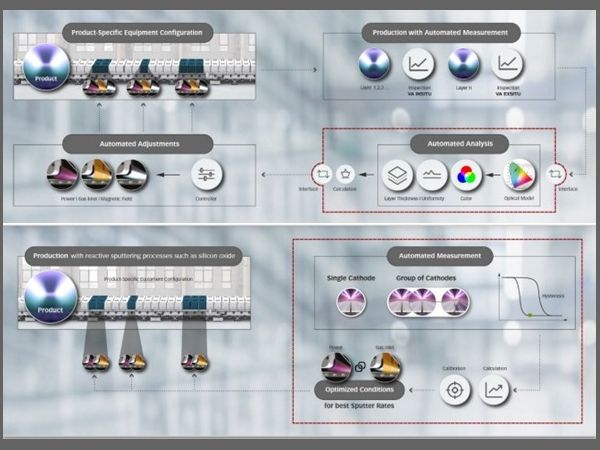
| Discover how digital software solutions are helping glass coating manufacturers reduce carbon emissions, improve production efficiency, and support the journey toward net-zero buildings and vehicles.
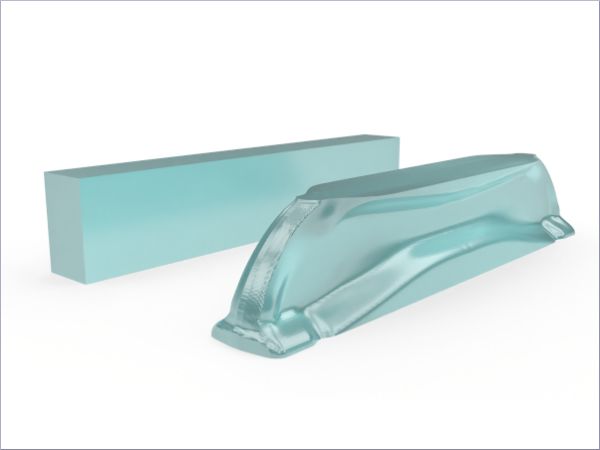
| Topology optimization could unlock the architectural potential of cast glass by reducing material usage by up to 38%, making larger and more efficient structural glass components economically viable.
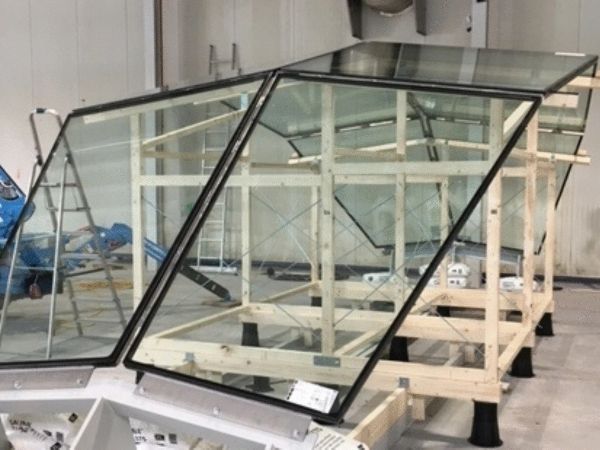
| This research explores how load-bearing glass can move beyond infill applications through an innovative linear metal edge fitting integrated into insulated glazing units.
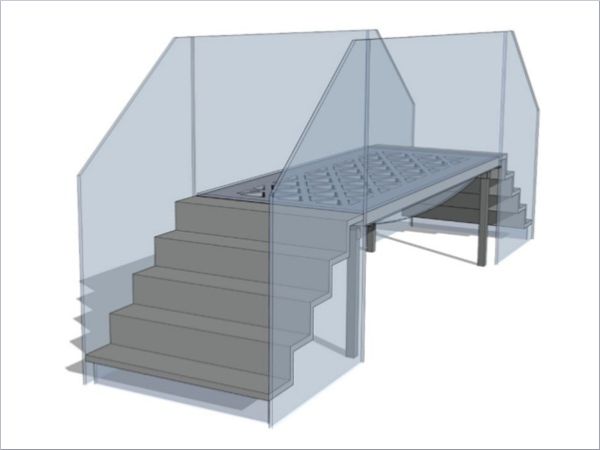
| This article presents how the pioneering G2C (Glass-to-Concrete) project is redefining construction by successfully integrating bonded glass and concrete into a full-scale pedestrian bridge demonstrator.
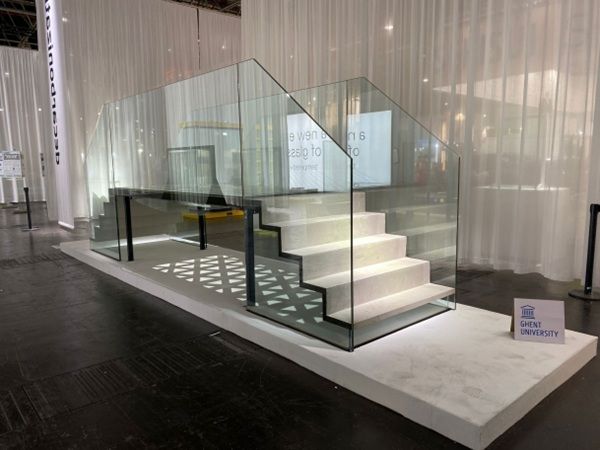
| This study demonstrates how fibre-reinforced and ultra-high-performance concretes enable structurally bonded glass-to-concrete systems, opening new possibilities for efficient, sustainable, and visually striking hybrid structures.
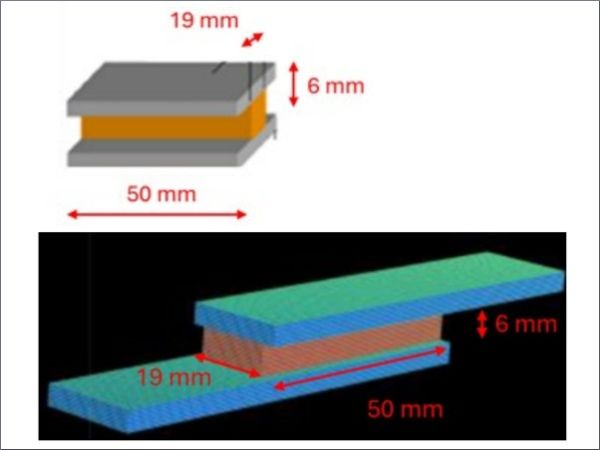
| A new study explores how smarter structural design and adhesive optimization in glass-metal façades can significantly cut embodied carbon while maintaining performance and integrity.
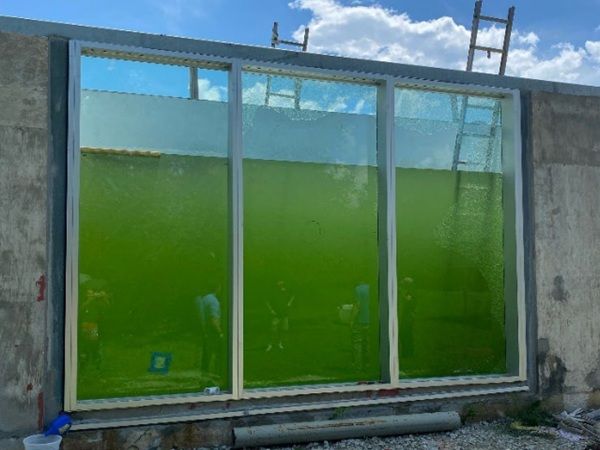
| ASTM has introduced a new standard, ASTM E3401, to guide the safe use of laminated glass in swimming pools, aquariums, and other applications subject to hydrostatic loads.

| By Errol Bull, P.E., CSI, an Application Development Leader at Momentive Performance Materials Inc. Member: IIBEC, ASTM C24, ISO TC59/SC8

| Discover how TPS® boosts IGU longevity and energy performance in this Glastory blog and download the presentation.

| Self-cleaning surfaces, enabled by advanced material design and additive manufacturing, are opening new possibilities for sustainable and multifunctional technologies.
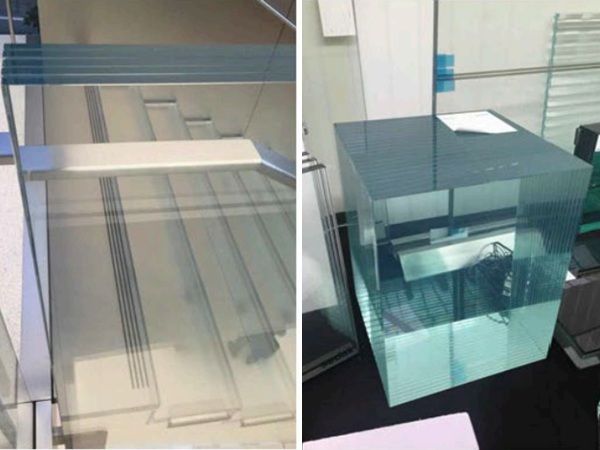
| This paper investigates the integration of colorimetric analysis into the architectural glass selection process, with a focus on utilizing spectral data to quantitatively characterize colour attributes.
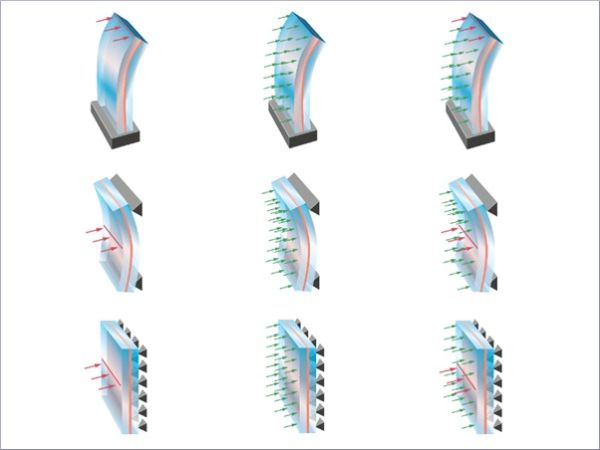
| A new AI-powered tool is set to transform the structural design and analysis of glass facades.
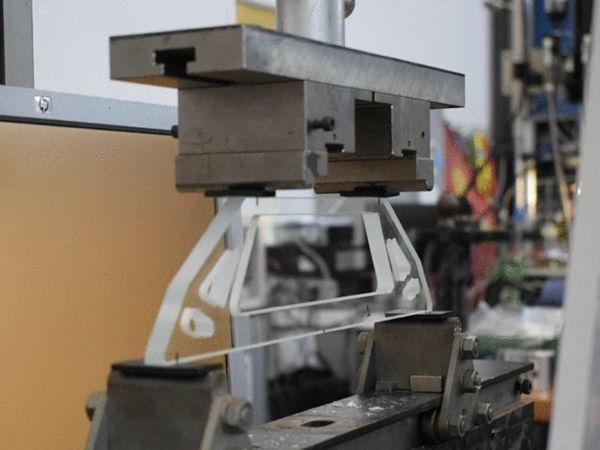
| This research proposes a suite of TO algorithmic frameworks that design specifically for structural glass.
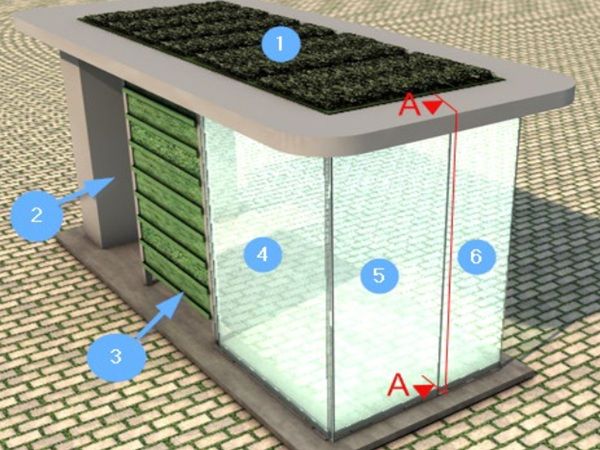
| Understanding the structural behavior of glass under combined static and dynamic loads is crucial for safety and stability.
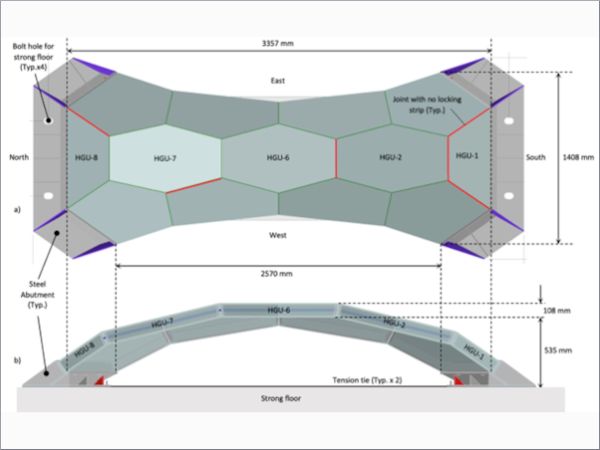
| This research is related to the structural performance of a shell-type system made of hollow glass units (HGU) that utilizes glass as the primary structural material.
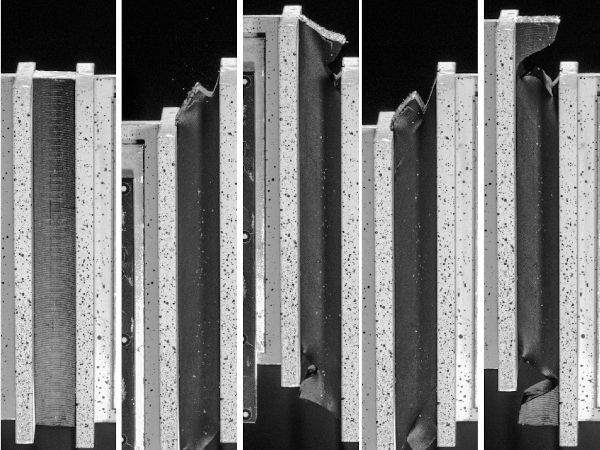
| In this paper, relevant parameters influencing the seismic loading of structural glazing joints are determined, evaluated, and narrowed down to areas of practical relevance as part of a theoretical stress analysis.
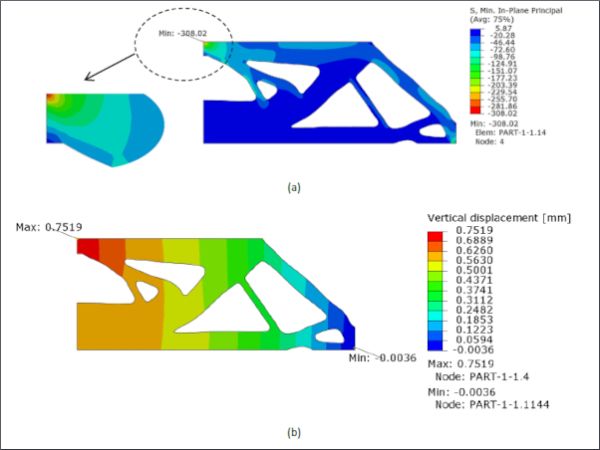
| The purpose of this work is to implement an algorithm to perform topology optimization for glass structures fabricated by the AWJ cutting method.
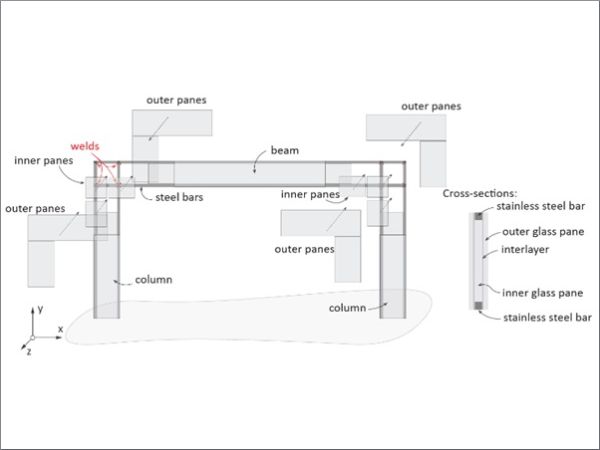
| This paper focuses on a numerical investigation of the in-plane behavior of an innovative steel-reinforced glass frame prototype, designed to incorporate (partially) UV-curable beam-column connections.
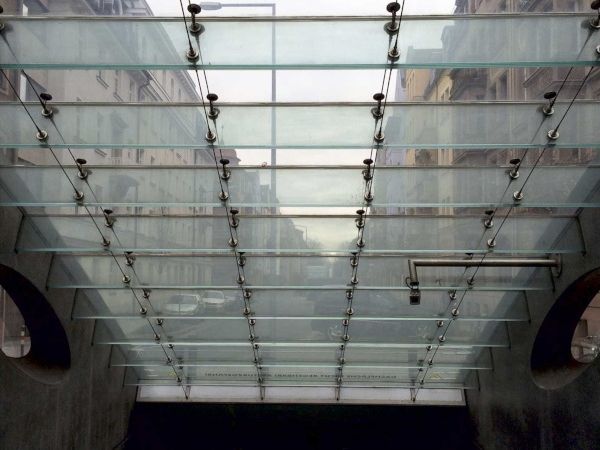
| This paper presents investigations on a novel approach for post-tensioning laminated glass beams with adhesively bonded iron-based shape memory alloy tendons along both longitudinal glass beam edges.
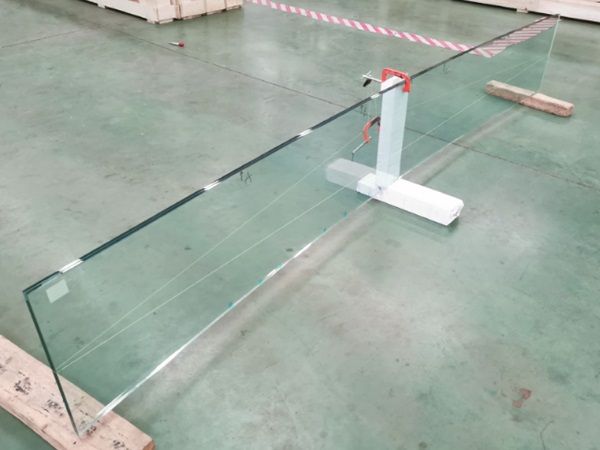
| This paper investigates the post-fracture spring-back effect and the post fracture behaviour in warm bent glass, aiming to assess its safe use in structural glass applications.
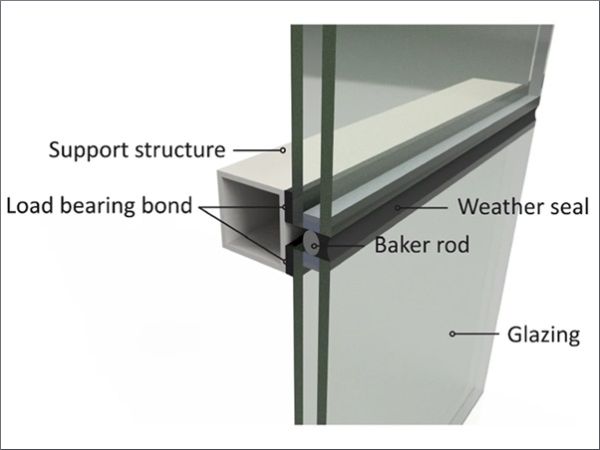
| Structural sealant glazing systems are increasingly used in transparent glass constructions, but designing bonded joints still relies on outdated safety concepts, despite recent research proving the reliability of hyperelastic silicone bonds.