
Others also read
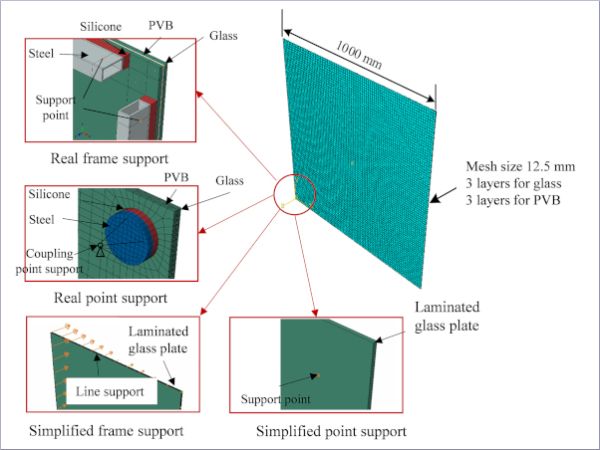
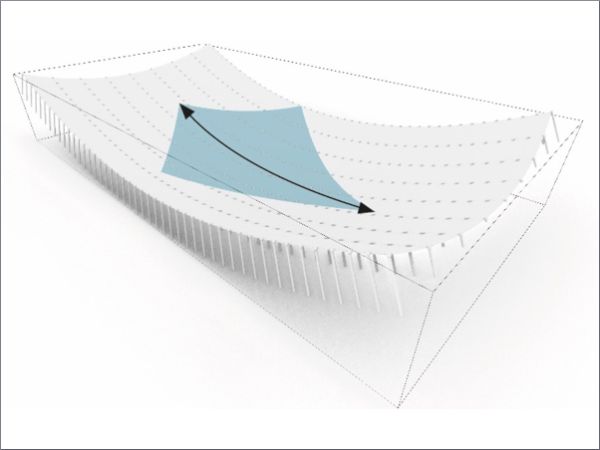
| New research investigates the load-bearing performance and failure mechanisms of anticlastic cold bent glass plates, combining physical testing with finite element modeling to examine the effects of support conditions, cold bending degree, and plate geometry.
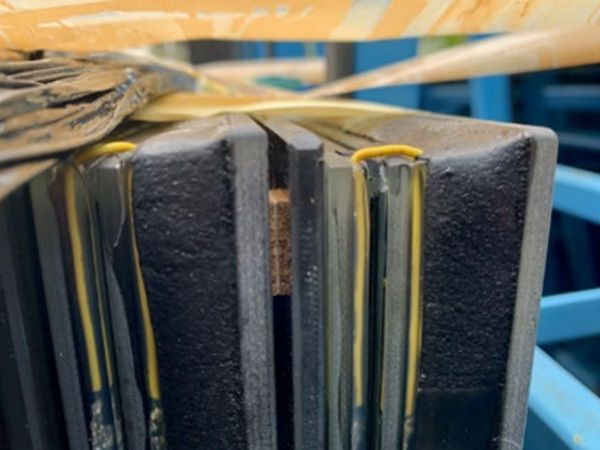
| Ultra-thin glass is opening new possibilities for high-performance insulating glass units, delivering improved energy efficiency, comfort, safety, and reduced weight for next-generation glazing solutions.
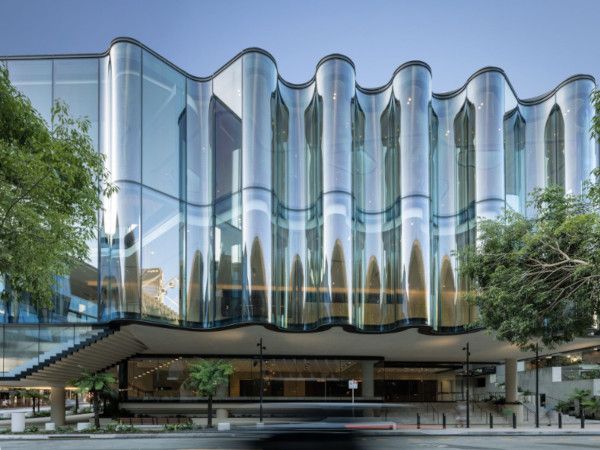
| Discover how advanced engineering, digital design and precision fabrication made it possible to realize the striking free-form glass façade of Brisbane's Glasshouse Theatre.
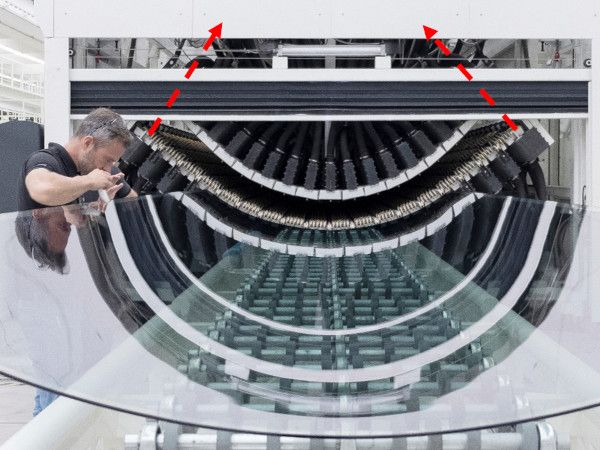
| Pushing the boundaries of architectural glass: a new large-format bending furnace is making faster, more precise production of complex 3D glass shapes a reality.
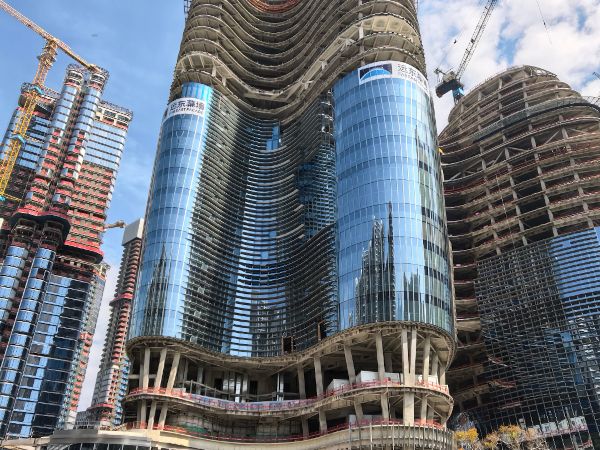
| Aesthetic Expression, Form Freedom, and High-Precision Manufacturing for Next-Generation Building Envelopes
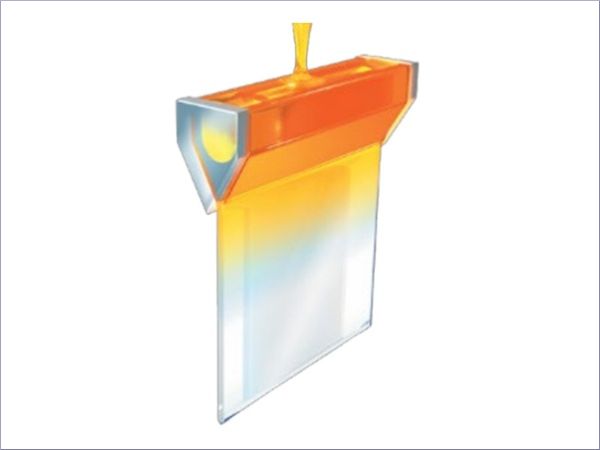
| A new generation of boro-aluminosilicate glass is opening new possibilities for architecture, combining lightweight design with exceptional strength, durability, and sustainability.
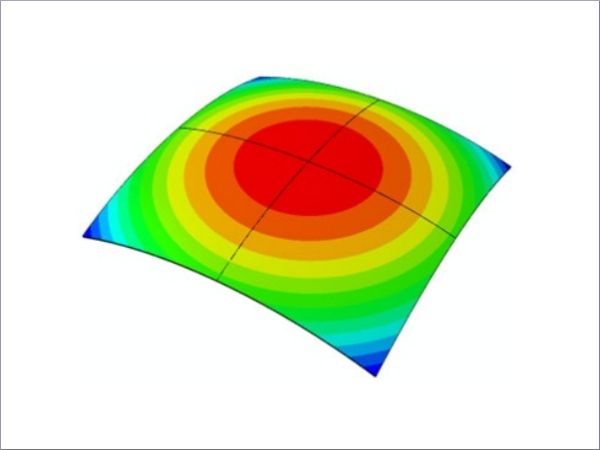
| Discover how Vacuum Insulated Glazing (VIG) is shaping the future of sustainable construction, combining outstanding thermal performance with innovative design solutions for residential, commercial, and heritage buildings.
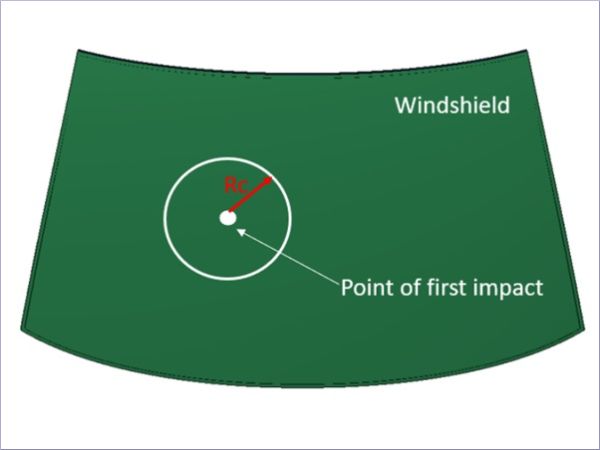
| An advanced FEM-based simulation approach enables accurate prediction of windshield performance in pedestrian protection tests across a wide range of designs and configurations.
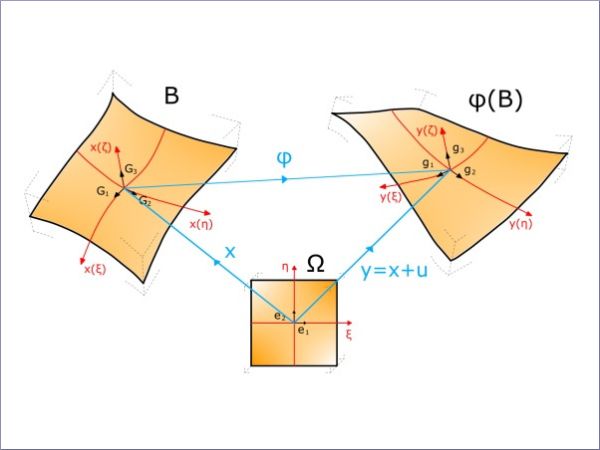
| Laminated glass design is challenged by accurately capturing shear coupling and nonlinear behavior, prompting the development of advanced FEM approaches that overcome the limits of traditional theories and commercial software.
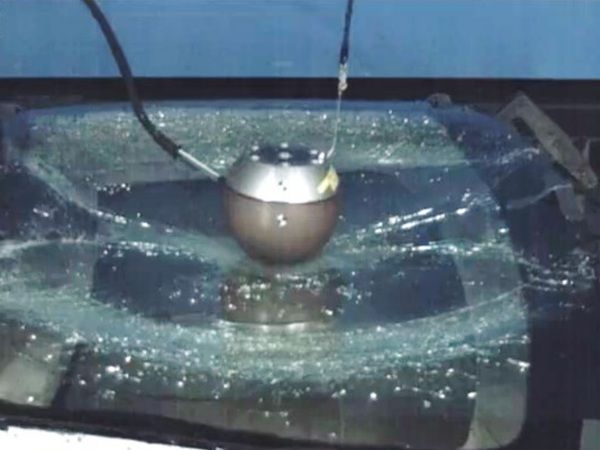
| A First Step to Characterize the Post-fracture Behaviour
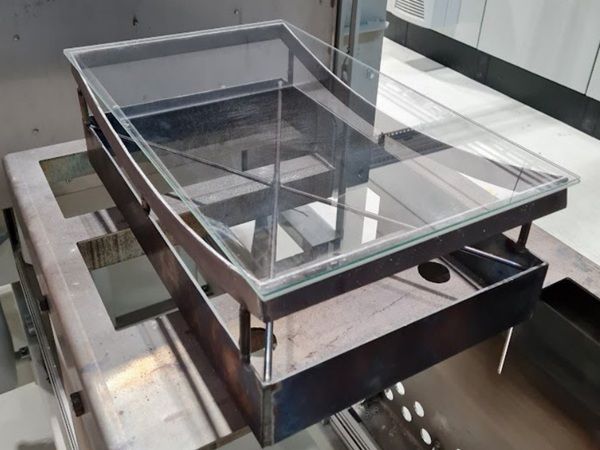
| This paper presents the challenges of combining borosilicate and soda-lime glasses in the windshield solution.

| This paper presents a groundbreaking technological development in the optical quality of tempered glass.

| Ultra-thin center glass is redefining what’s possible for insulating glass units—delivering lighter, thinner, and more energy-efficient glazing solutions for modern buildings.
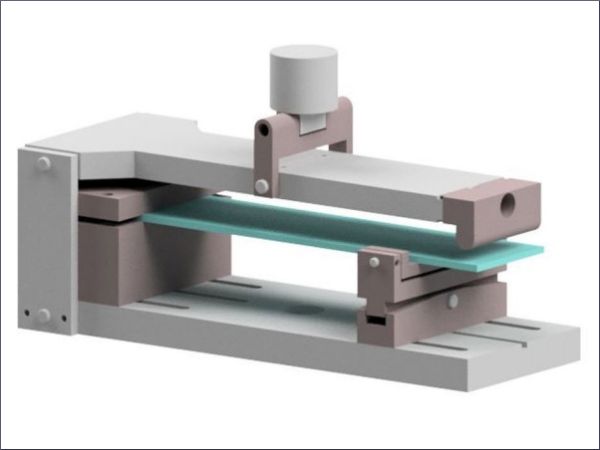
| This study explores how fibre optic sensors can accurately measure strain and temperature in laminated glass systems, revealing how adhesives, temperature, and load conditions influence the mechanical behaviour of PVB and embedded sensors.
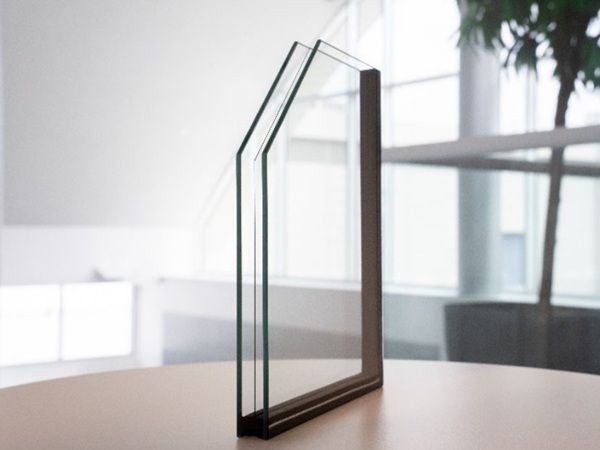
| A new paper explores the complete process and equipment innovations enabling the handling, cutting, and manufacturing of ultra-thin boro-aluminosilicate glass for architectural applications.
| Dive into the blog to learn how cutting-edge solutions are making ultra-thin glass production possible—and scalable.

| This paper presents a groundbreaking technological development in the optical quality of tempered glass.
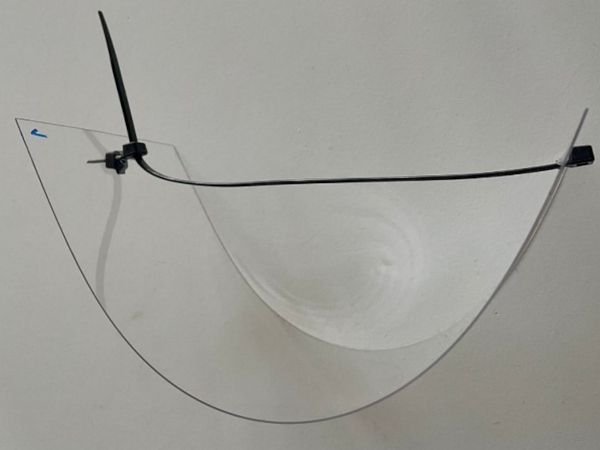
| This paper addresses the constraints of thin glass in construction and explores optimal bending techniques to maximize its potential through a detailed study of its properties.
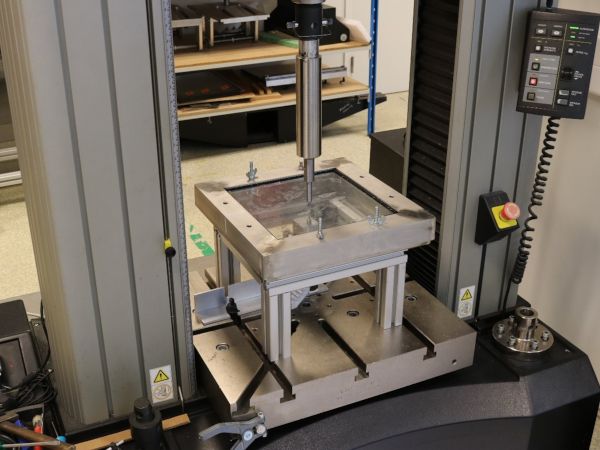
| This study examines prestressed glass specimens that are 0.5mm, 1.1mm, and 2.1mm thick in comparison to glass of the same thicknesses that have not been enhanced by the novel stiffening method.
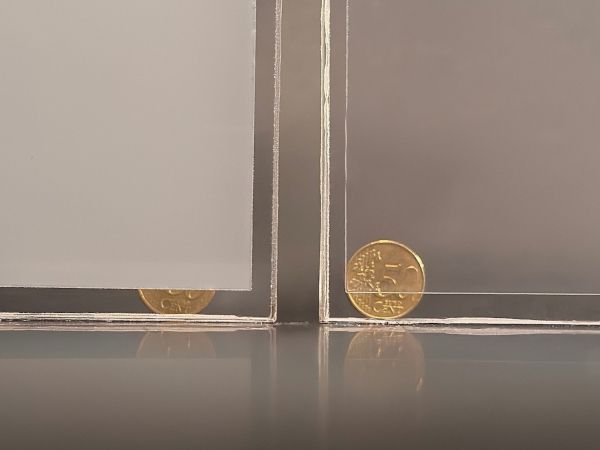
| This paper is a discussion about concepts to minimize the glass thickness as much as possible for a usage of thin glass for insulated glass.
| This paper presents an overview of the initial stages of developing a switchable laminated safety glass made of thin glass, polycarbonate, and polyurethane interlayers.
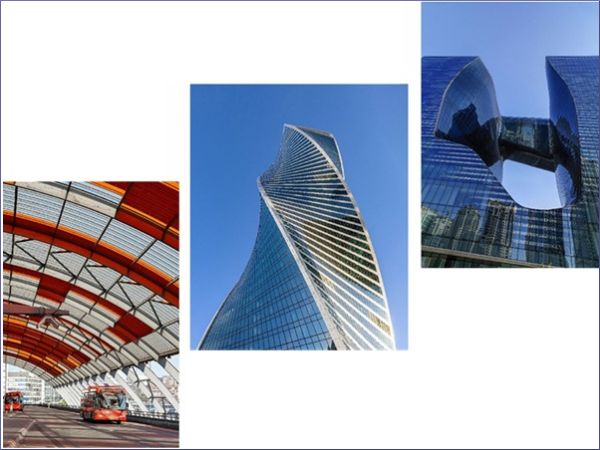
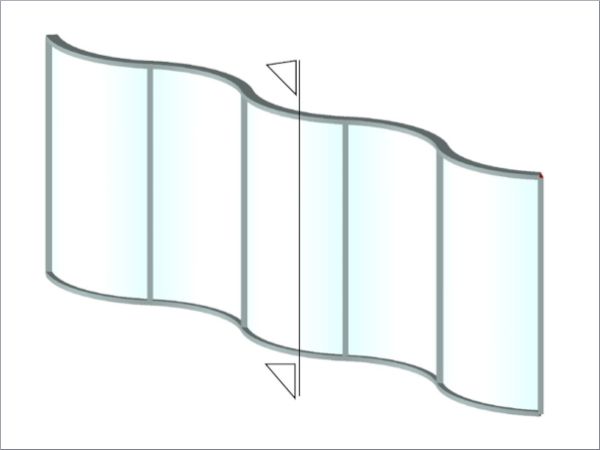
| This paper gives an extensive overview of the state of the art, like realized structures, deformation criteria and cold bending associated stress development, while also prompting a new analytical approach for the calculation of stresses in cold bent glasses.
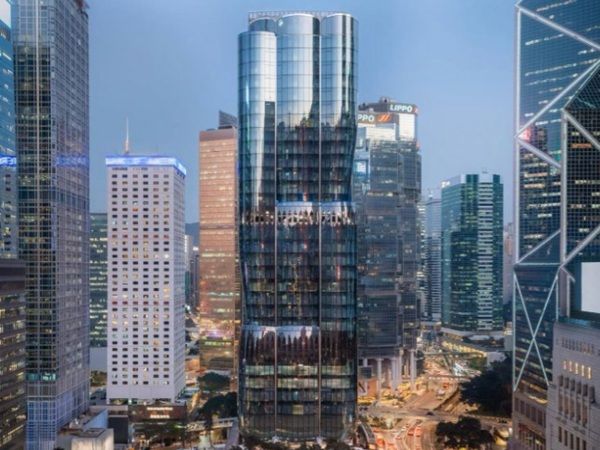
| The organic design and seamlessly reflective surface of “The Henderson” establish it as a landmark in Hong Kong. With its all-glass façade and a height of 210 m, the skyscraper designed by Zaha Hadid Architects offers spectacular panoramic views.
| Sustainable Configurations for Double Curved and Spherical Glass
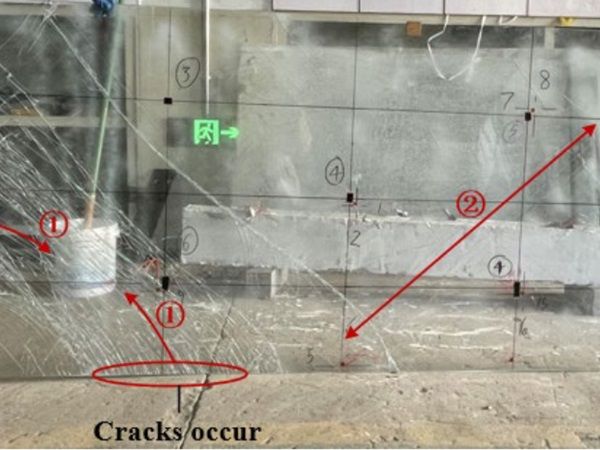
| In this paper, the anticlastic cold bending test was conducted to explore the influence of various factors, including aspect ratio, scale and composition of the plates.