
Others also read
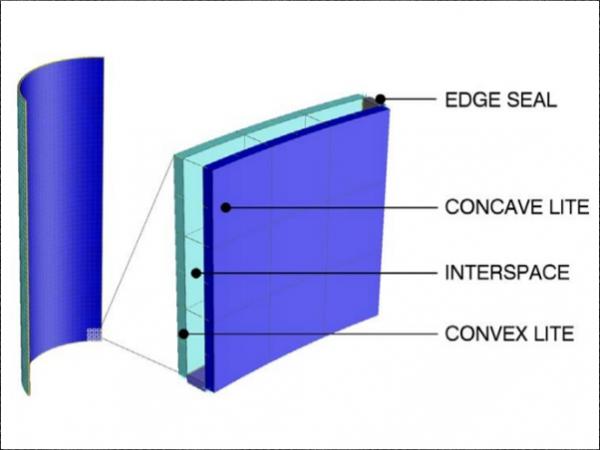
| Curved insulated glass units formed by tempered bending or annealed slumped bending offer a bold expression of architectural design with transparency and energy efficiency.
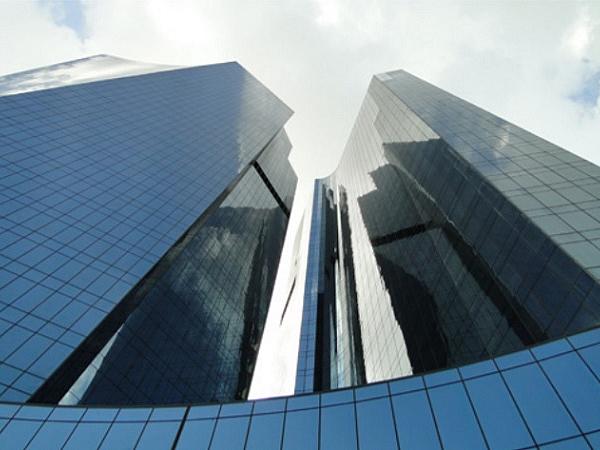
| In the constant search for original designs that truly push the limits, many building projects in the Middle East have been driving global innovation in engineering and façade design.
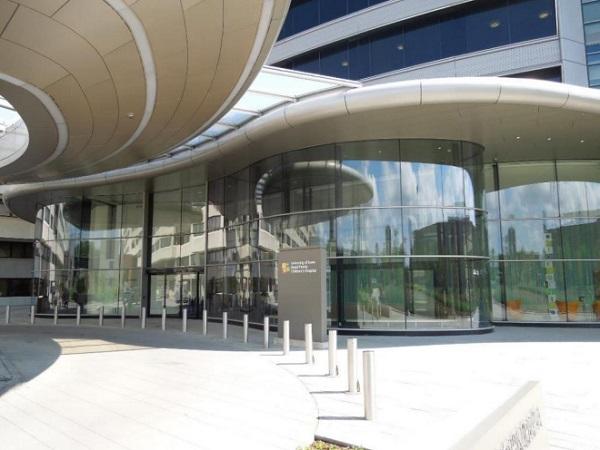
| New technological advances in glass have taken curved glass fabrication to different levels of complexity and performance in the last few years, and design continues to drive into new frontiers.
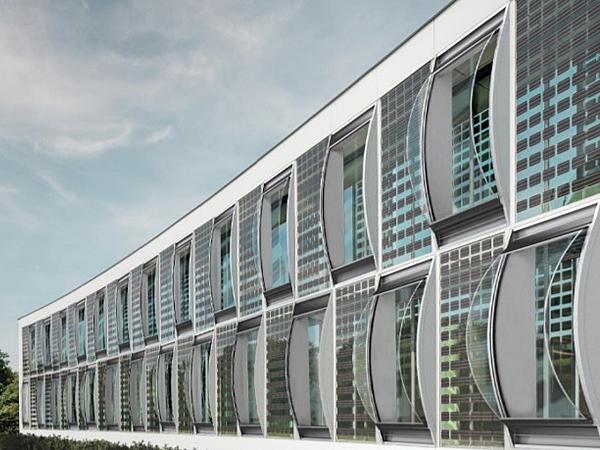
| This contribution is an excerpt of the journal publication by Louter et al. 2018. It explores the potential of thin glass for architectural applications and reports on two thin glass concepts.
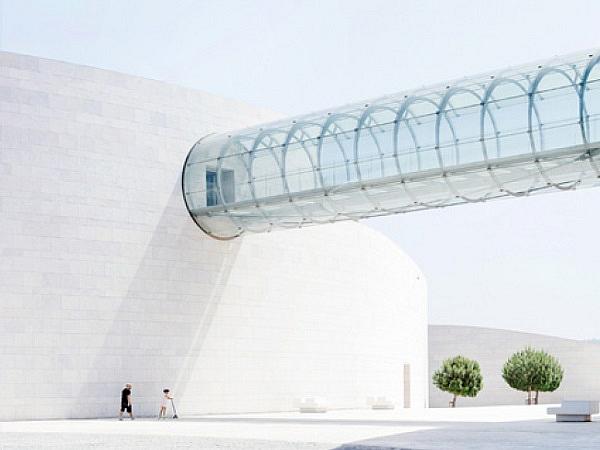
| In the following we’ll be limiting ourselves to the production of single pieces and small jobs of identical pieces, with applications predominantly in construction (e.g. windows, curtain walls, doors, showers, mirrors, kitchen splash backs) and interior design (e.g. display cases, furniture).
| A couple of years ago all started with the first measurement of anisotropies and edge stress as well as the detection of White Haze and other glass imperfections right after the furnace.
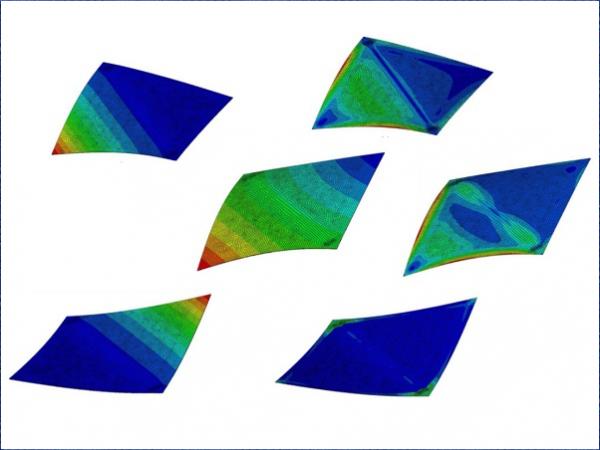
| New generation thin, lightweight and damageresistant glass seems to be the optimal material for extremely deformable structural elements for façades and building skins.
| Extended abstract (The complete contribution will be published in the Glass Structures & Engineering journal).
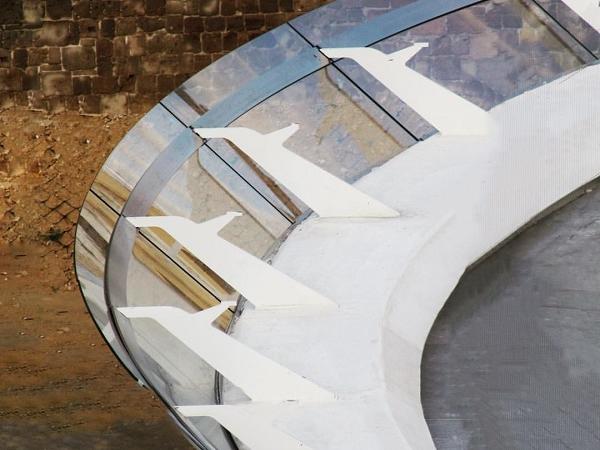
| The Glass structure of the West Balustrade in Eleftherias Square Nicosia Cyprus presented a challenge to Pentagonal in terms of 3D modelling, special glass fittings fabric, glass production, installation and testing.
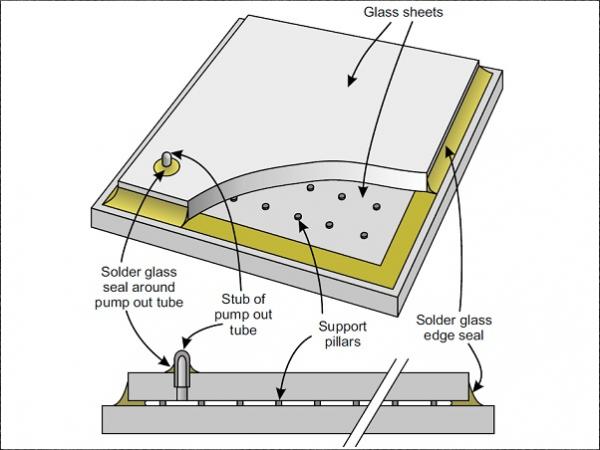
| This article reviews the history and current status of Vacuum Insulating Glass (VIG), and discusses future possibilities for this technology.
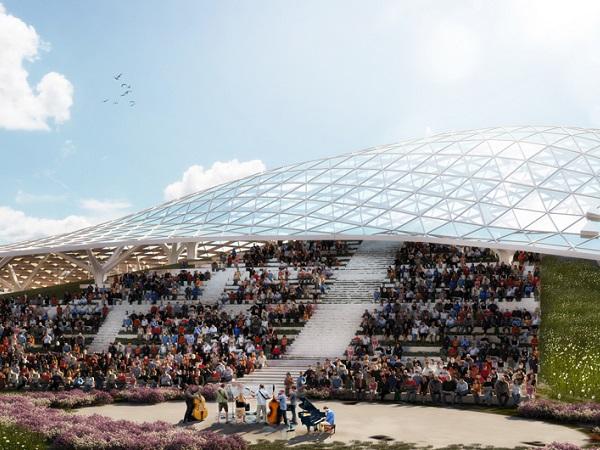
| This paper will describe the design, detailing, testing and construction of structural glass beams as part of load bearing grid shell structure in the newly built Zaryadye Park in Moscow, Russia.
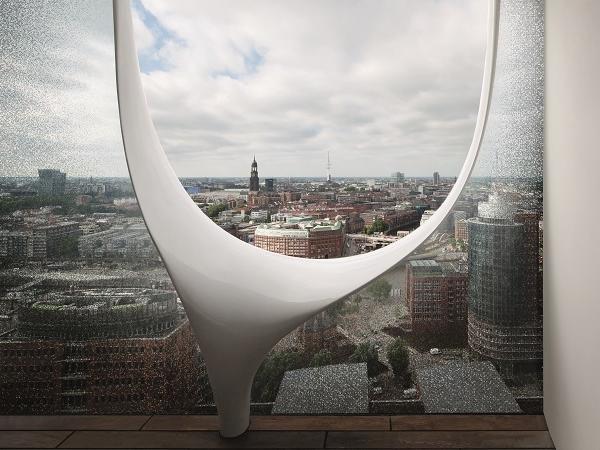
| This year the special show will address the four focal themes Interactive Façades/Display Glass, Energy and Performance, Structural Glass and New Technologies.
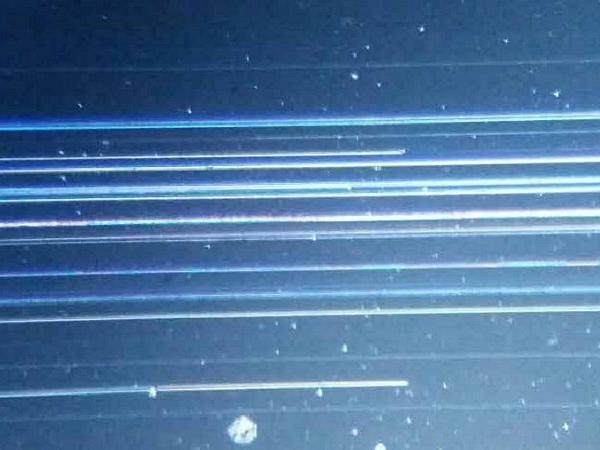
| The author proposes a simple surface quality test using a standard window cleaning scraper and common smartphone or shop microscope.
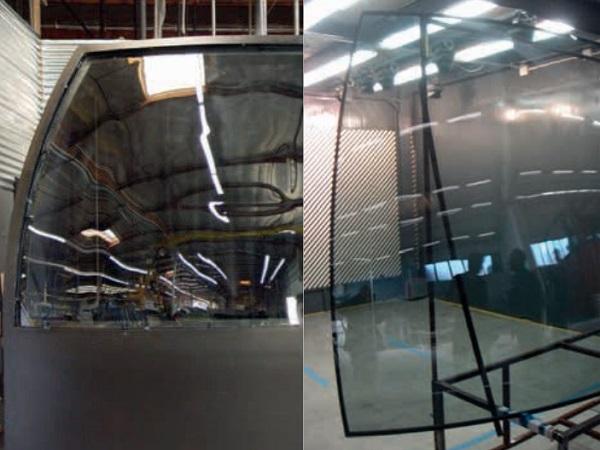
| Arup are consulting engineers for a series of recent projects involving curved glass: The High Roller observation wheel in Las Vegas and a revolving feature lift for the new Louis Vuitton townhouse in London.
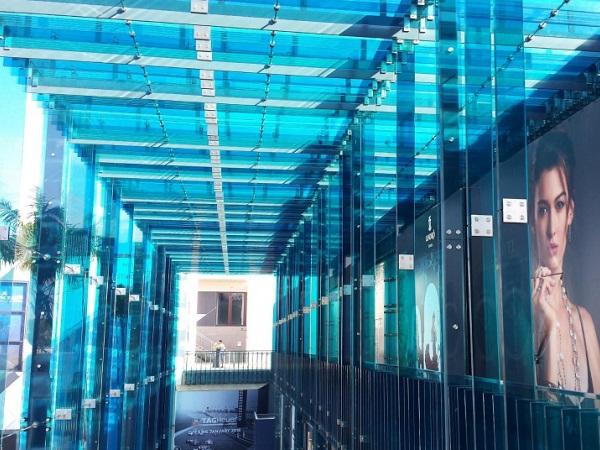
| This article will focus on the edge stability of PVB and ionoplast laminates and address the potential causes of blemishes.
| With the myriad of glass type available now, it is often confusing what to choose in terms of safety, thermal and solar performance and balancing cost with the benefits on offer.
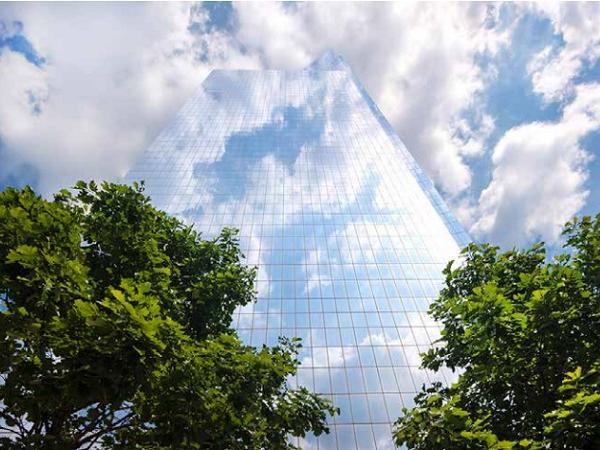
| Case Studies of the Aesthetic Qualities and Possibilities of Glass in Architectural Design.

| Glass is a fantastic material… but sometimes it breaks.
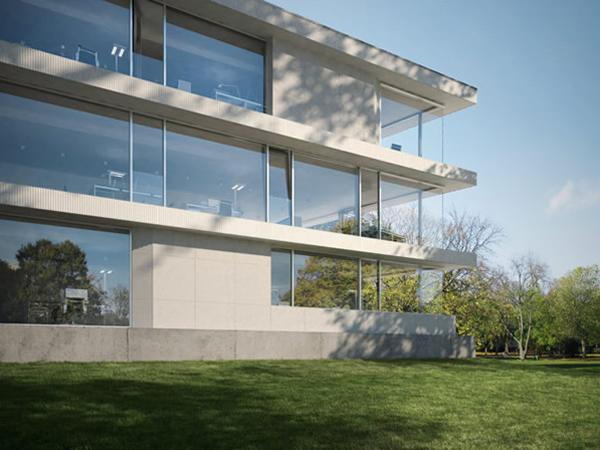
| Structural glass can be used as a fantastic alternative to a traditional façade system.
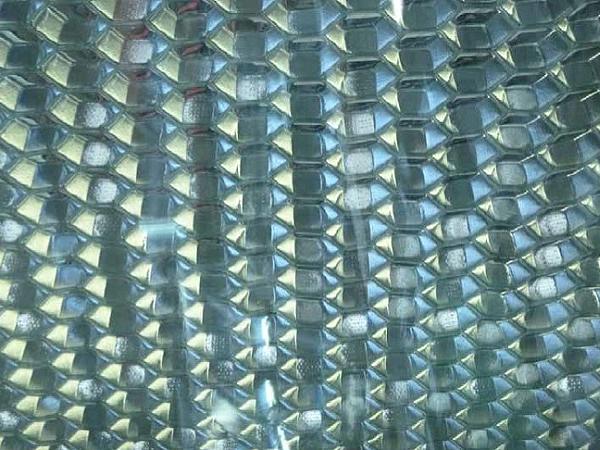
| To provide stiffness, shading and privacy with abundant daylight and a feeling of openness for restaurant extensions and an entrance canopy to a London hotel, we used glass sandwich panels with aluminium honeycomb core.
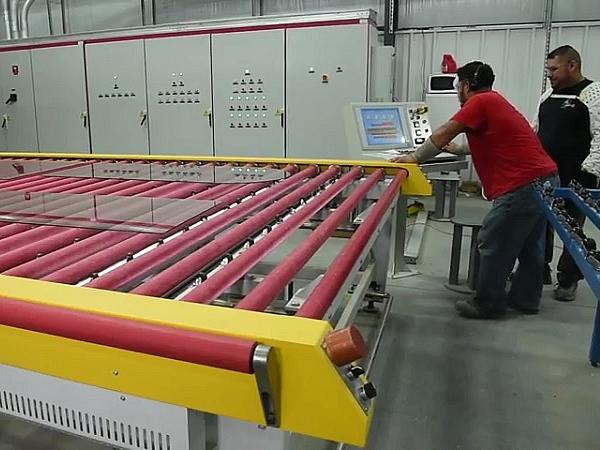
| Learn about the first step we take in maintaining tempered glass quality standards.
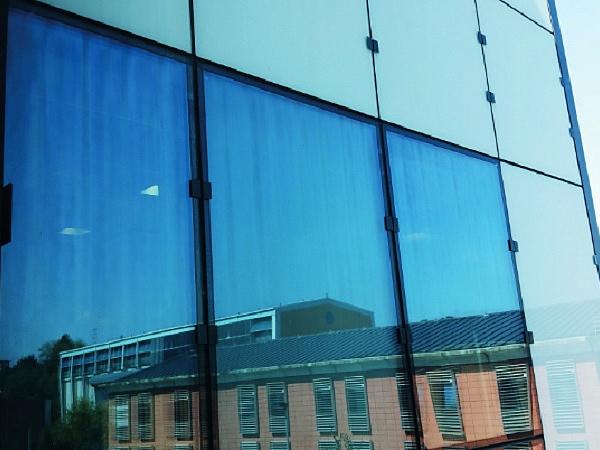
| Although anisotropy is inevitable when heat treating glass a major breakthrough took place in the industry in 2016 by developing an on-line anisotropy visualisation equipment.
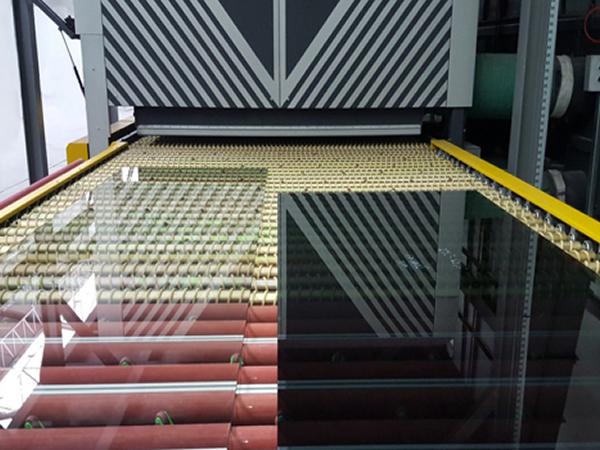
What do power consumption, installed power and installed capacity of a glass tempering furnace mean?
| Power consumption of the glass tempering furnace refers to the amount of electric energy consumed in the process of tempering certain quantity of glass. The measuring unit commonly used is the kilowatt hour (KWh).
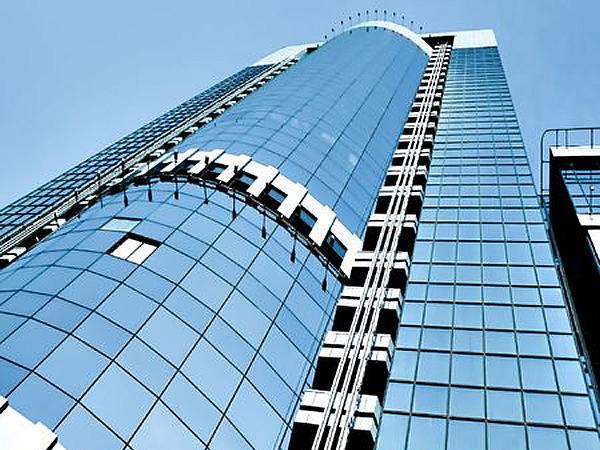
| From flooring to roofing, there are many architectural uses for glass. But today, beyond your average glass fixtures and simple glass structures, buildings made entirely of glass are gaining popularity in major cities across the world.
![Tempered Glass Specifications [Video & Transcript]](/sites/default/files/styles/6/public/articles/2017/HHH-Tempering.jpg?itok=P7frNEF5 "Tempered Glass Specifications [Video & Transcript]")
| We’ll help you meet the spec with our knowledge of the glass tempering process.