
Others also read
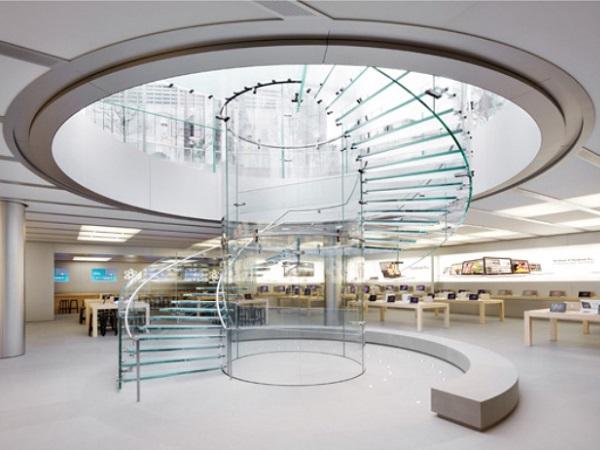
| The intention of this paper is to address this gap with the aid of photoelasticity as an indirect measuring method in a coordinated way with numerical simulation based on finite element analysis.
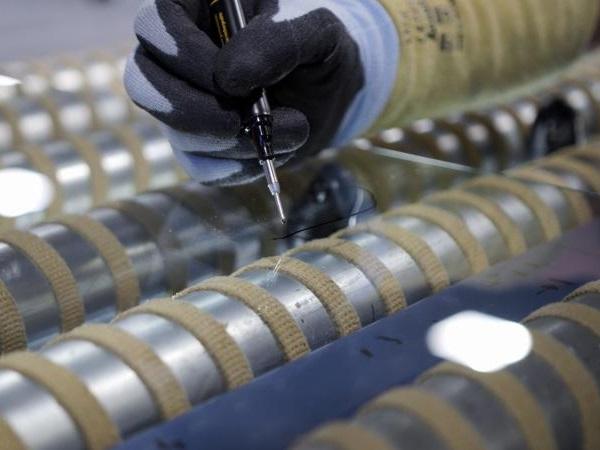
| Industry demand for impeccable glass quality has increased notably over the last years. Customer expectations run high, forcing glass processors to strive for ever-stricter quality control and ensure minimal rejection rates for finished products.
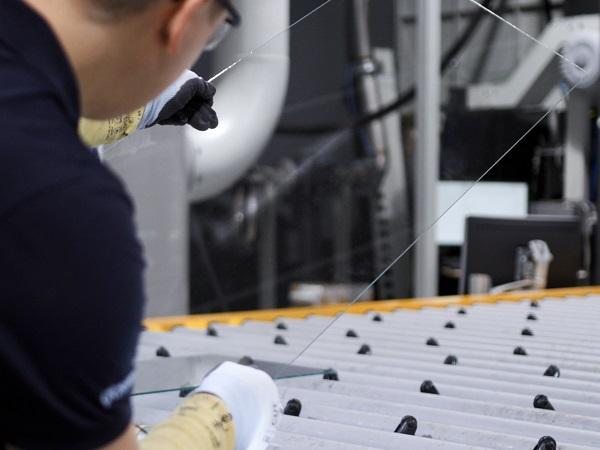
| The most common quality issues that arise in tempered glass are roller waves, glass distortion, bad anisotropy and white haze. In this post, we want to focus on white haze and ways to control it.
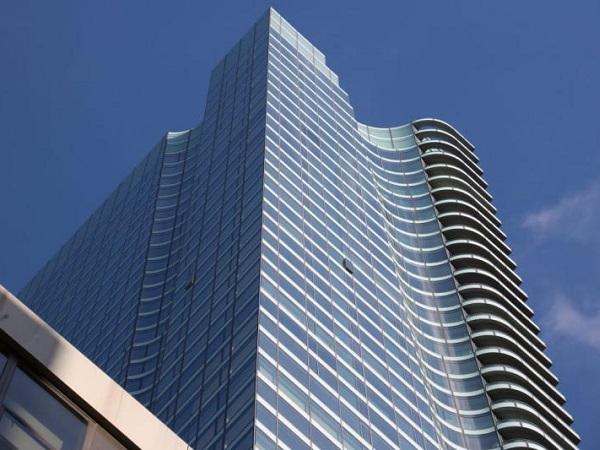
| In 2015, the bold concept of a curvy tower at 252 East 57th Street, New York, was presented to an audience at the Glass Performance Days conference. At that time, building construction was just beginning, and no one was certain such a novel idea could be realized.
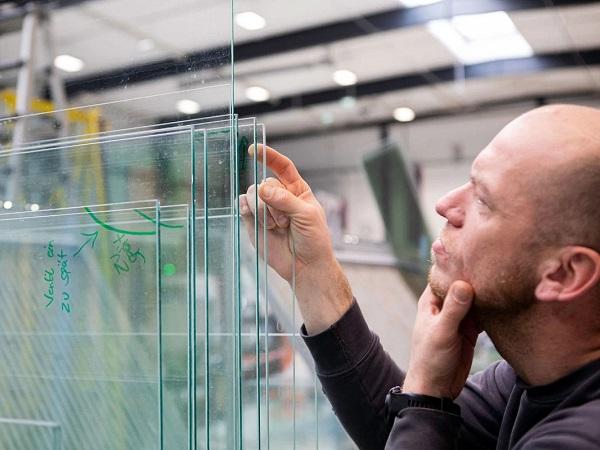
| In glass edge processing, the requirements for the finished components can vary greatly depending on the location and purpose.

| In glass tempering, we look for equipment that uses less energy, leading to fewer emissions. But sometimes, the numbers are too good to be true.
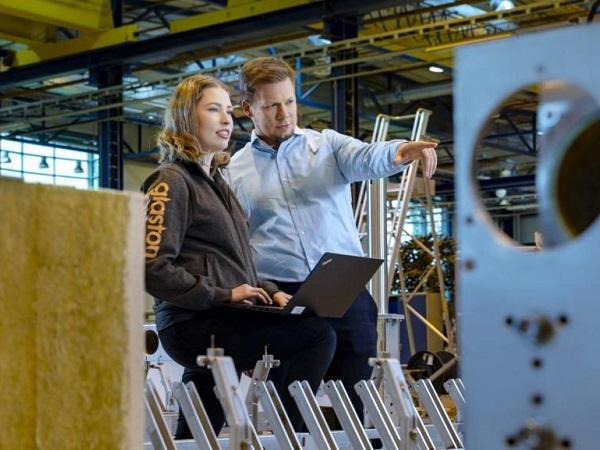
| Global environmental concern is motivating efforts to improve energy efficiency in all industrial sectors. And glass tempering is no exception.
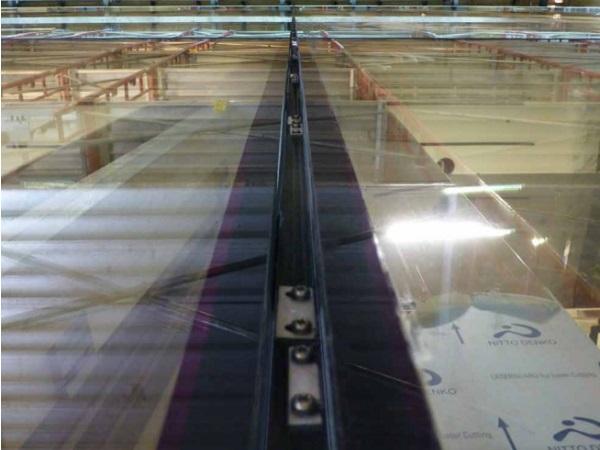
| Five commercial glazing system analysis and a project study show the advantages of using Insulated Glass Unit (IGU) edges to mechanically attach glass to buildings.

| Analysis of worldwide glass industry developments and trends.
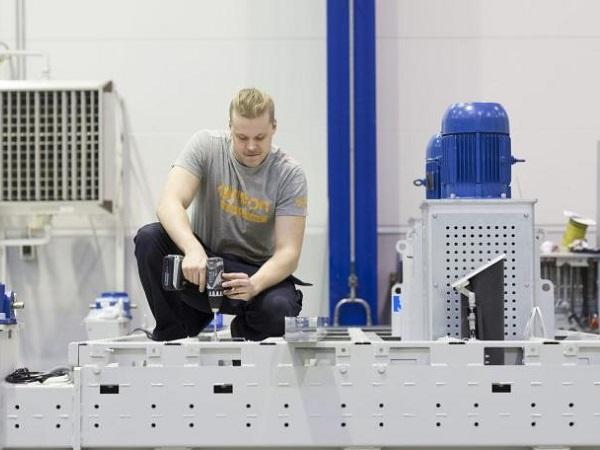
| Full convection, forced convection, focused convection, recirculated convection – the list of terms goes on and on.
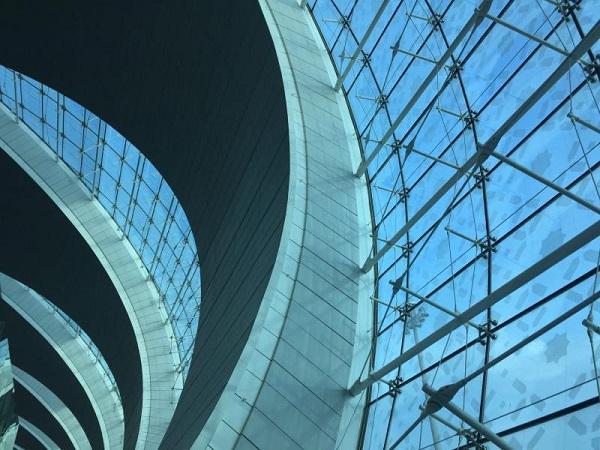
| Bent and tempered glass has long been of great interest to the market. The process of creating high-quality tempered bent glass has evolved over the years.

| Do you still spend precious time doing the meticulous task of manually counting glass cullets for a glass fragmentation test? Or maybe your modern counting tool is not exactly the gold standard? If so, we have some good news for you!
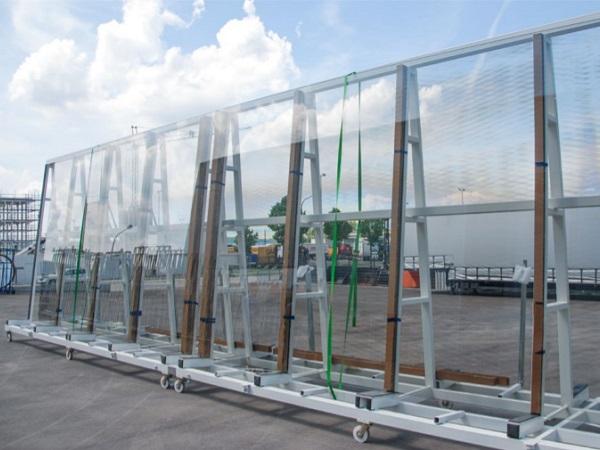
| Irregularities in the glass, which are visible under certain lighting conditions and interfere with the overall impression of a pane – anisotropies – occur when glass is tempered.
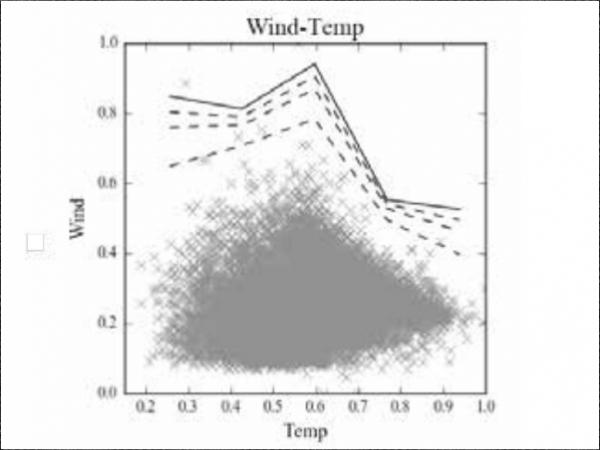
| An Initial Study Towards Optimized Structural Assessment of Glass Components

| In the European Union, Member States are allowed to set minimum performance requirements to construction products available on their market.

| Unitised Façade System Designed with a Highly Transparent Façade of Low G-value Combined with Blast Requirements
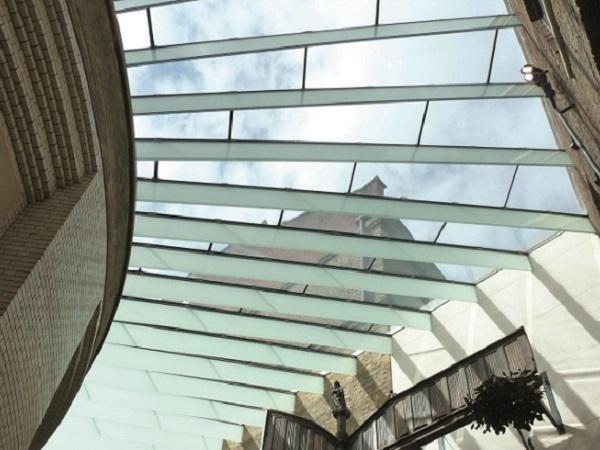
| For years and years research, development and discussions have been made on the safety of glass structures.
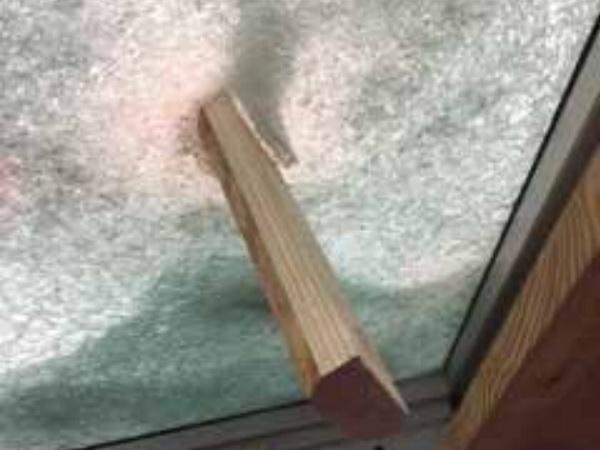
| Building code requirements for wind-borne debris protection have been in existence since the mid- 1990s, and as a result, many glazing systems have been tested and certified to these performance requirements.
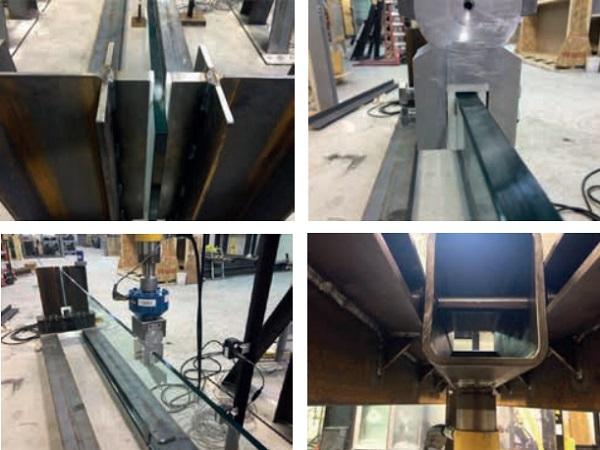
| For nearly 50 years, glass has been used as structural elements in glass fin applications. These applications include interior and exterior projects, supporting facades, canopies, storefronts, curtain walls and skylights.
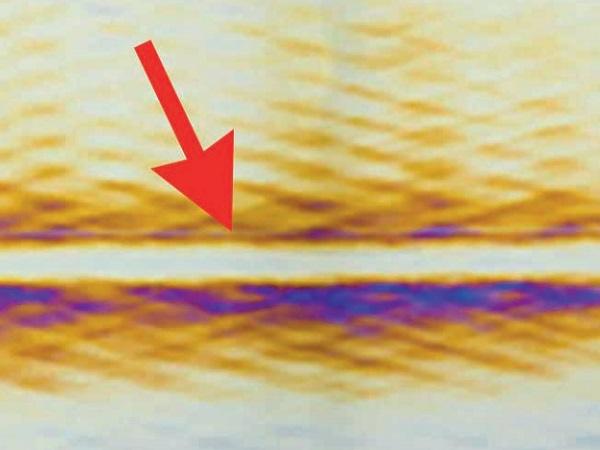
| Anisotropy is the term used in the façade industry to describe the manifestation of patterns and colourful areas in heat-treated glass under certain light and viewing conditions.
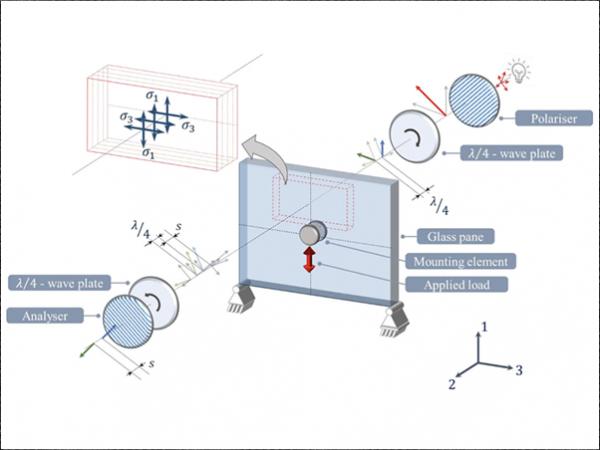
| The load-bearing capacity of glass as a structural material as well as sustainability and resistance of a built-in glass against appearing loads and forces is assuming an ever-greater importance.
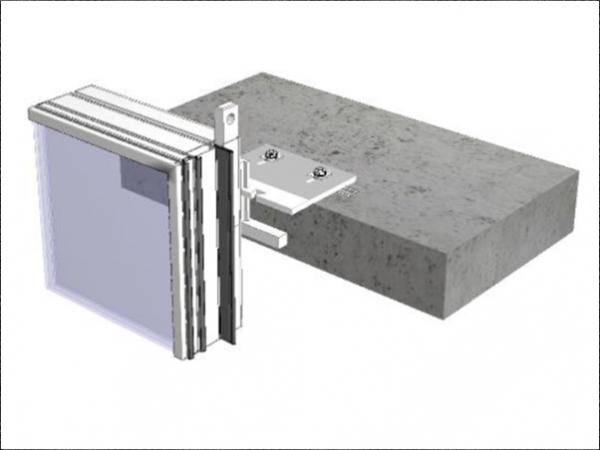
| The aim of this paper is to identify and discuss challenges with the assumption that the SSG is isolated from the glass self-weight and provide a better understanding on the complexity of SSG systems.
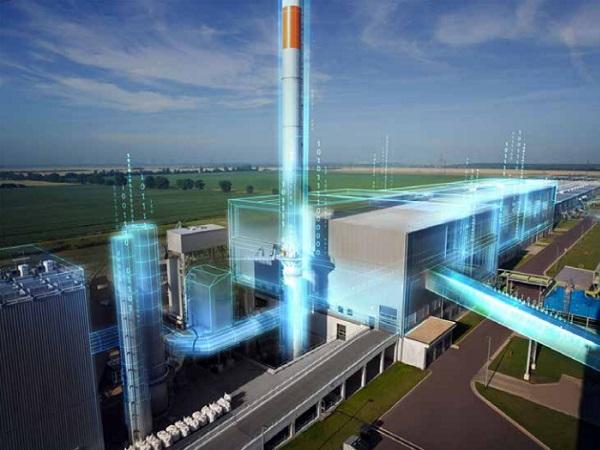
| Data-based business models are also becoming increasingly relevant to the glass industry.

| Glaston is working hard to make tempering furnaces more automated.

| It is a very known behavior that the glass fragmentation depends on where you break the glass.