
Others also read
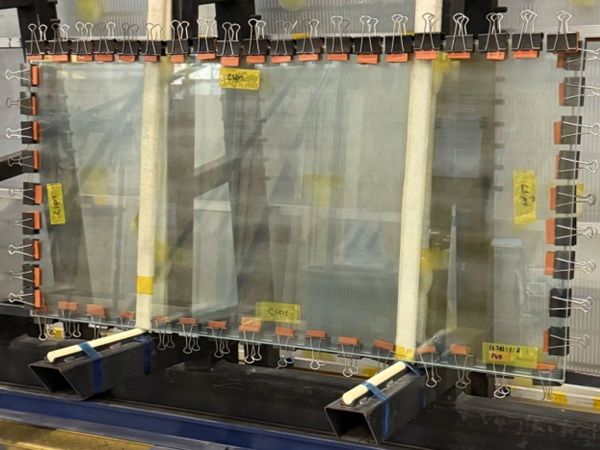
| Visual distortion in architectural glazing has emerged as a critical yet insufficiently regulated factor affecting both functional performance and visual comfort.
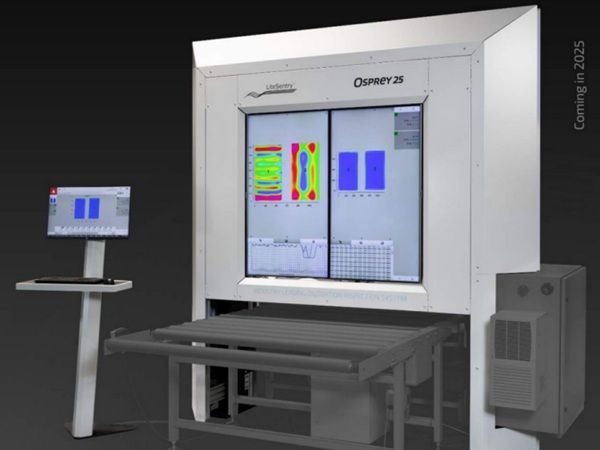
| This presentation explores how advanced measurement and grading methods can improve the objective assessment of optical quality in coated glass after heat treatment, addressing a key gap in current industry standards.
| This paper explores practical solutions to reduce the high energy consumption of air jet quenching in glass tempering, highlighting existing technologies and opportunities for more efficient and sustainable processing.

| This paper presents a groundbreaking technological development in the optical quality of tempered glass.
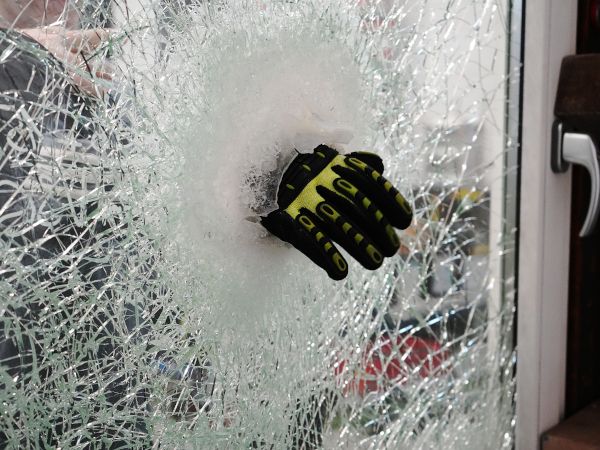
| Toughened glass: requirements on physical security, climate resilience and cyber security are rising

| Spontaneous glass breakage caused by nickel sulfide (NiS) inclusions remains a hidden yet critical challenge in architectural glazing, raising important questions about safety, quality, and prevention in modern glass production.

| Viprotron has developed a new technology for the exit of the furnace, that allows the measurement of the distortion of tempered glass with high precision and unparalleled repeatability.
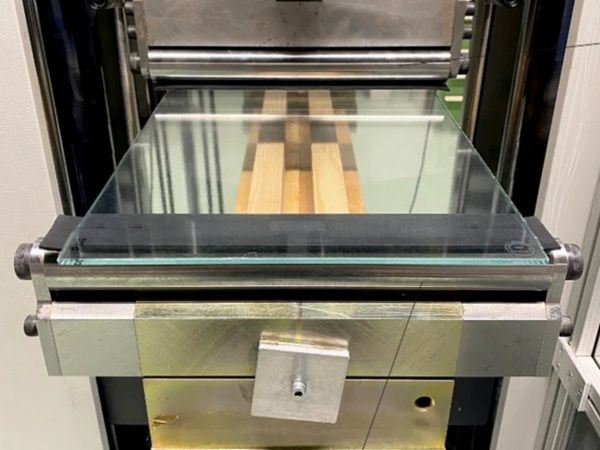
| Thermal stress relief treatment offers a promising solution for enabling the reuse and remanufacturing of end-of-life tempered glass, paving the way for more circular economy practices in the flat glass industry.
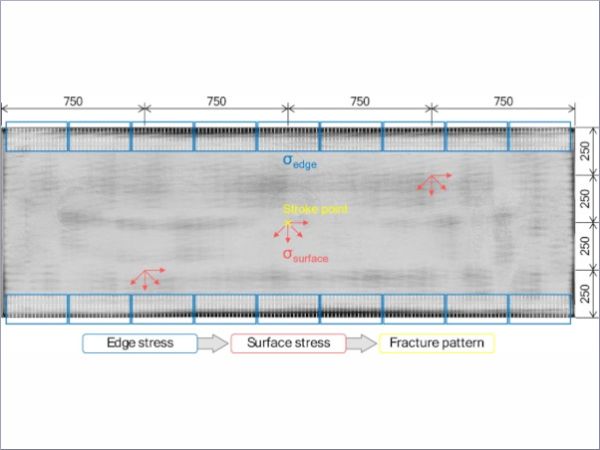
| New research explores how non-destructive photoelastic methods could improve quality control for large-format thermally toughened glass, reducing reliance on costly and time-consuming destructive testing.

| In this sixth episode of #AskGlaston flat tempering series, we explore how to avoid loading delays in tempering.

| Mikko Rantala on Glastory: Glass tempering is an energy-hungry process, and not just because of the heat.

| This paper presents a groundbreaking technological development in the optical quality of tempered glass.
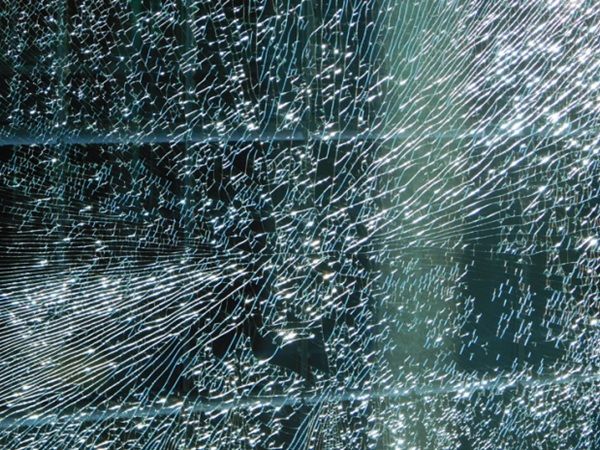
| Spontaneous breakage in tempered glass due to Nickel Sulfide (NiS) inclusions remains a critical topic in the industry—this paper examines the risks, benefits, and effectiveness of heat soaking as a preventive measure across different markets.
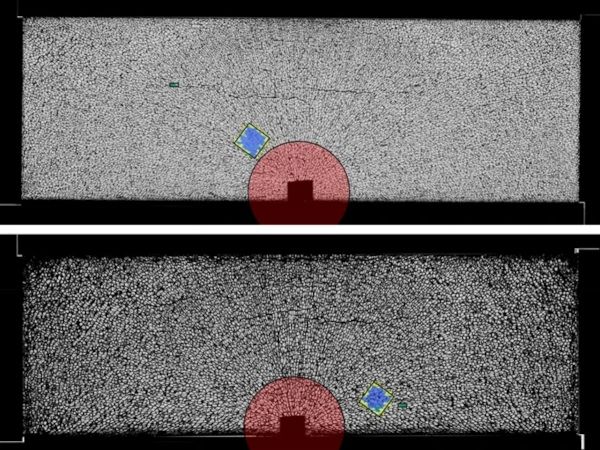
| In this experimental investigation, the surface and edge stress were measured on standardized format thermally toughened safety glass, with different edge processing and glass thicknesses from three different suppliers.
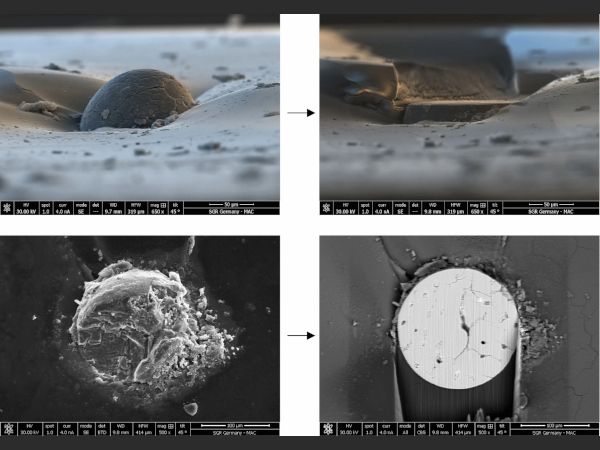
| Can we state if the Heat Soak Test (HST) was done according to EN14179-1:2005 or not?
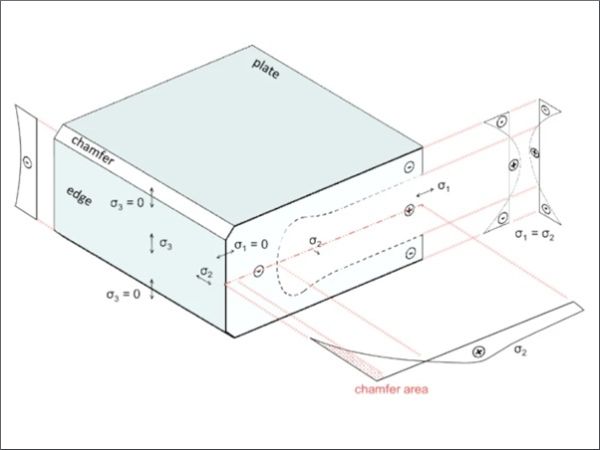
| The paper compares fitting functions of different polynomial degrees to determine and assess the edge stress.
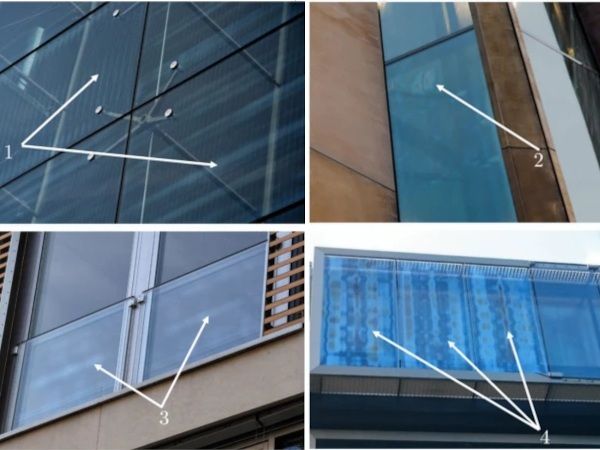
| Minor fluctuations in the tempering process of architectural glass lead to residual stress differences resulting in birefringence and undesired optical iridescence, also known as anisotropy effects.
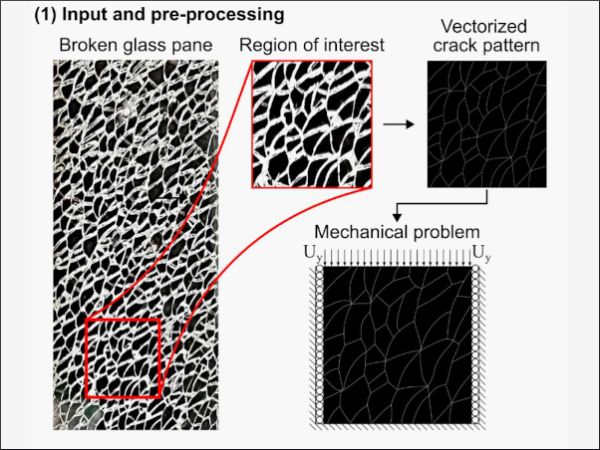
| The objective of the present work is the development and testing of a robust numerical model that can naturally introduce the generated crack pattern into virtual specimens and manage the interaction among many fragments.
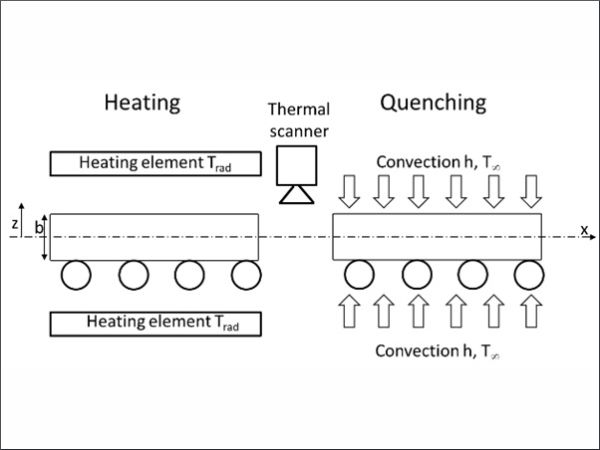
| Optical stress measurement in tempered glass has its challenges. Stresses can be measured optically based on the optical anisotropy behavior of the glass.
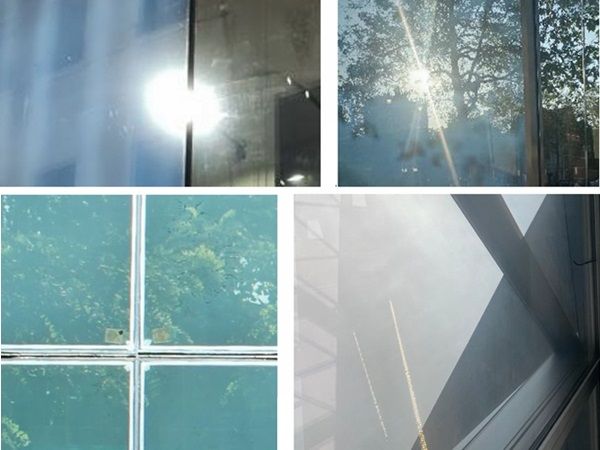
| Visual defects, in particular haze, in glass and façade technologies can significantly impact the aesthetic quality and human experience of daylight and views in buildings.
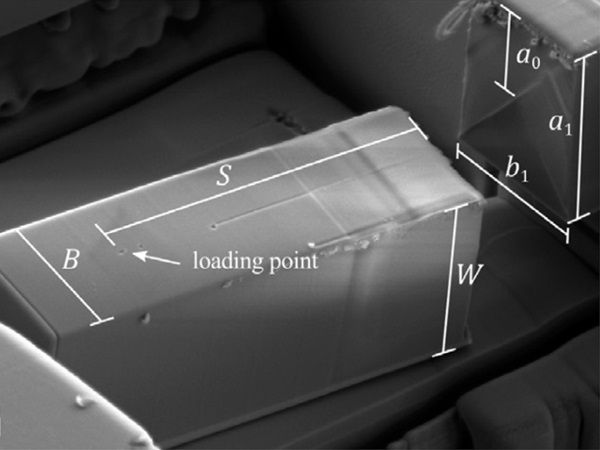
| This paper investigates the challenges and potentials of phase-field modelling in simulating glass fracture.
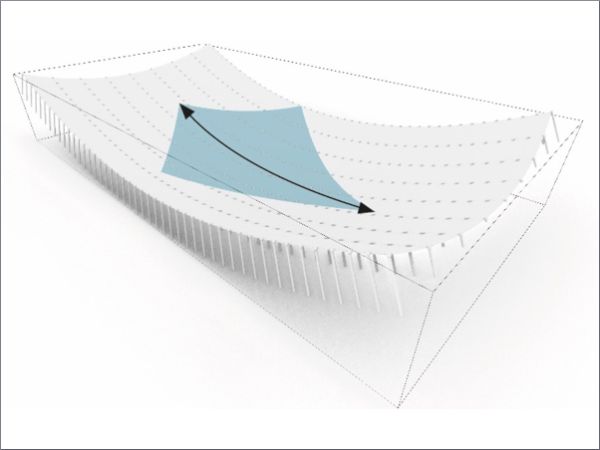
| Sustainable Configurations for Double Curved and Spherical Glass

| The two common defects—White Haze and Anisotropy—are often misunderstood but are not the same.
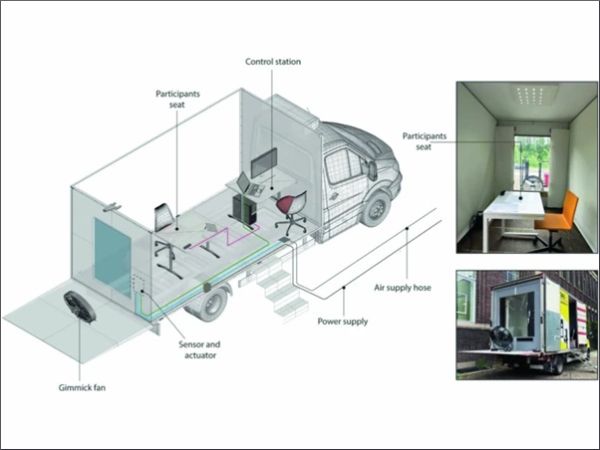
| This paper introduces a novel method for measuring user satisfaction with glass deformations, aiming to establish acceptance thresholds comparable to objective criteria.
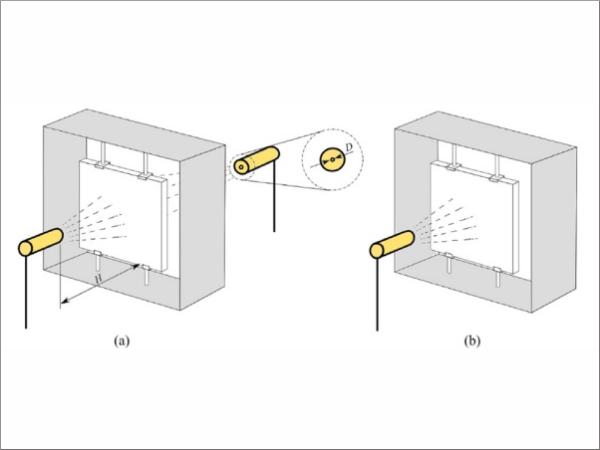
| Glass is most often heat treated before using it as a structural material. In this context, thermal tempering is the most effective and efficient method to enhance the load bearing capacity and strength of glass.