
Others also read

As part of the Affordable Housing Plan, the European Commission announced the Housing Simplification Package in 2027.
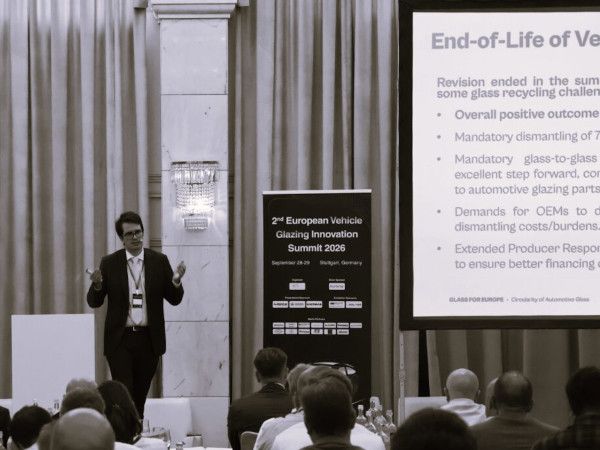
Exploring circularity and innovation across the automotive glass value chain.

Over the past two weeks of September, Glass for Europe launched its new #MoreThanYouSee campaign on LinkedIn, highlighting the essential role of flat glass in Europeans’ daily lives and its contribution to many of Europe’s policy priorities.

The flat glass industry’s priority is to increase the quality and quantity of crushed flat glass (cullet) that can be recycled.
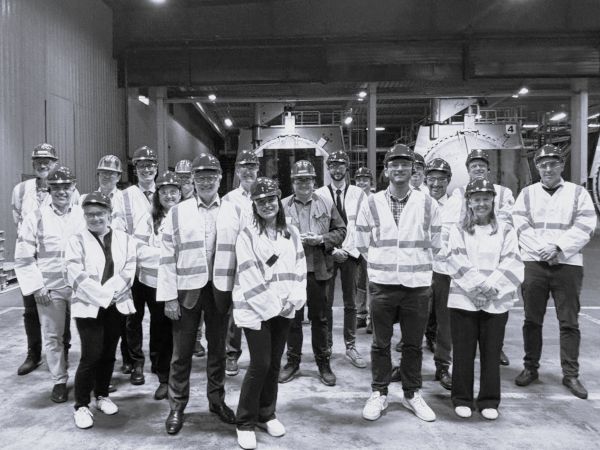
Glass for Europe welcomes a European Commission’s delegation to AGC Glass Europe’s plant in Moustier
On 17 September, Glass for Europe, in collaboration with Glass Alliance Europe, organised a visit for a delegation from the European Commission to AGC Glass Europe’s float glass plant in Moustier, Belgium.

The European Commission’s new Public Procurement Act proposal could reshape how quality, sustainability and EU-origin content are valued in public tenders, with important implications for the flat glass sector.
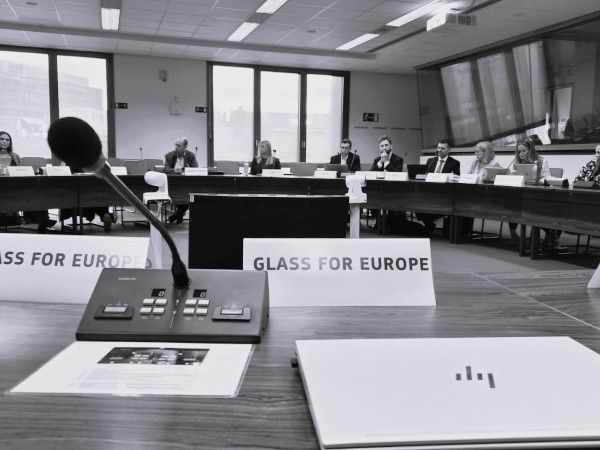
On 8 September 2026, Glass for Europe took part in a roundtable on energy organised by the European Commission’s DG ENER.

The transition from the GP19 to the new GP26 production statistics classification system introduces several changes affecting flat glass products.

A review of EU import bans on flat glass products from Russia and Belarus

Glass can be recycled indefinitely, and using glass cullet in production reduces the need for virgin raw materials, energy consumption and greenhouse gas emissions.

A new Glass for Europe series examines how national regulations integrate the solar factor in buildings.
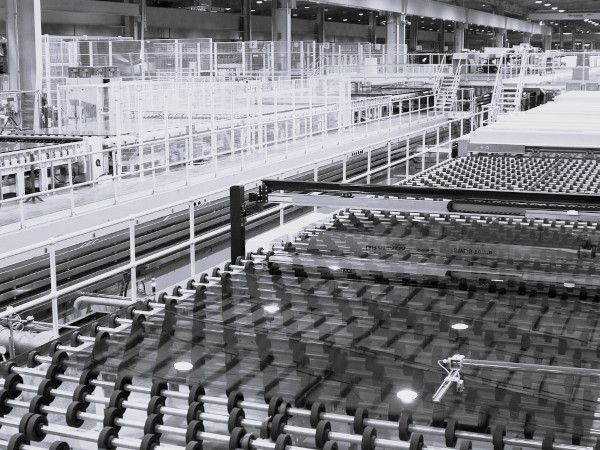
On 17 July, the European Commission adopted its proposal for the ETS reform. Glass for Europe is currently conducted a detailed assessment of the legislative proposal. The text below is the press release which was sent following the adoption.
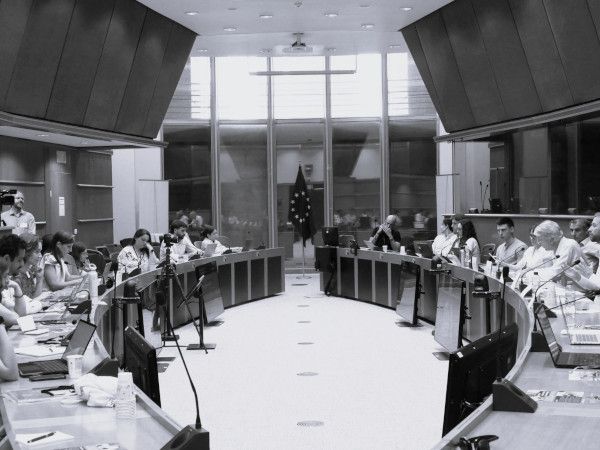
Smarter school buildings are key to a more sustainable future. Here's how Glass for Europe is supporting the conversation.
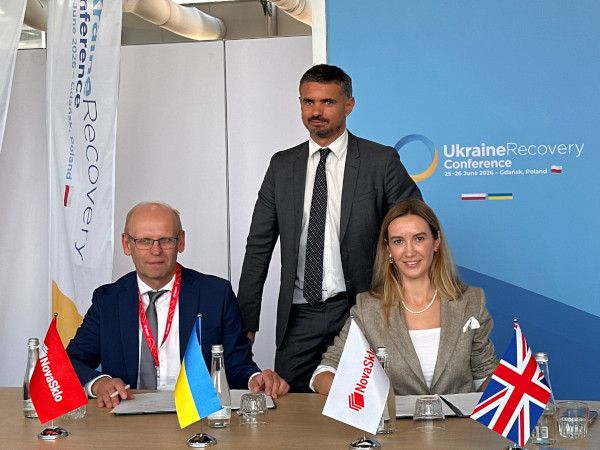
NovaSklo Trade, a project of the Ukrainian investment and industrial holding EFI Group, has signed an exclusive distribution agreement with NSG Group, one of the world's leading manufacturers of architectural glass.

From 20 March to 12 June, the European Commission organised a public consultation on the energy efficiency framework post-2030.

From 1 to 5 July, the European Council for an Energy Efficient Economy (eceee) held its summer study around the Lac d’Ailette (France).
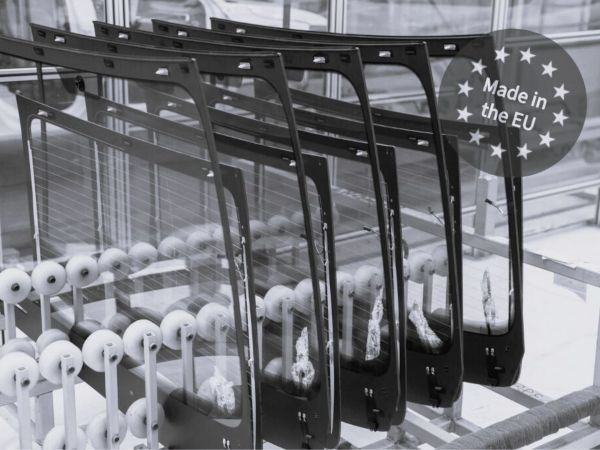
Glass for Europe is urging EU policymakers to strengthen support for locally made automotive glazing through upcoming automotive legislation.

On 31 March, Glass for Europe visited the offices of Edgetech in Heinsberg, Germany, as part of its ongoing efforts to deepen industry knowledge and collaboration.

Glass for Europe organised a workshop on the Packaging and Packaging Waste Regulation (PPWR).

On 11 March, the Board of Directors of Glass for Europe convened for the association’s General Assembly, where members confirmed the leadership of Davide Cappellino (AGC Glass Europe) for another term.
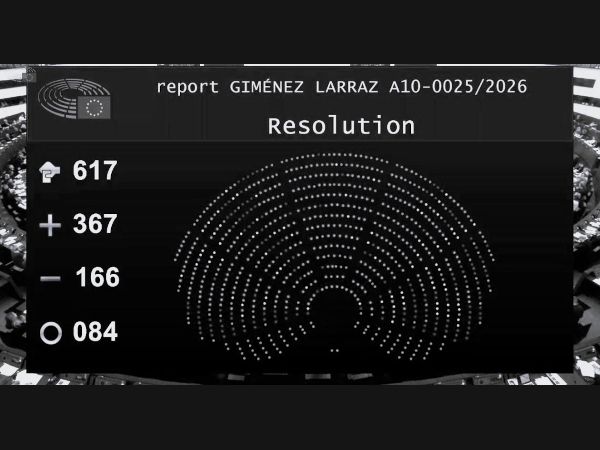
The European Parliament has adopted a report outlining measures to address housing shortages and support energy-efficient building renovation across the EU.

Joint statement – on the role of high-performance buildings to reduce demand for heating & cooling and enable electrification

'The Industrial Accelerator Act represents a constructive first step towards supporting European-made products' declared Bertrand Cazes, Secretary General of Glass for Europe.
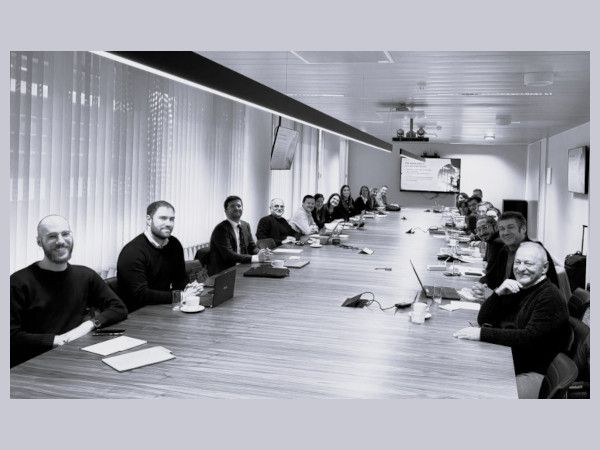
On 26 February, Glass for Europe took part in the first meeting of the Whole Life Carbon Forum for Buildings.

On February 25, the European Parliament’s ENVI and IMCO committees voted on the agreement of the new End-of-Life Vehicles Regulation.