Date: 18 May 2026
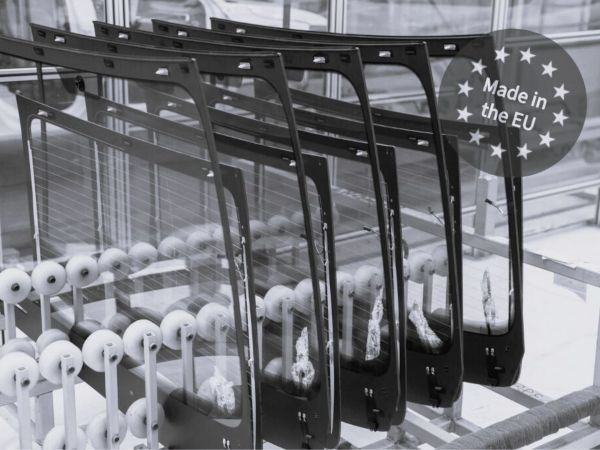
Glass for Europe published a position paper calling for the incentivisation of EU-made automotive glazing in key legislative texts for the automotive sector.
Automotive glazing is an indispensable component for vehicles. It ensures driver visibility and passenger safety, protects against impacts, and integrates components that enable ADAS and automated driving. It also contributes to vehicles’ energy efficiency, and, when dismantled and sorted correctly at end-of-life, it is fully recyclable. The EU automotive glass sector thus plays a key role in achieving circular-economy goals in Europe.
Yet the EU automotive glazing sector is under serious strain. High energy, carbon, and production costs, combined with aggressive competition from imports from countries with little climate ambitions, are threatening the long-term viability of this strategic value chain.
Considering this situation, Glass for Europe is calling on EU legislators to use ongoing legislative works on the Automotive Package and the Industrial Accelerator Act to incentivise the use of EU-made automotive glazing.
Under the Clean Corporate Vehicles Regulation, Glass for Europe advocates for state support for corporate fleets to be conditional on vehicles being made in the EU.
Under the Regulation on CO2 emission performance standards for light-duty vehicles, the use of glazing produced in the EU should be recognised as a means to advance decarbonisation of vehicle fleets. Glass for Europe also supports enabling super credits for small zero-emission vehicles made in the EU.
Finally, through the Industrial Accelerator Act, Glass for Europe supports the proposal to tie public procurement and public support schemes to EU-made vehicles.
Besides, critical glazing components such as windscreens, windows, and glass canopies should be better considered in the criteria used to define vehicles “made in the EU”, through specific Union origin requirements. Regarding the rules of origin, and given the complexities of the value chain, the paper suggests considering third countries as Union origin if they follow the criteria already proposed by the European Commission and if they apply carbon pricing obligations comparable to those of the EU for the relevant industrial processes.
Read the full position paper and concrete proposals regarding the ongoing legislative works here.
Any questions regarding Glass for Europe’s work on EU-made automotive glass? Contact our colleague Justin Loup, justin.loup@glassforeurope.com!
 600450












Add new comment