
Date: 2 March 2026
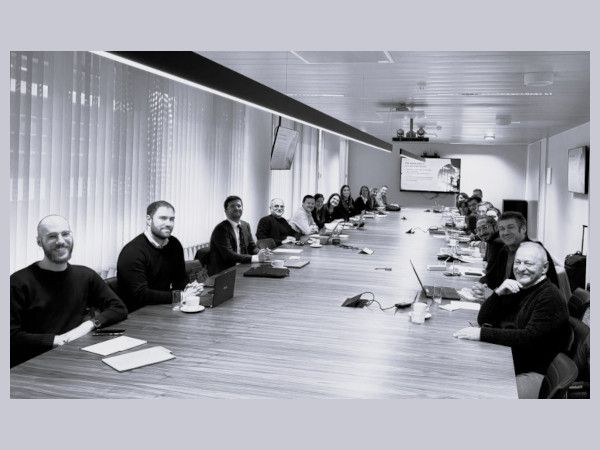
This informal gathering brought together a large range of stakeholders from across the entire construction value chain interested in exchanging on the concept and more specifically relevant provisions from the Energy Performance of Buildings Directive.
The flat glass industry endorses a comprehensive life cycle assessment framework to address greenhouse gas emissions from the building sector on a cradle-to-grave basis. By integrating both embodied carbon (emissions associated with manufacturing, transport, installation, maintenance, and end-of-life treatment) and operational carbon (emissions arising from energy use during the building’s use phase), this approach aligns directly with the European Union’s objective to decarbonise the building stock under its broader climate neutrality targets. A whole life carbon methodology enables policymakers, specifiers, and developers to identify and compare the most climate-efficient construction products and design solutions currently available on the EU market. For high-performance building envelopes, where flat glass plays a pivotal role in daylighting, thermal insulation, and solar control, assessing both embodied and operational impacts is essential to avoid burden-shifting between life cycle stages.
For this reason, Glass for Europe welcomed the proposal to attend the kick-off meeting of the Whole Life Carbon Forum for Buildings. By bringing together actors from across the entire construction value chain, the Forum offers a concrete opportunity to pool knowledge, align approaches, and strengthen collaboration between industry, designers and policymakers. The ambition is to establish a platform to exchange on shared practical experience and improve coordination and support effective implementation at national level. Across sectors, common themes and priorities are emerging namely the need for a fair and harmonised framework, a level playing field across materials and countries and the need to rely on tools and high-quality data.
The year 2026 will be particularly decisive. Member States are required to publish, by January 2027, their national roadmaps outlining the introduction of limit values and targets for whole life carbon performance. This milestone makes 2026 a critical period for methodological alignment, data consolidation, and stakeholder coordination, ensuring that national approaches are coherent and comparable. Glass for Europe looks forward to contributing to the Forum’s next steps.
 600450



Add new comment