Date: 12 June 2026
Not all industrial success stories begin with strategy decks, presentations, and ambitious expansion plans. Some emerge from a far simpler impulse - the determination to take matters into one’s own hands and to take responsibility for the future. This is how many companies were born at a time when Poland was just beginning to think more boldly. VITROSZLIF is one such story.
Today, many projects begin with carefully prepared pitch decks, scaling strategies, and plans for future VC funding rounds. Startups are created where, even before the product exists, it is already clear when the company will enter its first market – and when it will enter its third. It wasn’t always this way.
Some industrial stories began far more modestly – in a small workshop, sparked by a simple impulse that had more to do with the need to act than with spreadsheets. This was true of many companies founded at a time when Poland was only beginning to learn how to dream boldly.
Less than fifty years ago, as production of the first Fiat 126p cars was starting in Tychy, Polish Olympians were winning seven gold medals in Montreal, and store shelves still held more shortages than goods – a twenty-year-old man from Mstów decided to take responsibility for his own future. He began grinding crystal glass: goblets, bowls, tureens, and vases that in the 1980s were household symbols of elegance and good taste.
The small workshop gradually grew. No one – not even its founder – imagined that this work would become the first step on the path toward one of the most modern glass-processing facilities in Poland. This is how VITROSZLIF was born.
In the 1990s, together with the onset of economic transformation, the company moved to Częstochowa. It was there that the story of its first insulating glass production began – a decision that would define the company’s direction for decades to come.
At almost exactly the same time, nearly half a century ago, about a thousand kilometers to the west in Lauenförde, Germany, another twentyyear-old was struggling with a technical problem: he needed glass racks that no one was willing to make for him. So he did what people with initiative do – he took matters into his own hands. That is how HEGLA was founded.
Two different stories, two countries, two workshops, and two decisions made by young people who were not afraid to take initiative. In 2026, both companies celebrate their 50th anniversaries – while in Poland we also add our own five years of HEGLA Polska’s activity.
This symbolic coincidence prompted us to reflect on the path taken by the Polish glass industry – from small family workshops, through times of profound transformation, to modern facilities exporting their products to global markets. From this reflection emerged the idea for a project that would allow us, at least in part, to present the people behind this story.
VITROSZLIF is an ideal example – a company that has not only developed consistently over decades, but has also recently decided to undertake a full modernization of its plant.
Guided by the principle, “Let’s turn everything upside down to better prepare for the next 50 years,” the main goal of this transformation was to increase the level of automation and digitalization.
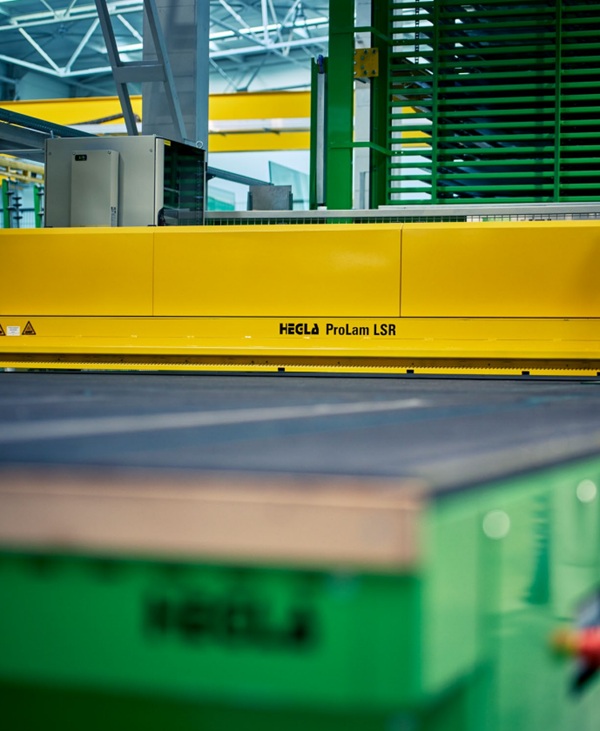
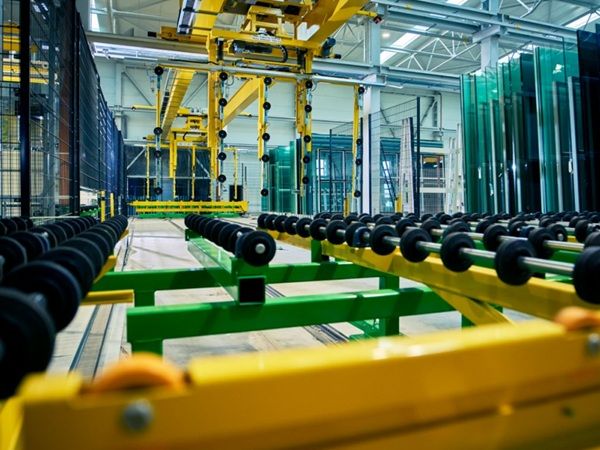
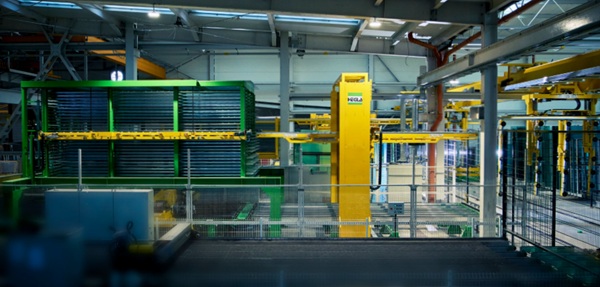
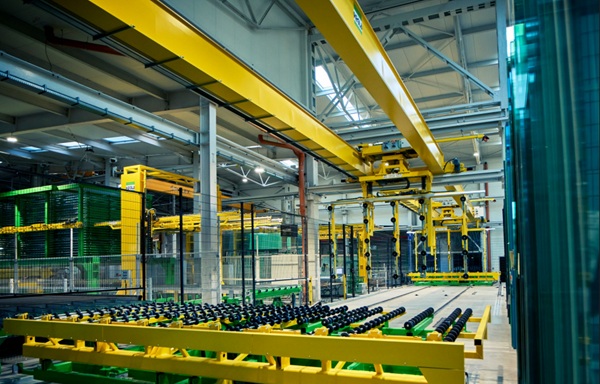
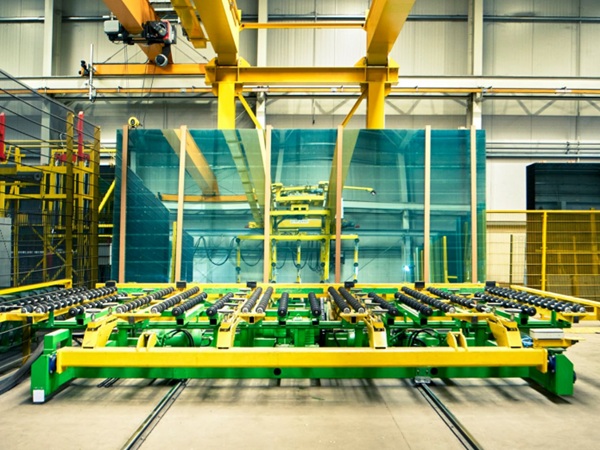
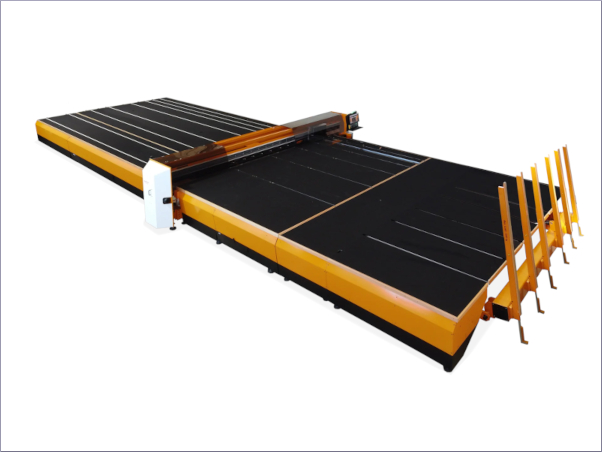
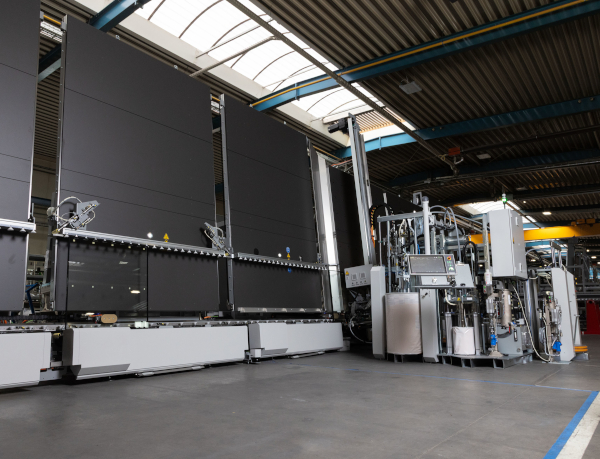
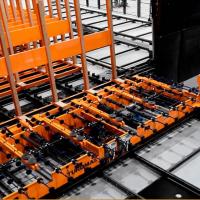
We had the honor of accompanying this process by designing a fully automated glass storage system with two gantries. We worked in the way we value most: making maximum use of what already works and introducing technology only where it truly creates an advantage. The savings achieved made it possible to invest in another toptier solution that further increased production potential – a ProLam line with LSR technology and a ReMaster residual glass storage system.
The result? A facility that operates faster, more precisely, and with a much higher level of technological awareness. The new storage system ensures efficient and stable supply of the resources required for production.
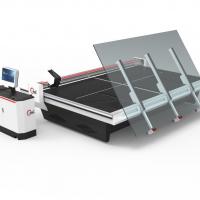
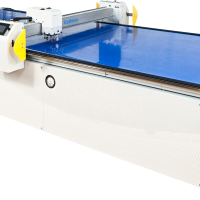
Meanwhile, the new glass cutting line has significantly increased capacity in laminated glass, and the LSR technology used has clearly improved both efficiency and cutting quality.
Today, this is a plant ready for decades of further development – and new ideas are already taking root in the minds of the team.
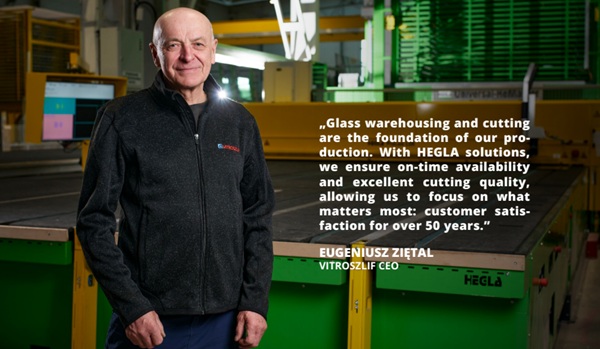
VITROSZLIF currently produces insulating glass units supplied to markets around the world, as well as high-quality wooden windows. The reins are gradually being taken over by Eugeniusz’s sons – people who grew up surrounded by glass and technology, and who appear ready to add another strong chapter to this story.
 600450











Add new comment