
Others also read
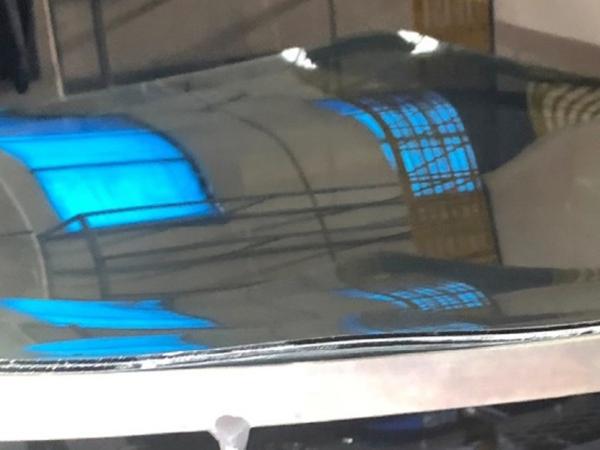
| In this study, the profound reasons behind the main benefits of glass preheating by increased convection in automotive windshields (WS)/ sunroof (SR) production are opened.
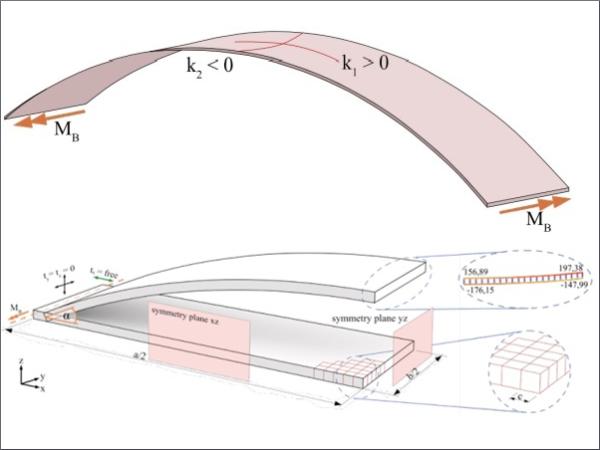
| This paper investigates the influence of Possion´s Effect on the accuracy and applicability of the used linear elastic Euler-Bernoulli beam theory for the determination of the tensile bending strength of thin glass.
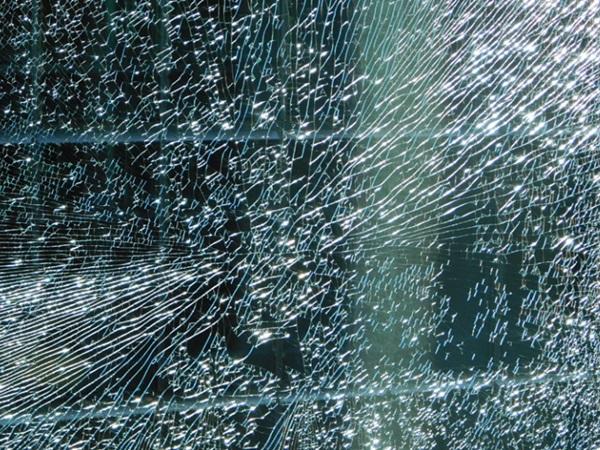


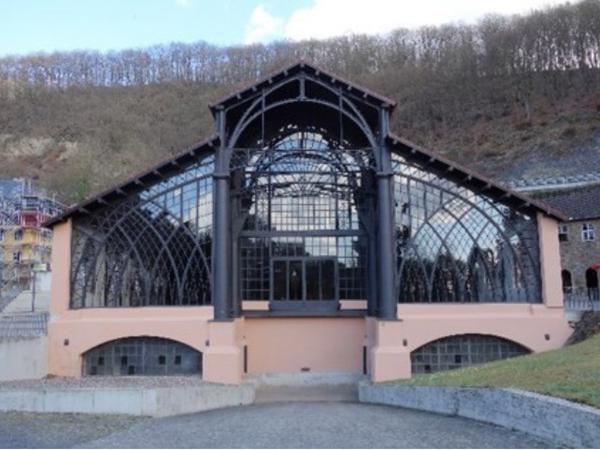
| The present work presents the investigation of historical glass and glass constructions in a suburb of Dresden.

| Laminating glass together with a PVB or ionoplast interlayer can help mitigate security threats that range from smash and grab burglary, forced entry, ballistics, to even bomb blast.
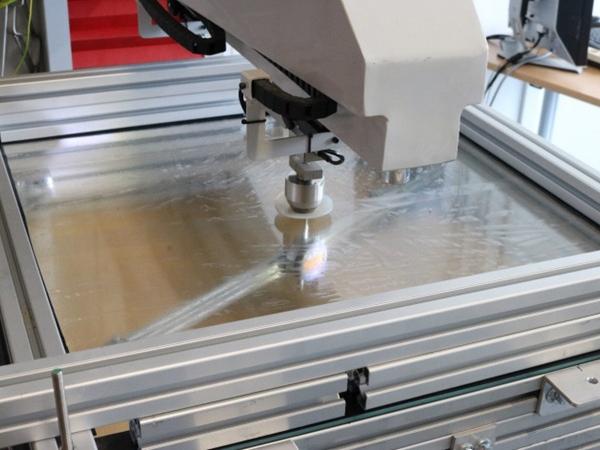
| A novel approach to generate a flat plate with enhanced stiffness has been identified. This approach is scalable, offering the potential for improved stiffness for both large-format glass and thin, chemically tempered glass.

| With increasing concern over plant conservation, there has been a renewed interest in large-scale, enclosed botanical garden structures.
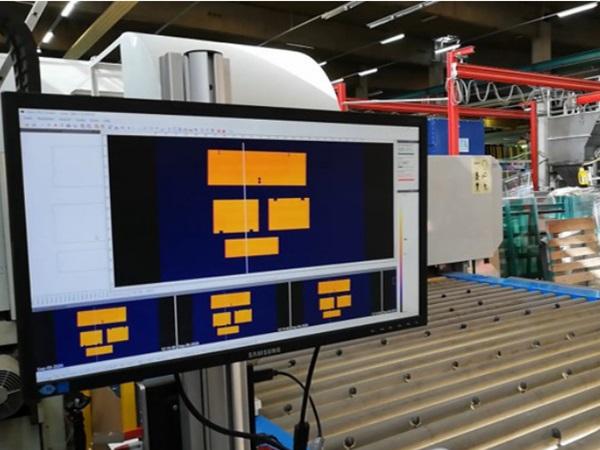
| A way to determine the condition and functionality of a glass furnace is to measure the glass temperature as it exits the furnace.
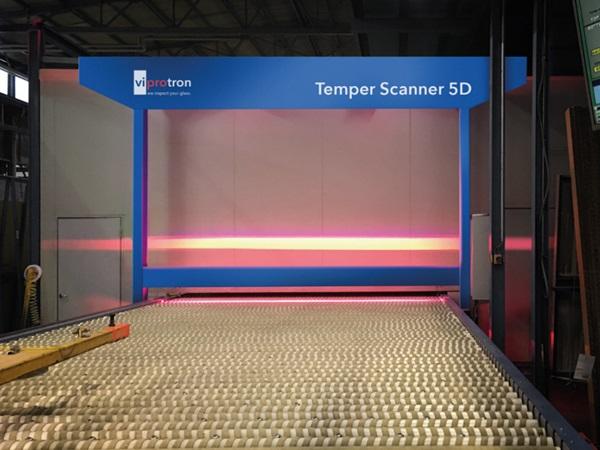
| The new complete metrology scanner after furnace exit and its capabilities for furnace optimization and quality control.
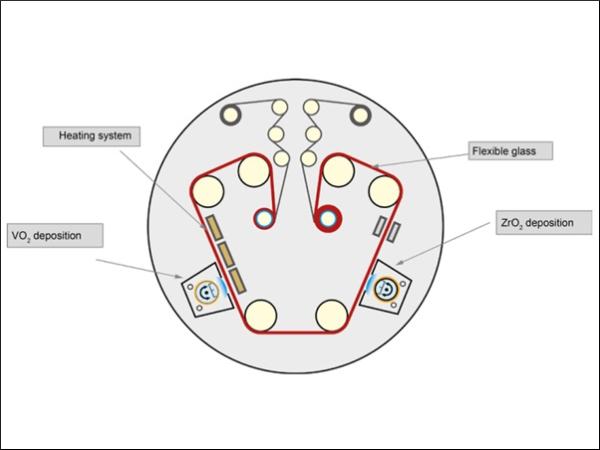
| The authors present results achieved in a roll-to-roll deposition process of vanadium oxide on flexible glass of 0.1 mm thickness.

| Curved glass is fundamental in advanced architecture which incorporates a magnitude of glass with organic forms throughout these cutting-edge design structures.

| In the latest Glastory blog post, Antti Aronen analyzes the transformative potential of automated glass tempering.
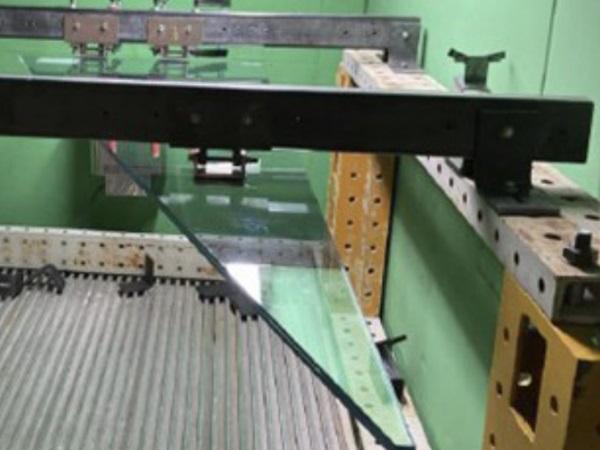
| Glass is a brittle material. After the stress due to loading exceeds the resistance, a breakage occurs, and the glass is no longer intact.
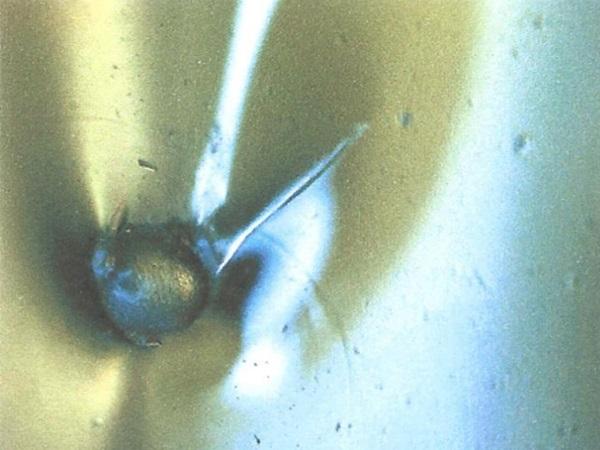
| Spontaneous breakage of fully tempered glass in facades is under control today when the heat soak process according to EN 14179-1 (2006/2016) is rigorously carried out.
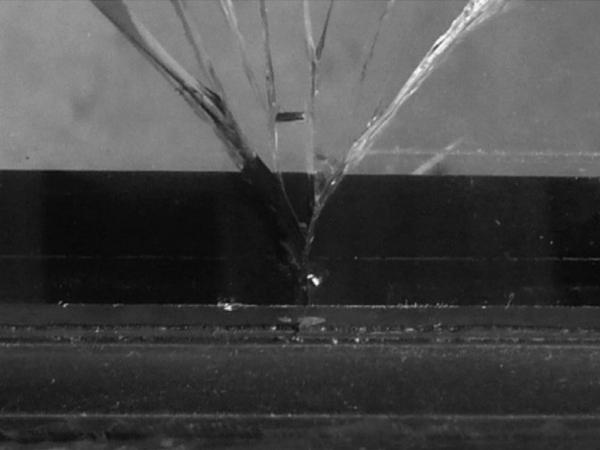
| Identification and optimisation of cutting process parameters
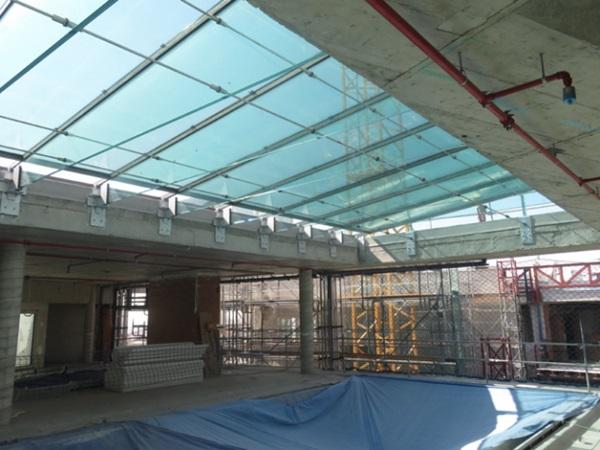
| This paper describes the lessons learned when using structural glass to carry out a canopy design integrated into a new façade.
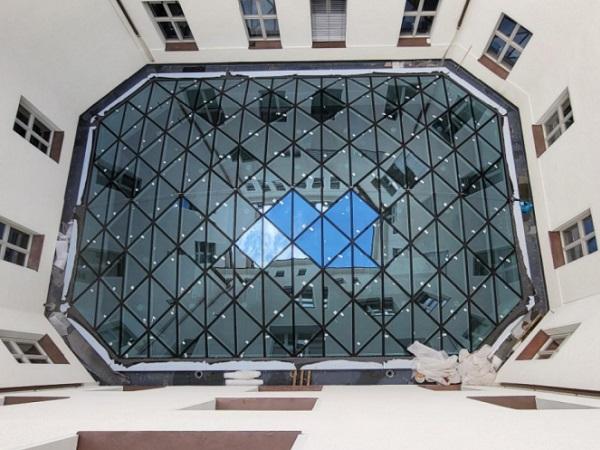
| New fire-resistant load-bearing glass beams are under development and examined within a joint research project between Hero-Fire GmbH, Taupitz GmbH & Co. KG and Technische Universität Dresden.

Unlocking energy efficiency potential: vacuum-insulated glazing for sustainable buildings - Glastory
| Read more about Antti Aronen's presentation at Glass Performance Days (GPD) 2023, "An enhanced model of thermomechanical loading on a Vacuum Insulated Glazing".

| In the new Glastory post by Matthias Loppacher, we explore the evolving landscape of automotive glazing and display processing – and discuss strategies for keeping up with the changes.
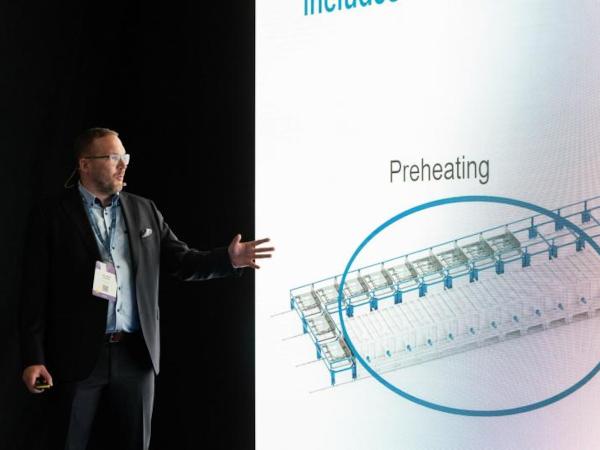
| In the latest Glastory blog post, Antti Aronen introduces how the complexity of automotive windshields and sunroofs has significantly increased with evolving modern car designs.

| A comparison between measured and declared values
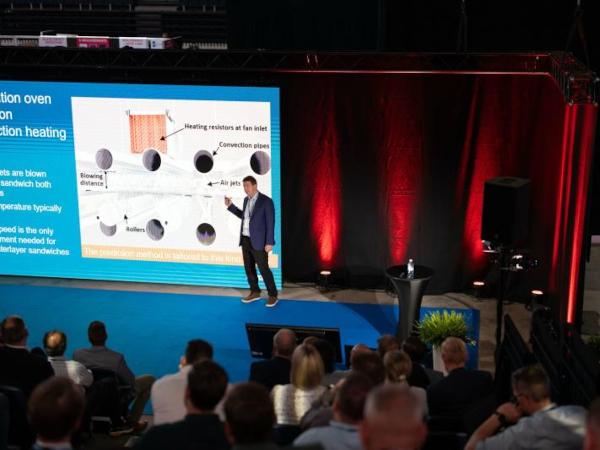
| The latest Glastory blog presents how to overcome interlayer temperature hurdles in laminated glass processing with the prediction method. More of the presentation by Mikko Rantala at GPD 2023.
| In situ detection of product age and argon concentration as measure of the re-use potential of insulating glass units in buildings