
Others also read
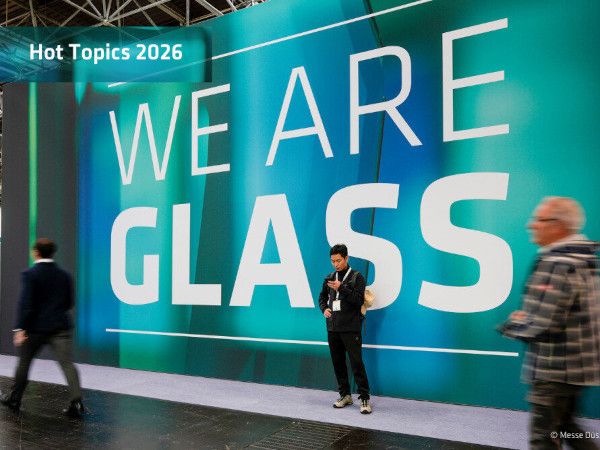
At glasstec 2026 held in Düsseldorf from 20 to 23 October 2026 solutions for current and future challenges in the glass industry will be centrestage once again. The Hot Topics read: Artificial Intelligence (AI) & Digital Technologies,…

More than 100 representatives from SANCO’s European partner network gathered in Mallorca at the end of May for the 54th SANCO Annual General Meeting.

NGA calls on representatives from glass fabricators and manufacturers to participate in the PCR guidance development process

AIA has created a commitment framework to help architects better serve their communities by building resilience and disaster risk reduction into the design and planning of new construction and renovation projects.

From 1 to 5 July, the European Council for an Energy Efficient Economy (eceee) held its summer study around the Lac d’Ailette (France).

Technical panel discussions and an update on insulating glass research will be held during the Fenestration and Glazing Industry Alliance (FGIA) Virtual Summer Summit, taking place online June 23-24.
EVERLAM has once again been awarded the EcoVadis Bronze Medal, reaffirming its commitment to sustainability and responsible business practices.

The planet doesn’t argue. It doesn’t negotiate. It sends signals—rising seas, raging wildfires, heatwaves, melting glaciers. We said 1.5°C was the limit. We are crossing it.

Vitro’s advanced glazing technologies are helping Harvard’s Gund Hall achieve significant improvements in energy performance and occupant comfort.
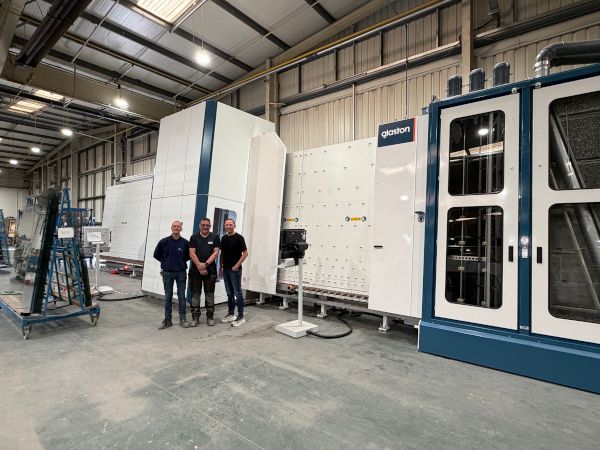
Cwmtillery Glass has strengthened its production capabilities with a second Glaston MULTI’ARRISSER, boosting efficiency while maintaining the high-quality standards its customers expect.

This industry is among the most energy-intensive sectors there are. Melting tanks operate round the clock, fossil fuels dominate production. Decarbonising this industry is a challenge.
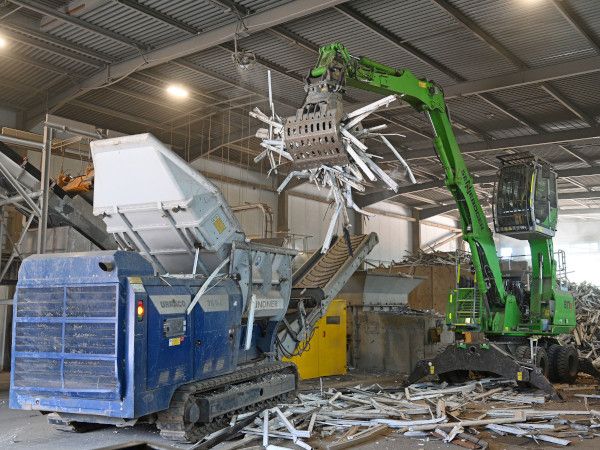
For many installers, waste removal has traditionally been viewed as little more than a necessary operational task, arrange a skip, clear the site, move onto the next job.
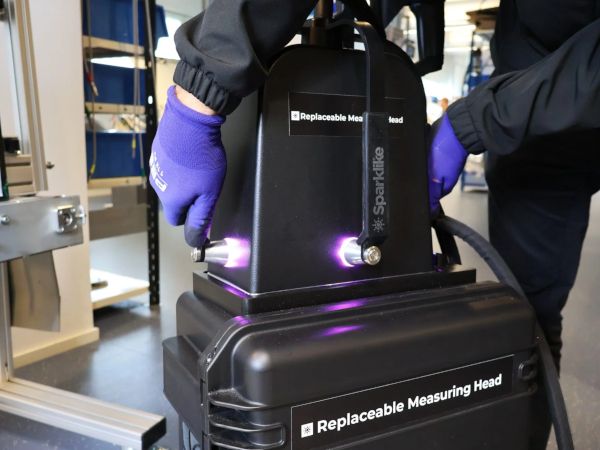
Ensuring the right argon fill rate is essential for high-performance insulating glass — and Passive Windoor is taking quality control to the next level with direct gas concentration verification.

At glasstec 2026 circularity is one of the key three Hot Topics. Exhibitors will show how glass products are developed to be more suitable for recycling, how insulation glass units are separated automatically and how new sources of cullet can be…
The initiative offered customers a firsthand look at Fenzi’s production processes, innovation, and expertise in solutions for the glass processing industry.

In this episode, Glaston CEO Miika Äppelqvist sits down with Mr. Li Chang, Founder of Fuxuan Doors & Windows, to discuss the development of ultra-thin triple insulating glass technology in China.
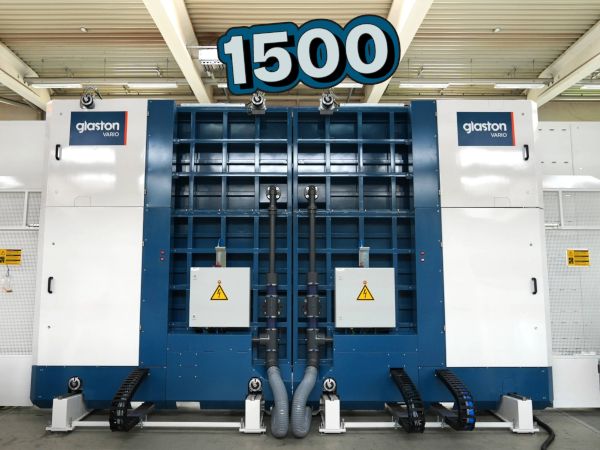
Impressive success story in modern insulating glass production

Over two decades, Sparklike has evolved its non-destructive gas measurement technology to meet the needs of modern insulating glass production.

Fenestration and Glazing Industry Alliance updates its guidelines to help the industry better identify and assess visual obstructions in insulating glass unit cavity spaces.

The Group renews its commitment to guaranteeing safe materials that comply with CAM requirements, transparent documentation, and sustainable solutions dedicated to insulating glass.

A look at a game-changing technology for highly insulating glazed building envelopes.

Lipoplast verifies argon gas fill levels to ensure consistent quality, meet international standards, and deliver reliable insulating performance.
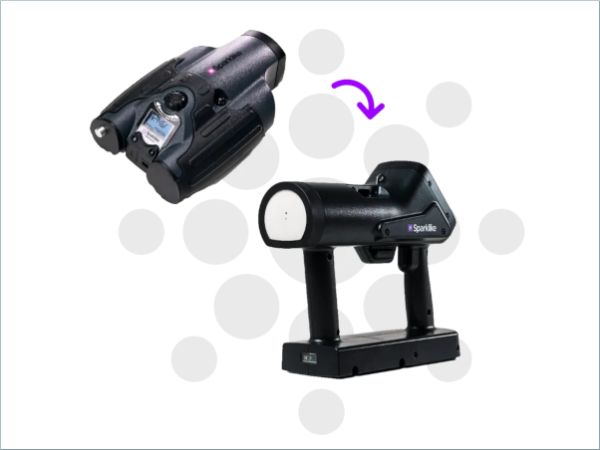
A practical FAQ guide to the Sparklike Handheld NOVA™, answering key questions on fast, reliable, and non-destructive gas measurement for insulating glass production.

A New Generation of Non-Invasive Gas Measurement for Double-Glazed Units
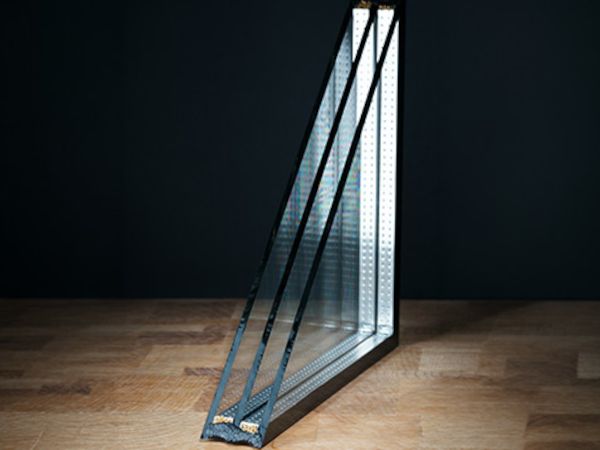
The Fenestration and Glazing Industry Alliance (FGIA) has released an updated technical manual providing generic descriptions and test methods for insulating glass units (IGUs) utilizing box spacer constructions.