
Others also read

This industry is among the most energy-intensive sectors there are. Melting tanks operate round the clock, fossil fuels dominate production. Decarbonising this industry is a challenge.
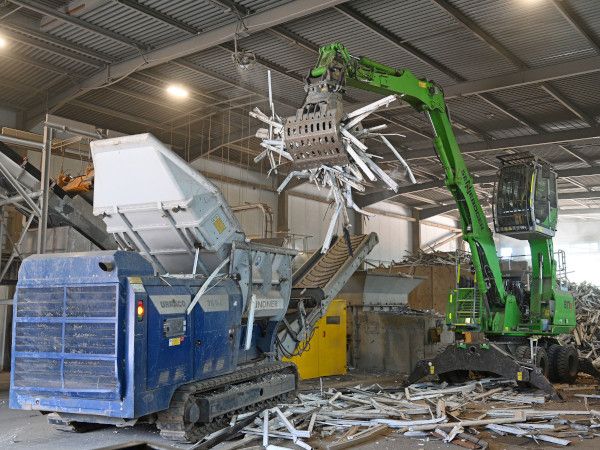
For many installers, waste removal has traditionally been viewed as little more than a necessary operational task, arrange a skip, clear the site, move onto the next job.
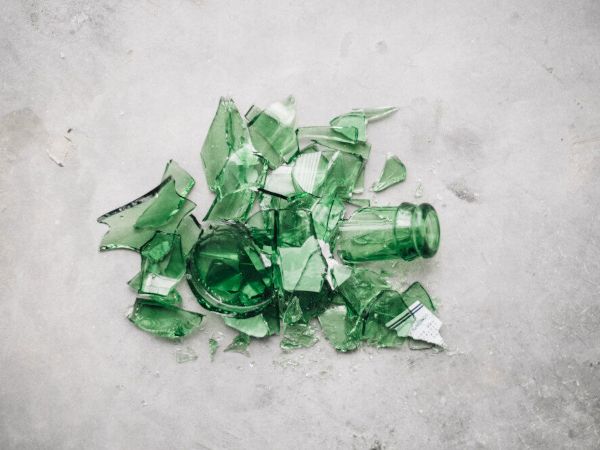
At glasstec 2026 circularity is one of the key three Hot Topics. Exhibitors will show how glass products are developed to be more suitable for recycling, how insulation glass units are separated automatically and how new sources of cullet can be…
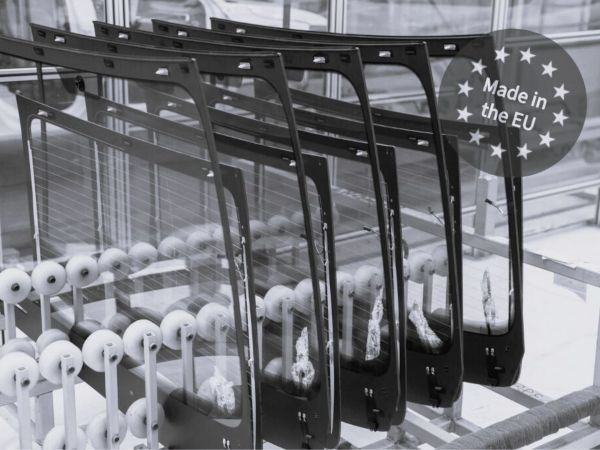
Glass for Europe is urging EU policymakers to strengthen support for locally made automotive glazing through upcoming automotive legislation.

Next‑generation IR‑reflective, neutral color interlayer engineered for panoramic sunroofs
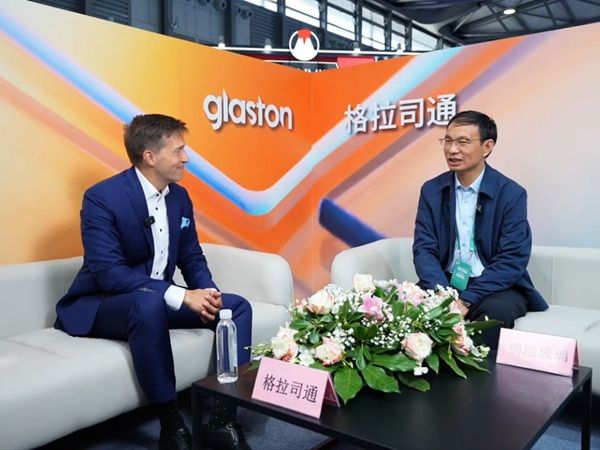
Glaston shares insights from China Glass 2026, featuring a CEO-level discussion on collaboration, innovation, and the future of automotive glass.

The Group renews its commitment to guaranteeing safe materials that comply with CAM requirements, transparent documentation, and sustainable solutions dedicated to insulating glass.
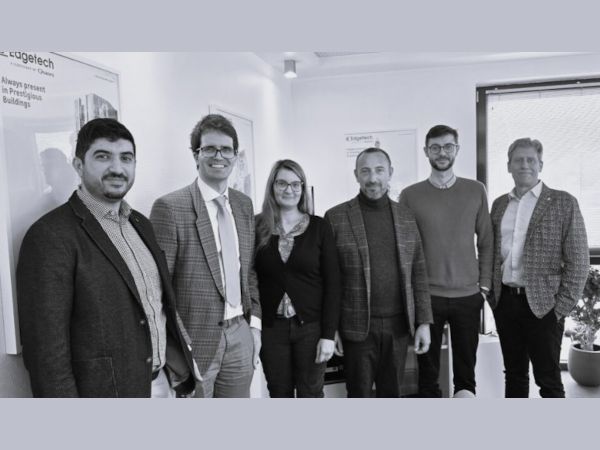
On 31 March, Glass for Europe visited the offices of Edgetech in Heinsberg, Germany, as part of its ongoing efforts to deepen industry knowledge and collaboration.

Glass for Europe organised a workshop on the Packaging and Packaging Waste Regulation (PPWR).

On 11 March, the Board of Directors of Glass for Europe convened for the association’s General Assembly, where members confirmed the leadership of Davide Cappellino (AGC Glass Europe) for another term.
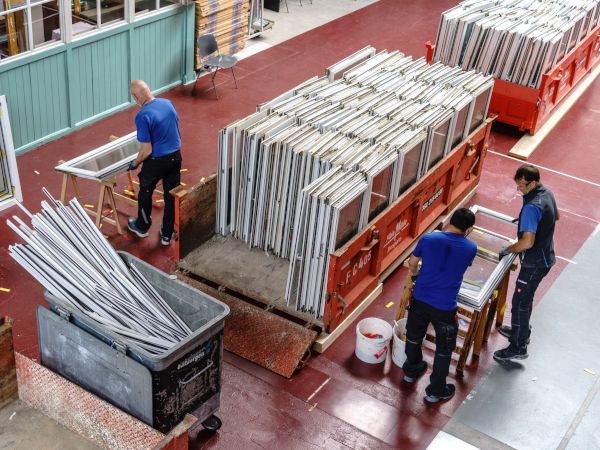
A pilot project led by ZHAW with Glas Trösch has demonstrated that recycling end-of-life windows into new float glass is technically feasible, paving the way toward a closed-loop recycling chain.
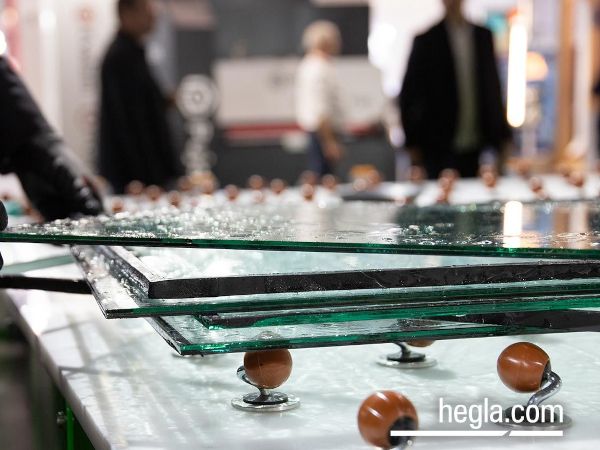
HEGLA’s IG2Pieces system has been nominated for the prestigious Fensterbau Innovation Award, highlighting its contribution to advancing circular solutions in the glass industry.
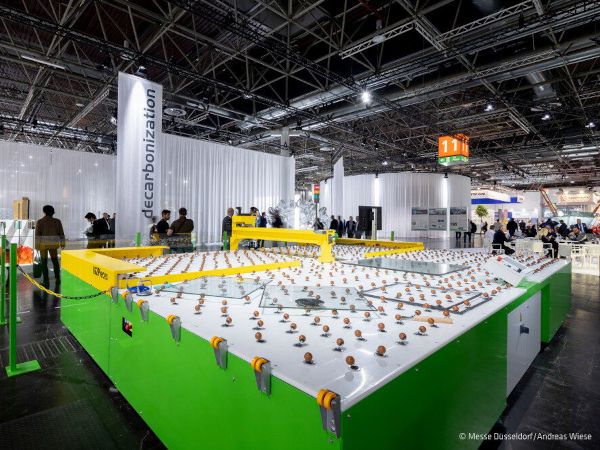
Glass can be molten indefinitely without losing quality – a property that makes it a key material for circularity. But the distance to cover towards a genuine circular economy varies by glass segment.
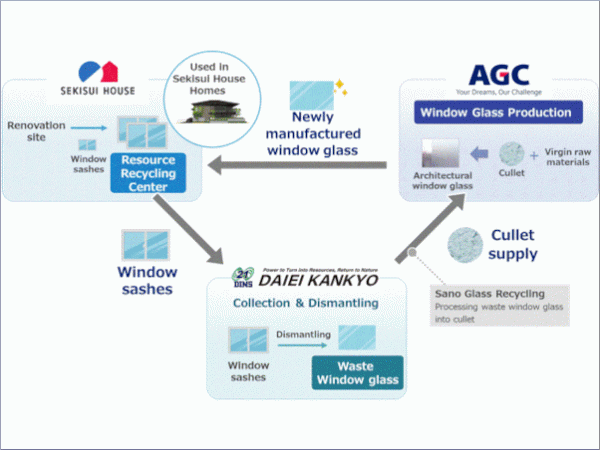
Japan’s first demonstration project for circular recycling of window glass from home renovation by Sekisui House, Daiei Kankyo and AGC
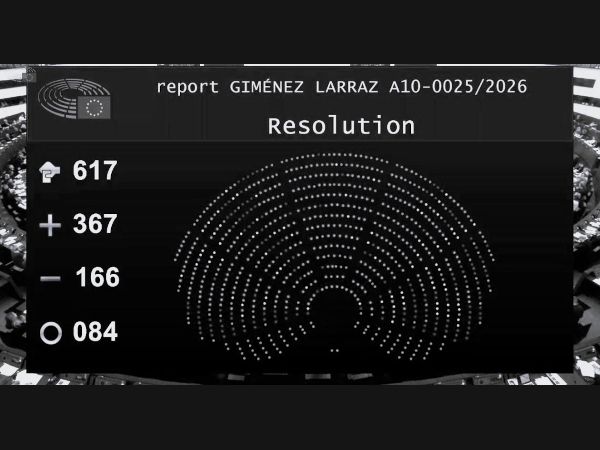
The European Parliament has adopted a report outlining measures to address housing shortages and support energy-efficient building renovation across the EU.

Joint statement – on the role of high-performance buildings to reduce demand for heating & cooling and enable electrification
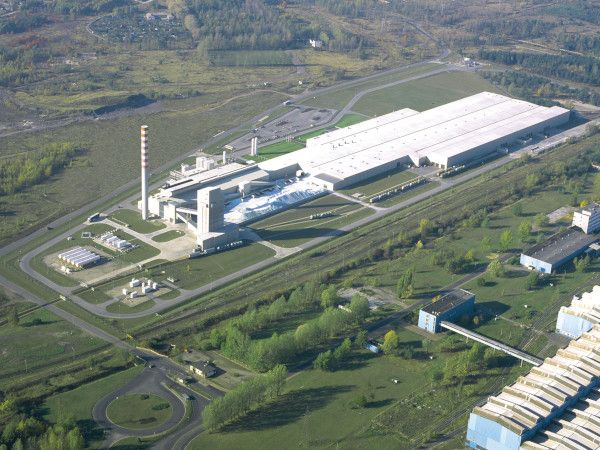
'The Industrial Accelerator Act represents a constructive first step towards supporting European-made products' declared Bertrand Cazes, Secretary General of Glass for Europe.
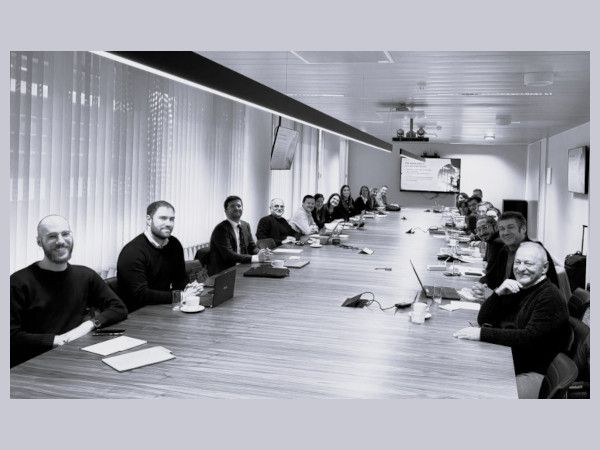
On 26 February, Glass for Europe took part in the first meeting of the Whole Life Carbon Forum for Buildings.

On February 25, the European Parliament’s ENVI and IMCO committees voted on the agreement of the new End-of-Life Vehicles Regulation.
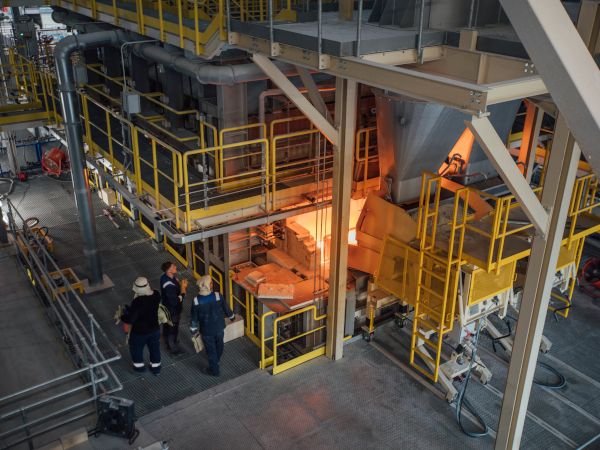
Glass Futures has completed its first alternative fuel trials campaign, demonstrating at industrial scale the viability of biofuels, electric melting and hydrogen to accelerate glass sector decarbonisation.

The Fenestration and Glazing Industry Alliance (FGIA) has updated the Aluminum Material Council (AMC) portion of its site with webpages covering aluminum-focused sustainability.

The GGF has welcomed the Irish Government’s new energy upgrade grants, highlighting the strong commitment to windows and doors as a key driver of home decarbonisation.
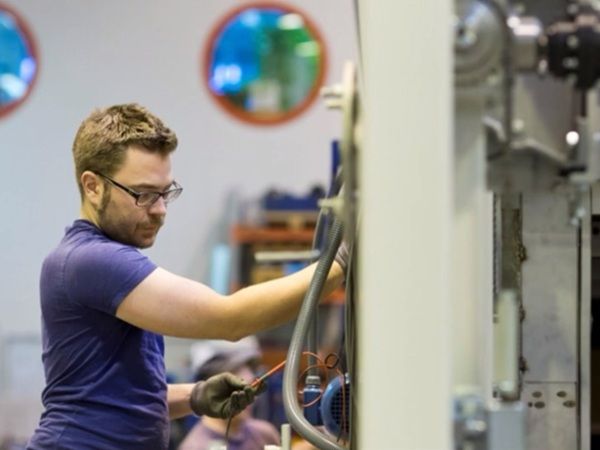
Knowing its roots helps shape the future. From Tamglass in the 1970s to Glaston today, the company’s windshield-bending journey has been driven by curiosity, craftsmanship and teamwork.
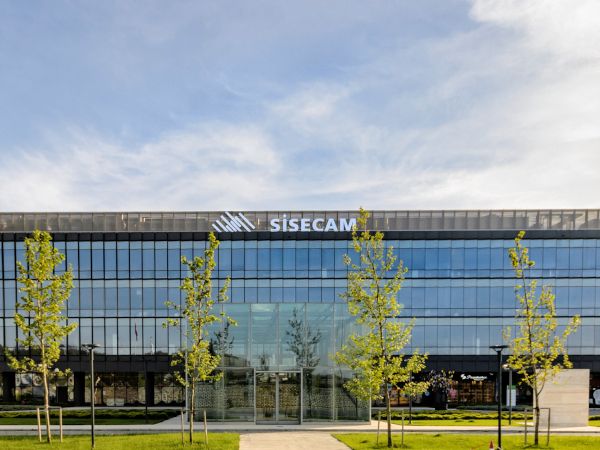
Şişecam to contribute to the circularity of electric vehicles with innovative glass solutions.

Glass for Europe has released a new paper highlighting the key role of solar control glass in improving summer comfort and enabling passive cooling in buildings.