
Others also read
How can glass achieve higher performance while keeping construction simple? Researchers at TU Darmstadt explore this question through innovations in thin, thick, vacuum-insulating and curved glass, with a growing focus on reuse over recycling.
Explore Saflex™ and Vanceva™ interlayers to see, touch, experience and even influence what’s next at Hall 11, Booth A48.
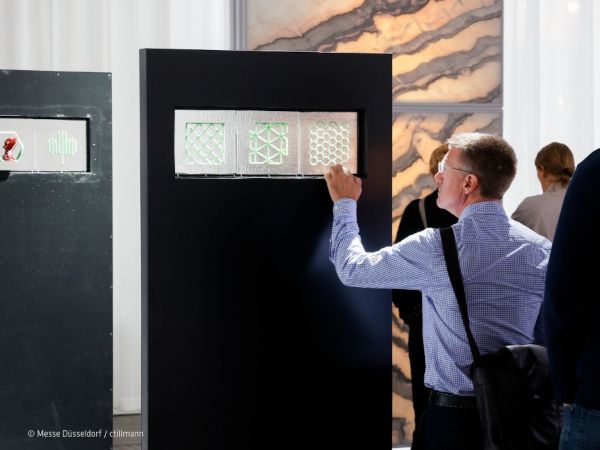
How must glass façades respond to climate change, new digital possibilities and human health requirements? Ahead of his appearance at the architecture forum at glasstec 2026, Prof. Stefan Behling of Foster + Partners discusses the building envelope…
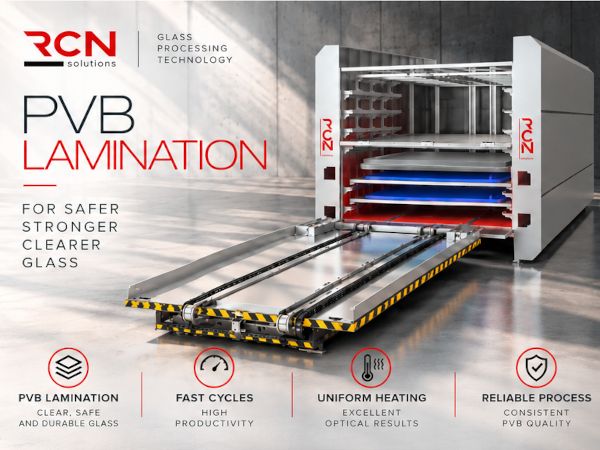
Glasstec will be an important platform for innovation and networking, and a vision to into the future for the glass industry.
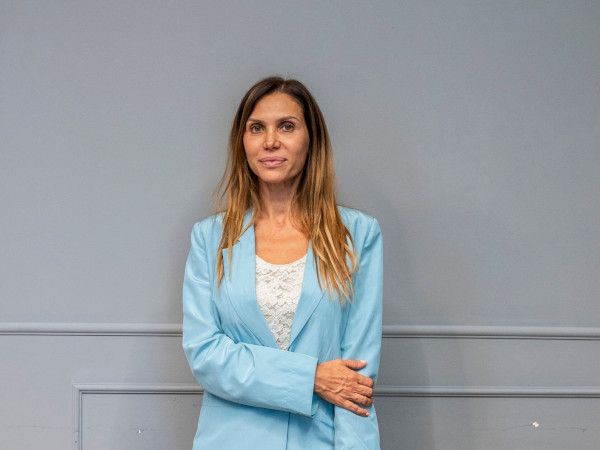
VITRUM 2027 President Barbara Antonini shares her vision for a new event format connecting glass technologies, industries and markets through the concept of the Glass Economy.

As glasstec 2026 approaches, Director Daniel Feische shares his vision for the world-leading trade fair, highlighting AI, decarbonisation, circular economy and the power of industry connections.

Amy Roberts, Canadian Codes and Advocacy Director for the Fenestration and Glazing Industry Alliance, will kick off Top Glass West by sharing the latest news and updates on Canadian building codes and glass and glazing standards.
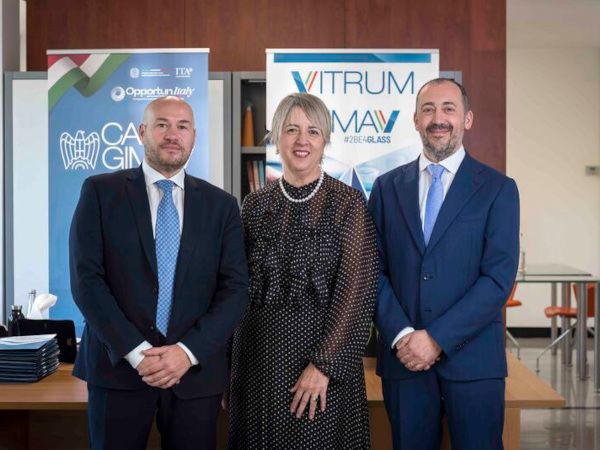
With the appointment of Matteo Padovan as Vice President of GIMAV, the association and the Italian glass industry are entering a new phase of discussion on the sector’s future.
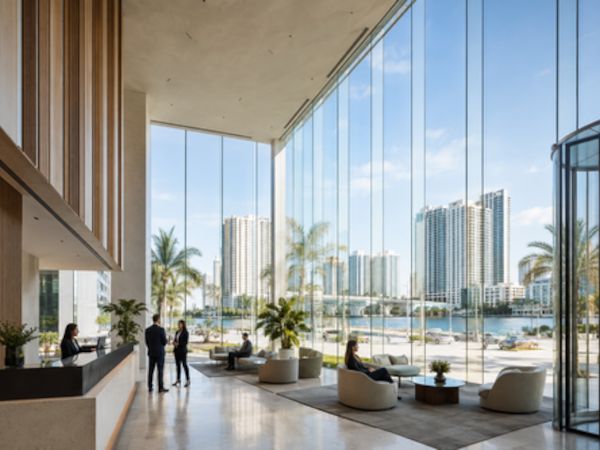
New SentryGlas® variant combines best-in-class structural capabilities with advanced acoustic performance, enabling thinner, lighter and more sustainable glazing solutions without compromise.
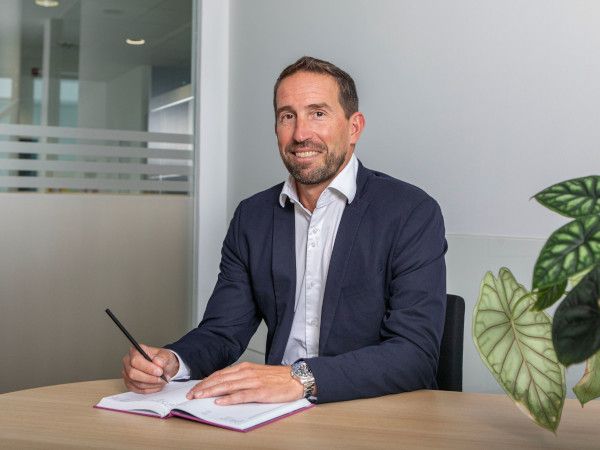
At glasstec 2026, the LiSEC Group is presenting LiTROS, a new portfolio designed to provide a simpler and more cost-effective entry into industrial flat glass processing.
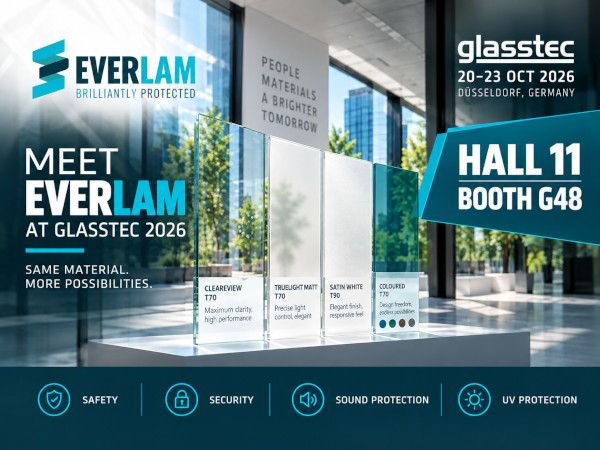
EVERLAM will participate in glasstec 2026, welcoming customers, partners and industry professionals to its booth 11G48 in Düsseldorf from 20 to 23 October.
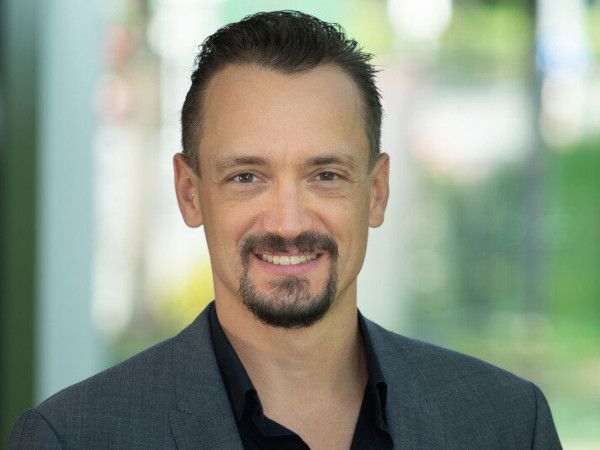
Michael Engelmann from the Institute of Building Structures at TU Dresden is conducting research into adaptive structures made from thin glass.
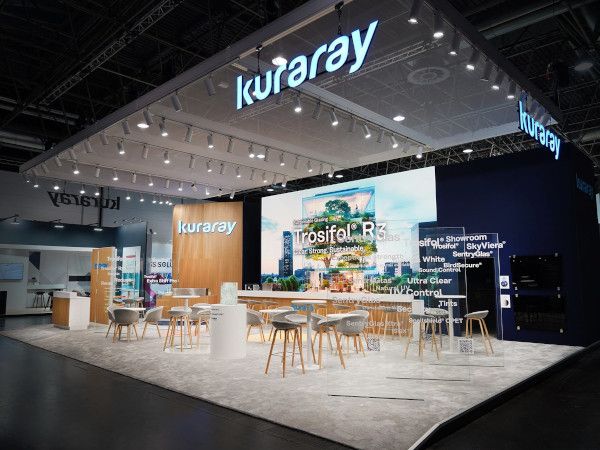
Meet Kuraray at glasstec 2026 and explore advanced interlayer solutions for automotive, architectural, acoustic, structural, and low-carbon laminated glass applications.
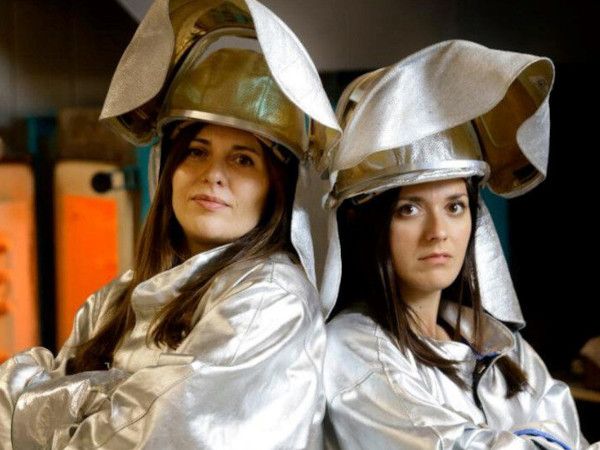
Cast glass opens up entirely new possibilities for architects and redefines our conception of glass in buildings. So say Faidra Oikonomopoulou and Telesilla Bristogianni from Delft University of Technology.
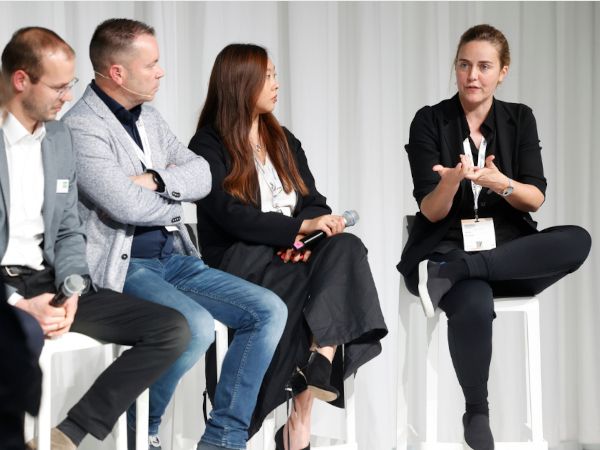
Sophie Pennetier (Digne) spoke about glass recycling in the construction sector at CircuClarity at glasstec in 2024. In this interview she explains why post-consumer glass rarely finds its way back into the cycle and who has to rethink matters first…

With our latest generation of products, we follow a clear approach: complete transparency across the entire material and information flow, from order entry and production control through logistics to final delivery.

Kuraray will take part in the 229th edition of Zak World of Façades, taking place on September 28, 2026, at Sofitel Downtown Nile in Cairo, Egypt.

Enhanced protection from severe weather and security threats such as blasts and forced entry
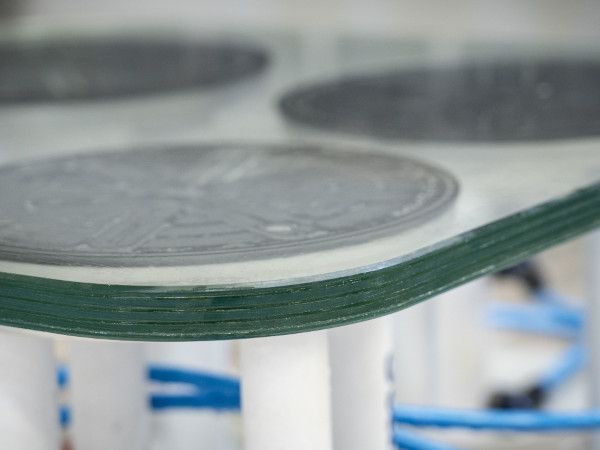
Bulletproof glass and fire-resistant glass represent one of the most demanding challenges in high‑performance flat glass fabrication.

Two years after CircuClarity One, the initiators take stock: what has really changed in the glass sector and what does it take for good ideas to make a real impact?
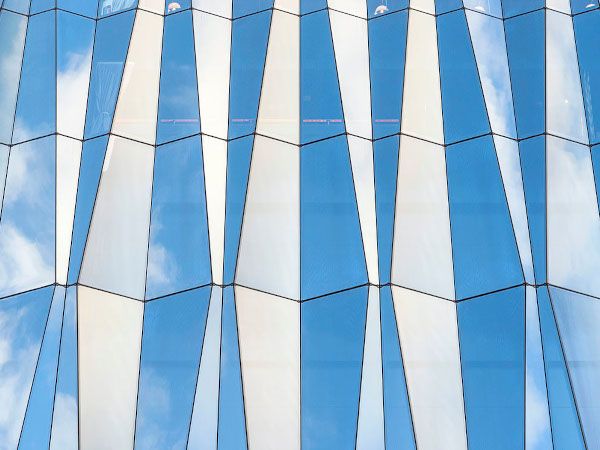
Specification will include enamel application standards on all types of glass for quality assessment.
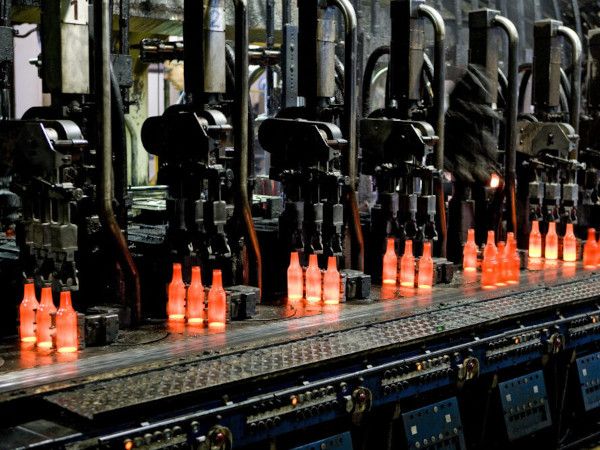
How can the energy-intensive glass industry, so far heavily dependent on natural gas, become CO2-neutral by 2045?
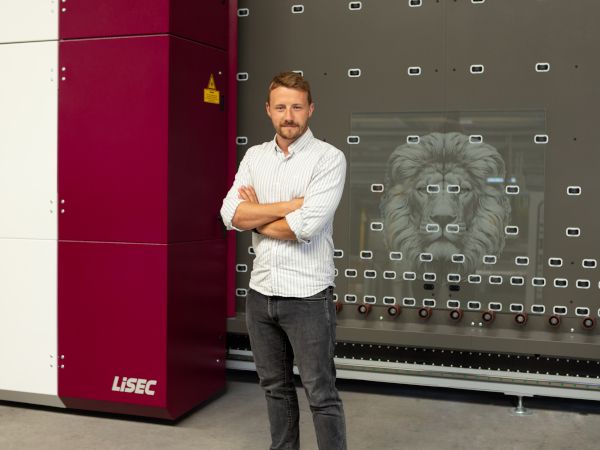
With the LSP-A, LiSEC is presenting a laser solution at glasstec 2026 that combines two different laser processes in one system.
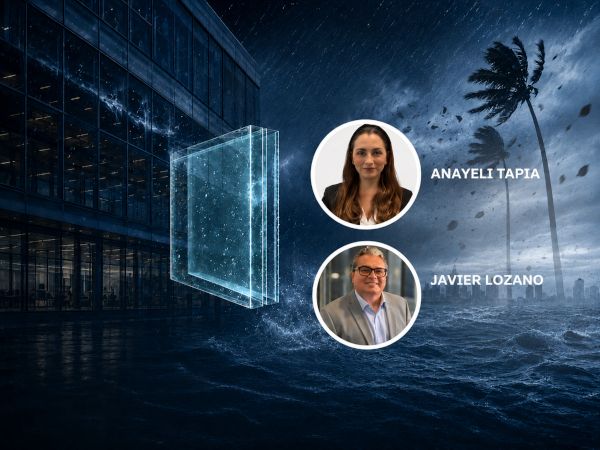
Kuraray will host a free webinar, presented in Spanish, on designing hurricane-resistant facades, taking place September 1 at 10:00 AM (Mexico City, CST).
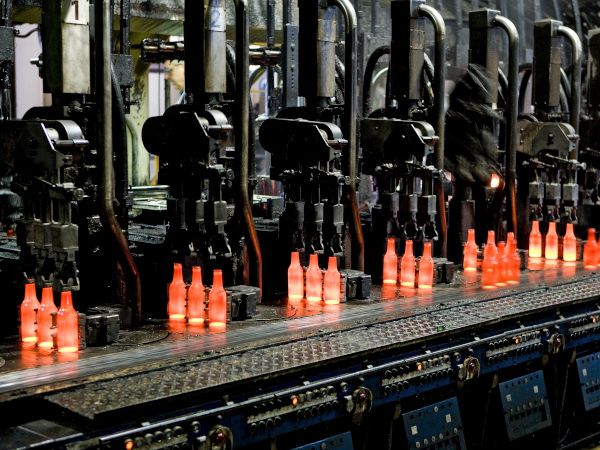
A new roadmap explores how Germany's glass industry can achieve CO₂ neutrality by 2045, outlining the technologies and strategies needed to drive decarbonisation.