
Flat glass manufacturing to be considered an “environmentally sustainable activity” in the EC taxonomy context

Flat glass manufacturing to be considered an “environmentally sustainable activity” in the EC taxonomy context
Photo source
glassforeurope.com

Date: 25 February 2019

On February 22, Glass for Europe responded to the consultation launched by the technical expert group on sustainable finance established by the European Commission.

In particular, Glass for Europe responded to the consultation on the first proposed selected economic activities that contribute substantially to climate change mitigation.

This selection of activities, also known as ‘Taxonomy’, is part of a package meant to create harmonised rules for labelling ‘green investments’, in the hope that these can attract more funds in the future and that finance is better channelled towards climate mitigation activities.

Glass for Europe focused its responses on the area of ‘energy and resource efficient manufacturing’, ‘Manufacturing of renewable energy equipment’, ‘Manufacturing of low-carbon transport vehicles and ‘Manufacturing of energy efficiency equipment for buildings’.

In these domains, Glass for Europe explained that the scope of covered activities should be understood as including the entire value chains, including the upstream manufacture of components, such as flat glass, which are either essential or enabling the end-product that is an electric vehicle or a highly efficient window or PV module.

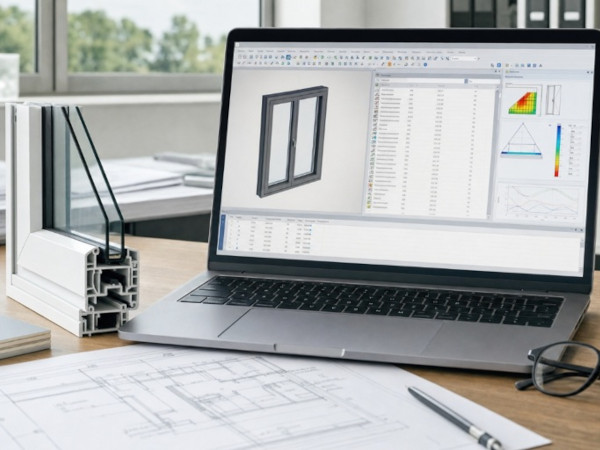
For instance, as flat glass represents 80% of the visible surface of a window, flat glass is essential to manufacturing a high performance window. The ad-hoc ‘environmentally sustainable’ entry must therefore encompass flat glass manufacturing to support technology advances and deployment in energy efficient windows.

As a matter of fact, the first selection of activities by the EC in the building, transport and solar sectors illustrates the strategic importance of flat glass manufacturing moving towards a carbon neutral Europe.
600450 Flat glass manufacturing to be considered an “environmentally sustainable activity” in the EC taxonomy context glassonweb.com

Others also read

The Glass and Glazing Federation (GGF) is encouraging businesses across the glass and glazing industry to begin preparing for the next phase of construction product reform, following the publication of its new guidance on PAS 2000:2026.
British Glass has confirmed its leadership team following the separation of British Glass and Glass Technology Services (GTS), marking a new chapter for the organisation as it continues to represent and support the UK glass industry.
An innovative photovoltaic façade project has been developed in the Netherlands, integrating high-performance glass with 5BB monocrystalline technology.
As construction product reform continues to develop, businesses across the glass and glazing industry will have to become increasingly familiar with technical documentation.
On 17 July, the European Commission adopted its proposal for the ETS reform. Glass for Europe is currently conducted a detailed assessment of the legislative proposal. The text below is the press release which was sent following the adoption.
EnduroShield was applied to 2,200 m² of glass at the University of Ottawa Faculty of Health Sciences Building, supporting low-maintenance performance and bird-friendly design goals.

Add new comment

From industry