
Date: 24 June 2026
The history of Eko-Okna is a fascinating journey from humble beginnings in 1998 to the status of a European giant in the joinery industry. The success of the company founded by Mateusz Kłosek is based on continuous innovation, independent production, and revolutionary logistics. Today, thanks to a technological partnership with HEGLA, the company sets new standards in automation and boldly looks to the future.
Brave New World
The 1990s are slowly fading into memory, and many young people have no chance of remembering them at all. For their parents, it was often a time of carefree prosperity- a symbolic end of history - but for the people of Central Europe, it was a period of great challenges, timid ambitions, and uncertain hope for a better tomorrow. It was on this hope, easing the shock of a painful systemic transformation, that Mateusz Kłosek built the foundations of Eko-Okna.
The first photos from the company’s history published on its website are black and white. Not because color photography was unavailable at the time - it was “only” 1998. Rather, Central Europe simply looked different then: gloomy cities with uneven sidewalks sank into omnipresent grayness, chaotically dotted with bursts of emerging entrepreneurship. In black-and-white images, this evokes nostalgia while softening the scale of the challenges society faced at the time.
Even in such photos, a trained eye can clearly notice the first strips of pristine white PVC profiles standing out - something every family aspired to back then. It was a difficult dream to fulfill, expensive, yet universal. Warm, airtight windows were almost an existential need, and meeting that need was something far greater than just a business idea.
Eko-Okna - Affordable Windows Tailored to Needs
The need was clear, and in response, Eko-Okna was founded, with its first production plant in Racibórz. It manufactured EKOnomic windows - an investment in warmth for years to come - becoming accessible to an increasing number of families each year.
The foundation of Mateusz Kłosek’s success was built on simple values: carefully executed work, honest advice, and genuine concern for the well-being of Polish families - first locally, then nationwide. Commitment to these principles resulted in a surge of orders, which, after just two years, enabled the opening of a second plant.
When Poland joined the European Union in 2004, the world suddenly became much smaller. By 2005, Eko-Okna had already become an international company, as families who once seemed far away had now become new neighbors.
A Signature Feature and a Springboard for Growth
A great idea is often recognized by how obvious it seems once expressed. That was the reaction of the entire industry when Eko-Okna made truckmounted forklifts - attached to the rear of trailers - the hallmark of its transport fleet.
Until then, the company’s direction had been defined by the needs of families. That did not change and never will, but in 2007, a second pillar of Eko-Okna’s strategy emerged: the needs of distributors. On-time delivery, delivery to a precise location, and immediate unloading - no one could compete with these advantages, so the rest of the market had no choice but to adapt.
The company needed a home tailored to its ambitions. It was built at record speed in nearby Pietrowice Wielkie / Kornice. One facility after another followed: Plant One, Two, Three, warehouses, and logistics centers. Each new plant meant new products and technologies, bringing the story full circle: having been built on replacing wooden windows with modern PVC, the company began offering top-quality wooden windows as well.
Today, Eko-Okna operates eight production plants in Kornice, facilities in Wodzisław Śląski and Kędzierzyn-Koźle, and even a sawmill in Chudoba.
Innovation as the Key to Continuous Growth
Mateusz Kłosek has never been one to shy away from responsibility. Eko-Okna naturally gravitated toward breaking new ground - and did just that. In Kornice, V-Perfect PVC profile welding technology was implemented on a mass scale for the first time in this part of the world - more aesthetic, but above all, more durable.
For expansion into foreign markets - now accounting for over 80% of the company’s revenue - a key moment was the launch of Plant 3, where insulating glass unit production began. This meant full control over every stage of window production, greater flexibility in customizing the offer, and shorter order fulfillment times.
This was one of those turning points that may not have been immediately visible externally but represented a true breakthrough internally. Employment grew rapidly - from a few thousand to over 14,000 employees at its peak. In a single quarter, Eko-Okna produces more PVC windows than its largest domestic competitors do in a year.
Meanwhile, steel joined aluminum, wood, and PVC in production. Sliding systems, garage doors, fencing, a wide range of window coverings, pergolas, and many other products were introduced.
Partnership with HEGLA – A Natural Step Forward
Recent years - marked by the pandemic and armed conflicts - have disrupted global supply chains. Despite this, a focus on key processes and innovation leaders allows Eko-Okna to look to the future with optimism.
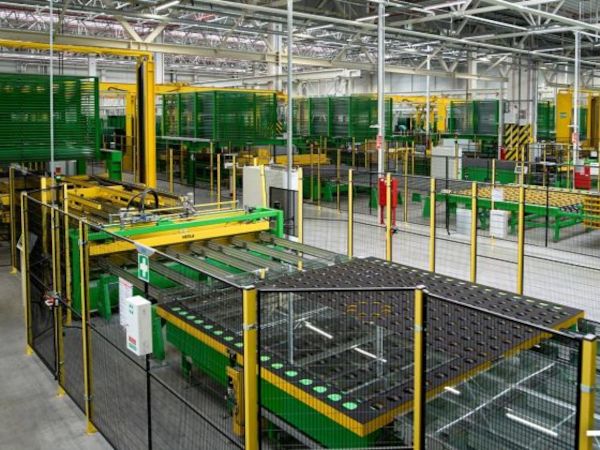
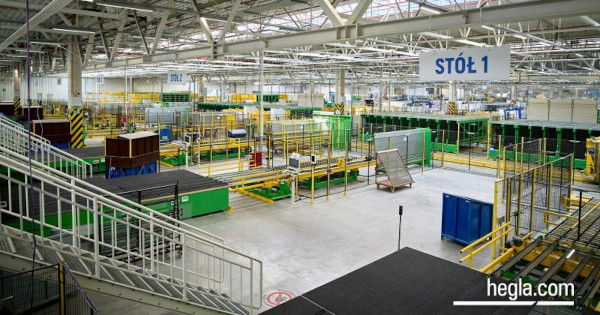
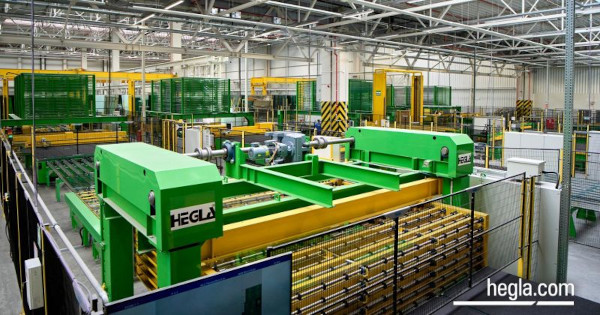
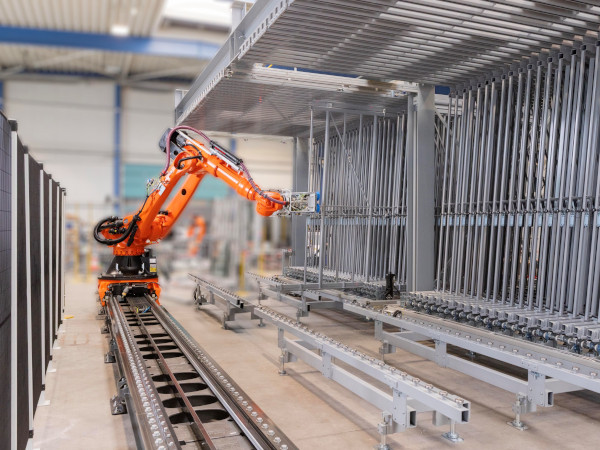
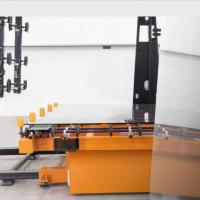
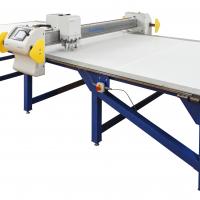
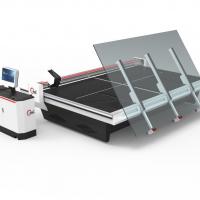
A key factor in customer satisfaction has proven to be advanced in-house glass processing. Plants 3 and 7 were quickly equipped with modern cutting lines and tempering furnaces, significantly increasing production speed and efficiency. When Kornice’s capacity was no longer sufficient, expanding into new facilities and strengthening the partnership with HEGLA became a natural step. Today, the plant in Wodzisław Śląski showcases cutting-edge technology - from storage systems to precision cutting tables.
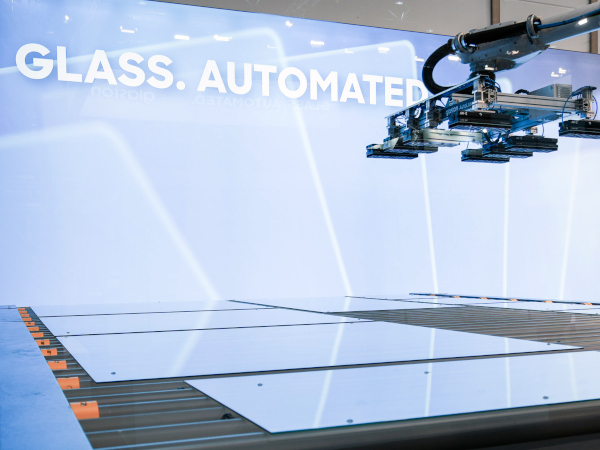
The synergy between Eko-Okna and HEGLA has delivered measurable benefits. Automated Gantry warehouses and Rapid Loader systems have dramatically accelerated operations, while Re-master systems have minimized material waste. With solutions such as laser marking (boraident) and advanced sorting, the insulating glass production line in Wodzisław is among the most modern in Europe.
The “dance of glass” in the new facility sets the direction for the entire company. Mateusz Kłosek’s ambition remains to provide solid, accessible solutions for families, while also emphasizing sustainability and delivering prestigious architectural projects that shape our surroundings.
 600450









Add new comment