
Date: 9 September 2026
In 2026, that distinction matters more than ever. Fabricators are navigating tariff pressure, unpredictable material costs, uncertain consumers, and a market outlook that is cautiously optimistic at best. With all of this uncertainty, a smaller fabricator that rushes into automation without the right foundation is not just wasting money. They are taking on real risk at exactly the wrong time.
Automation builds on what already exists in your operation. Whether that foundation is solid or shaky determines whether automation accelerates your business or amplifies its problems.
The Readiness Gap Is Real
According to Key Media & Research, smaller glass fabricators (each with 50 or fewer employees) make up close to half of the domestic fabricators in North America, yet account for a much smaller fraction of the total market in terms of sales. That gap speaks to the uphill climb many smaller shops face, and automation is one of the tools that can help close it. The important thing to understand, though, is that automation is not a shortcut. It is a multiplier. If your processes are efficient, automation makes them faster. If your processes are broken, automation makes the breaks harder to ignore.
So, before you call a software vendor or schedule a demo, take an honest look at three area: your data, processes, and people.
Your Data
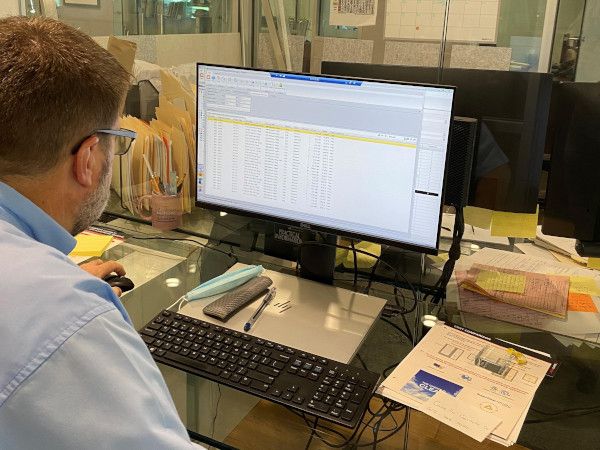
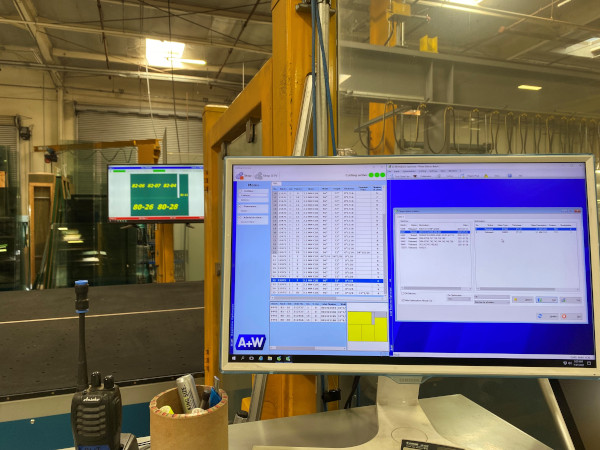
Can you pull a clean report of your open orders right now? Do you know your average production time per job, your yield rate, and/or your on-time delivery percentage? If that information lives in spreadsheets, sticky notes, or the memory of your most experienced employee, you have a data problem. Automation tools depend on clean, consistent, accessible data to function well. Without it, you are building on sand.
To get started, ask: where does our order data live, and how reliable is it? That answer will tell you more about your automation readiness than any vendor conversation will.
Your Processes
Can you describe your workflow from order entry to delivery without contradicting yourself? Walk it out loud with your team. If you find yourself saying “well, it depends” more than a few times, that is a signal. Automation codifies what you do. Therefore, ambiguity in your process becomes an expensive problem once software is involved.
This does not mean your process needs to be perfect before you invest in software. However, it does mean you need to understand your processes well enough to improve it intentionally, not accidentally.
Your People
Do your employees know why automation is being considered? Do they see it as a threat or a tool? The companies that struggle most with new software implementations are rarely held back by technology. They are usually held back by a team that was not brought along in the decision-making process.
Change is hard, and it is harder when it feels like something being done to people rather than with them. Take the time to involve key employees early. Their buy-in is not optional, it is part of your readiness.
Start the Conversation
If you have worked through these three areas honestly, you are further ahead than most. That work does not have to end with a list of things to fix on your own. It can, and should, be the starting point for a conversation with a software provider.
A good software partner will not pressure you into a solution you are not ready for. They will ask the same kinds of questions you just asked yourself, all while helping you understand where the gaps are and what a realistic path forward looks like. Whether you are six months away from being ready or closer than you think, that conversation costs you nothing and can save you a great deal.
Start small if you need to, whether that is order entry, cutting optimization, or delivery dispatch. Build from there. The fabricators who get the most out of automation are not always the ones with the biggest budgets. They are the ones who did the homework first.
So, before your next software conversation, ask yourself one question: if we automated our operation today, would it accelerate what we are doing well, or would it expose what we have been ignoring?
That answer is your starting point. And if you are ready to take the next step, a software provider worth talking to will meet you right there.
 600450
















Add new comment