Others also read
| A recent study by BV Glas and Stuttgart University outlines three pathways to achieve climate neutrality in the glass industry by 2045.
| ‘glass technology live’ will showcase a promising new development along with many other innovations.
| In this paper we focus on automotive applications and describe the tests we performed to find the limits of ultrathin glass in handling and within tests simulating stress expected in the field.
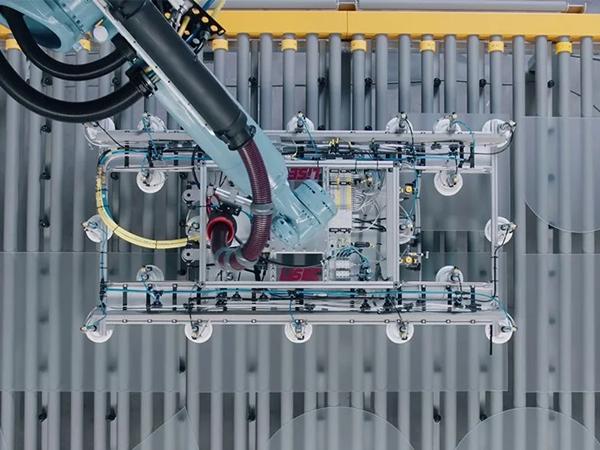
| Robots are finding their way into the flat glass industry, improving not only process reliability but also product quality. But where exactly are they being used and what specific advantages do they offer?
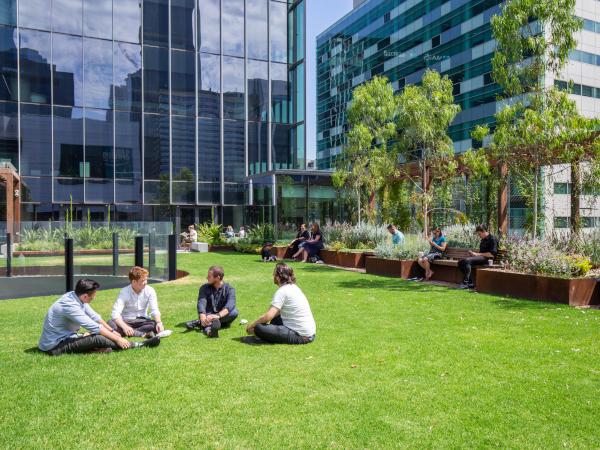
| The approaches proposed by planners and architects for adapting to climate change will be discussed at glasstec 2024 (22-25 October, Düsseldorf) at its Architecture Forum.
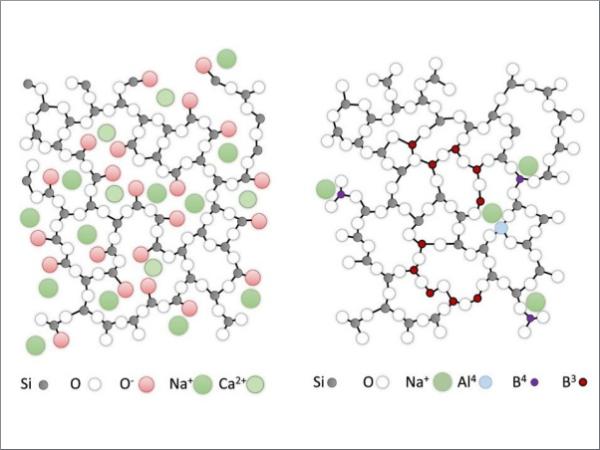
| Within the large material class “glass”, different types have the amorphous structure as well as the time-dependent glass transformation behavior in common.
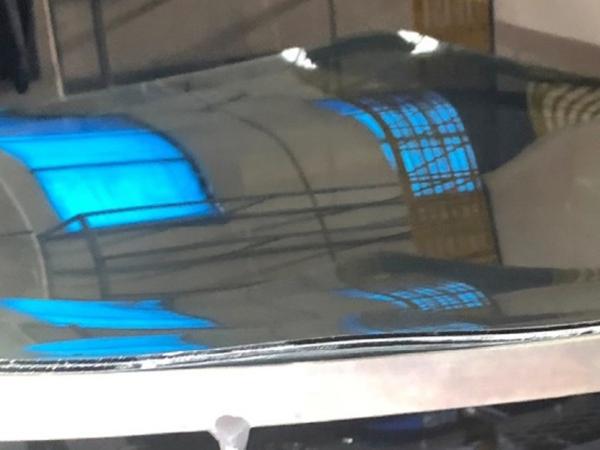
| In this study, the profound reasons behind the main benefits of glass preheating by increased convection in automotive windshields (WS)/ sunroof (SR) production are opened.
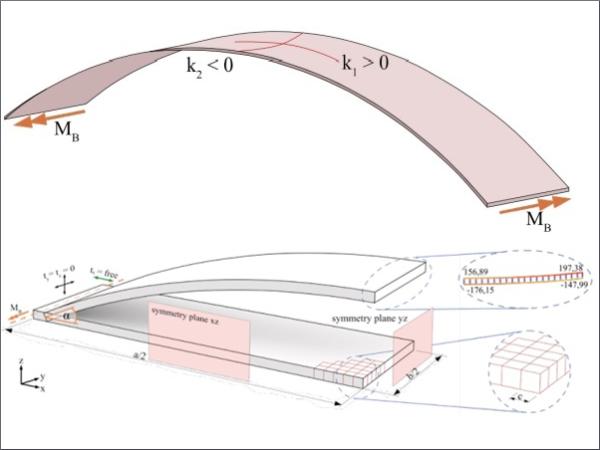
| This paper investigates the influence of Possion´s Effect on the accuracy and applicability of the used linear elastic Euler-Bernoulli beam theory for the determination of the tensile bending strength of thin glass.
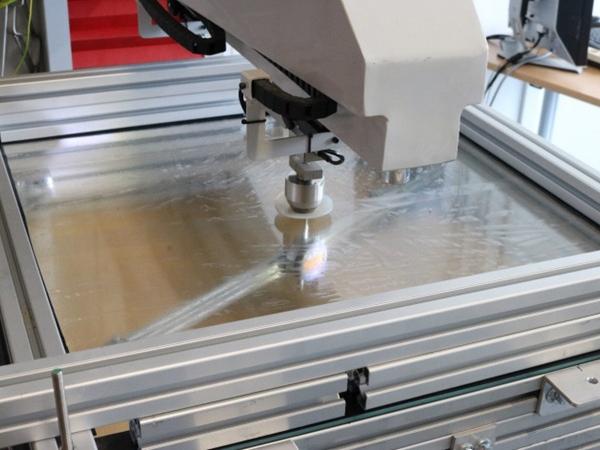
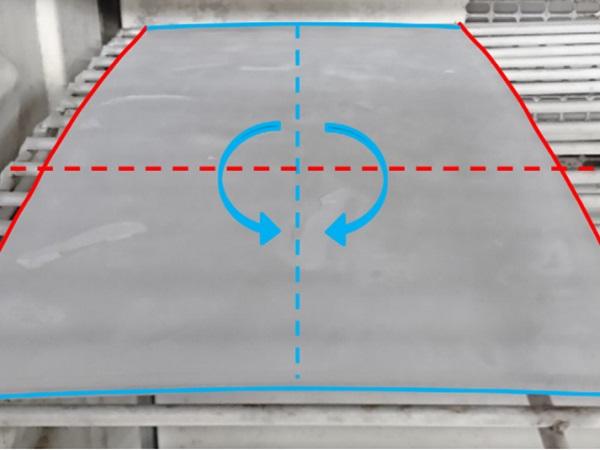
| A novel approach to generate a flat plate with enhanced stiffness has been identified. This approach is scalable, offering the potential for improved stiffness for both large-format glass and thin, chemically tempered glass.


Unlocking energy efficiency potential: vacuum-insulated glazing for sustainable buildings - Glastory
| Read more about Antti Aronen's presentation at Glass Performance Days (GPD) 2023, "An enhanced model of thermomechanical loading on a Vacuum Insulated Glazing".

| In the new Glastory post by Matthias Loppacher, we explore the evolving landscape of automotive glazing and display processing – and discuss strategies for keeping up with the changes.
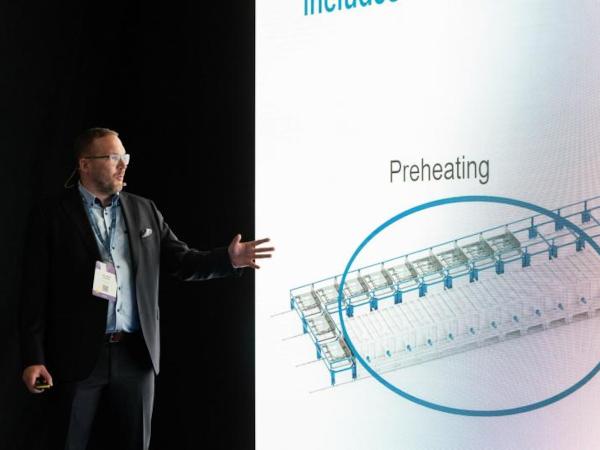
| In the latest Glastory blog post, Antti Aronen introduces how the complexity of automotive windshields and sunroofs has significantly increased with evolving modern car designs.

| Christoph Timm, Principal at SOM New York, shared insights on decarbonizing the built environment and the evolving landscape of sustainable construction.
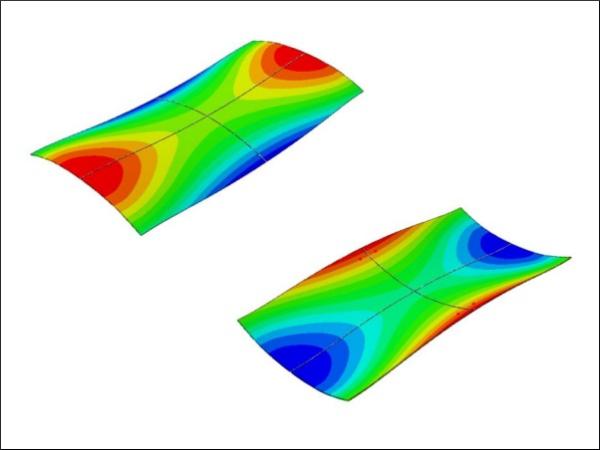
| This study provides important design guidance to the Photovoltaic (PV) solar panel development efforts using the finite element based computations of the PV module under the mechanical loadings.
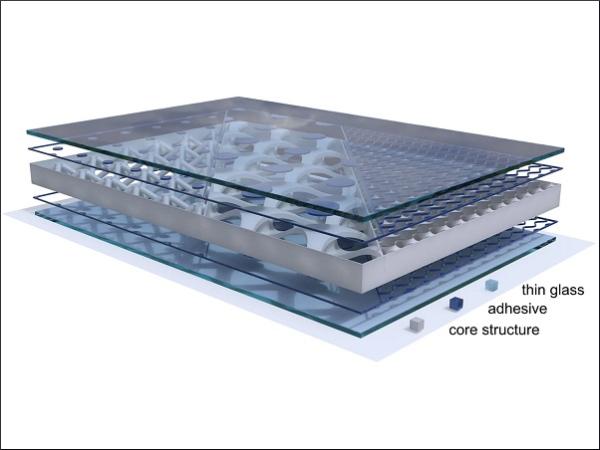
| The current paper explores how digital techniques can be used in the design and manufacturing of an innovative composite façade panel consisting of an additively manufactured polymer core and adhesively bonded thin glass outer sheets.

| In his blogs, Luc Moeyersons covered various subjects related to laminated glass, whether it is automotive, architectural, or photovoltaic.
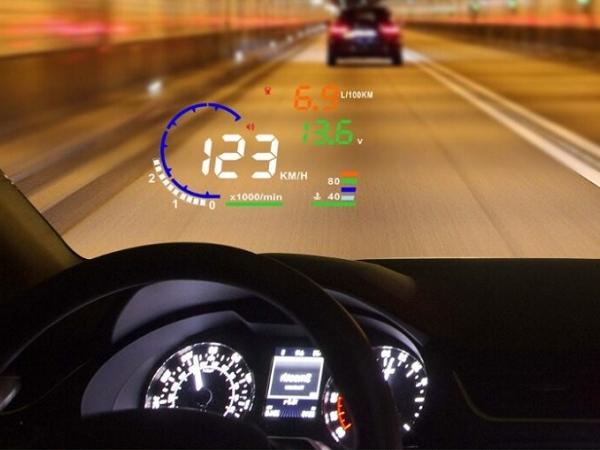
| Automotive Glass Laminating Guide – Part 6
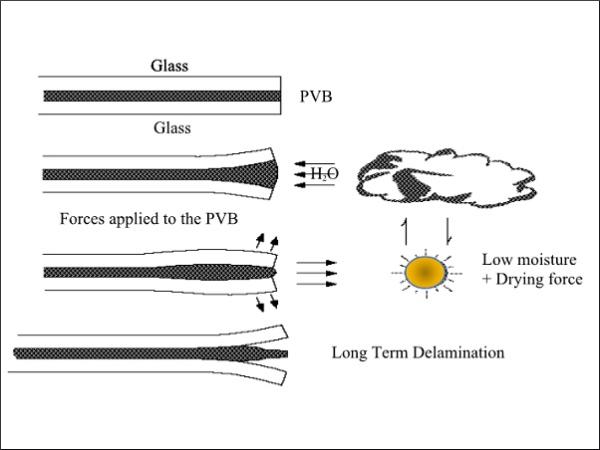
| Automotive Glass Laminating Guide – Part 5
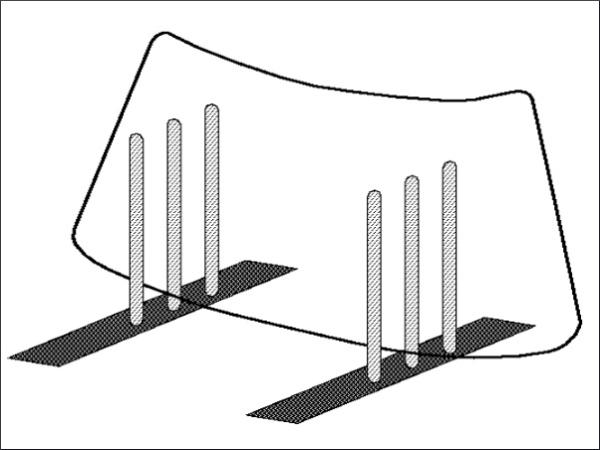
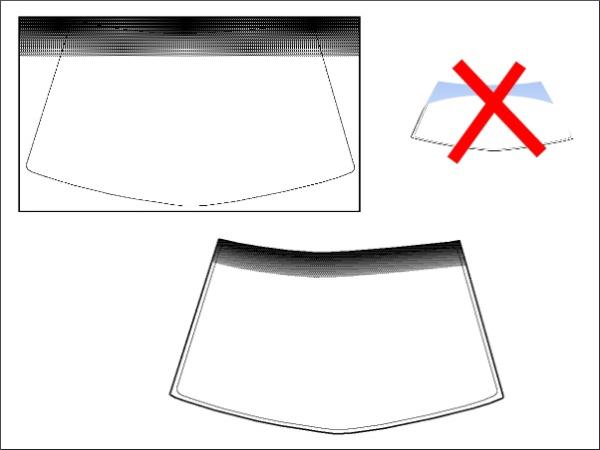
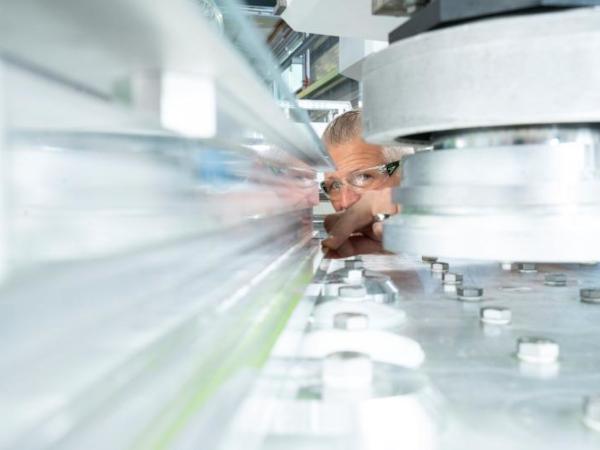
| In the latest Glastory blog, Jukka Immonen shares some practical tips for optimizing energy consumption in automotive glass production. From preprocessing to final inspection, there is huge potential every step of the way.
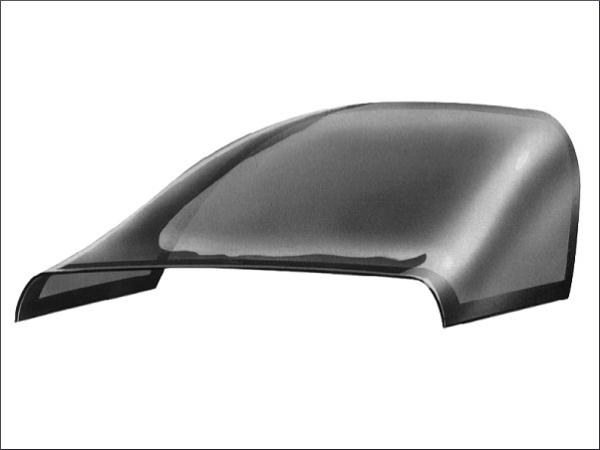

| The history and benefits of laminated glass.