
Date: 17 March 2026
Although recycling architectural glazing can save significant amounts of energy in float glass production, large volumes still end up in landfill. A pilot project led by Zurich University of Applied Sciences (ZHAW), with the involvement of Glas Trösch, has now demonstrated that the recycling of decommissioned windows is technically feasible. In addition, the project generated important insights on the path towards a closed-loop recycling chain.
From 375 windows to several tonnes of raw material
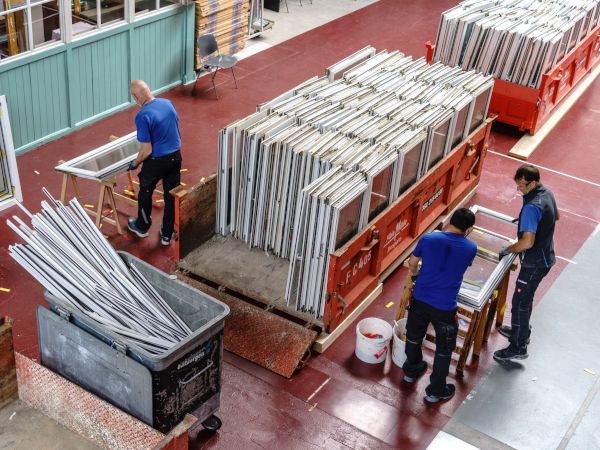
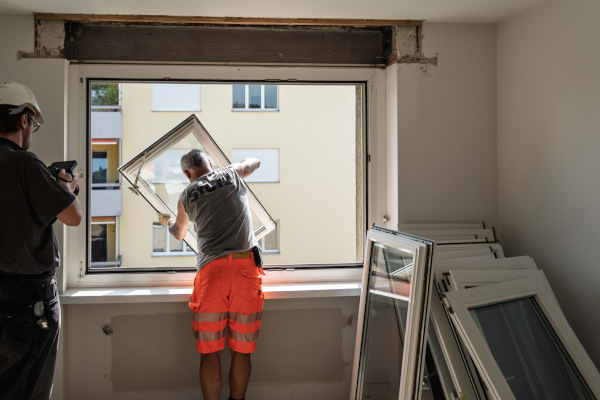
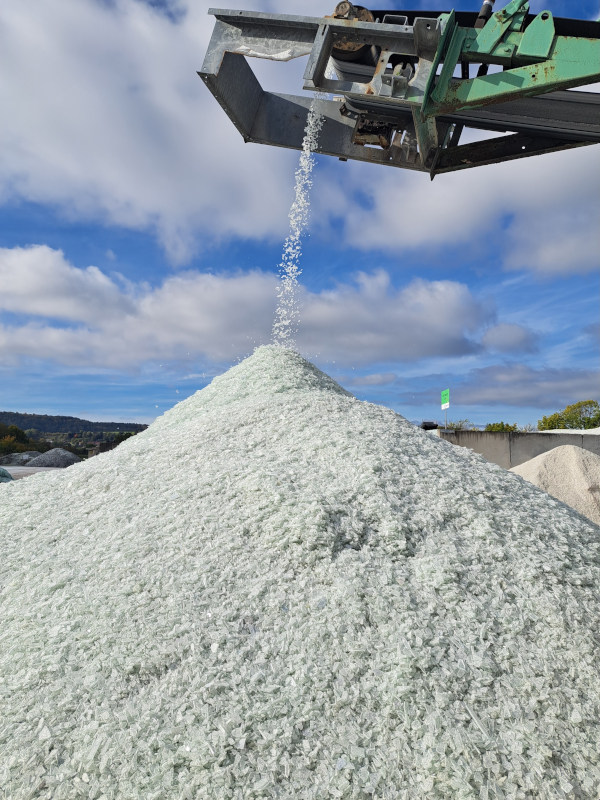
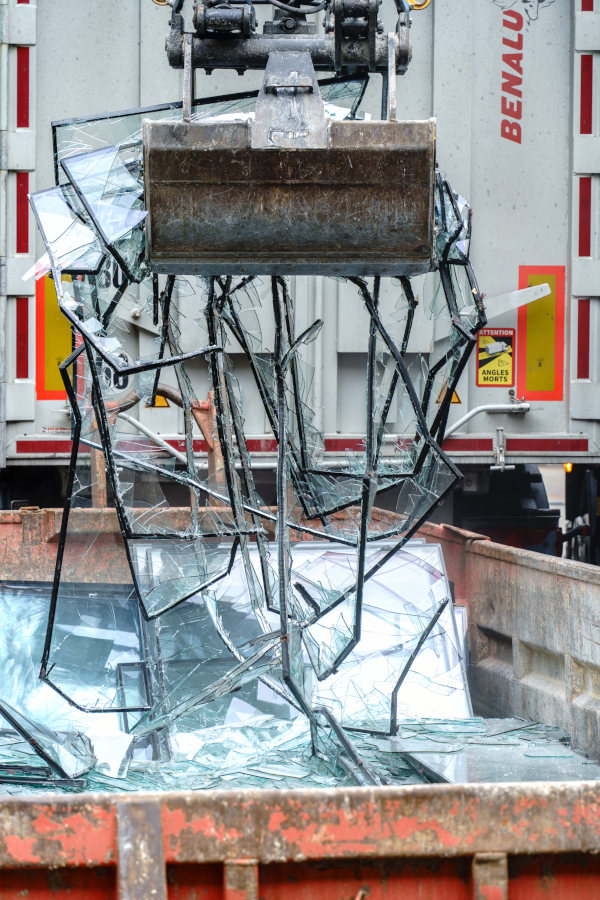
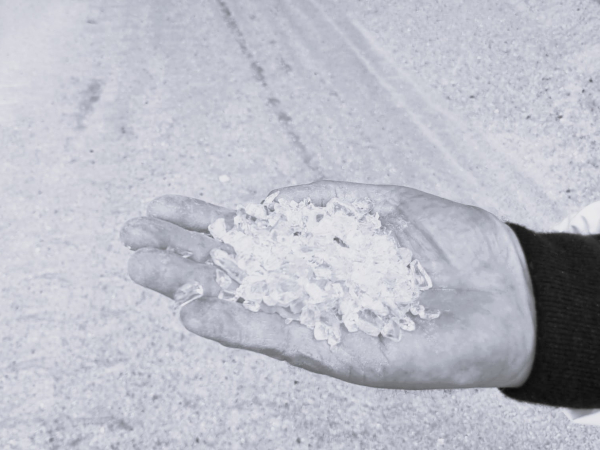
Launched in mid-2025 under the project name Windows of Opportunities, the initiative involved the removal of a total of 375 window sashes from a residential building in Winterthur. Following dismantling, the elements were transported to a nearby Glas Trösch facility. There, installers carefully separated the insulating glass units from the PVC frames, which were also sent for recycling. In the next step, a specialised recycling company took over the crushing and cleaning of the glass cullet. As the purity of the cullet is critical for float glass quality, the material was analysed at the final stage and approved. Just a few weeks after dismantling, more than 2.6 tonnes of recycled glass were fed into the melting furnace at a nearby float glass plant operated by the Glas Trösch Group. In total, 1.33 tonnes of CO₂ equivalents were saved.
For the first time in Switzerland, the pilot project documents the entire recycling chain for post-consumer insulating glass, all the way to its reintroduction into float glass production. The practical trial on a real demolition project demonstrates that all process steps, from dismantling, storage, separation and glass sorting to frame recycling, cleaning and remelting, are technically feasible under current conditions, provided that the quality requirements regarding cullet purity are strictly met. As many of the steps were carried out manually, the process was relatively time-consuming. Accordingly, there is significant potential to further optimise the recycling chain.
Positive assessment from all project partners
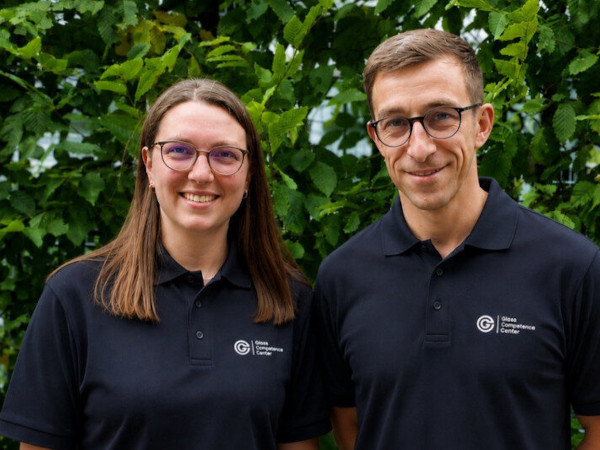
‘Flat glass recycling is still in its infancy,’ says Michelle Schneider, project manager and research associate at the Institute for Constructive Design at ZHAW. ‘That’s why it was so important for the pilot project to show that recycling is feasible with a modest additional effort.’ Lars Zimmerli, a member of the Group Management at Glas Trösch, adds: ‘The experience gained makes it easier for all those involved to assess how the recycling process can be organised in a way that is not only technically and logistically sound, but also economically viable.’
 600450







Add new comment