Date: 27 May 2026
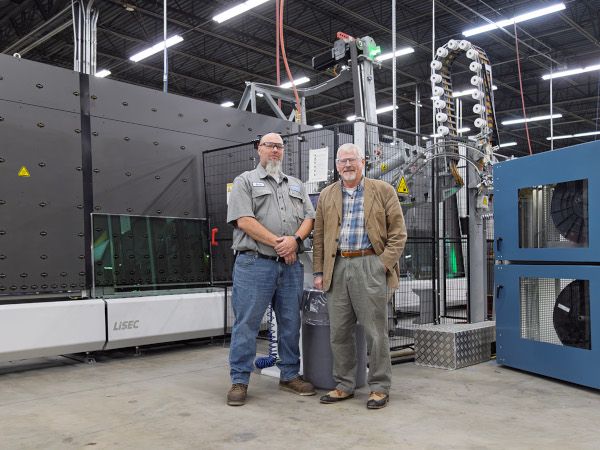
Many people associate Salt Lake City firstly with the Great Salt Lake, the proximity to the Wasatch Mountains and maybe the Winter Olympic Games. In addition, the city is also home to a long-standing production company in the glass industry: AMSCO is headquartered in Salt Lake City (Utah) and has invested in two high-speed insulating glass lines from LiSEC.
From a family business to a leading vinyl window manufacturer
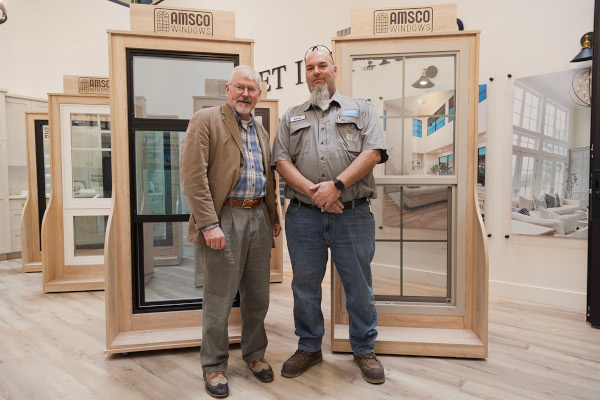
AMSCO’s success story started in 1949 when Phil Rasmussen founded the company. What started as production for window solutions back then developed continuously over the course of decades – always with the desire to adapt to market requirements and not to leave quality to chance. An important step was the changeover to vinyl windows in the late 1980s: This strategic decision proved to be trailblazing and has made vinyl the company’s key production focus to this day. Nowadays, AMSCO has around 500 employees in multi-shift operation and produces over a large production surface area – and the growth continues: An additional factory of around 9,500 square metres is being developed to expand capacities and enable new possibilities.
Attention to detail as the company principle
What sets AMSCO apart is an attitude that you feel immediately every day: It’s the details that count. Whether it’s product quality, organised processes or smooth handling – AMSCO does not think in “approximately” but in recurring precision. It’s exactly this attention to detail that was the common denominator when LiSEC came into play: At LiSEC, it’s also not one single feature that decides success but rather the interaction between many well thought-out details that provide stability in day to day work.
Cooperation with LiSEC: Quality, efficient implementation, expertise transfer as success factors
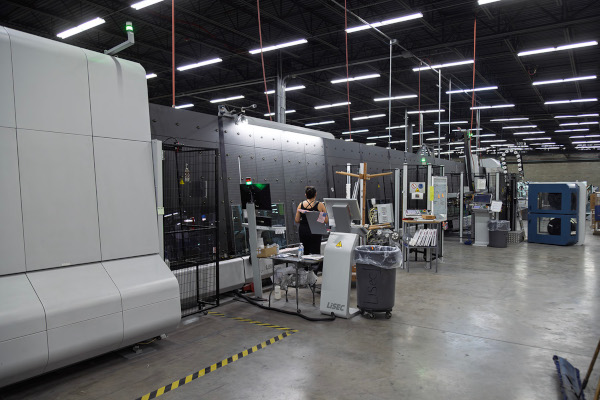
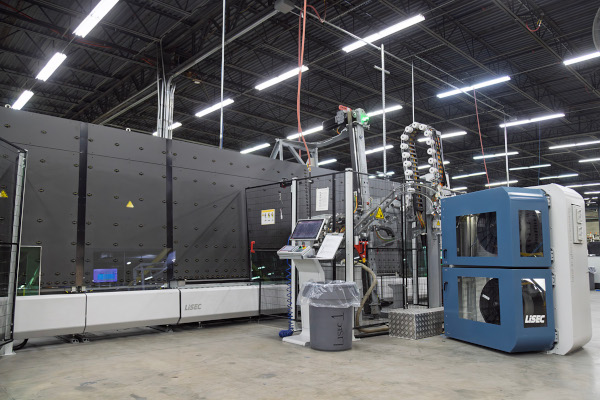
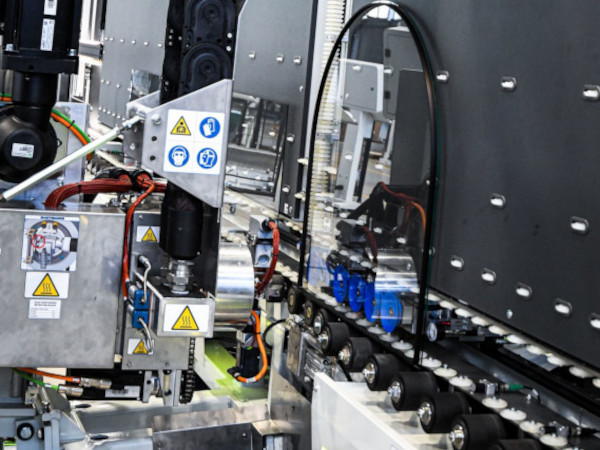
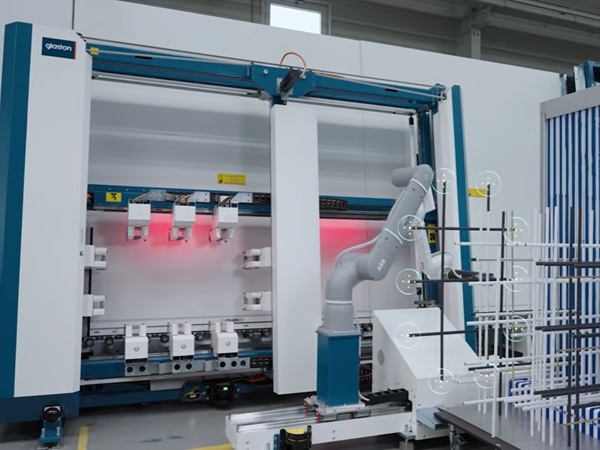
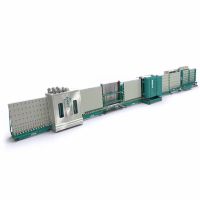
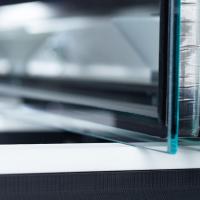
The cooperation started at a trade fair in Las Vegas. That’s where AMSCO first got to know LiSEC machine and software solutions – they then decided to invest in two Velocity lines. It was the versatility of this high-speed insulating glass line for processing super spacers and fixed spacers that impressed: The possibility of producing complex shapes and triple insulating glass units opened up new perspectives. The speed of the machines and the highly developed technology for sealing, which provides the highest quality at maximum performance thanks to a modern dosing system also played their part. Furthermore, the corner shaping system that provides the hot-melt sealant with an aesthetically perfect design in the corner area is another highlight.
With the implemented LiSEC solution, it was not about AMSCO producing more but better—more with stability and better planning ability—and therefore ensuring that quality remains reproducible even if quantities increase. The production line already fully met expectations after just a short familiarisation phase. The team quickly got to know the machines and how to optimise production – and productivity increased.
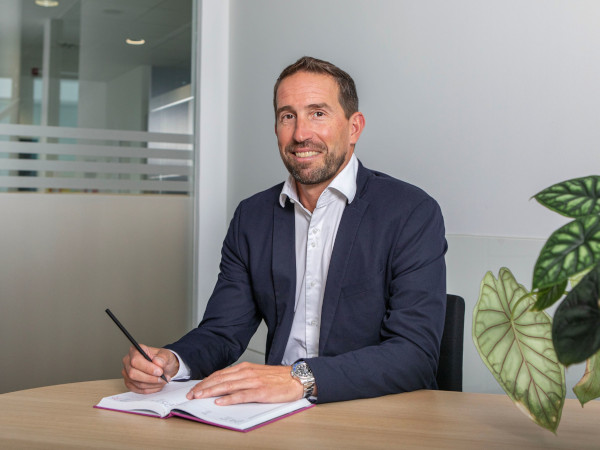
An important part of the success was implementation right down to the last detail: Installation and training were efficient and cooperative, aided by open, solution-oriented communication between AMSCO and the LiSEC technicians. Smaller matters were also able to be clarified quickly. Chris Jonely, Equipment Specialist at AMSCO also positively highlighted the technical documentation, the visualisation on the machines and the quality of the instruction manuals, which noticeably eased internal familiarisation. If there were more complex questions, the conversations with the team in Austria were an important building block for coming up with solutions quickly and smoothly. Training in Austria helped to bring operation and process understanding to a good level quickly.
In daily operation, it was not just the capability but also the future-proofing that showed itself: The option to be able to react flexibly to market requirements such as triple glazing provides AMSCO with room for growth.
Strategic development based on joint quality standards
While AMSCO continues to mainly focus on the western US market, the strategic focus remains clear: Vinyl will remain the core business while the new hall provides space to increasingly get into aluminium – such as with innovative sliding door concepts that open up new architectural possibilities with their large panels that slide into each other.
That’s how cooperation becomes a success story that is underpinned by a common attitude: If two companies don’t just consider the details to be a minor matter but as a place in which quality is formed, technology becomes a competitive advantage – and from productivity comes reliability.
 600450









Add new comment