Date: 29 July 2026
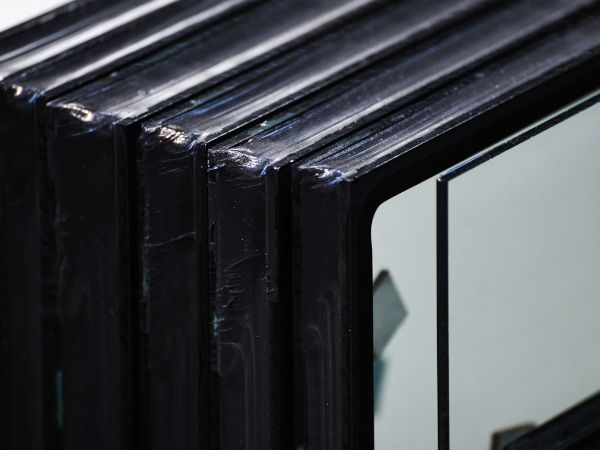
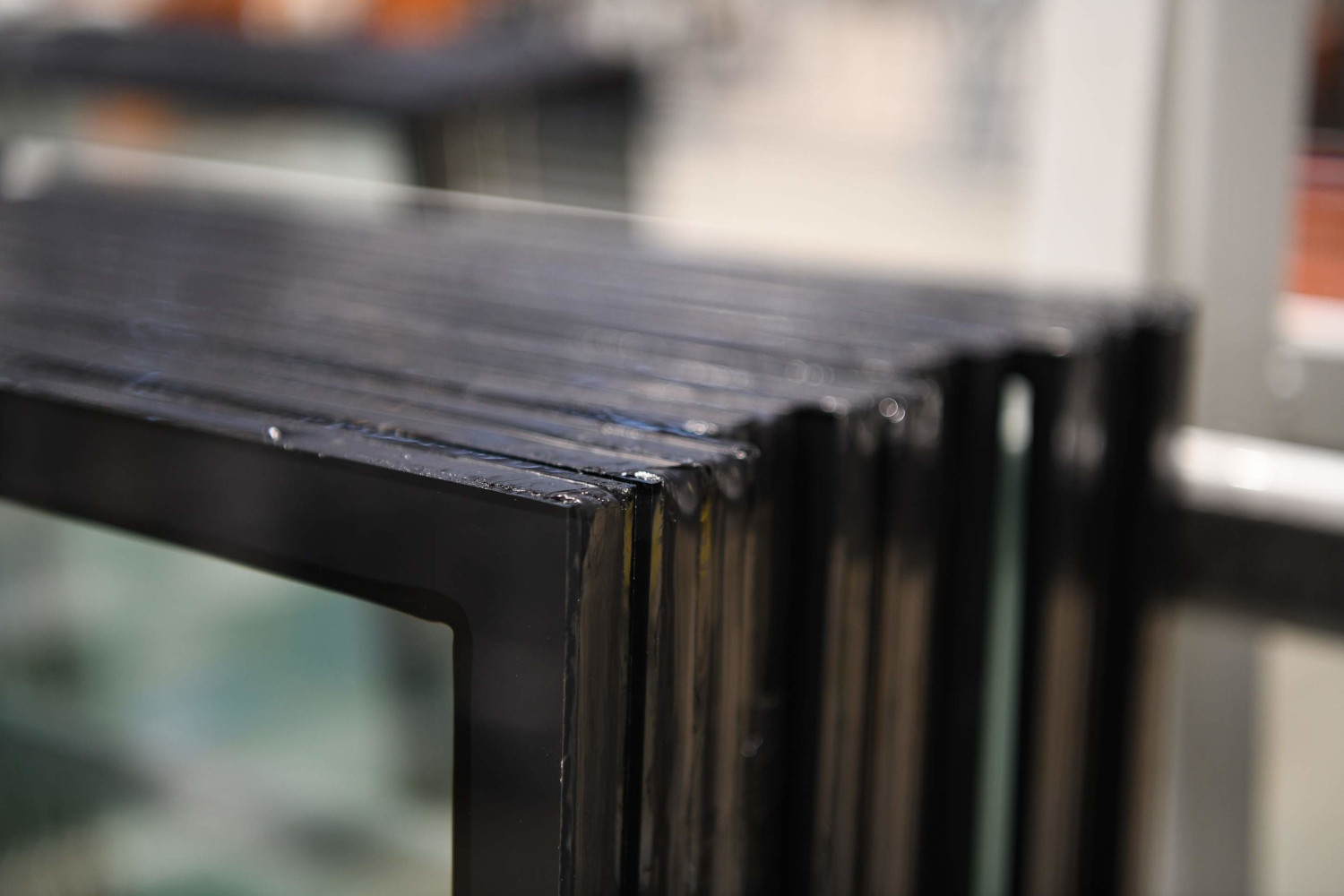
In insulating glass production, panel performance depends to a critical degree on the precision with which the perimeter sealing system is manufactured. Airtightness is not the result of a single process, but of a sequence of interconnected stages, each of which contributes to the overall integrity of the panel: upstream glass preparation, spacer application, gas filling, precision coupling, pressing and sealing.
Rigid Spacer Preparation
The spacer plays a fundamental role in ensuring the airtightness of an insulating glass unit. The different types available fulfil this function through distinct technical approaches.
- Rigid metal spacers.The metallic materials commonly used (aluminium or steel) act as a barrier against gas permeation and moisture ingress. For this reason, it is essential to minimise the joints in the metal: if the frame is produced by bending the corners, avoiding the use of costly corner keys, invariably the critical weak points for the seal are mitigated.
Bending operations must, however, be performed with the utmost accuracy: in addition to preserving the material integrity and shape of the outer sides of the corners, they must also ensure an optimal surface for the application of the primary PIB seal.
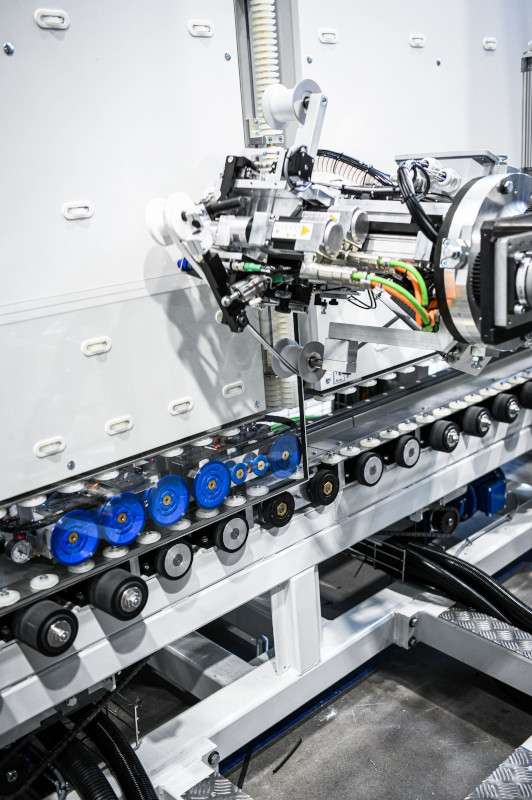
The Forel bending system for spacer frame production ensures corners with a wide lateral surface for butyl application and tight tolerances on spacer width, preventing corner distortion that could compromise butyl adhesion and uniform pressing during the assembly stages. - Rigid plastic spacers.Whether they require thermal bending or can be bent cold, gas tightness is generally assured by thin metallic films. Therefore, bending operations must preserve the integrity of these films across the entire perimeter of the frame. The same considerations described for metal spacers apply here.
Glass Preparation
The process begins with washing and drying the individual glass pieces. Forel vertical glass washers incorporate advanced systems to ensure thorough cleaning of the glass surfaces prior to downstream processes.
When working with low-emissivity glass, complete removal of the coating along the peripheral edge is an essential step. Residues of the metallic oxides that make up the coating can, over time, trigger oxidation, leading to a darkened appearance or discoloured areas within the insulating glass unit. The interaction between the metallic coating and the sealants can also compromise adhesion. Forel coating remover machines precisely prepare the intended surface for spacer frame and sealant application, contributing and ensuring the correct sealing of the panel.
Spacer Application
The spacer must be applied with exacting precision, following the geometry of the panel. Forel lines can be configured to process rigid, flexible, thermoplastic or a combination of profiles, adapting to the various and different production requirements.
In the case of flexible spacers, a category that includes both profiles supplied in coiled form (with or without pre-applied primary sealant) and thermoplastic spacers supplied in drums, particular attention must be applied to the final junction between the start and the finish point of the profile as it is applied to the glass.
Forel solutions, which are subject to specific patents, ensure no gas leakage or moisture ingress at this critical point and enable the production of insulating glass units to the highest quality standard and reliability, especially in cases where the application of a secondary sealant is not required.
Assembly and Pressing
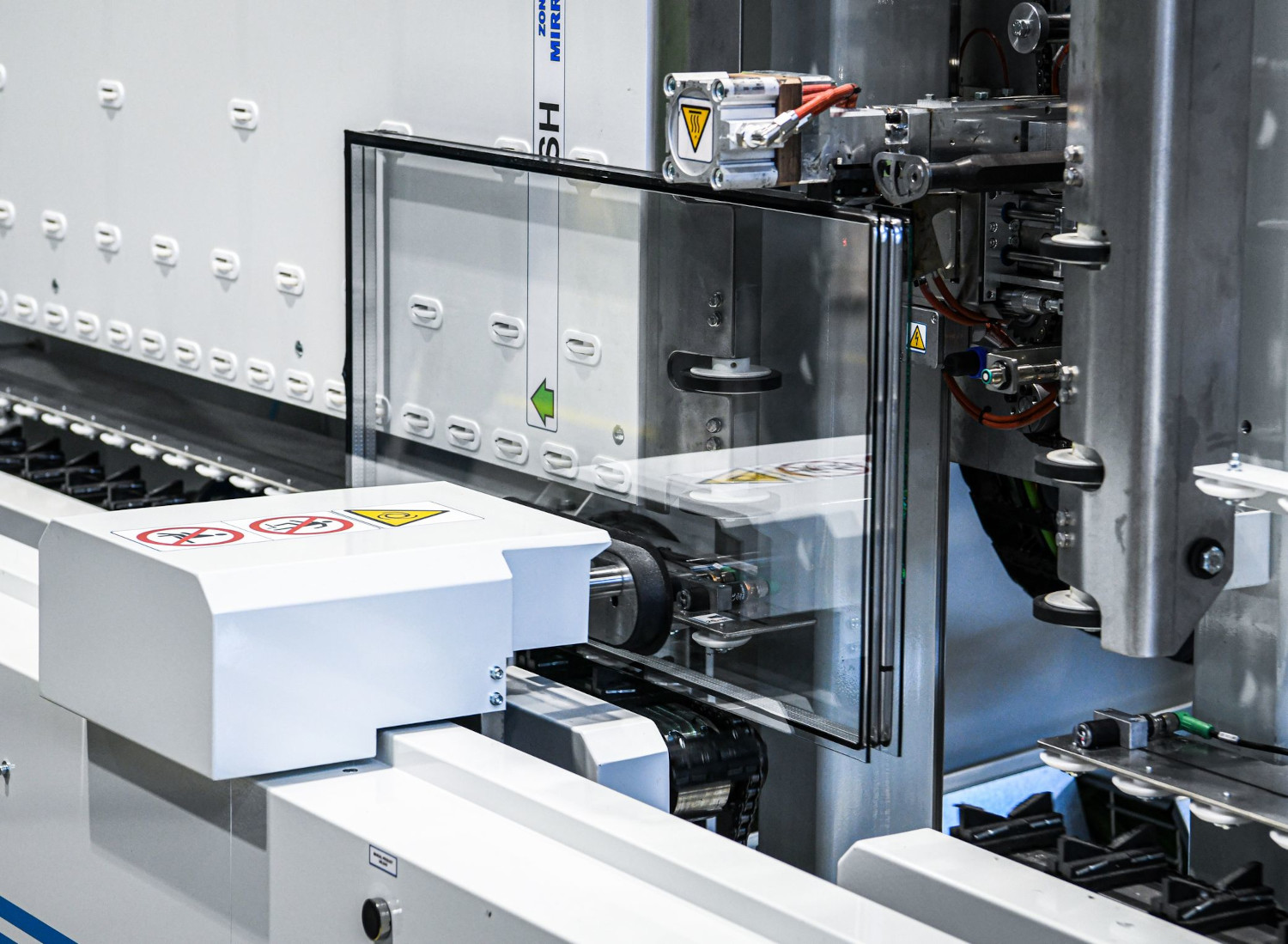
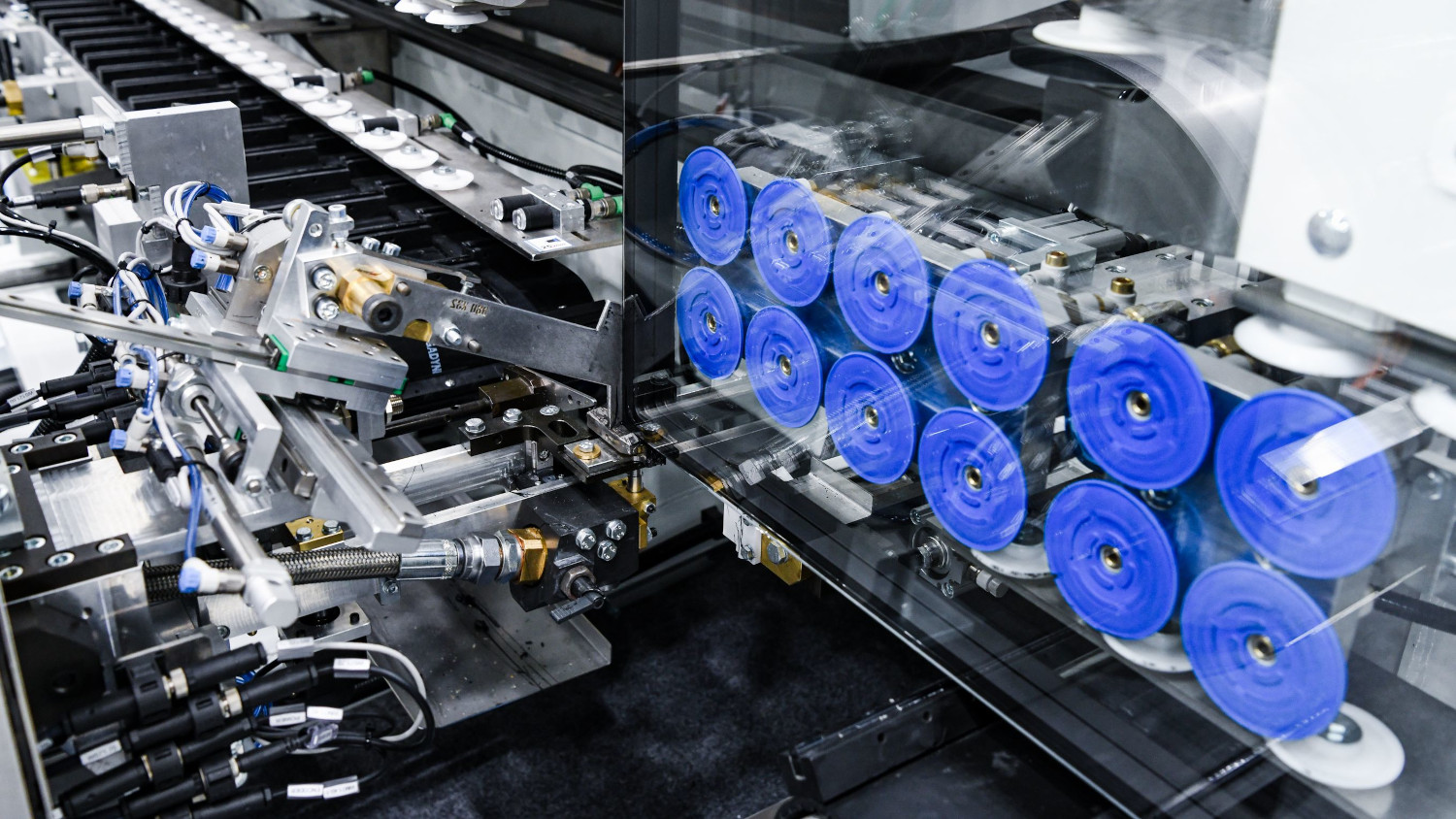
Assembly is a decisive stage in ensuring the uniform adhesion to the primary seal of the spacer and glass. Physical parameters such as glass positioning, closing speed and pressing time have a direct impact on the final result.
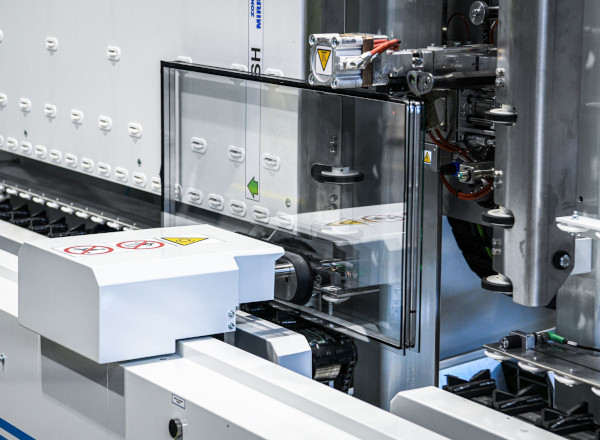
Forel machines, through digital servo-controlled movements, measure the dimensions and thickness of each individual glass pane and spacer, calculating the required gas volume and ensuring uniform pressing across the entire panel perimeter.
All presses are tested prior to delivery, and operating parameters are defined according to the specific requirements of each customer. The ability to store customised parameter sets simplifies machine management during production, ensuring consistent performance and uniform finished product quality.
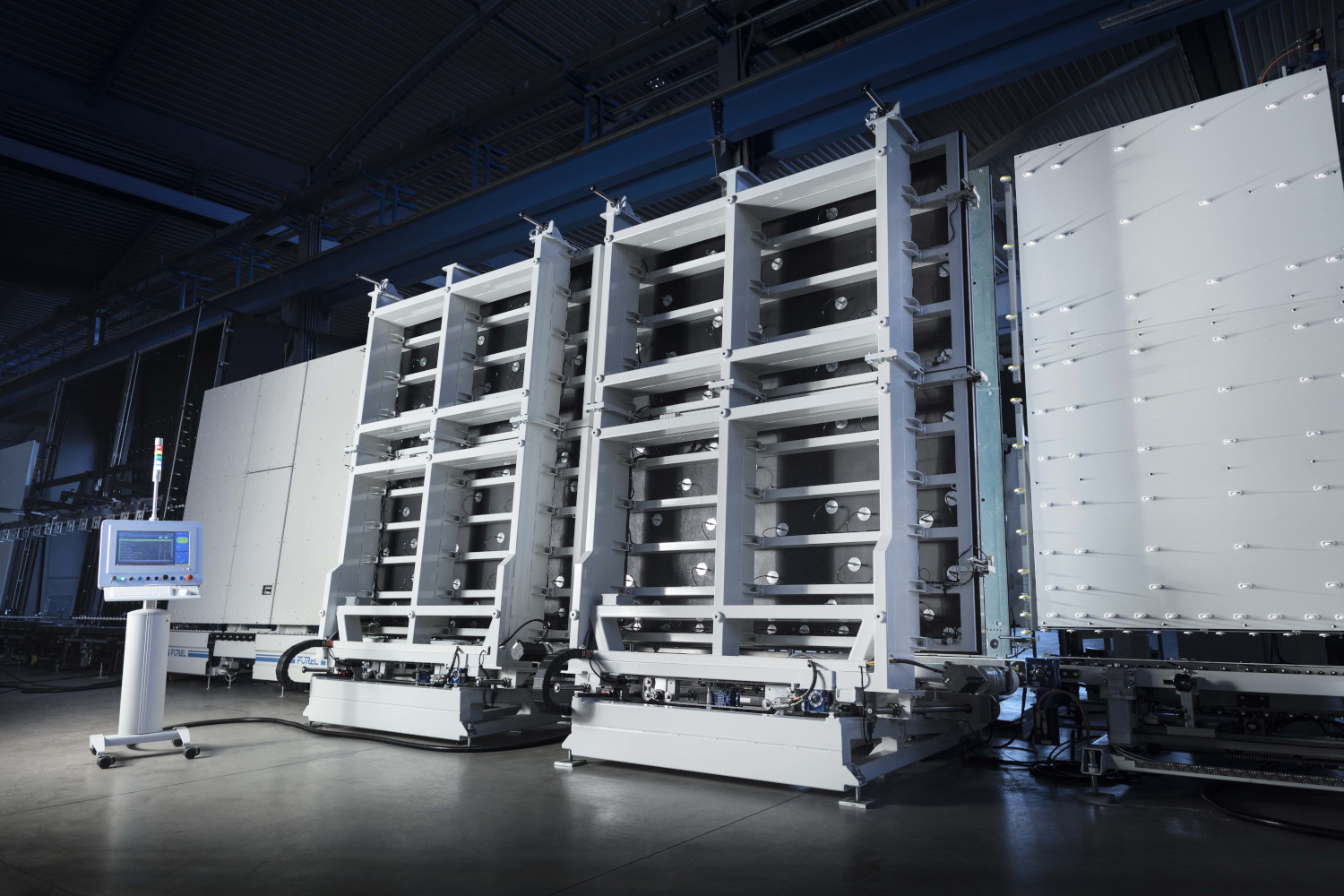
When processing thermoplastic spacers, the Forel Buffer system allows for the freshly extruded thermoplastic profile to consolidate and stabilise before pressing. The associated spacer alignment station also makes it possible to handle profiles exceeding 20 mm, reducing the risk of deformation.
Continuous and Controlled Sealing
Sealing is the final stage of the insulating glass production process. Forel automatic sealing modules feature a continuous volumetric dosing system, designed to apply the material constantly and consistently along the cavity perimeter of the panel.
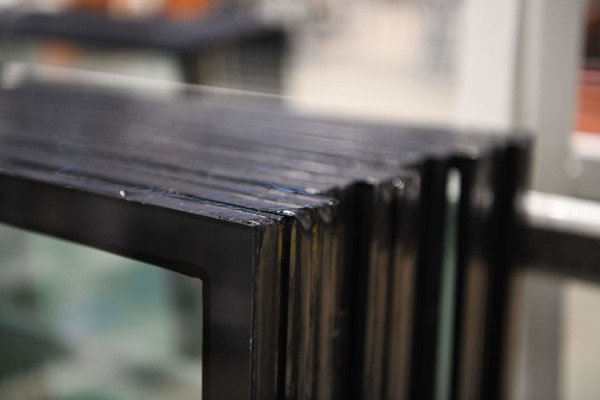
Dedicated sensors detect the depth of the cavity to be sealed and precisely regulate the amount of material extruded, ensuring reliable performance even when processing double, triple, quadruple, stepped and or oversized glass units.
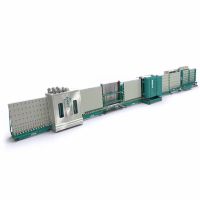
Forel Insulating Glass Lines: Integrated Process Control
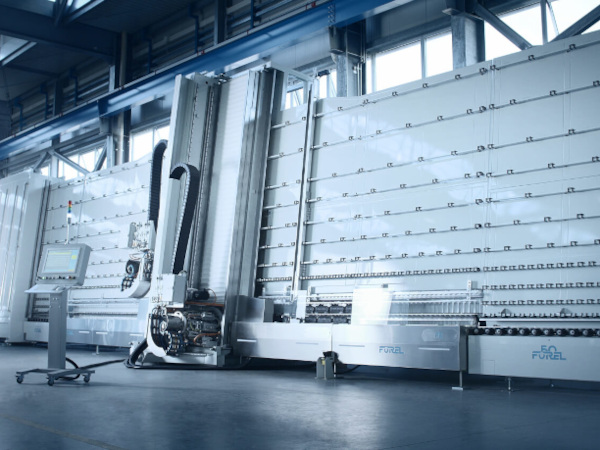
Airtight Insulated glass units are born from the continuity and precision of the entire production process. It is in this holistic vision that Forel technology expresses its true value: not just through a single machine, but through the integration and coordinated control of every stage that affects the final outcome.
From edge preparation to spacer application, from gas filling to pressing through to sealant dosing and application, every step is precision managed with connected automation for a coherent workflow.
This approach makes it possible to reduce process variability, maintain consistent operating parameters and create the ideal conditions for producing insulating glass panels that are accurate, reliable and repeatable over time.
Would you like to improve control over the stages critical for airtight insulating glass units? Discover Forel lines and contact the team to develop the configuration best suited to your needs and glass processing facility.

 600450









Add new comment