

Date: 17 July 2020
COVID-19 Labor, HR & Paid Leave
The National Glass Association (NGA) fully understands urgent times require urgent action. NGA members across the glass and glazing supply chain are doing everything they can to safeguard their workforce, customers and their businesses in the face of the Covid-19 pandemic.
Some localities and even states are requiring “non-life-sustaining” businesses to close. The glass and glazing industry produces and installs building materials essential to human health, safety and security across all building types, including defense and public safety projects serving the U.S. public interest.
Fabricated float glass can be used to mitigate spread of infectious diseases in many built environment applications, as shown in this YouTube PSA by Mel Brooks and his son Max, separated by a glass wall. Safety glazing and fire-safety glazing are among many specialty fabricated glass products produced by our industry, required by our building codes in hospitals, medical centers, K-12 educational, college dormitories and senior citizen residences.
Staying operational is especially critical for float glass production. Closing these factories will result in a catastrophic operational break that will cause major and costly disruptions, not only for the individual plants, but for the entire industry. Here’s why:
- Float glass is produced through a continuous process –in other words, non-stop, 24 hours a day,365 days a year.
- Raw materials are melted to form a ribbon of molten glass that is gradually cooled over a linestretching a quarter mile. This video shows how the process works.
- A typical furnace is not shut down for 15-20 years until a rebuild is needed.
- Restarting a furnace after an abrupt shut-down is a minimum $60 million investment and a year-long process.
- An unplanned shut down will not allow for the advance ordering and staging of materials thathave very long lead times and are specific to each plant.
- It is unlikely that these operations would restart should an abrupt shutdown be forced.
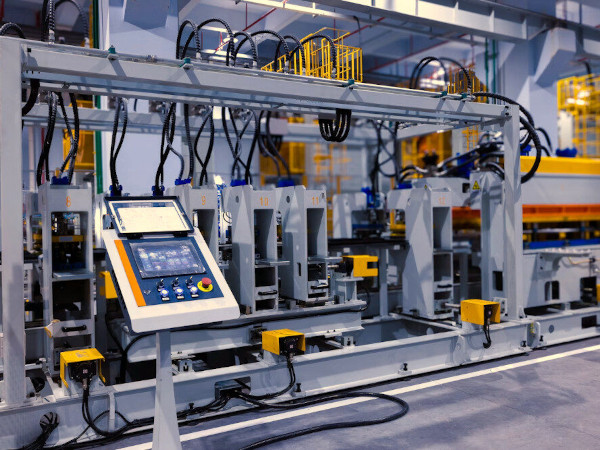
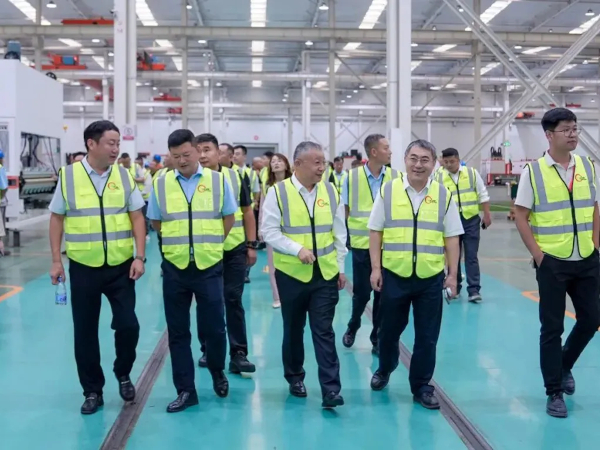
Float lines are highly automated; line workers wear protective equipment and routinely work six feet apart due to the nature of the work and size of the factories.
The NGA fully supports all government actions in this crisis and doing everything possible to mitigate loss of life and suffering. NGA is working hard to help our members and the industry at large to comply with all CDC and other government mandates to stem the crisis and flatten the curve.
With great respect,
Nicole Harris
President & CEO
National Glass Association
 600450










Add new comment