Photo source
glassforeurope.com
Date: 18 November 2021
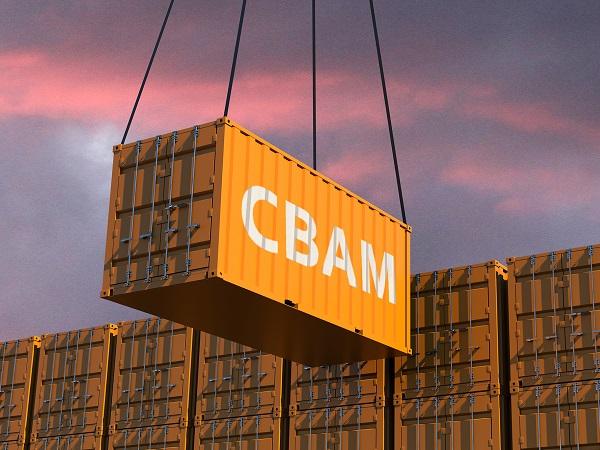
The CBAM shall be versatile, free from dangerous loopholes, and able to preserve complex EU-based value-chains.
Well-designed policy measures aiming at reducing carbon emissions globally while preserving the competitiveness of EU-made products, are welcome by the European Flat Glass sector. In its answer to the public consultation on the Carbon Border Adjustment Mechanism, Glass for Europe called for a versatile system able to preserve complex EU-based value-chains and free from dangerous loopholes.
To Glass for Europe, the Carbon Border Adjustment Mechanism would benefit from being apprehended in light of flat glass industry’s reality and shall consider the following:
- The CBAM shall preserve complex value-chains to avoid a shift in imports from the primary materials to (semi)finished and higher value-added products.
- It shall not breach WTO rules to ensure partners buy-in.
- It shall indistinctively apply to all imported products regardless of their country of origin to avoid opportunistic trade flows.
- It shall accurately define the carbon content of imported products, taking into account both direct and indirect emissions.
- It shall allow for a smooth transition for the European energy-intensive industry to alleviate any competitiveness shock on EU industries and their value chains.
Read here the feedback from Glass for Europe to the public consultation on the Carbon Border Adjustment Mechanism
 600450
glassforeurope.com
2021-11-18T15:49:45
Glass for Europe answers to the consultation on the Carbon Border Adjustment Mechanism
glassonweb.com 












Add new comment